


The global pet travel services market is experiencing rapid expansion. Projections show this market will reach nearly $4 billion by 2030. This significant growth highlights a rising demand for safer and more efficient airline transport solutions for companion animals. Airlines must now adapt to this increasing volume of pet passengers.
The sheer volume of animals transported annually, estimated in the millions across major carriers, necessitates a paradigm shift in logistics management. Moreover, the emotional investment of pet owners is extremely high. Any failure in the transport chain can lead to severe reputational damage and costly legal liabilities for the airline. This financial and public relations risk drives the urgent need for a more reliable tracking system.
The industry is now prioritizing security, traceability, and real-time monitoring for all transported animals. Mishandling incidents can severely damage brand reputation and incur high costs. Therefore, airlines require a robust system to manage this sensitive cargo.
We introduce the concept of a ticket for cats as an emerging, RFID-enabled solution. This technology provides a modern, secure, and highly efficient tool for pet transportation management. It moves beyond outdated paper-based processes. This shift is critical for maintaining operational excellence and passenger trust.
What Is an RFID Ticket for Cats?

An RFID ticket is a specialized tag designed to function as a digital manifest for a traveling pet. It uses Radio Frequency Identification (RFID) technology to store and transmit data wirelessly. This system is a significant upgrade from traditional labels used in pet handling.
The core function of a ticket for cats is to provide secure, non-contact identification throughout the entire journey. Each ticket contains a unique, encrypted ID. This prevents tampering or duplication, ensuring only authorized pets board flights.
Importantly, this logistics ticket is distinct from the pet’s internal microchip. The logistics ticket is typically a high-performance UHF (Ultra-High Frequency) RFID inlay. This frequency allows for rapid, long-range reading across large cargo areas.
Conversely, the pet’s implanted microchip uses Low Frequency (LF) for close-range identification by veterinarians. The UHF tag is designed for the high-speed, automated environment of an airport cargo system.
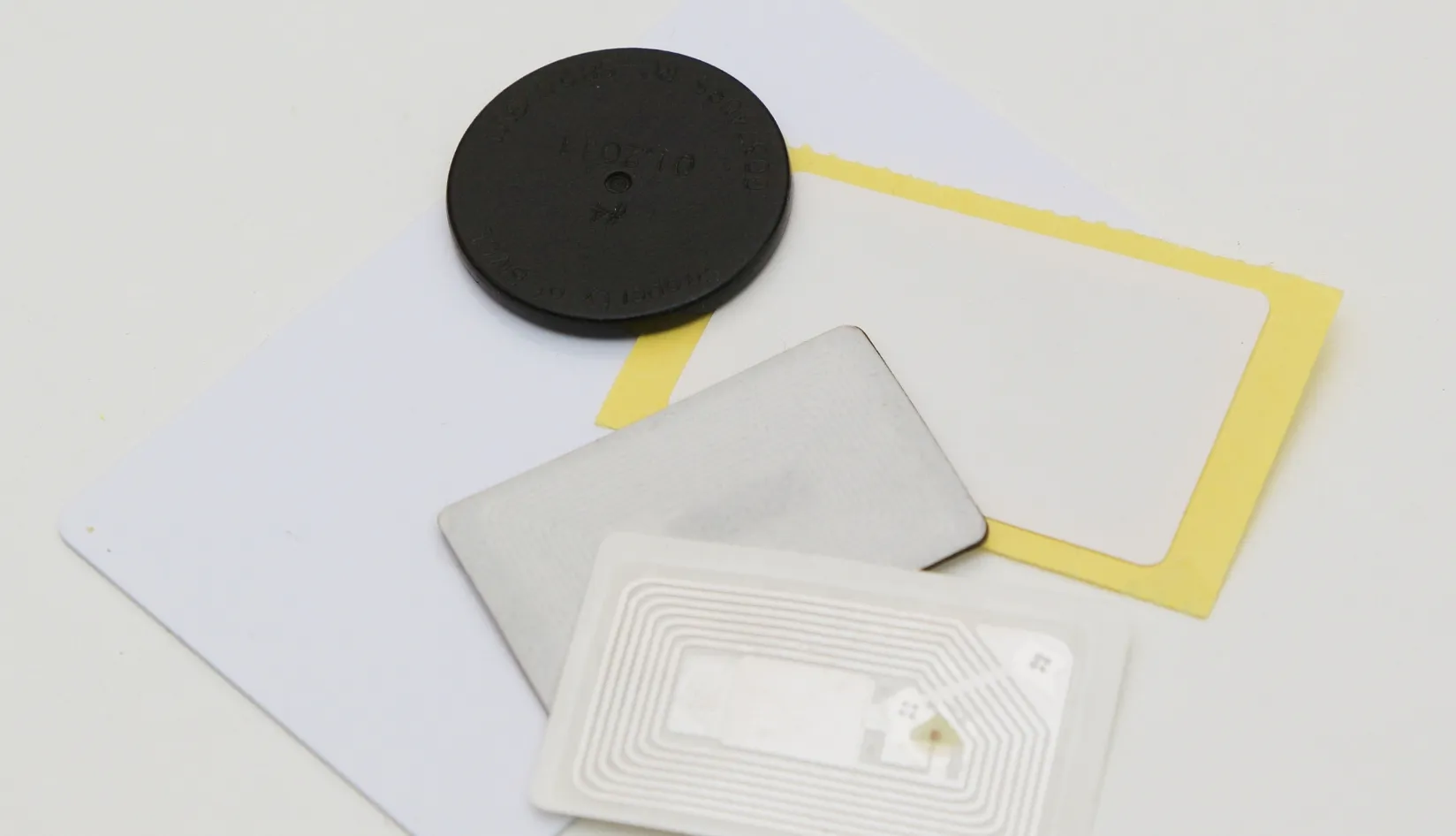
The physical structure of the ticket is simple yet robust. It consists of a microchip, an antenna, and a durable printing layer. The chip stores the pet’s data, while the antenna allows for communication with RFID readers. This design ensures reliability in airline transportation
The antenna size is optimized for maximum read range in a complex metal environment like an aircraft cargo hold. Furthermore, the microchip often includes a substantial memory bank. This memory can store not just the ID, but also critical handling instructions or time-stamped location data. This makes the tag a self-contained, intelligent data carrier.
This technology offers clear advantages over standard barcode labels. Barcodes require line-of-sight scanning and are easily damaged or obscured. Conversely, RFID tickets can be read quickly and automatically, even when not directly visible.
Why Airlines Are Transitioning to RFID Tickets
Airlines face increasing pressure to comply with stringent safety regulations for transporting animals. Global regulatory bodies demand greater accountability and transparency in pet handling. This necessitates a technological solution that guarantees compliance.
Specifically, the International Air Transport Association (IATA) Live Animals Regulations (LAR) set the global standard for safe transport. Adopting a system like a ticket for cats demonstrates a proactive commitment to these high standards. This is crucial for maintaining operational licenses and industry trust.
Moreover, the need for accurate tracking from check-in to final arrival is paramount. Airlines must know the precise location of every animal at all times. This is especially true during complex transfers between connecting flights.
Operational pressure also exists to reduce costly and reputation-damaging mishandling incidents involving pets. Lost or misplaced animals represent a failure in the chain of custody. Such failures lead to significant financial and public relations consequences.
The financial impact of a single incident can involve re-routing costs, compensation, and extensive recovery efforts. Moreover, the negative media coverage can erode consumer confidence far more than a baggage loss. This invests in a reliable tracking system, a necessary risk mitigation strategy.
RFID technology delivers real-time data and faster verification at every checkpoint. It provides improved chain-of-custody documentation automatically. This capability is essential for modern, high-volume airline operations.
Key Benefits of RFID Tickets for Cats in Pet Air Travel

- Improved Pet Safety and Security
Secure identification is achieved through the unique, encrypted chip codes embedded in a ticket for cats. This digital signature links the pet directly to its owner and flight details. It eliminates the risk of human error during manual data entry.
The security is multi-layered. Passive security involves the unique serial number (UID) burned into the chip during manufacturing. Active security features include password protection and the use of cryptographic keys. These keys prevent unauthorized personnel from writing new data to the tag. This ensures the data integrity remains uncompromised from check-in to final delivery.
The system offers enhanced authentication features. These include password protection and optional 3DES encryption for sensitive data. This high level of security ensures data integrity throughout the transport process.
Furthermore, the technology enables counterfeit-proof ticketing. Only genuine, encoded RFID tickets will register in the airline’s system. This ensures that only authorized animals are processed and loaded onto aircraft.
- Enhanced Tracking and Real-Time Monitoring
Airlines gain precise location tracking during all phases of transport. This includes transfers, loading, and unloading operations. Automated readers installed at key points provide continuous visibility.
For example, a pet crate moving from the check-in counter to the cargo terminal is scanned at multiple choke points. This creates a digital trail that is far more granular than traditional manifest checks. The system logs the exact time, location, and reader ID. This level of detail is invaluable for auditing and process improvement.
RFID enables automated scanning at multiple checkpoints without human intervention. This hands-free process is faster and more reliable than manual checks. The data is instantly fed into the airline’s logistics system.
As a result, pet owners receive more accurate arrival confirmation and documentation. This transparency builds trust and reduces anxiety for customers. The real-time data stream is a major customer service advantage.
- Faster and Contactless Processing
RFID enables rapid, contactless scanning during peak travel periods. Readers can process multiple tags simultaneously within seconds. This dramatically accelerates the check-in and transfer process.
In a manual system, a worker must visually locate and scan a barcode on each crate. This process takes valuable minutes per animal. Conversely, an RFID portal can read dozens of tags passing through a doorway in a fraction of a second. This time saving is critical during tight connection windows. It ensures the loading of the pet onto the correct connecting flight without delay.
The shorter handling durations reduce stress for the traveling pets. Less time spent in noisy, busy airport environments is beneficial for animal welfare. Efficiency directly translates to a better experience for the animal.
This contactless system also simplifies airline workflows. It significantly reduces the potential for human error associated with manual data input or scanning. Staff can focus on animal care rather than administrative tasks.
- Higher Operational Efficiency for Airlines
Automated data capture reduces the need for manual input and reporting. This frees up ground staff to manage physical logistics. The system provides a seamless flow of information from the tarmac to the back office.
Improved logistics planning for pet transport areas becomes possible with accurate data. Airlines can better allocate resources and predict bottlenecks. This optimization leads to smoother overall operations.
Ultimately, the system reduces costs associated with lost or misidentified animals. Preventing a single incident can save an airline thousands in compensation and recovery efforts. A ticket for cats is a preventative measure.
- Cost-Effective Long-Term Investment
RFID tickets are inherently more durable than paper alternatives. Airlines managing high pet travel volumes realize lower lifecycle costs. The initial investment in readers is offset by reduced labor and error costs over time. This makes RFID a smart financial decision.
The technology aligns with broader industry standards, such as IATA Resolution 753 for baggage tracking. Leveraging existing RFID infrastructure makes the adoption of a ticket for cats even more cost-effective.
How RFID Ticket for Cats Systems Work in Airline Operations

The system begins with the pet check-in process. The pet’s travel details, owner information, and health records are digitally linked to the RFID chip. This is the initial encoding step.
This process uses a specialized RFID encoder/printer. The encoder writes the unique data to the tag’s memory bank. Simultaneously, the printer prints human-readable information on the durable label. This dual-encoding ensures both digital and visual verification are available.
Next, the RFID ticket is securely attached to the pet’s travel crate or carrier. This establishes the first digital checkpoint.
The tag is typically placed on the crate in a location optimized for reading by fixed-position portal readers. This initial scan confirms the pet’s presence in the cargo management system. It also verifies that the crate is assigned to the correct Unit Load Device (ULD) or cargo pallet. This step is essential for preventing misloads.
As the crate moves through the airport, automated readers use radio waves to communicate with the tag. This secure, contactless data exchange happens instantaneously. The system updates the pet’s location in real-time.
This continuous monitoring is a key differentiator. The data is fed into the airline’s Cargo Management System (CMS) or Warehouse Management System (WMS). This integration allows operations managers to view a digital map of all pet movements. This proactive visibility enables immediate intervention if a pet deviates from its planned route.
The encrypted chip data remains tamper-proof throughout the journey. Security features prevent unauthorized reading or alteration of the stored information. This ensures the integrity of the pet’s manifest.
The system uses a challenge-response protocol during the read process. This cryptographic handshake verifies the authenticity of the reader and the tag. This advanced security prevents cloning or spoofing of the pet’s travel document. This is a vital feature for high-security cargo operations.
Finally, the system integrates seamlessly with existing airline management systems. This integration allows for automated record-keeping and status updates. The pet’s arrival is confirmed digitally upon final scanning.
This final scan triggers an automated notification to the pet owner. It also generates a complete, auditable log of the pet’s journey. This comprehensive documentation satisfies both regulatory requirements and customer service expectations. The entire process is a testament to the power of digital transformation in cargo logistics.
Conclusión
The adoption of RFID technology represents a major step forward in pet air travel. A ticket for cats elevates safety, efficiency, and reliability for all stakeholders. It addresses the growing need for secure and transparent animal transport.
This solution provides technical decision-makers with a clear path to modernization. It minimizes operational risk while enhancing customer satisfaction. The benefits extend from the tarmac to the balance sheet.
We re-emphasize the value of adopting this advanced solution. RFID is the proven technology for high-volume tracking in the aviation sector. Airlines must upgrade their pet transportation systems to meet future demands.
FAQ Forum
Q: What information can an RFID ticket for cats store?
A: The ticket can store essential data points. These include the pet’s unique ID, flight number, owner contact information, and critical health or handling instructions. The data is securely encrypted on the chip.
Q: Are RFID tickets safe for animals during flights?
A: Yes, RFID tickets are completely safe. They are passive devices that do not emit radiation. They only respond to radio waves from a reader, similar to contactless payment cards.
Producto recomendado

Pulsera NXP NTAG® 213 NFC LED
El NTAG® 213 Pulsera LED NFC es un producto innovador que fusiona a la perfección Comunicación de campo cercano (NFC) tecnología con LED iluminación. Fabricada por expertos con una resistente carcasa de ABS y una banda flexible de silicona/TPU, ofrece una comodidad excepcional para un uso prolongado. Alimentada por dos eficaces pilas de botón CR2032, esta pulsera ofrece de 8 a 10 horas de funcionamiento continuo, lo que la hace ideal para diversos eventos. Con 15 vibrantes colores de luz LED y 17 modos de parpadeo distintos, está diseñada para crear una atmósfera envolvente en conciertos, fiestas y otras reuniones sociales. Además, el chip NXP NTAG® 213 integrado permite aplicaciones versátiles, como la venta de entradas simplificada, el control de acceso seguro y la mejora de la interacción social.



 ES
 EN
 JA