


Misidentified cables.
Faded labels.
Hours wasted during inspections.
If you’re managing power infrastructure, you already know this problem:
Traditional cable labeling simply doesn’t scale anymore. In high-density substations, underground tunnels, or outdoor transmission lines, even a small identification error can lead to:
- Costly downtime
- Delayed maintenance
- Serious safety risks
So how do leading utility companies fix this? They switch to RFID cable tie tags.
Why Traditional Cable Management Fails
Before choosing a solution, it’s important to understand why current systems break down.
1. Labels Don’t Survive Real Environments
- UV exposure, heat, moisture, and chemicals quickly damage labels
- Printed text fades or becomes unreadable
- Tags fall off or break over time
Result: Loss of critical asset data

2. Manual Identification Is Too Slow
- Technicians must visually locate each label
- Dense cable bundles make identification difficult
- Emergency repairs become time-consuming
Result: Longer downtime and higher labor costs
3. No Lifecycle Traceability
- No unified system to track cables from installation to maintenance
- Data stored across spreadsheets, paper, or disconnected systems
Result: Zero visibility and poor decision-making
どのようなものなのか? 結束バンド型RFIDタグ?
An RFID cable tie tag combines:
- A durable cable tie
- An embedded RFID chip
Each cable gets a unique digital identity, readable without line-of-sight. Think of it as a permanent digital ID for every cable in your network.
What is RFID and How Does It Work?
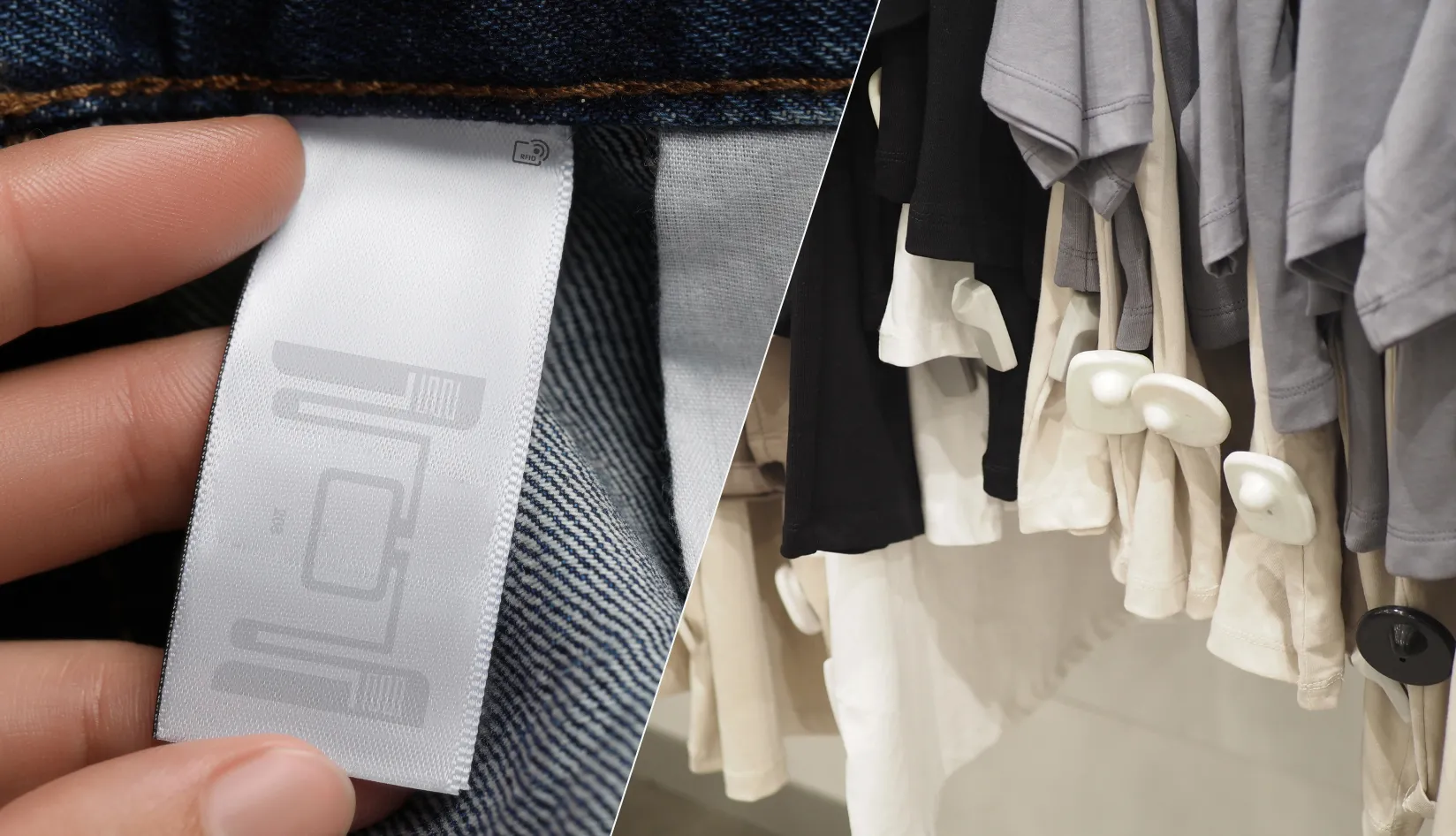
RFID (無線周波数識別) is a wireless technology used to identify and track objects without physical contact. Instead of scanning a barcode visually, RFID uses radio waves to transmit data between a tag and a reader.
Here’s the basic workflow:
- Each RFID tag stores a unique ID in its chip
- An RFID reader sends out a radio signal
- The tag receives the signal and responds automatically
- The system instantly captures the cable’s identity and data
This means cables can be identified in seconds, even in bulk, without touching or seeing each tag directly. These capabilities make RFID a strong fit for modern cable tracking environments, especially where speed, accuracy, and scalability are critical.
This is why RFID is widely adopted in power systems, data centers, and large-scale installations.
Key Benefits of RFID Cable Tie Tags For Power & Utility Infrastructure
As cable networks become larger and more complex, traditional identification methods are no longer sufficient to ensure efficiency and accuracy.
RFID cable tie tags solve these challenges by enabling fast, reliable, and fully digital cable tracking across the entire lifecycle.
1. 10x Faster Inspections
- Bulk scanning without line-of-sight
- Identify hundreds of cables in seconds
Reduce inspection time by up to 80%
2. Near 100% Identification Accuracy
- ヒューマンエラーをなくす
- No more misreading labels
Critical for high-risk environments
3. Built for Harsh Environments
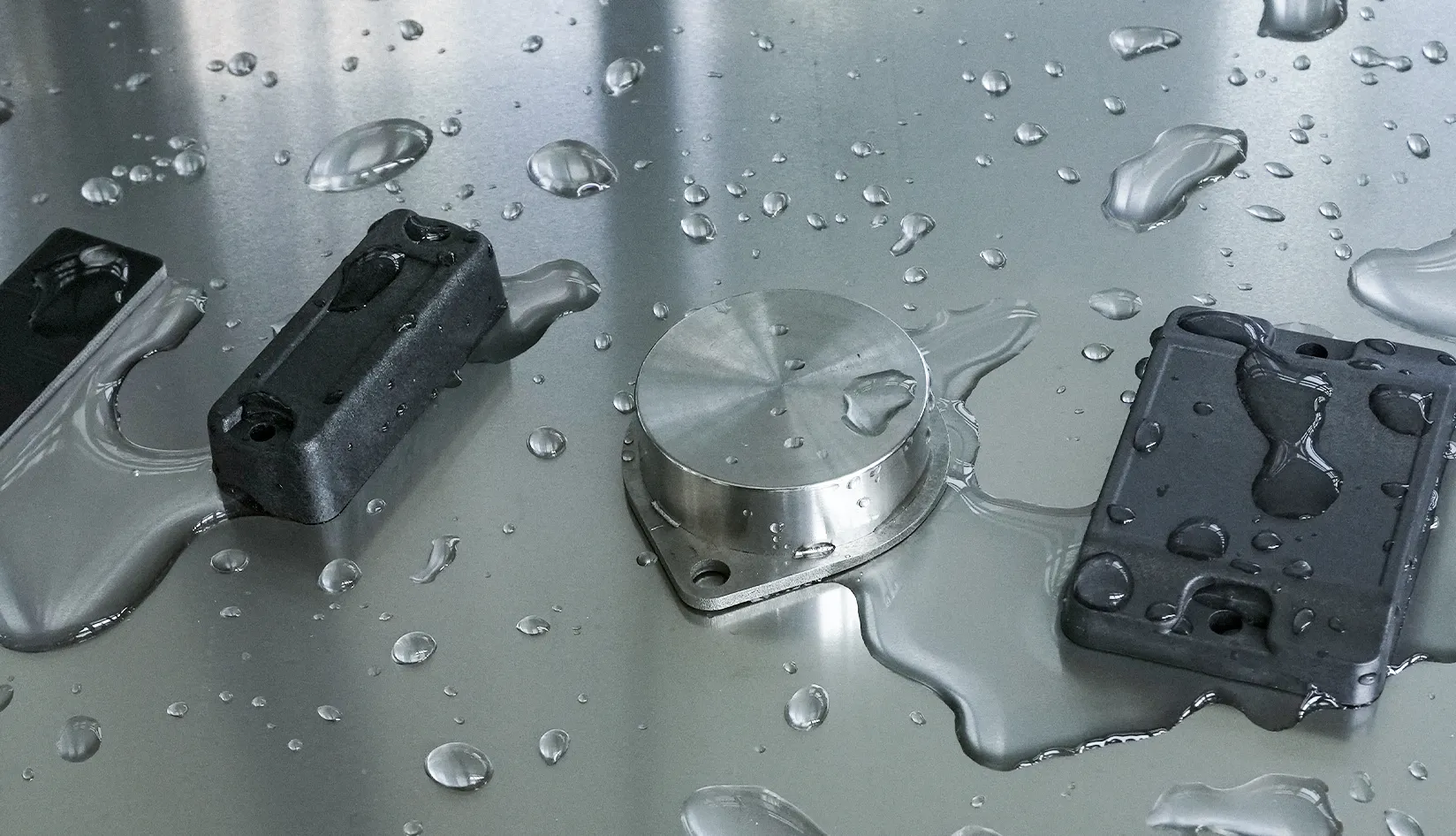
- IP67/IP68 waterproof
- UV-resistant & anti-corrosion
- Withstands extreme temperatures
5–10+ years outdoor lifespan

4. Full Lifecycle Traceability
Store data like:
- Cable type & specifications
- Installation date
- メンテナンス履歴
Track every cable from installation → operation → replacement
5. Improved Safety & Faster Fault Location
- Instantly identify the correct cable
- Reduce operational errors
Shorten the outage response time dramatically
RFID vs Barcode: Which Is Better for Cable Management?
To better understand the advantages of RFID cable tie tags, it is useful to compare them with traditional barcode systems, which are still widely used in many cable management environments today.
While both technologies serve identification purposes, they differ significantly in efficiency, scalability, and long-term usability.
| 特徴 | RFID | バーコード |
| Read method | コンタクトレス | Line-of-sight |
| Bulk scanning | はい | いいえ |
| 耐久性 | 高い | 低い |
| 読み取り速度 | Seconds | Minutes/Hours |
| データストレージ | 高い | 限定的 |
In real-world cable management scenarios, these differences have a direct impact on operational efficiency. RFID is the only scalable solution for modern power infrastructure.
Real-World Applications in Power Infrastructure
In modern power infrastructure, cable identification challenges are not limited to a single environment. From substations to remote renewable energy sites, each scenario presents unique operational requirements.
RFID cable tie tags are widely used across different segments of the power network to improve visibility, efficiency, and maintenance accuracy.
Substations & Distribution Rooms
Substations often contain highly dense and complex cable layouts, making manual identification time-consuming and error-prone.
- Manage dense cable systems more efficiently
- Quickly identify cable connections during maintenance
This helps reduce troubleshooting time and improves operational efficiency in critical control environments.
Transmission Lines & Towers
For long-distance transmission infrastructure, cable inspection often requires both ground teams and aerial support.
- Tag overhead and underground cables for consistent identification
- Enable use with handheld devices or drone-based inspection systems
This significantly improves inspection speed and reduces field workload.
Cable Tunnels & Underground Systems
Underground cable systems are often difficult to access and visually inspect due to confined and complex environments.
- Maintain accurate tracking in low-visibility environments
This supports more structured digital mapping of underground infrastructure.
Renewable Energy (Solar & Wind)
Renewable energy projects are typically distributed across large geographic areas, making cable management more challenging.
- Identify cables across large, decentralized installations
This improves maintenance efficiency and reduces operational downtime.
Emergency Repairs
During outages or unexpected failures, rapid identification becomes critical to restore power quickly.
- Instantly locate faulty cables in emergency situations
This helps shorten downtime and speed up power restoration.

How to Choose the Right RFID Cable Tie Tag
To help you quickly identify the most suitable option, here are the key selection factors used in real-world deployments.
1. Material Structure (Based on Application)
RFID cable tie tags are designed in different material combinations to match real operating environments and durability requirements.
- Nylon + ABS Structure → Standard industrial applications, cable management, and general asset tracking
- On-Metal Structure → Designed for metal surfaces such as cable trays, equipment racks, and steel infrastructure
- Industrial Outdoor Grade (IP68) → Built for harsh environments with exposure to moisture, UV, and extreme temperatures
The right material choice directly impacts tag lifespan, reading stability, and maintenance cost.
If you are unsure which structure fits your project, choosing the correct material is the first step to avoid signal failure or premature tag damage.
2. Frequency Type
- UHF → Long-range, bulk scanning (ideal for utilities, substations, and large infrastructure)
- HF / NFC → Short-range identification and mobile interaction (suitable for localized asset control)
In most industrial and utility applications, UHF is the preferred choice due to its efficiency in large-scale scanning environments.
3. Metal Compatibility
Metal surfaces can significantly affect RFID performance if the wrong tag type is used.
- For cable trays, steel structures, or equipment racks → on-metal RFID cable tie tags are required
This ensures stable signal performance and avoids reading interference in real operating conditions.
4. Size & Mechanical Fit
Physical installation quality directly affects long-term reliability.
- Select tie length according to cable diameter
- Ensure tight but non-damaging installation
- Avoid loose fitting that may cause tag movement over time
A properly fitted tag ensures both mechanical stability and consistent scan performance.
Not Sure Which RFID Cable Tie Tag You Need?
Different environments require different configurations, and choosing the wrong type may lead to poor readability or reduced lifespan.
Our team can help you select the most suitable RFID cable tie tag based on your application scenario (power, data center, industrial, or outdoor infrastructure).
Contact us for a quick recommendation or request a free sample for testing in your real environment.
よくあるご質問
1. What is the best RFID tag for cables?
For large-scale cable management applications such as power systems, substations, and industrial infrastructure, UHF RFID cable tie tags are generally the best choice.
They support long-range reading and bulk scanning, which significantly improves inspection efficiency in complex environments with hundreds or thousands of cables.
If your project involves large asset volumes or wide-area cable networks, UHF is the most efficient option.
2. Can RFID tags work on metal surfaces?
Yes, but standard RFID tags may experience signal interference when attached directly to metal.
For these environments, on-metal RFID cable tie tags are specifically designed with a protective layer that isolates the chip from metal interference.
This ensures stable and reliable reading performance on cable trays, steel structures, and industrial equipment.
3. Are RFID cable tags waterproof?
High-quality RFID cable tie tags are typically rated IP67 or IP68, meaning they are fully protected against dust, water immersion, and harsh outdoor conditions.
This makes them suitable for:
- Outdoor power infrastructure
- Underground cable systems
- Renewable energy installations
In demanding environments, IP68-rated tags are strongly recommended for long-term reliability.
4. How long do RFID cable tags last?
The lifespan of RFID cable tie tags usually ranges from 5 to 10+ years, depending on material selection and environmental conditions.
Factors that influence durability include:
- UV exposure
- Temperature extremes
- 機械的ストレス
- Installation environment
In most industrial and utility applications, properly selected RFID tags are designed for long-term asset lifecycle tracking without frequent replacement.




 JA
 EN
 ES