


はじめに
The global maritime industry is the backbone of international trade, with ports and terminals serving as critical, high-volume hubs. Traditional tracking methods often fall short in these demanding environments, where assets are exposed to harsh weather, salt spray. The need for robust, real-time asset visibility is paramount for efficiency and security. This is where Radio Frequency Identification (RFID) technology provides a powerful, resilient solution. And specialized tags designed for the unique challenges of port operations.
Defining the Port Tag: A Foundation for Maritime Efficiency

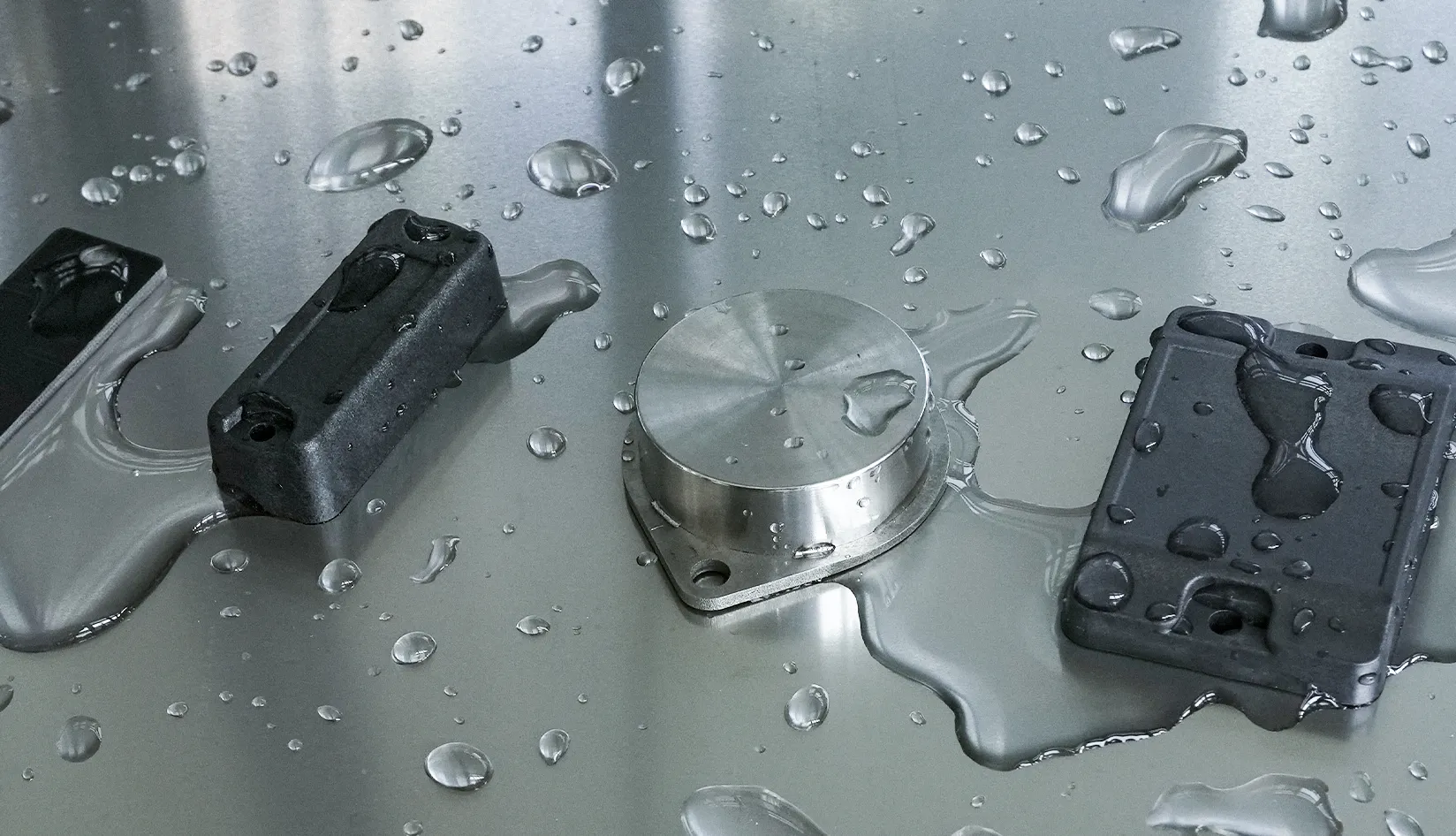
An RFID tag is a small, passive or active device that uses radio waves to automatically identify and track objects. The term “port tag” refers to a specific class of these RFID devices engineered to withstand the extreme conditions of a maritime environment. These conditions include high humidity, temperature fluctuations, exposure to corrosive salt water, and significant physical impact.
The Role of RFID in Port Operations
RFID technology offers automated identification and data collection (AIDC) without the need for human intervention or line-of-sight scanning. In a port setting, this translates to:
-Container Tracking: Monitoring the movement and location of containers from ship to yard to gate.
-資産管理: Keeping track of high-value equipment like cranes, spreaders, and yard vehicles.
-人的安全: Ensuring the location and safety of workers in hazardous areas.
The Uncompromising Demands of the Port Environment

A standard RFID tag will quickly fail in a port. The environment presents a unique combination of stressors that necessitate specialized tag construction.
Key Environmental Challenges
| チャレンジ | Impact on Standard RFID Tags | Solution Feature in Recommended Tags |
| Saltwater and Humidity | Corrosion of internal components and antenna. | IP68 Protection ( On-metal R6 TPU Tag) そして Saltwater Resistance (Monza 4QT/R6 Cable Tie Tags). |
| Physical Impact | Cracking, crushing, or detachment from the asset. | Durable ABS/Nylon/TPU Construction (On-metal R6 TPU Tag, Monza 4QT/R6 Cable Tie Tags) and Secure Cable Tie Attachment (Monza 4QT/R6 Cable Tie Tags). |
| UV Exposure | Degradation and embrittlement of plastic materials. | UV and Water Resistance (Monza 4QT/R6 Cable Tie Tags) for long-term outdoor deployment. |
| 金属表面 | Signal interference and detuning of the tag’s antenna. | Anti-Metal Structure (Flexible On-metal R6 TPU Tag) for stable performance directly on metal assets. |
| Dynamic Reading | Inconsistent read rates on moving assets (e.g., cranes). | Optimized Read Range and AutoTune Adaptive RF Tuning (Monza R6 series tags) for high reliability. |
Specialized Tags for Specialized Port Assets
To meet these rigorous requirements, manufacturers have developed highly durable tags. The following products, featuring Impinj® Monza® chip technology, exemplify the strength and reliability required for port applications.
Impinj® Monza® 4QT Cable Tie Tag: The All-Weather Asset Tracker
The Impinj® Monza® 4QT ABS and Nylon RFID Cable Tie Tag is an exceptionally reliable solution for outdoor asset tracking and secure inventory control. Built with a combination of robust ABS and Nylon, this tag is designed to endure the most challenging conditions.
Key Features for Port Use
-Rugged Construction: The durable ABS and Nylon housing provides excellent resistance to physical shock and abrasion.
-UV and Water Resistance: Its construction ensures it is highly resistant to UV rays and is waterproof, making it ideal for assets constantly exposed to the elements on the quay or in the yard.
-Secure Attachment: The cable tie design allows for secure, tamper-evident fastening to various assets, including cables, pipes, and equipment handles.
-Monza 4QT Chip: The Impinj Monza 4QT chip offers flexible memory options, allowing for the storage of critical asset data beyond the standard EPC (Electronic Product Code).
Impinj® Monza® R6 Cable Tie Tag: Enhanced Performance for Logistics
A variation on the durable cable tie design, the Impinj® Monza® R6 ABS and Nylon RFID Cable Tie Tag is specifically optimized for high-performance reading in dynamic logistics and industrial applications.
Performance Advantages
-Optimized Read Range: Featuring the Impinj Monza R6 chip, this tag is engineered for reliable long-range reading, which is crucial for quickly identifying assets from a distance, such as when a container is being moved by a crane.
-High Reliability: The R6 series includes patented features like AutoTune adaptive RF tuning, which helps maintain consistent performance even when the tag is placed near different materials.
-Versatile Application: It is perfectly suited for cable bundling, securing inventory, and tracking assets in large-scale operations like construction and port logistics.
柔軟なオンメタルImpinj® Monza® R6 TPUF RFIDタグ: Conquering Metal Surfaces
Tracking assets made of metal, such as container chassis, crane parts, or heavy machinery, poses a significant challenge for standard RFID tags, as metal surfaces reflect radio waves and interfere with the tag’s antenna. The Flexible On-metal Impinj® Monza® R6 TPU UHF RFID Tag is engineered to overcome this obstacle.
Designed for Irregular Metal Assets
-Anti-Metal Structure: This tag incorporates a specialized design that allows it to function effectively when mounted directly onto metal surfaces, ensuring stable and consistent performance.
-TPU Durability: Constructed from durable Thermoplastic Polyurethane (TPU), the tag is highly flexible, allowing it to conform easily to curved or irregular metal surfaces without compromising its integrity.
-IP68 Protection: With an IP68 rating, it offers complete protection against dust ingress and long periods of immersion in water, a non-negotiable feature for any port-side equipment.
The Future of Port Operations: Seamless Integration
The strength of these specialized RFID tags is not just in their physical durability but in their ability to integrate seamlessly into a port’s operational technology (OT) and information technology (IT) systems. By providing a continuous stream of accurate data, they enable better decision-making, optimize yard management, and significantly reduce manual labor and errors. The move towards fully automated and digitized ports relies heavily on the reliable data capture provided by these ruggedized RFID solutions.
結論
The port environment is a crucible of operational and environmental stress. Standard tracking technologies are simply not up to the task. The evolution of RFID technology, exemplified by rugged, high-performance tags like those featuring the Impinj Monza chip series, provides the necessary resilience and reliability. By investing in these purpose-built solutions, ports can ensure that their asset tracking systems are not just functional, but truly built for tough environments, paving the way for a more efficient, secure, and automated future.
よくある質問
What is RFID in port?
RFID in ports uses radio-frequency technology to track and manage containers, vehicles, and equipment. RFID port tags are durable, weather-resistant, and designed for metal surfaces. Many are on-metal tags or cable tie tags, ideal for mounting on containers, pipes, or machinery in harsh port environments.
How does an “anti-metal” tag work?
An anti-metal tag incorporates a layer of material, often a ferrite layer, between the tag’s antenna and the metal surface. This layer acts as a buffer, preventing the metal from detuning the tag’s antenna and allowing the tag to be read effectively while mounted directly on metal.
What does the IP68 rating on an RFID tag signify?
The IP (Ingress Protection) rating of IP68 is the highest level of protection against solids and liquids. The ‘6’ means it is completely protected against dust ingress, and the ‘8’ means it can be continuously immersed in water under conditions specified by the manufacturer without harmful effects.
Can RFID tags be reused on different assets?
Yes, many ruggedized RFID tags, especially cable tie and screw-mount designs, are designed for long-term use and can be detached and redeployed on new assets, providing a strong return on investment.
What is the EPC (Electronic Product Code) memory used for?
The EPC memory bank is the primary memory area on a UHF RFID tag. It is used to store a unique identifier for the tagged item, which is the digital equivalent of a barcode, allowing the asset to be identified and looked up in a database.
推奨製品

適用範囲が広いオン金属の Impinj® Monza® R6 TPUF UHF RFID の札| 90x18mm
インピンジ®モンツァ®R6フレキシブル オンメタル TPU UHF RFID タグ は、資産追跡と在庫管理のための高度で柔軟なソリューションを提供します。耐久性に優れた TPU素材不規則な金属表面にも簡単に取り付けられます。このタグのアンチメタル・デザインは、金属物体に直接貼り付けても安定した性能を保証するため、さまざまな産業および商業用途に最適です。



 JA
JA  EN
EN  ES
ES