


As global supply chain complexities rise, business leaders face continuous pressure to improve operational efficiency, minimize human error, and maintain strict cost control. UHF (Ultra-High Frequency) RFID readers have emerged as a foundational technology to solve these challenges.
In this article, we’ll explore five key applications of UHF RFID readers within the logistics and supply chain sectors to help businesses fully understand the value and advantages of this cutting-edge tech.
1. Application of UHF RFID Readers in Inventory Management
Real-Time Inventory Tracking
Traditional inventory management usually depends on scanning barcodes by hand or manually jotting down data. This process is not only slow and labor-intensive, but mistakes are all too common. With UHF RFID readers, companies can track inventory in real-time, helping to avoid both overstock and stockouts. These readers can pick up data from multiple RFID tags from several meters away—or even further—making inventory data more accurate and timely, thus streamlining management processes.
Automated Inventory Counts
When within range of a UHF RFID reader, passive tags absorb RF energy and transmit their unique EPC (Electronic Product Code) back to the system seamlessly. No more painstakingly checking each barcode by hand. This majorly speeds things up and boosts accuracy, cutting down the time and errors typical of old-school, manual inventory checks.
Inventory Optimization
Using UHF RFID readers gives businesses a real-time look into their inventory status, allowing them to optimize stock levels and steer clear of overages or shortages. By linking together sales data and RFID technology, warehouse systems can automatically adjust how and when to restock or clear out inventory, ensuring businesses keep their stock levels just right.
2. Application of UHF RFID Readers in Cargo Tracking and Transportation
Real-Time Cargo Tracking
Tracking goods in logistics and transportation can be a real challenge, often depending on manual record-keeping and checks that are prone to oversights or errors. But with UHF RFID readers, things get a lot easier; you can pinpoint exactly where your goods are—every step of the way, from the warehouse to the truck to the final destination. RFID tags and readers make it possible to log the details accurately, giving logistics managers full visibility on cargo locations and boosting transportation transparency.
Cutting Down on Loss and Wrong Deliveries
UHF RFID readers do more than just track stuff—they also help cut down on losses and delivery errors that come from human mistakes or poor management. By integrating with Transportation Management Systems (TMS), these RFID systems can log cargo movements in real time, automatically matching them with orders. That ensures your goods arrive where they should, when they should, on the right routes. This tech really cuts down on lost, misdelivered, and delayed items during transit.
Boosting Transportation Efficiency
UHF RFID readers also ramp up efficiency in the transport process. When goods roll into a transit station, these readers quickly and automatically read the RFID tags, ensuring everything is loaded and shipped according to plan. The system also automatically identifies cargo info, saving time on manual tasks and optimizing the distribution and scheduling of goods.
3. Application of UHF RFID Readers in Supply Chain Traceability
Product Traceability and Anti-Counterfeiting
RFID tech makes it possible to track products at every step—from production to sales—helping to keep counterfeit and low-quality goods out of the market. Every product has a unique RFID tag that logs important info, such as its production date, batch number, and shipping details. By simply scanning the RFID tags, consumers, partners, and regulatory agencies can quickly verify a product’s true origin, which boosts transparency and strengthens brand trust.
Data Transparency and Trust
UHF RFID technology updates and shares data across every part of the supply chain in real time. This not only enhances transparency within the supply chain but also builds trust among all stakeholders. Consumers and regulatory bodies can access product info whenever they need it, making sure that every step is compliant and safe. This is especially important for businesses that aim for high quality and transparency.
4. Application of UHF RFID Readers in Warehouse Management
Smart Warehouse Management
UHF RFID readers make managing warehouses a whole lot smarter. With automatic scanning and data logging, RFID systems update the information on goods in the warehouse in real-time, boosting space utilization and making item storage more efficient. The systems automatically identify the goods, their quantities, and their storage locations, helping warehouse managers handle the in-and-out of goods more effectively.
Quick In and Out Processes
Old-school warehouse work usually means scanning barcodes by hand and writing down what’s coming in and going out. But with UHF RFID readers, goods get recognized automatically, so inbound and outbound processes can happen way quicker, saving tons of time. When dealing with a lot of items, RFID tech really shines, speeding things up a lot and cutting down on the need for human touch.
Cutting Down Inventory Backlogs and Optimizing Space
Thanks to UHF RFID tech, warehouse management systems can keep an eye on inventory levels in real-time and smartly optimize the use of warehouse space. Automated scheduling stores goods more efficiently, preventing inventory bottlenecks. The system also dynamically adjusts placement based on real-time stock data, boosting both storage capacity and processing efficiency in the warehouse.
5. Application of UHF RFID Readers in Supply Chain Risk Management
Security Monitoring and Theft Prevention
UHF RFID tech is a real game changer for stopping goods from getting lost or stolen during shipping and storage. With non-stop real-time monitoring, RFID systems automatically track item movement, and if anything out of the ordinary happens (like someone opening a box they shouldn’t or moving items without permission), it sets off an alarm, keeping those products safe. Plus, it helps companies quickly pin down and react to any security threats.
Real-time Alerts and Anomaly Detection
When you pair UHF RFID readers with monitoring systems, businesses can keep tabs on their goods in real-time during transport. Any weird movements, temperature changes, or other environmental shifts trigger alerts to the right people, allowing companies to jump into action and avoid losses.
Compliance Checks and Regulation
Compliance checks in the supply chain are key to making sure businesses follow industry standards and regulations. UHF RFID technology gives companies real-time, traceable data records, making compliance checks a breeze. At different stages in the supply chain, RFID tech automatically logs compliance data for products, ensuring every item meets the necessary transportation, safety, and environmental rules.
Conclusion
With UHF RFID technology becoming a staple in logistics and supply chains, businesses are seeing major improvements in their operational efficiency, cost savings, and transparency. By allowing real-time tracking of inventory, goods, and products, and automating both warehousing and transportation, RFID tech helps companies streamline their operations, cut down on human errors, and boost visibility and trust across the supply chain. Looking ahead, as this tech advances, UHF RFID will play an even bigger role in shaping the smart supply chains of the future, driving smarter and more efficient operations.
FAQs
What sets UHF RFID readers apart from other kinds of RFID readers?
UHF RFID readers have some key differences from other types like HF and LF RFID when it comes to frequency, reading distance, application scenarios, and cost. UHF (Ultra High Frequency) RFID readers operate between 860 and 960 MHz, giving them a longer reading range (from a few meters to over ten meters), which is perfect for large-scale logistics and warehouse management. On the flip side, HF (High Frequency) RFID readers typically work at 13.56 MHz and have a shorter reading range, making them ideal for close-proximity applications, like access control systems. LF (Low Frequency) RFID is usually found in animal tracking and some budget-friendly applications. When you stack them up against HF and LF, UHF RFID stands out for its longer reading distances and faster reading speeds, making it a top choice for logistics and supply chain management.
Can UHF RFID readers work in extreme environments, like super high heat or humidity?
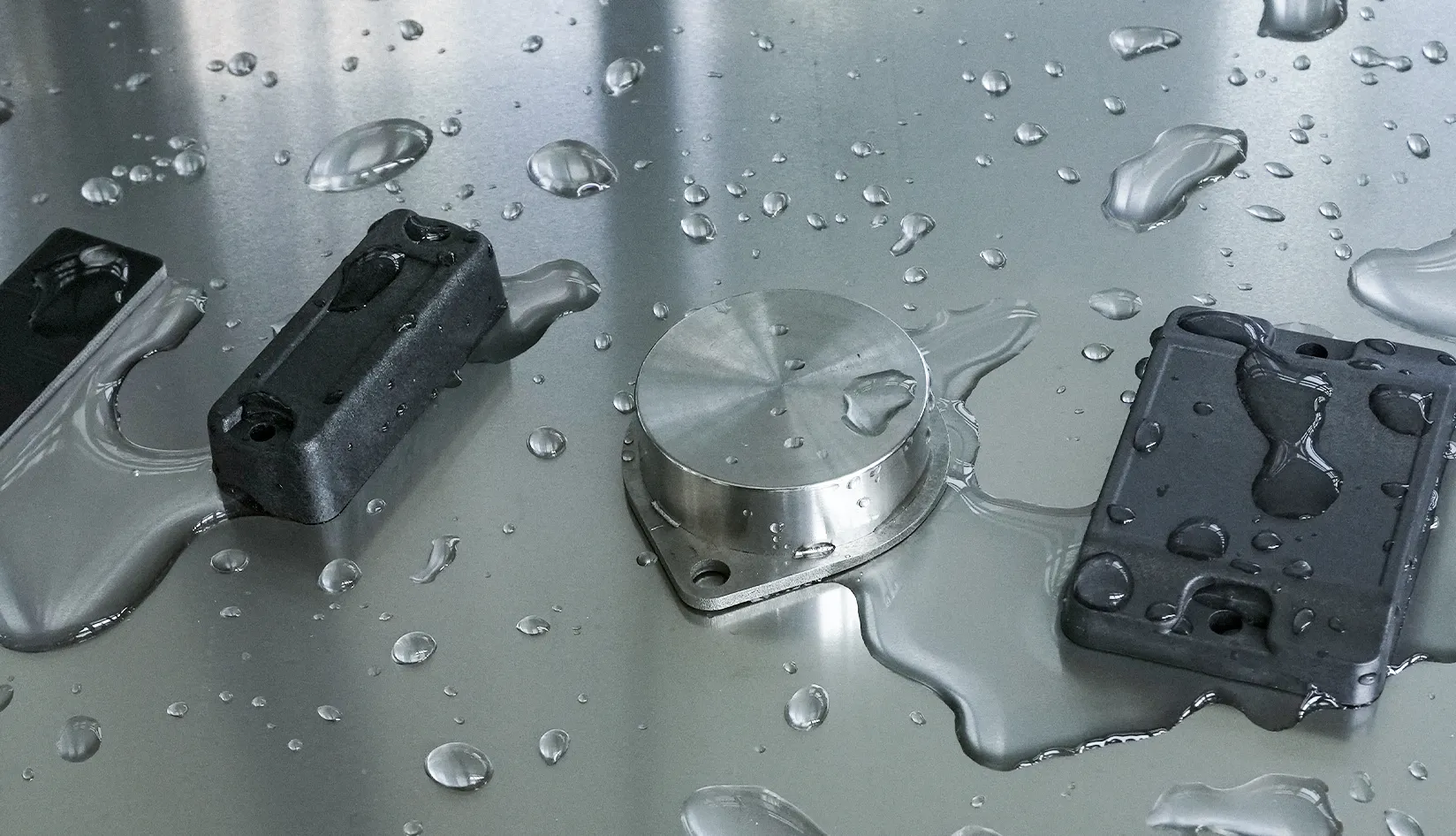
UHF RFID readers can handle a bit of harshness, but their performance can take a hit in extreme conditions. Most modern UHF RFID devices resist interference and operate smoothly within a decent temperature range. But if things get too hot (like over 50°C) or if the humidity is through the roof, you might see dips in stability and reading capabilities. In places where conditions get really wild—like scorching heat, high humidity, serious electromagnetic noise, or corrosive environments—companies usually have to go for UHF RFID gear that’s got industrial-level protection (think IP65 or better), and they might even need to whip up some custom protective solutions to keep everything running smoothly. So, if you’re planning to use UHF RFID tech in crazy environments, make sure to take into account how well the gear can withstand the elements.
How does using UHF RFID tech in multi-level warehouses amp up efficiency?
In multi-level warehouses, UHF RFID technology ramps up efficiency big time by slicing down on manual tasks and cranking up automation. With UHF RFID readers that can read from a distance, they can easily cover all the levels of the warehouse. Whether it’s goods on the shelves or stuff stashed in high spots, RFID tags make automatic identification a breeze. RFID systems save a ton of time on manual scanning and prevent goods from getting lost or misplaced due to poor positioning. They also keep inventory information updated in real-time, giving warehouse managers a clear picture of what’s stocked on each level and making storage and scheduling much smarter. All in all, it dramatically boosts how well the warehouse operates.



 EN
 ES
 JA