


RFID technology has become a staple across multiple industries, transcending its traditional use in RFID cards and adhesive labels. From warehouse management to asset tracking, RFID technology is integrated into various processes, significantly enhancing efficiency and safety. As the technology evolves, an array of innovative RFID products has surfaced, tailored to meet the specific requirements of different sectors. Today, we will explore one such emerging RFID product: RFID cable tie tag.
1. What is an RFID cable tie tag?
Traditional cable tie tags primarily secure and identify items like cables and pipes. They are basic yet essential tools in industrial and engineering settings, typically made from simple plastic materials for marking or recording items. RFID cable tie tag offers an innovative enhancement of these traditional tags by incorporating RFID chips into the head of the cable tie, enabling features such as item tracking and automated data collection.
The operational principle of RFID cable tie tag mirrors that of standard RFID tags. When an RFID reader approaches the tag, the chip transmits its stored data to the reader via radio frequency signals. This automated tracking method significantly boosts operational efficiency and accuracy.
For a quicker understanding of RFID cable tie tag and their applications, check out the video below to get an intuitive grasp of their benefits and uses.

2. What types of RFID cable tie tags are there?
RFID cable tie tags are primarily UHF because UHF RFID tags provide a longer read range and faster identification speed, making them ideal for efficient tracking in various environments. Additionally, these tags have different materials and designs to meet different needs. Here are some common classification methods:
Classification by Material:
ABS & Nylon Cable Tie Tags:
These tags resist impacts well, making them suitable for general industrial environments. Nylon is more flexible, accommodating irregularly shaped objects better. Moreover, nylon tags typically have enhanced UV resistance, making them suitable for outdoor applications.
ABS & Stainless Steel Wire Seal Labels:
These tags withstand extreme environments, including high temperatures, humidity, and strong chemical exposure. They suit industries such as electricity, petroleum, and chemicals, offering long-term stability and safety even in harsh conditions.

Classification by Number of Uses:
Disposable Tags:
These tags suit short-term use and people usually discard them at the end of an item’s life cycle. They offer low-cost and suit applications where long-term tracking isn’t necessary—such as in logistics and retail, where users often discard the tags after items reach their destination.
Reusable Tags:
Designed for durability, these tags can withstand repeated use and varying environmental challenges. They are suitable for items needing long-term tracking and management, such as equipment, tools, pipes, and cables. By improving management efficiency, reusable tags can help reduce long-term costs, meet environmental needs, and minimize waste.
3. Application of RFID Cable Tie Tag: Which Industries Are Benefiting?
Next, we’ll explore specific application scenarios for RFID cable tie tag across different fields, helping you understand their functionality and benefits in various industries.
Industrial Applications
In the industrial sector, RFID cable tie tags are extensively utilized for item tracking, equipment maintenance, and safety management. Given the diverse and extensive array of equipment in industrial environments, these tags assist managers in monitoring the location and status of assets in real time, thereby enhancing operational efficiency and safety.
- Equipment Maintenance Management: In manufacturing facilities, RFID cable tie tags are often affixed to equipment to document maintenance history and operating conditions.
- Asset Tracking and Management: These tags aid in the identification and tracking of equipment, tools, and parts, enabling managers to quickly locate items.
Manufacturing
Manufacturing is another crucial area where RFID cable tie tags are applied, particularly in production line and warehouse management.
- Production Line Tracking: RFID cable tie tags enable real-time tracking of the location and status of cables during production. For instance, they can be attached to cables to record production details, specifications, and quality inspection statuses, facilitating efficient tracking and management before products leave the factory.
- Inventory Management: Within a manufacturing warehouse, RFID tags automate inventory management, reducing manual counting errors. Each tag can store information like inventory quantity and location, ensuring timely and accurate updates of stock levels.
Retail Industry
In retail, RFID cable tie tags significantly enhance commodity management, inventory counting, and anti-counterfeiting measures. By using RFID tags, retailers achieve real-time tracking of products, improve supply chain transparency, and cut down on inventory costs.
- Commodity Management and Tracking: Often used for managing retail items like electronics, clothing, and footwear, stores can update inventory information instantaneously through tag scanning.
- Supply Chain Management: Retailers track commodities from suppliers to stores using RFID cable tie tags, enhancing logistics efficiency and ensuring timely deliveries.
Agriculture
In agriculture, RFID cable tie tags are widely used for crop management and tracking farm tools, offering farmers efficient management solutions.
- Crop Management: RFID tags allow farmers to monitor crop growth in real time. By combining tags with sensors and attaching them to designated planting areas or individual plants, farmers capture data on planting dates, watering, fertilization, and pest control. This precise management ensures crops receive optimal growing conditions, boosting yields and quality.
- Farm Tool Management: RFID tags are essential for tracking farm equipment like tractors and planters, which are typically expensive and frequently used. They help farmers monitor the location, usage, and maintenance history of each tool in real-time, ensuring regular maintenance and minimizing damage or loss.

Power Industry
In the power sector, RFID cable tie tags improve equipment and infrastructure management. They enhance the operational efficiency of power facilities and ensure the safety of the power grid.
- Pipeline and Cable Management: Power companies use RFID cable tie tags for managing pipelines, cables, and related equipment. Tags installed on cables or pipes document specifications, installation dates, maintenance records, and more, allowing for regular inspections and maintenance.
- Facility Monitoring and Safety: RFID tags also facilitate safety monitoring by tracking the location and status of equipment to prevent interference or damage from human actions.
Communications Industry
In communication, RFID cable tie tags are primarily utilized for managing cables, optical fibers, and other related equipment.
- Cable and Fiber Management: Communication companies manage extensive networks of cables and optical fibers. RFID cable tie tags expedite the identification and location of these assets, simplifying maintenance and upgrade procedures.
- Equipment Maintenance and Upgrade: During the installation, maintenance, and upgrading of communication equipment, RFID tags record models, configurations, and maintenance histories, aiding technicians in problem-solving and boosting efficiency.
Logistics and Transportation Industry
The logistics and transportation sector is a significant area for the use of RFID cable tie tags, especially for container tracking, cargo management, and improving transport efficiency.
- Container Tracking and Management: RFID cable tie tags are often used to monitor containers and cargo. Each container can be tagged to log its location, loading/unloading times, and transport status in real-time, helping logistics companies track containers and mitigate loss or delays.
- Cargo Tracking and Distribution: During transportation, these tags monitor goods flow, optimizing routes and enhancing distribution efficiency. By scanning tags, transport companies gain real-time insights into the delivery progress, ensuring prompt arrivals.
4. Five Advantages of RFID Cable Tie Tags
RFID technology is widely recognized for its role in item tracking and identification, primarily enhancing efficiency in asset management and security. By enabling automated identification and real-time data transmission, RFID reduces manual intervention and significantly boosts the efficiency of inventory management, item tracking, and asset protection. Additionally, RFID tags provide visually rich data that aids companies in monitoring various items in real-time, which helps mitigate the risks of loss and misoperation.
Beyond these general advantages, RFID cable tie tags offer a unique set of benefits compared to other types of RFID tags:
Convenient Operation:
RFID cable tie tags feature a cable tie design, making them straightforward to install without the need for specialized tools. Users simply need to tighten the tag around the item, eliminating the need for additional packaging or complicated installation steps, which enhances the efficiency of on-site setups.
Versatile Tracking for Irregular Items:
Thanks to their flexible cable tie structure, RFID cable tie tags can accommodate the tracking needs of irregularly shaped items. Whether dealing with cylindrical cables, pipes, or large mechanical components, these tags can be securely fastened to ensure stability and reading accuracy.

Durability and Weather Resistance:
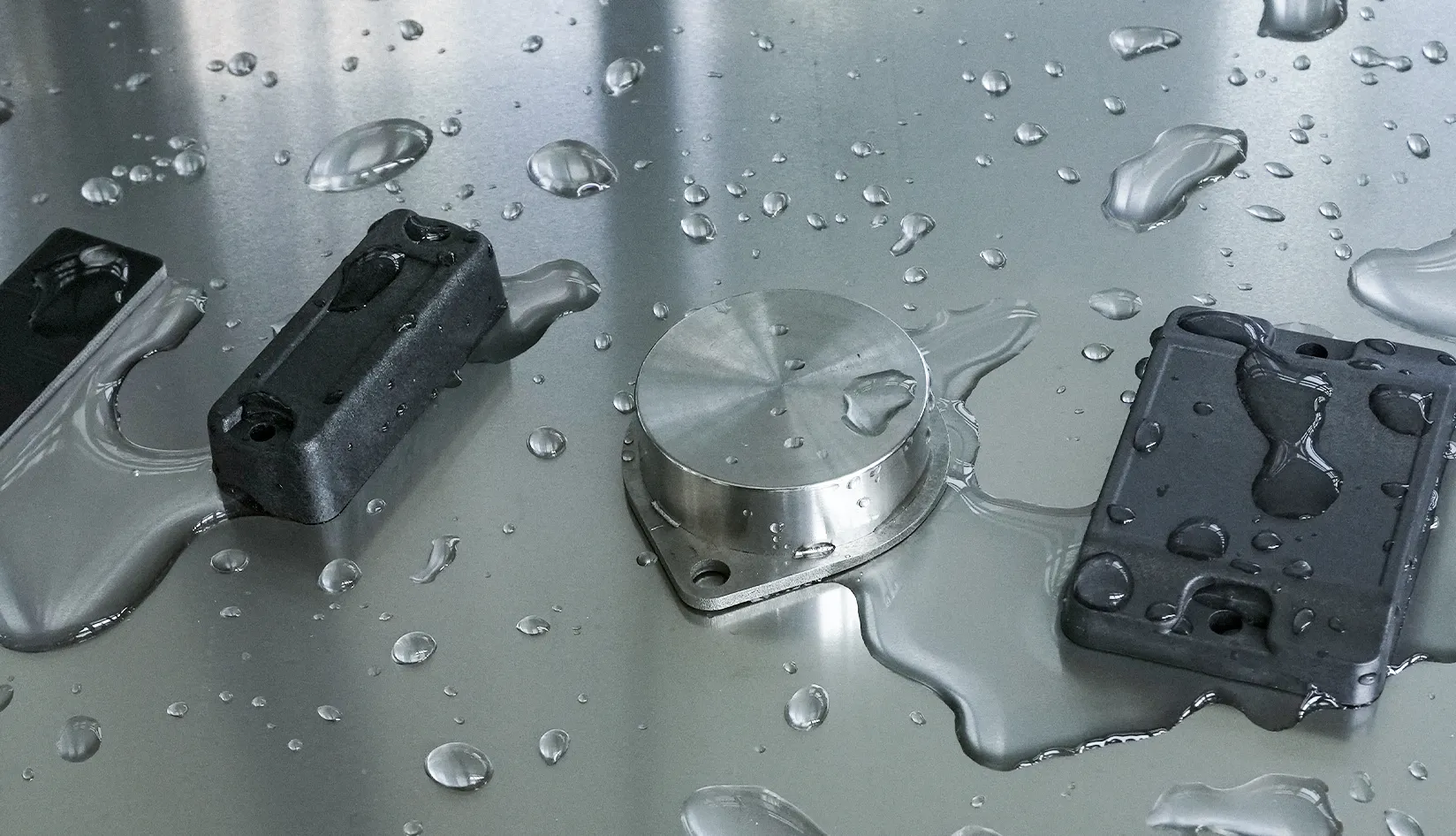
Typically constructed from high-strength materials like ABS and stainless steel, RFID cable tie tags are extremely resilient. They are waterproof and dustproof, capable of withstanding harsh environmental conditions. Even in wet, dusty, or chemically exposed settings, these tags maintain stable performance and offer long-term item tracking capabilities.
Strong Environmental Applicability:
RFID cable tie tags excel in both indoor and outdoor environments. They retain high performance in natural outdoor settings, making them ideal tracking tools across various industries, particularly in industrial, agricultural, and logistical applications.
Reusable Design:
Many RFID cable tie tags are designed for reuse, allowing users to employ them multiple times as needed. This feature significantly reduces the frequency of label replacements, ultimately lowering long-term costs. Additionally, many reusable RFID tags are made from eco-friendly materials, aligning with modern enterprises’ goals for environmental sustainability. By utilizing reusable tags, businesses can control costs while minimizing waste generation, which resonates with green initiatives.
5. How Will RFID Cable Tie Tags Develop in the Future?
RFID cable tie tags are poised for significant advancements in the future, particularly in the following areas:
Integration with Sensors:
In the coming years, RFID cable tie tags are expected to play a crucial role in smart technology by integrating with various sensors. For instance, RFID tags combined with temperature, humidity, or pressure sensors will enable real-time monitoring of environmental conditions, enhancing their application value in sectors such as agriculture and logistics.
IoT Integration:
As IoT technology continues to evolve, RFID cable tie tags will become increasingly integral to IoT systems. By integrating with IoT platforms, these tags will facilitate more precise asset tracking and remote monitoring, supporting smarter management practices and operational efficiencies.
Diverse Design Styles:
With the growing diversity in market demands, the design of RFID cable tie tags will also evolve to be more varied and personalized. Future iterations will cater to specific industry needs, introducing versions that are tailored for special environments, such as those that are high-temperature resistant, corrosion-resistant, or designed to be lighter and more versatile.
Enhanced Intelligence and Efficiency:
Continuous advancements in technology will lead to RFID cable tie tags becoming more intelligent, adaptable, and efficient. This evolution will further drive the digital transformation across various industries, empowering businesses with enhanced capabilities for tracking, managing, and safeguarding their assets.
FAQs
What is the Cost of RFID Cable Tie Tags?
The cost of RFID cable tie tags varies based on materials, features, and order quantities, typically ranging from $0.50 to $5 per tag. Ordering in bulk or choosing reusable tags often leads to cost savings over time. Despite the upfront investment, RFID cable tie tags are considered a worthwhile long-term asset due to their durability, effectiveness in asset tracking, and the potential savings they offer in inventory management.
Are RFID Cable Tie Tags Reusable?
Yes, certain RFID cable tie tags are designed to be reusable. The lifespan of these tags typically spans from 3 to 5 years, contingent on factors like usage and environmental conditions. Conversely, some tags are meant for single use only, particularly in industries where secure and disposable labeling is essential.
How Do RFID Cable Tie Tags Improve Inventory Management Efficiency?
RFID cable tie tags significantly enhance inventory management by automating asset tracking. They reduce the need for manual inventory checks, cutting down on human errors and speeding up stocktaking processes. Their ability to automatically update inventory statuses ensures that records are accurate, minimizing discrepancies and ultimately improving overall operational efficiency.




 EN
 ES
 JA