


RFID tag frequency refers to the specific radio wave frequency used for communication between an RFID tag and a reader. The three primary RFID frequency bands are Low Frequency (LF: 125–134 kHz), High Frequency (HF: 13.56 MHz), and Ultra-High Frequency (UHF: 860–960 MHz). Each frequency determines the system’s read range, data transfer speed, and environmental resistance.
In this article, we’ll break down the most common RFID frequencies, compare how they perform, and help you figure out which one best fits your business needs.

Common RFID Frequencies
RFID works across three main frequency bands: low frequency (LF), high frequency (HF), and ultra-high frequency (UHF). Here’s a breakdown of what each one does and where it’s used.
Comparison between LF, HF, and UHF RFID Tags
| Frequency Band | LF RFID Tag | HF RFID Tag | UHF RFID Tag |
| Frequency | 125KHz to 134KHz | 13.56MHz | 860-960MHz |
| Read Range | Up to 0.1m | Up to 1m | Up to 15m |
| Protocol | ISO 11784, 11785 | ISO/IEC 14443A, ISO/IEC 15693, NFC Forum Types | ISO/IEC 18000-6C, EPCglobal Gen2v2 |
| Advantages | More resistant to liquids and metals | Higher memory capabilities | Longest read range, faster read speed |
| Disadvantages | Short read range, slower read speed | Shorter read range than UHF RFID tags | Easy to be interference with by liquids and metals |
| Application | Animal tracking | Contactless payment, access control, and Library management | Inventory tracking, asset tracking, logistics. |
How to Choose the Right RFID Tag Frequency
Picking the right RFID tag frequency depends on a few key factors. Here’s what you’ll want to keep in mind:
Read Range
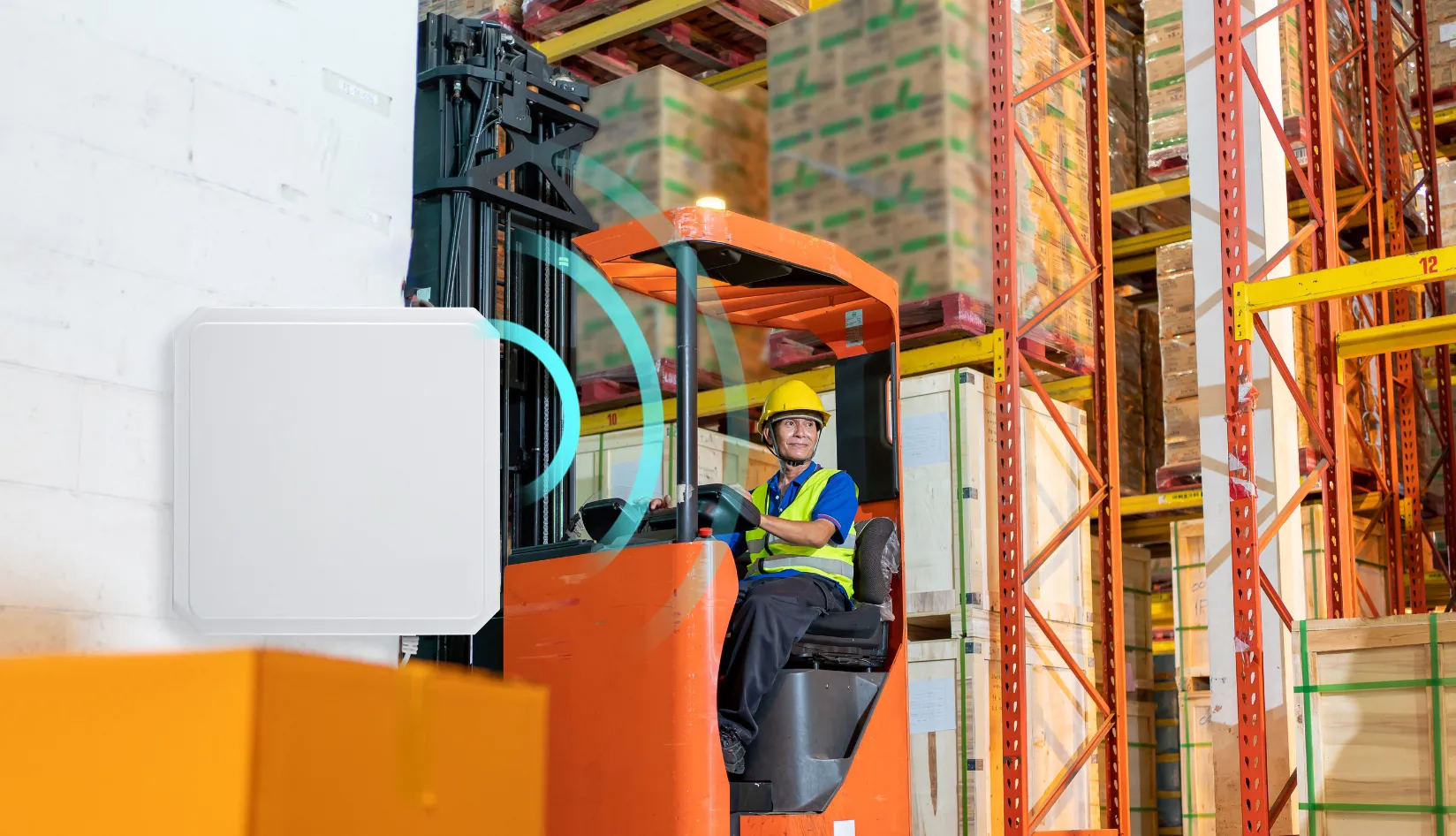
For applications involving warehouse tracking, asset management, and logistics that require a long-range RFID system, UHF frequency RFID tags are the optimal selection. Conversely, if a short-range solution is desired, such as for secure access control or contactless payments, HF RFID tags are the most suitable option.
Environmental Condition
When using RFID tags, it’s crucial to consider the environment they’ll be operating in. LF (Low Frequency) tags handle liquids and metals better, while UHF (Ultra High Frequency) tags are more prone to interference from those materials.
Tag Cost and System Budget
Unit tag costs vary significantly based on volume and form factor. Basic passive UHF inlay tags offer the lowest per-unit cost in high-volume deployments, making them ideal for inventory and supply chain tracking. Conversely, LF and HF tags often require specialized copper or etched coils, which can raise unit costs, though their reading hardware may be simpler to deploy in localized access control setups.
Important Note on Global UHF Frequencies:
While UHF RFID spans 860–960 MHz, local radio regulations dictate specific operating bands per region:
- FCC (North & South America): 902–928 MHz
- ETSI (Europe): 865–868 MHz
- APAC (Asia-Pacific): Varies by country (e.g., China 920–925 MHz, Japan 916–923 MHz)
Ensure your passive UHF tags and reader antennas are tuned to the specific frequency band required by your country’s regulatory standards.
Do All RFID Readers Support Multiple Frequencies?
No, most standard RFID readers are engineered to operate on a single frequency band (LF, HF, or UHF). Because antenna designs and RF circuits are optimized for specific wavelengths, single-frequency readers deliver the highest stability and reading performance.
While multi-frequency readers (such as dual LF/HF devices) are available on the market, they are specialized hardware solutions typically deployed in multi-legacy access control or complex hybrid tracking environments.
Conclusion
Picking the right RFID frequency can make a big difference in how efficiently your business runs. LF, HF, and UHF each have their strengths depending on what you’re using them for—LF works well for tracking animals, HF is great for access control and contactless payments, and UHF is ideal for logistics and inventory management.
Not sure which one’s right for you? Check out our full lineup of RFID solutions designed to fit your industry’s specific needs.
FAQs
Which industries typically use LF, HF, and UHF RFID tags?
RFID tags operating at different frequencies serve a variety of industries.
- Low Frequency (LF) tags are utilized for animal tracking.
- High Frequency (HF) tags are employed in access control and contactless payment systems.
- Ultra-High Frequency (UHF) tags are used in logistics and inventory management.
Can different RFID Tag frequencies interfere with each other?
Yeah, different RFID frequencies can mess with each other, but picking the right one for your setup helps keep that in check.
LF (125–134 kHz) and HF (13.56 MHz) don’t reach too far, but they’re pretty solid when it comes to avoiding interference. UHF (860–960 MHz), on the other hand, gives you long-range tracking—but it’s a bit touchy when it comes to stuff like metal or moisture in the environment.



 EN
 ES
 JA