
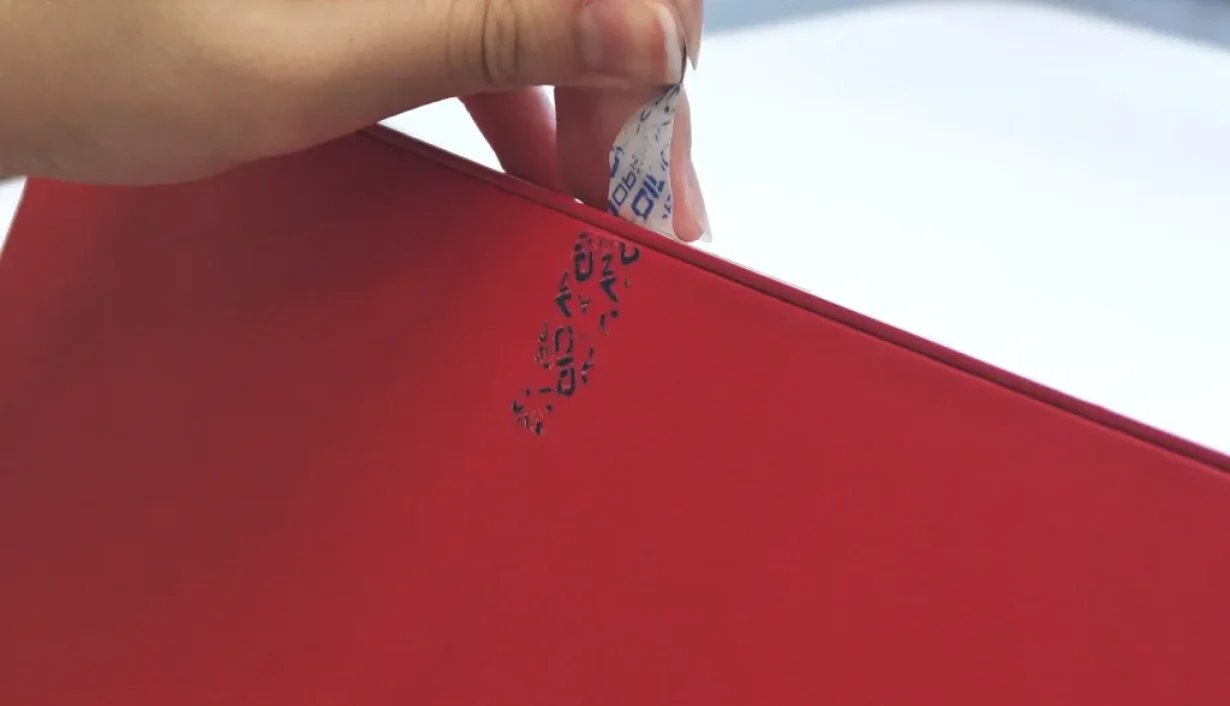

When an RFID tag is used for asset identification or tracking, preventing unauthorized removal can be just as important as capturing the tag’s ID. A tamper proof tag is designed to make unauthorized removal difficult or leave visible evidence when the tag is detached. However, not every application requires the same tag design. Indoor assets and outdoor metal equipment may each need a different approach. Choosing the right tag starts with considering the asset, mounting surface, operating environment, and whether the tag needs to be reusable or disposable.
1. What Is a Tamper Proof RFID Tag?
A tamper proof RFID tag combines RFID identification with a structure designed to discourage unauthorized removal, reuse, or replacement. Depending on the design, removing the tag may damage its structure, make it unusable, or leave evidence that it has been tampered with.
This is particularly useful when an RFID tag is not only used to identify an asset but also needs to maintain a reliable connection between the tag and the asset throughout its service life.
It is also important to distinguish between tamper proof and tamper evident:
| Term | What It Means |
| Tamper Proof | Designed to prevent or make unauthorized removal and reuse difficult |
| Tamper Evident | Designed to show visible evidence when the tag has been removed or tampered with |
In practice, RFID tag designs can use different physical mechanisms to achieve these goals. Therefore, buyers should evaluate how the tag behaves after removal instead of choosing a product based only on the term “tamper proof”.
2. How Do Tamper Proof RFID Tags Prevent Tampering?
A tamper proof RFID tag can use different physical designs to make unauthorized removal, replacement, or reuse more difficult. The right mechanism depends on how the tag is attached to the asset and what should happen if someone attempts to remove it.
2.1 Adhesive and Destructible Designs

Adhesive RFID tamper proof labels are commonly used on flat surfaces. The adhesive secures the label to the asset, while a tamper-resistant or destructible construction can make the label difficult to remove intact. Attempting to peel it off may damage the label or RFID inlay, making it difficult to transfer the tag to another asset.
2.2 Tamper-Evident Structures
Some RFID tags are designed to provide visible evidence after removal rather than physically preventing tampering. For example, the label may leave a visible mark, change appearance, or become damaged when removed. These designs are useful when the main requirement is to detect whether an asset has been tampered with.
3. Different Tamper Proof RFID Tags for Different Applications
The best tamper proof tag depends largely on where and how it will be attached. A low-profile adhesive label may be ideal for a general indoor asset, while a metal asset exposed to rain and dust may require a rugged on-metal design.
3.1 General Assets: RFID Tamper Proof Labels
For general-purpose asset tracking, an adhesive RFID tamper proof label is often the simplest option. It works well when the asset has a relatively smooth, non-metallic surface and does not require a heavy-duty tag housing.
- Typical applications include:
- Office and IT equipment
- Retail merchandise
- Indoor inventory
- General equipment and assets
The main advantage is straightforward installation. The label can be applied directly to the asset without additional mounting hardware, keeping the tag relatively thin and unobtrusive.
3.2 Outdoor or Metal Assets: On-Metal Tamper Proof UHF RFID Tags
Metal surfaces create a different RFID challenge. Conventional RFID tags may experience reduced performance when attached directly to metal because the metal can interfere with the tag’s RF characteristics.
For these applications, an on-metal tamper proof tag is a better choice because it is designed to operate on metal while also providing protection against unauthorized removal.
This type of tag is particularly suitable for:
- Outdoor equipment
- Metal containers
- Logistics assets
- High-value metal equipment
The key is that the application requires both RFID performance on metal and tamper protection. Using a standard RFID label in such an environment may solve neither requirement effectively.
3.3 Cables, Pipes, and Bundled Assets: RFID Cable Tie Tags
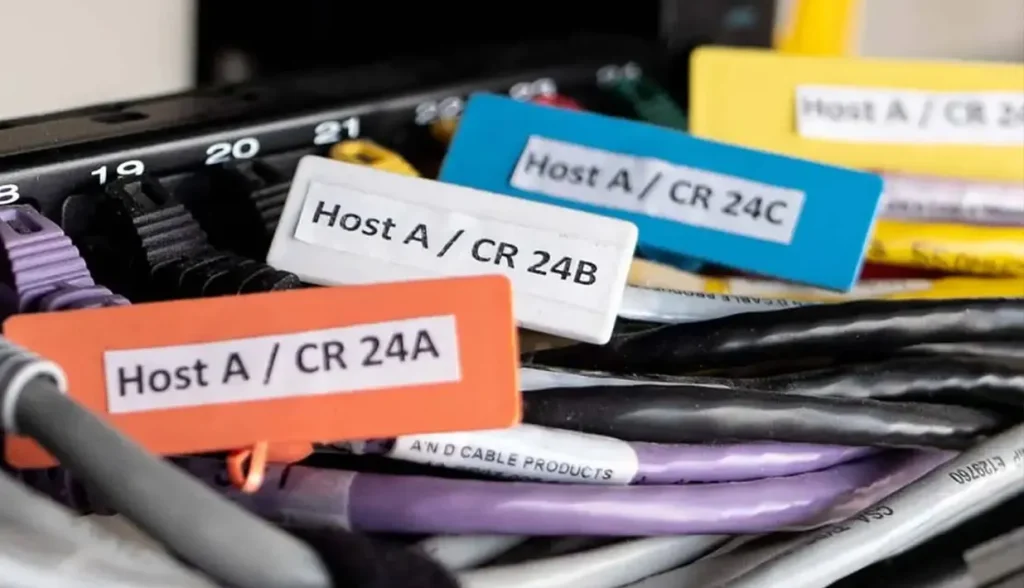
Cables, pipes, wire bundles, and other irregularly shaped objects are often better suited to a mechanically attached RFID tag. An RFID cable tie tag combines an RFID inlay with a cable tie, allowing the tag to be secured around the asset rather than applied to its surface.
For applications that also require tamper evidence, a disposable RFID cable tie tag can provide an additional advantage. Once installed, the tag must be cut or damaged to be removed, making unauthorized removal easier to detect. This can be useful for sealed components, cable assemblies, maintenance items, or other assets where the RFID tag is intended for one-time use.
Therefore, an RFID cable tie tag should not be considered a tamper proof solution simply because it uses a cable tie. Its primary advantage is secure mechanical attachment, while disposable designs can add tamper-evident functionality when removal requires cutting the tie.
4. How to Choose the Right Tamper Proof Tag

Instead of choosing a tag based only on its RFID chip or read range, consider the physical requirements of the application first.
4.1 Consider the Mounting Surface
The surface determines which tag designs are practical.
- Non-metal, flat surface: An adhesive tamper proof label is often sufficient.
- Metal surface: Choose an on-metal RFID tag designed for direct attachment to metal.
- Cable, pipe, or irregular object: A cable tie tag may provide a more secure attachment.
4.2 Decide Whether the Tag Should Be Permanent or Disposable
If the tag needs to remain attached throughout the asset’s service life, a permanent tamper-resistant design may be appropriate. If the tag should be destroyed or rendered unusable when removed, a disposable design can provide stronger tamper evidence. This distinction is particularly important for cable tie tags, which can be available in both reusable and disposable versions.
4.3 Evaluate the Required Tamper Protection
Not every application needs the same level of protection.
Consider:
- Does unauthorized removal need to be prevented?
- Should removal leave visible damage?
- Should the tag become unusable after removal?
- Does the tag need to prevent transfer to another asset?
Answering these questions will help determine whether a simple tamper-resistant label or a more rugged physical design is appropriate.
4.4 Check RFID Performance Requirements
Physical security is only one part of the selection process. The tag still needs to communicate reliably with the RFID reader.
Check the following before purchasing:
- RFID frequency and regional requirements
- RFID chip
- Expected read range
- Reader compatibility
- Mounting environment
- Required memory and encoding options
5. Tamper Proof RFID Tag Comparison
The following table provides a quick way to match the tag type with the application:
| Tag Type | Best For | Mounting Surface | Reusable | Main Advantage |
| RFID Tamper Proof Label | General indoor assets | Flat, non-metal surfaces | Usually no | Simple and cost-effective |
| On-Metal Tamper Proof RFID Tag | Outdoor and industrial assets | Metal | No | RFID performance on metal with tamper protection |
| RFID Cable Tie Tag | Cables, pipes, and bundled assets | Around the object | Depends on model | Secure physical attachment |
The right choice ultimately depends on the relationship between the tag and the asset. A standard adhesive label may be enough for a general indoor asset, while a metal asset outdoors may require a rugged on-metal design. For cables and other irregular objects, a cable tie provides a different and often more practical way to secure the RFID tag.
6. Conclusion
Choosing the right tamper proof tag is not simply about finding the strongest RFID tag. The better approach is to match the tag design to the asset, mounting surface, environment, and required level of tamper protection.
RFIDTag provides tamper-resistant RFID tags and tamper-evident cable tie tags to meet diverse asset tracking requirements. Contact us to discuss and find the most suitable RFID tag for your specific application.






 EN
 ES
 JA