


Does aluminum foil block RFID? The short answer is yes, aluminum foil can block most high-frequency (13.56 MHz) signals used in credit cards. However, it is not a foolproof solution due to durability issues and signal leakage. In this guide, we’ll show you our test results and why you might need a more professional shielding method.
Understanding RFID Signals and Security Risks
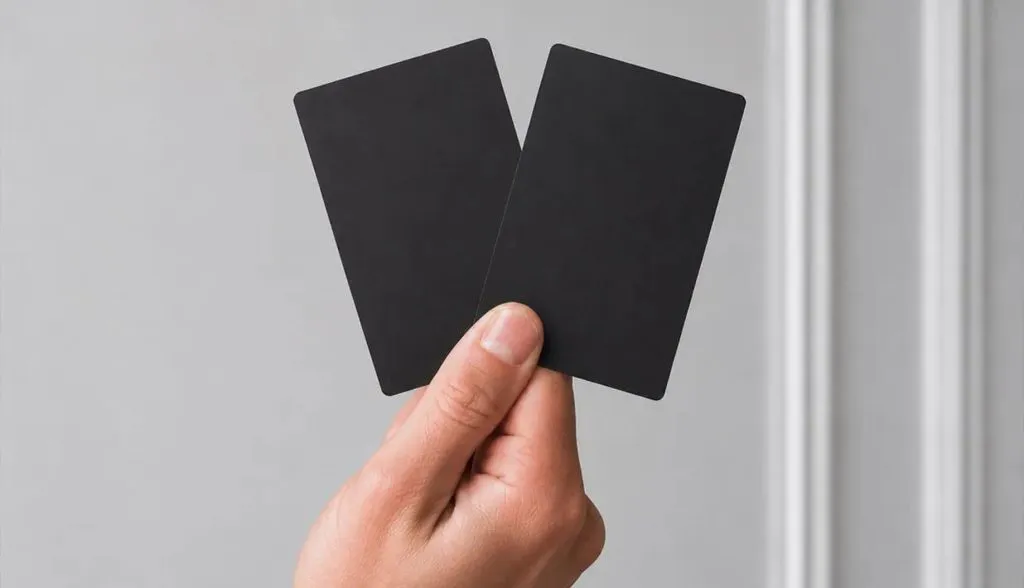
RFID (Radio Frequency Identification) technology relies on electromagnetic fields to transmit data between a reader and a card or tag. Most RFID cards operate at high frequency (HF) 13.56 MHz, while some systems use low frequency (LF) 125–134 kHz or ultra-high frequency (UHF) 860–960 MHz. Communication occurs wirelessly, allowing contactless interaction without physical connections, which is highly convenient for access control, payment, and transportation.
However, this convenience comes with potential security risks. Unauthorized scanning can capture card information without the owner’s knowledge, leading to contactless data breaches. Common threats include:
- Skimming: Attackers read card data remotely using portable RFID readers.
- Cloning: Stolen data can be duplicated onto another card, granting fraudulent access.
- Tracking: Repeated scanning of cards can reveal movement patterns, raising privacy concerns.
Understanding these RFID security risks is critical for anyone using contactless cards, highlighting the importance of protective measures and safe storage solutions.
Does Aluminum Foil Block RFID Signals?
Aluminum foil is often cited as a simple DIY solution to protect RFID cards from unauthorized scanning. Its protective effect comes from basic physical shielding principles: aluminum is a conductive material that can reflect and absorb electromagnetic waves, creating a barrier that interferes with the RFID signal between a reader and a card.
However, the effectiveness of aluminum foil depends heavily on the RFID frequency. While aluminum foil is a conductive material, its effectiveness is not universal across all RFID applications. To understand does aluminum foil block RFID, we must look at the specific frequency your card uses:
- High Frequency (13.56 MHz): Used by most contactless credit cards, passports, and NFC devices. Aluminum foil is generally effective at this range because the electromagnetic waves are easily reflected by a thin conductive layer.
- Low Frequency (125–134 kHz): Common in older ID badges and building access cards. Aluminum foil is much less effective here; the longer wavelengths can often penetrate thin foil, requiring multiple thick layers to achieve noticeable attenuation.
- Ultra-High Frequency (860–960 MHz): Used for long-range tracking (like toll tags or warehouse inventory). Aluminum foil provides inconsistent protection at these frequencies as the signals are designed to be more robust and penetrate obstacles.
There are also practical limitations when using aluminum foil:
- Thickness and coverage: A single thin layer may not fully block signals; gaps reduce effectiveness.
- Proper wrapping: Cards must be fully enclosed to prevent signal leakage.
- Durability concerns: Frequent folding or bending can damage both the foil and the card.
In short, while aluminum foil can serve as a temporary or emergency RFID shielding solution, it is not the most reliable long-term method for consistent protection.
Other Effective RFID Shielding Solutions
While aluminum foil can offer temporary protection, there are more reliable solutions designed specifically to safeguard your RFID cards.
- Professional RFID Blocking Wallets and Card Sleeves
These products use built-in metallic or conductive layers to block RFID signals, preventing unauthorized scanning. Unlike DIY foil, they are durable, reusable, and designed for daily use, making them ideal for personal card protection. - Metal Boxes and Secure Storage Cabinets
For multiple cards or corporate environments, metal storage boxes or cabinets provide a complete signal barrier. These solutions are especially useful for offices, hotels, or institutions that handle large numbers of access or payment cards. - Material and Design Impact
The effectiveness of RFID shielding depends on both the material and construction. High-quality conductive metals, precise fit, and full coverage are critical. Gaps or weak points in design can allow signals to leak, reducing protection. Some products also combine shielding with organizational features, like compartments and labels, improving both security and efficiency.
By choosing professional RFID protective products, users can achieve consistent and reliable shielding far beyond what temporary solutions like aluminum foil can provide.
Practical Protection Tips for Individuals and Businesses

Protecting RFID cards requires different approaches for personal users and enterprises, combined with good habits and regular maintenance.
For Individuals
Personal users should prioritize portable and convenient protection. Effective methods include:
- Using RFID blocking wallets or card sleeves to prevent unauthorized scanning on the go.
- Keeping cards away from moisture, extreme heat, and physical damage.
- Organizing cards to minimize accidental exposure when carrying multiple items.
- Staying vigilant about unusual transactions or alerts from contactless payment systems.
For Enterprises and Institutions
Businesses face larger-scale risks and require systematic protection:
- Secure card storage using metal cabinets or signal-blocking boxes for batches of cards.
- Implementing access control policies and tiered permissions to reduce the impact of lost or stolen cards.
- Regularly auditing and replacing RFID cards, especially after employee turnover or expired credentials.
- Training staff to follow safe handling procedures to minimize accidental exposure.
General Best Practices
- Check cards periodically for wear, damage, or loss of signal integrity.
- Adopt a habit of limiting unnecessary card exposure in public spaces.
- Combine physical shielding, organizational systems, and awareness to maintain consistent security.
By following these strategies, both individuals and enterprises can significantly reduce RFID-related risks, ensuring data protection and card longevity.
Common Misconceptions and FAQ About RFID Protection
When it comes to RFID security, there are several myths and misunderstandings that can lead users to rely on ineffective solutions. Understanding the facts helps ensure proper protection.
Can Aluminum Foil Permanently Block All RFID Signals?
No. Aluminum foil can partially block signals, but its effectiveness depends on thickness, coverage, and RFID frequency. It is not a permanent or foolproof solution, especially for long-term protection.
Will Using Aluminum Foil Damage Your Card?
Frequent folding, bending, or compressing a card inside foil can physically damage the card or reduce its lifespan. Using purpose-built RFID sleeves or wallets avoids these risks while providing reliable shielding.
Cost vs. Practicality of Shielding Solutions
DIY solutions like foil are cheap but inconsistent and fragile. Professional RFID blocking wallets, sleeves, or metal storage boxes may have higher upfront costs, but they offer durable, reusable, and effective protection. For enterprises, investing in systematic card management and shielding solutions ensures long-term security and efficiency.
By clarifying these misconceptions, users can make informed decisions, combining practical shielding methods, safe handling, and awareness to maintain RFID security.
Conclusion
When choosing an RFID protection strategy, consider your specific needs: individual users may prioritize portability and convenience, while enterprises should focus on batch management, access control, and long-term security solutions. Regardless of the method, maintaining safe handling habits and periodically checking your cards is essential.
By combining practical shielding solutions with good security practices, you can effectively protect your cards from unauthorized scanning and potential data breaches.





 EN
 ES
 JA