


In today’s digital and automated world, RFID (Radio Frequency Identification) technology is a key player across various industries. It’s an automatic identification tech that uses radio waves to transmit data between objects and readers, and it’s widely found in logistics, retail, healthcare, transportation, and more. By embedding microchips into tags and using a reader-writer system, RFID not only allows for real-time tracking of items but also boosts the speed and accuracy of data collection.
In an RFID system, the RFID reader is one of the essential components, communicating with RFID tags by sending and receiving signals. There are two main types of RFID readers: fixed RFID readers and handheld RFID readers. Fixed RFID readers are typically used for large-scale, long-term applications, enabling continuous monitoring of items or personnel. In contrast, handheld RFID readers are more flexible and are ideal for situations that require mobility and temporary scanning.
However, when it comes to different application needs, picking the right type of RFID reader is super important. Both fixed and handheld devices have their pros and cons; choosing the right one for your needs will directly impact the system’s efficiency and costs.
Introduction to Fixed and Handheld RFID Readers
Overview of Fixed RFID Readers
Definition and Working Principle
A fixed RFID reader is a device typically installed in a stationary location that exchanges data with RFID tags via radio waves. These types of readers are primarily used for long-term monitoring of items, assets, or personnel, and are widely applied in warehousing management, access control, asset tracking, and other contexts. The working principle involves the reader emitting radio frequency signals through an antenna, which RFID tags receive when they enter the signal range, sending back the stored information to the reader to complete data transfer and recording.
Fixed RFID readers are generally suitable for environments that require efficient, continuous monitoring, such as large warehouses, logistics centers, and entry-exit points, enabling automatic identification and data collection without human intervention.
Pros and Cons
Pros:
- Efficient and Stable: Fixed RFID readers can operate continuously and reliably for long periods, ideal for high-scale and high-frequency usage scenarios.
- Designed for Long-Term Use: Their fixed installation makes them suitable for environments needing ongoing, long-term monitoring without frequent position adjustments.
- No Frequent Movement Required: Stationary devices avoid the need for operators to frequently move them, reducing operational and maintenance complexities.
Cons:
- Lacks Flexibility: Fixed RFID readers are generally confined to specific monitoring areas and lack the flexibility of handheld devices, making them unsuitable for frequently changing scenarios.
- High Installation Costs: Fixed devices require installation, configuration, and maintenance, potentially leading to higher initial investments.
- Inability to Handle Dynamic Scenes: For applications that require frequent position changes or irregular checks, the limitations of fixed devices become apparent.
Overview of Handheld RFID Readers
Definition and Working Principle
A handheld RFID reader is a portable device that is easy for operators to carry around, commonly used for reading data stored on tags. These readers utilize built-in radio frequency identification technology and antennas to exchange data with RFID tags, and are widely used in inventory management, field inspections, logistics, and delivery. Since these devices are compact and easy to transport, operators can flexibly scan and input data at different locations or under various circumstances as needed.
The working principle of handheld RFID readers is similar to that of fixed ones, with the key difference being their enhanced flexibility and portability. Operators scan tags using the handheld device, which receives the signals from the tags and processes the information received.
Pros and Cons
Pros:
- High Flexibility: Handheld devices are suitable for various on-site operations, capable of easily reading RFID tags in different environments, making them particularly ideal for dynamic or temporary tasks.
- Convenient for On-Site Use: Their portability allows operators to easily work in complex or tight spaces, such as warehouse shelves or during transport.
- Adapts to Changing Environments: Whether in warehouses, factories, or logistics centers, handheld devices can quickly adjust to different operational scenarios.
Cons:
- Short Battery Life: Due to the need for frequent movement and operation, the battery life of these devices is limited, necessitating frequent charging during extended use.
- Operators May Require Training: Although handheld RFID readers are user-friendly, inexperienced staff still need some training to ensure accurate and efficient use.
- Inability to Work Steadily for Long Periods: Compared to fixed devices, handheld ones have lower stability, and prolonged, intensive use may affect their performance and accuracy.

Fixed vs. Handheld RFID Readers Comparison
When choosing RFID readers, understanding the distinctions between fixed and handheld devices is essential for optimizing their application context. Here’s a comparative analysis of the two types regarding key performance metrics and suitable scenarios.
Performance Comparison
Reading Range:
Fixed RFID readers generally come equipped with more powerful antennas, enabling them to cover a larger reading range, making them ideal for scenarios that require long-distance scans or large-scale monitoring.
In contrast, handheld RFID readers are designed for short-range reading, requiring operators to be in close proximity to the target tags for scanning, which suits localized or individual item reads.
Speed and Efficiency:
Fixed RFID readers can read multiple RFID tags simultaneously, making them suitable for efficient, bulk data collection tasks like logistics sorting and inventory checks in warehouses.
Though handheld RFID readers can read fewer tags at a time, their portability allows them to flexibly meet varying reading requirements, especially in situations where manual intervention is necessary, giving them a competitive edge.
Cost:
The installation and deployment costs for fixed RFID readers are usually higher, accounting for equipment purchases, antenna setups, and system integration fees, which positions them for long-term, stable application scenarios.
On the flip side, handheld RFID readers feature lower initial costs and are easier to set up, making them attractive for users with budget constraints or those in need of greater flexibility.
Applicable Scenarios Comparison
Scenarios Suited for Fixed Devices:
- Large-Scale Warehouse Management: Ideal for storage centers, logistics sorting stations, and other environments needing real-time inventory flow monitoring.
- Asset Management: Used for automated tracking of fixed assets in businesses, hospitals, and government agencies, significantly reducing the time costs associated with manual inventory checks.
- Fixed Area Monitoring: Such as parking lot entrances and access control systems, capable of automatically identifying vehicles or individuals entering or exiting.
Scenarios Suited for Handheld Devices:
- Small Inventory Management: Suitable for retail stores, small warehouses, and labs that require manual inventory counts.
- On-Site Operations: Ideal for inspections, maintenance, and equipment repairs, allowing operators to read RFID tags anytime and anywhere.
- Delivery and Transport Management: In the logistics sector, handheld devices are convenient for drivers and warehouse staff to quickly scan item information during transport and delivery.
Key Factors in Choosing the Right RFID Reader
When selecting an RFID reader, businesses and users should take into account multiple factors to ensure that the chosen device meets their actual needs and delivers the best cost-performance ratio. Here are several key factors to focus on when selecting either fixed or handheld RFID readers.
Application Requirements
Different application scenarios dictate the choice of RFID reader:
Fixed RFID readers are ideal for environments requiring long-term stable operation, such as warehouse management, access control, and production line automation.
In contrast, handheld RFID readers are more suited for applications needing flexibility and mobility, like on-site asset inventory, logistics delivery, and retail inventory management.
It’s crucial to clarify your business needs during selection, such as whether you need long-range automatic ID or precise scanning that requires human intervention.
Budget Considerations
Fixed RFID readers typically come with a higher initial investment, factoring in equipment purchases, installation, system integration, and maintenance costs. While they can improve efficiency in the long run, the upfront costs can be significant.
Handheld RFID readers, on the other hand, are usually priced lower and require no additional installation costs, making them more fitting for limited budgets or short-term projects.
When making decisions, businesses should balance the costs of the equipment against the anticipated benefits, ensuring the return on investment (ROI) aligns with their business objectives.
Operating Environment
Different working environments impose various requirements on RFID devices, including:
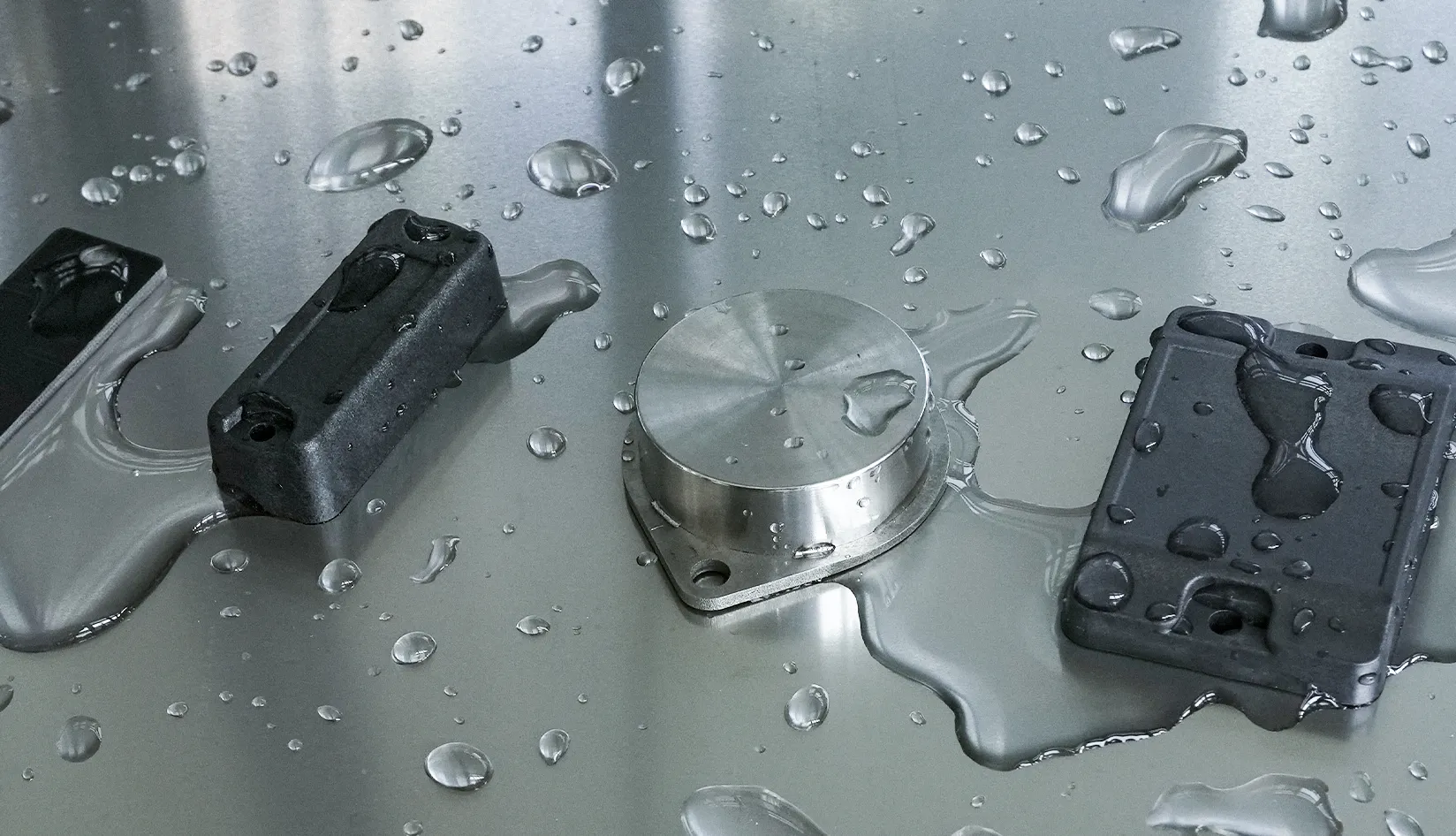
Environmental Factors: If devices are to operate outdoors, or in hot, humid, or dusty conditions, fixed RFID readers must have protections against water, dust, and high temperatures, while handheld devices should also have rugged designs.
Signal Interference: Metals or dense electronic equipment can disrupt RFID signals, so selecting devices with appropriate frequency bands and strong anti-interference capabilities is vital.
It’s essential to ensure that RFID devices can withstand specific environmental conditions to guarantee stable long-term operation.
Maintenance and Support
Maintenance costs for the equipment include software updates, hardware repairs, and system optimizations. While fixed RFID readers can be stable over time, they typically require professional technical teams for support, whereas maintenance for handheld devices is generally simpler.
Technical support is also critical; when choosing a supplier, pay attention to factors like customer service, training offerings, and spare parts availability to ensure swift responses and solutions in case of equipment failures.

Conclusion
Fixed and handheld RFID readers come with distinct advantages that make them suitable for various application scenarios. Fixed devices are ideal for monitoring stable automation over the long term, such as in warehouse management, production line tracking, and access control. They excel at efficient bulk reading but come with higher installation costs and reduced flexibility. Conversely, handheld devices shine in applications like inventory counts, on-site inspections, and logistics deliveries. They are more flexible and cost-effective, but they face limitations in battery life and depend on manual operation.
If a business’s goal is efficient, long-term, large-scale data collection, fixed RFID readers are the superior choice. However, for those requiring portability and adaptability to changing environments, handheld RFID readers offer better value.
Key factors influencing the decision include budget, operating environment, and specific business needs.
Looking ahead, RFID technology is set to become even smarter, combining with AI, the Internet of Things (IoT), and 5G for more efficient data management and automated operations.
Regardless of the device chosen, leveraging RFID readers effectively will boost operational efficiency, speed up digital transformation, and deliver a competitive advantage.
FAQs
How RFID Readers Integrate with Databases?
RFID readers usually pair with databases using middleware or APIs. Once the reader grabs the RFID tag info, it sends the data to a server or cloud database. The system then stores, analyzes, and updates that data based on preset rules. Companies can manage this data through SQL databases, ERP systems, or IoT platforms for things like real-time tracking, inventory oversight, or asset monitoring.
How Does Frequency Affect Reading Performance of RFID Readers?
RFID readers’ frequency plays a major role in determining their reading range, data transfer speed, and the situations they are best suited for. Low frequency (LF) at 100-150 kHz easily penetrates materials, making it perfect for short-range uses like animal tracking or access control. High frequency (HF) at 13.56 MHz works well for mid-range applications like libraries and payment systems. Ultra-high frequency (UHF), spanning from 860 to 960 MHz, offers a long reading distance, making it great for logistics, warehousing, and retail. However, metal and water can disrupt UHF signals, so choosing the right frequency is key to optimizing performance.
Can RFID Readers Work with Other Auto-ID Tech?
Absolutely! You can integrate RFID readers with barcodes, QR codes, GPS, Bluetooth (BLE), Wi-Fi, and biometric methods like fingerprints and facial recognition to boost data collection accuracy and reliability. For example, in retail, RFID can complement barcodes for managing inventory, while in logistics, RFID can team up with GPS for real-time tracking and positioning of goods. Using a mix of these technologies can increase the variety of data collected and smarten up the whole system.
Recommended products

UHF RFID Handheld Reader AZ-R2
The UHF RFID handheld reader AZ-R2 combines high-speed UHF RFID tag reading, barcode scanning, and Bluetooth connectivity. Designed for efficient asset tracking, inventory management, and inspection tasks, this handheld reader offers excellent accuracy and portability.


 EN
EN  ES
ES  JA
JA