
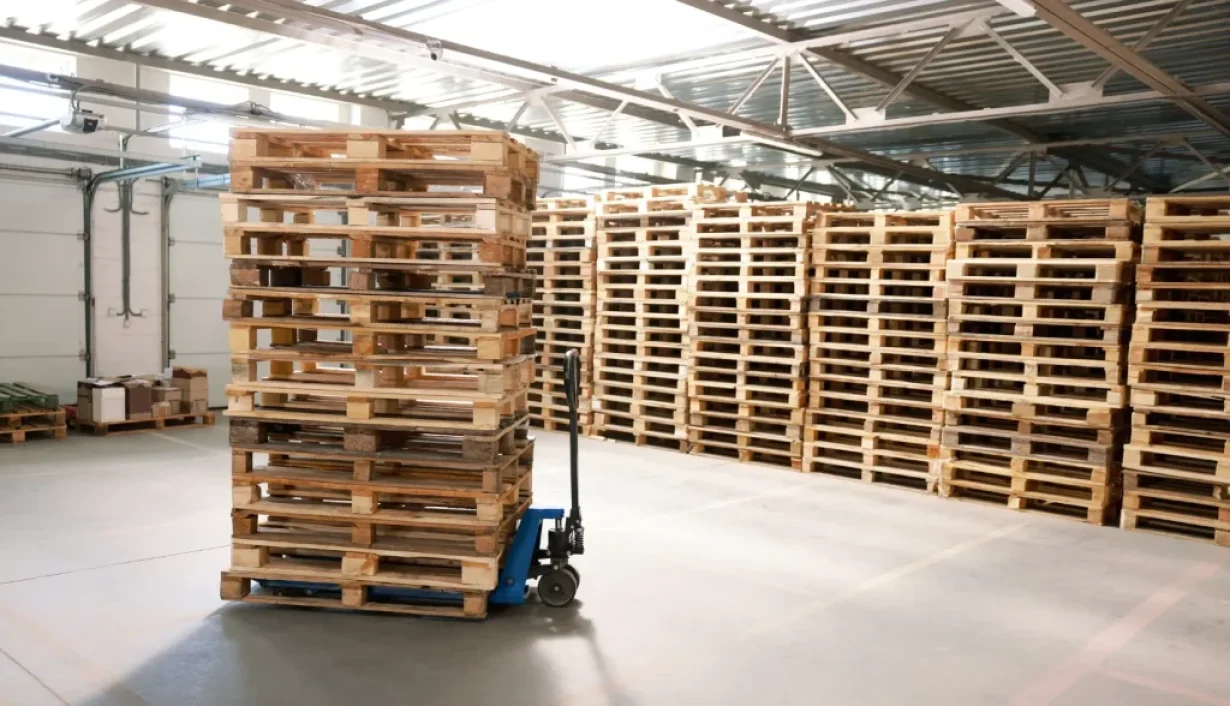

In modern warehousing and logistics, maintaining complete pallet visibility is critical for operational success. Without accurate tracking, businesses face lost inventory, delayed shipments, and rising labor costs. Enter RFID pallet tracking, an efficient and automated alternative to manual barcode scanning. By leveraging radio frequency identification, companies can monitor assets in real time without line-of-sight limitations.
This article explores how RFID pallet tracking works, its core benefits, common implementation challenges, and the best practices you need to optimize your supply chain operations.
1. What Is RFID Pallet Tracking?
At its core, RFID pallet tracking is the process of using RFID technology to monitor, locate, and manage pallets as they move through the supply chain. Unlike traditional methods that require manual intervention, this technology automates data collection, providing seamless visibility into inventory movements.

A comprehensive RFID pallet tracking system consists of several key components working in harmony:
- RFID Tags: These are small devices attached to the pallets, containing a microchip and an antenna. They store unique identification data for each specific pallet.
- RFID Readers: These devices emit radio waves to communicate with the tags, capturing the stored data when the pallets pass within range.
- RFID Antennas: Connected to the readers, antennas broadcast the signal and receive the response from the tags, determining the coverage area and read range.
- RFID Software and Integration: The captured data is transmitted to specialized software, which is typically integrated with a Warehouse Management System (WMS) or Enterprise Resource Planning (ERP) system to process and display the information.
While general asset tracking might focus on individual high-value items or equipment, pallet tracking specifically targets the bulk movement of goods. Pallets act as the foundational unit of transport in logistics. Tracking them ensures that large quantities of products are accounted for simultaneously, streamlining bulk inventory management rather than focusing on single-item granularity.
2. How RFID Pallet Tracking Works
Implementing an effective tracking system involves a structured workflow that transforms physical movements into actionable digital data. Here is a step-by-step breakdown of how the process unfolds.
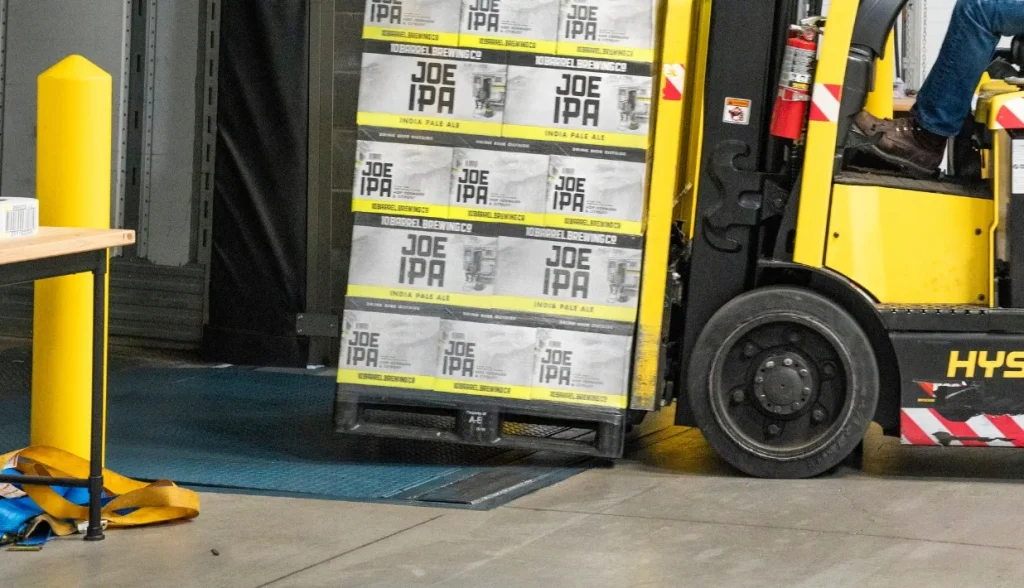
Step 1: Attach RFID Tags to Pallets
The foundation of the system begins with tagging. Depending on the operational requirements, businesses can choose between passive and active RFID tags.
Passive tags are cost-effective, do not require a battery, and draw power from the reader’s signal, making them ideal for standard warehouse environments.
Active tags, on the other hand, have their own power source, offering much longer read ranges and continuous broadcasting, which is useful for expansive outdoor yards. Choosing the right tag also depends heavily on the pallet material (wood, plastic, or metal) and the environmental conditions it will face.
Step 2: Install RFID Readers
Once the pallets are tagged, RFID readers must be strategically installed at critical choke points or transition zones. Common installation areas include dock doors, conveyor belts, wrapping stations, and warehouse entry or exit points. As tagged pallets pass through these zones, the readers automatically scan them without requiring any human intervention or direct line of sight.
Step 3: Capture and Transmit Data
When a pallet enters the read zone, the system performs automatic identification. The reader captures the unique ID from the tag and transmits this data to the central database. This process provides real-time location updates, allowing warehouse managers to know exactly when a pallet was received, moved, or shipped. Consequently, this ensures continuous inventory synchronization, keeping stock levels perfectly aligned with physical reality.
Step 4: Monitor Through Management Software
The final step involves processing the data through management software. Users can access a centralized dashboard that displays the real-time status of all pallets. The software can generate automated alerts if a pallet is loaded onto the wrong truck or moved to an incorrect zone. Furthermore, it maintains comprehensive historical movement records, enabling detailed reporting and analytics to identify bottlenecks and optimize workflows.
3. Benefits of RFID Pallet Tracking

Transitioning to an automated tracking system offers transformative advantages for supply chain operations. Here are the primary benefits organizations can expect.
- Improve Inventory Accuracy: By eliminating manual data entry and scanning errors, businesses can achieve near-perfect inventory accuracy. The automated nature of the technology ensures that every pallet is accounted for, drastically reducing discrepancies between the system and the warehouse floor.
- Increase Warehouse Efficiency: Manual barcode scanning requires workers to locate the barcode, align the scanner, and pull the trigger for every single pallet. RFID eliminates this labor-intensive process, allowing entire truckloads of pallets to be scanned simultaneously in seconds, freeing up staff for more value-added tasks.
- Enable Real-Time Inventory Visibility: Supply chain agility relies on accurate data. Managers gain instant visibility into stock levels and pallet movements, allowing them to respond swiftly to demand changes and operational disruptions.
- Accelerate Shipping and Receiving: Dock doors equipped with readers can automatically verify inbound and outbound shipments. This accelerates the loading and unloading process, reduces truck dwell times, and ensures that the right products are shipped to the right destinations.
- Support Data-Driven Decision Making: The wealth of historical data generated by the system allows organizations to analyze traffic patterns, optimize warehouse layouts, and make informed, data-driven decisions to enhance overall productivity.
4. Challenges of RFID Pallet Tracking
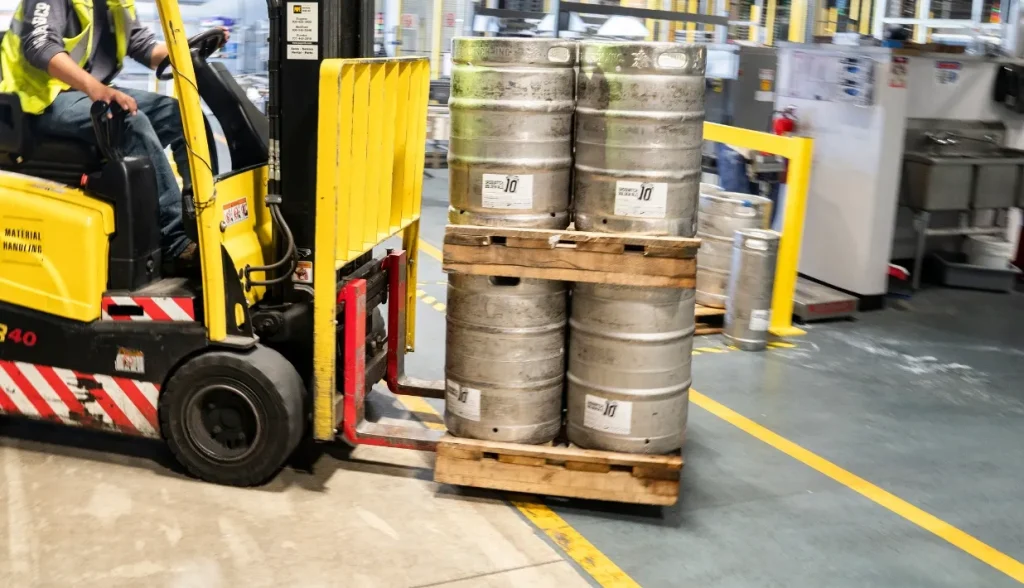
While the benefits are substantial, implementing a system is not without its hurdles. Understanding these challenges is crucial for a successful deployment.
- Signal Interference: Radio waves can be disrupted by various environmental factors, leading to missed reads or phantom data.
- Metal and Liquid Environments: Metal surfaces reflect radio waves, while liquids absorb them. Tracking pallets loaded with metal parts or liquid containers requires specialized tags and careful system tuning to ensure reliable performance.
- Initial Investment Costs: Deploying a comprehensive system requires a significant upfront investment in hardware, software, and integration services, which can be a barrier for smaller operations.
- System Integration: Seamlessly connecting the new tracking data with legacy WMS or ERP systems can be technically complex and time-consuming.
- Reader Placement Optimization: Finding the perfect locations and angles for antennas to maximize read rates without causing cross-reads between adjacent dock doors requires expertise and extensive testing.
- Employee Training: Transitioning from manual processes to automated systems requires a cultural shift. Employees must be adequately trained to understand the new workflows and trust the technology.
5. Best Practices for Successful RFID Pallet Tracking

To maximize the return on investment and ensure a smooth implementation, organizations should adhere to several proven best practices.
- Select the Right RFID Tags: Do not compromise on tag quality. Choose tags specifically designed for your pallet material and the environmental conditions they will endure.
- Conduct a Site Survey Before Deployment: A thorough site survey is essential to identify potential sources of interference and determine the optimal placement for hardware.
- Optimize Reader and Antenna Placement: Work with experts to fine-tune antenna angles and power levels, ensuring maximum read accuracy while minimizing unwanted stray reads.
- Integrate RFID with Existing WMS or ERP Systems: Ensure that the tracking software communicates seamlessly with your core business systems to create a single source of truth for inventory data.
- Regularly Test and Maintain the System: Hardware can get bumped, and environments change. Conduct regular maintenance checks and performance testing to keep the system running at peak efficiency.
- Train Employees on RFID Workflows: Invest time in comprehensive training programs. When employees understand how the system works and how it benefits them, adoption rates soar.
- Monitor System Performance and Optimize Continuously: Use the analytics provided by the software to continuously identify areas for improvement and refine your operational processes.
6. RFID vs. Barcode for Pallet Tracking
When evaluating tracking technologies, it is helpful to compare the automated approach with traditional barcode systems.
| Feature | RFID | Barcode |
| Reading Method | Automatic | Manual |
| Line of Sight | Not Required | Required |
| Read Range | Long (up to 50+ feet) | Short (typically a few feet) |
| Multiple Tag Reading | Yes (hundreds per second) | No (one at a time) |
| Data Storage | Larger capacity | Limited to the printed code |
| Labor Requirement | Low | High |
| Inventory Accuracy | Higher | Lower |
RFID is the superior choice when your operations involve high volumes of pallets, require rapid processing times, or suffer from high labor costs associated with manual scanning. It is also ideal for environments where line-of-sight scanning is difficult or where real-time, continuous visibility is a strict operational requirement.
7. How to Choose RFID Tags for Pallet Tracking
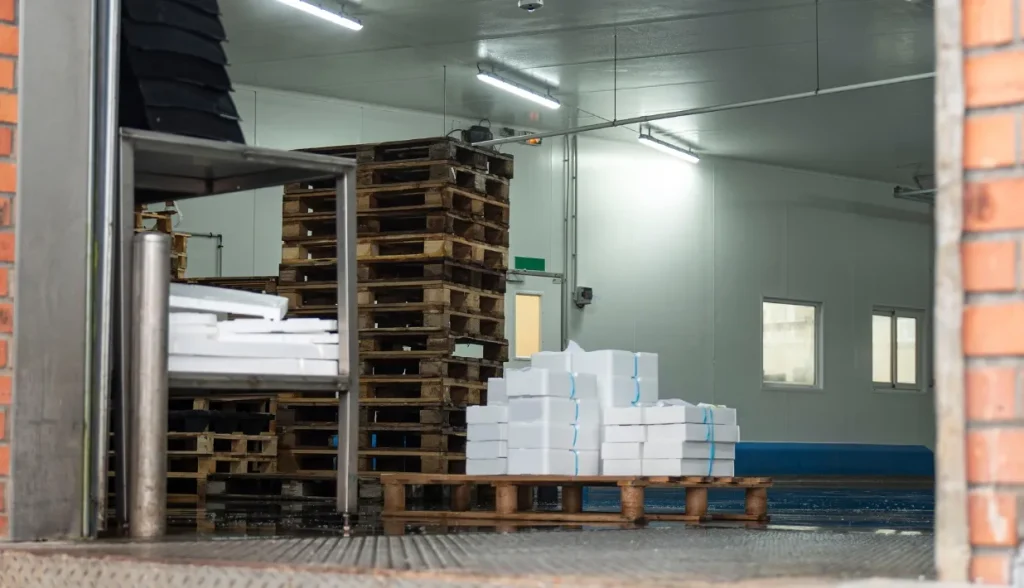
Selecting the appropriate tag is arguably the most critical decision in setting up your system. Consider the following factors to ensure optimal performance:
- Pallet Material: Wood, plastic, and metal pallets interact differently with radio waves. Ensure the tag is optimized for the specific substrate it will be attached to.
- Indoor vs. Outdoor Use: Tags used outdoors must be UV-resistant and capable of withstanding rain, snow, and extreme weather conditions.
- Read Range Requirements: Determine how far away the readers will be from the pallets. This will dictate the required antenna size and chip sensitivity of the tag.
- Temperature and Humidity: For cold chain or high-heat manufacturing environments, select tags rated for those specific temperature extremes.
- On-Metal Requirements: If tracking metal pallets or pallets carrying heavy metal loads, you must use specialized on-metal tags designed to mitigate signal reflection.
- Durability and IP Rating: Consider the physical abuse the pallet will take. Choose tags with a high Ingress Protection (IP) rating to ensure they survive impacts, washing, and harsh handling.
8. Conclusion
Implementing RFID pallet tracking is a game-changer for modern supply chains, offering unparalleled improvements in inventory accuracy, operational efficiency, and real-time visibility. While challenges like signal interference and initial costs exist, following best practices ensures a successful deployment that far outweighs the drawbacks.
Ready to upgrade your warehouse operations? Explore RFIDTag‘s durable UHF RFID tags and custom pallet tracking solutions today to build a smarter, more efficient logistics network.






 EN
 ES
 JA