


Traditional License Plate Recognition (LPR) systems have long been the cornerstone for vehicle identification in various settings. However, their widespread reliance has exposed significant limitations, particularly in real-world operational environments where recognition failures are common. This blog post introduces RFID for cars as a superior and more reliable identification method, poised to replace LPR in many applications.
1. How LPR Works in Practice
LPR technology operates by capturing images of vehicle license plates, processing these images through Optical Character Recognition (OCR) software, and then matching the extracted alphanumeric data against a database. This process is heavily dependent on several environmental and physical factors, making it susceptible to errors.

Common Failure Scenarios
- Night Glare and Low Light: Poor lighting conditions significantly hinder image clarity, leading to inaccurate OCR readings.
- Rain, Fog, and Harsh Weather: Adverse weather conditions such as heavy rain, dense fog, or snow can obscure license plates or interfere with camera visibility, drastically reducing recognition accuracy.
- Dirty, Reflective, or Damaged Plates: Plates that are dirty, excessively reflective, or physically damaged present challenges for image capture and OCR processing, often resulting in misidentification or complete failure to recognize.
- High Vehicle Speed: LPR systems struggle to accurately capture and process license plates on vehicles moving at high speeds, as motion blur can distort the image.
2. What RFID for Cars Is and How It Works
RFID for cars utilizes Radio-Frequency Identification technology, typically mounted on the license plate or windshield. Fixed RFID readers, strategically placed at access points, automatically identify vehicles by wirelessly communicating with these tags. Unlike LPR, RFID systems do not rely on visual conditions, offering a robust and consistent identification method.
These RFID tags are passive, meaning they do not require an internal power source; instead, they draw power from the electromagnetic field emitted by the reader. This allows for long-range identification, often several meters, enabling vehicles to be identified without needing to stop or even slow down significantly. The data transmitted from the tag includes a unique identifier, which is then matched against a database for authorization.
3. Side-by-Side Comparison: LPR vs RFID for Cars
To illustrate the distinct advantages of RFID for cars, a direct comparison with LPR systems across key operational factors is essential:
| Factor | LPR Cameras | RFID for Cars |
| Night Performance | Poor due to glare, motion, and noise | Excellent, unaffected by light conditions |
| Rain / Fog | Unstable, significantly impacted | Unaffected, reads through adverse weather |
| Dirty Plates | Often fails, obscures characters | Works reliably, not visually dependent |
| Recognition Speed | Slower (image processing, OCR) | Instant, high-speed identification (150+ mph) |
| Real-World Accuracy | 85–92% (prone to errors) | 99%+ (highly reliable) |
4. Why On-Metal RFID License Plate Tags Are Critical
Vehicles are metal-dense environments. Standard RFID stickers placed on windshields or headlights often suffer from detuning and unstable reads. That’s why on-metal tags with ABS encapsulation are used for license plate mounting.

Mounting at the license plate provides:
- A standardized, forward-facing read angle
- Distance from engine interference
- Mechanical stability (screwed, not glued)
- Long-term outdoor durability (rain, heat, vibration)
In practice, tag placement is as important as chip performance. This is where purpose-built, on-metal license plate tags outperform generic labels.
5. Real-World Applications Where RFID Is Replacing LPR
The superior performance and reliability of RFID for cars are driving its adoption across a multitude of real-world applications, progressively replacing traditional LPR systems.
5.1 Smart Parking Systems
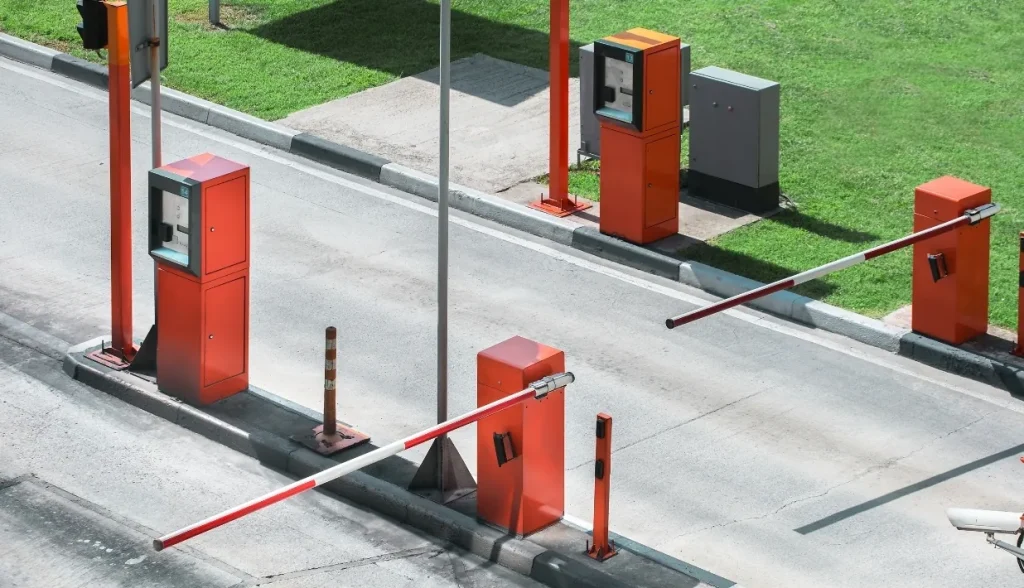
In smart parking environments, RFID enables seamless access for subscribed and authorized vehicles. Drivers no longer need to stop for camera recognition or interact with ticketing machines, leading to faster entry and exit, reduced congestion, and an enhanced user experience. The system automatically identifies the vehicle and manages parking permissions.
5.2 Residential and Gated Community Access
RFID technology is rapidly becoming the preferred solution for residential and gated community access control. It offers a more secure and convenient alternative to traditional remotes, Bluetooth systems, or manual registration. Residents can enter and exit effortlessly, while the system maintains a precise log of vehicle movements.
5.3 Logistics Parks and Truck Yards
Logistics parks and truck yards often operate in challenging environments characterized by dust, heavy traffic, and large metal vehicles. Here, the reliability of RFID for cars is paramount. It ensures accurate and rapid identification of trucks and trailers, streamlining operations, improving security, and optimizing traffic flow within these complex facilities.
5.4 Corporate Campuses and Industrial Facilities
For corporate campuses and industrial facilities, automated employee vehicle logging and access control are critical for security and operational efficiency. RFID systems provide a robust solution, allowing authorized personnel to access designated areas without delays, while maintaining a comprehensive audit trail of vehicle movements.
6. Long-Term Cost Comparison: Camera Systems vs RFID Infrastructure
While the initial investment in LPR cameras might seem comparable to RFID readers, a long-term cost analysis reveals significant differences in the total cost of ownership (TCO).
6.1 LPR System Costs
LPR camera systems require substantial ongoing investment in hardware, sophisticated software licenses, continuous AI tuning to adapt to new plate styles or environmental changes, and regular maintenance. The complexity of image processing and OCR, coupled with the need for high-resolution cameras and powerful computing, contributes to higher operational expenses.
6.2 RFID Infrastructure Costs
In contrast, RFID infrastructure primarily involves the initial purchase and installation of readers and durable, long-lasting tags. Once deployed, RFID systems require minimal upkeep. The simplicity of ID-based recognition reduces the need for complex software updates or constant calibration, leading to significantly lower maintenance costs over the system’s lifespan. The durability of on-metal RFID tags further reduces replacement costs.

7. Privacy and Compliance Advantages of RFID for Cars
Cameras capture images that may include people, interiors, and surroundings—raising privacy and data retention questions.
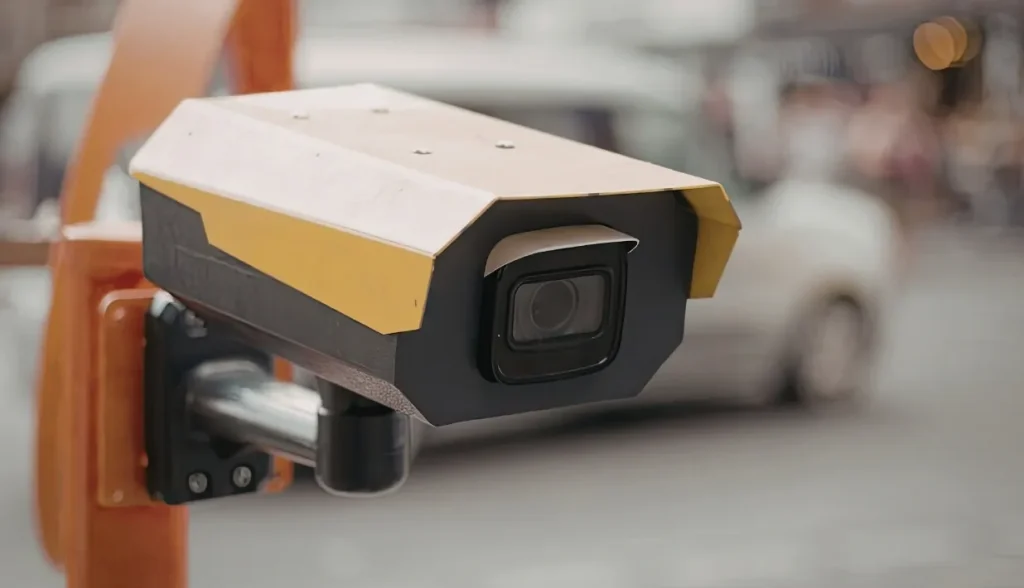
RFID captures a numeric ID only. No images. No personal data. This makes compliance with privacy policies and regulations significantly easier, especially in residential and workplace environments.
8. When LPR Still Makes Sense
Despite the numerous advantages of RFID, there are specific scenarios where LPR technology still holds relevance or can complement an RFID system.
Hybrid Model: RFID for Authorized Vehicles + LPR for Visitors
- Temporary Visitors Without Tags: For sites that frequently host temporary visitors who do not have pre-registered RFID tags, LPR can serve as a fallback for identification and access control.
- Sites Unable to Pre-Register Vehicles: In situations where pre-registration of vehicles is not feasible or practical, LPR offers a viable solution for identifying unknown vehicles.
A hybrid approach, combining the strengths of both technologies, often provides the most comprehensive solution. RFID for cars can manage authorized vehicles with high efficiency and security, while LPR can handle occasional visitors or vehicles without tags, creating a robust and flexible access control ecosystem.
9. Best Practices to Implement RFID for Cars Successfully
Successful implementation of RFID for cars requires careful planning and adherence to best practices to maximize performance and reliability.
- Selecting True On-Metal RFID Tags: Given the metallic environment of vehicles, it is crucial to select high-quality, purpose-built on-metal RFID tags that are proven to perform reliably in such conditions.
- Proper License Plate Mounting: The placement of the RFID tag on the license plate is critical. It must be mounted securely and in a position that ensures optimal read angles for the RFID readers, minimizing interference.
- Reader Placement Strategy: Strategic placement of RFID readers at access points is essential to ensure consistent and accurate reads. Factors such as read range, potential interference sources, and vehicle speed must be considered.
- Tag Encoding and System Integration: Proper encoding of RFID tags with unique identifiers and seamless integration with existing access control or management systems are vital for efficient data processing and operational flow.
10. Conclusion
The shift from LPR to RFID represents a deeper change in philosophy. Cameras attempt to recognize a vehicle visually. RFID allows systems to know the vehicle digitally. That difference matters at scale. It affects queue times, staffing needs, data accuracy, maintenance budgets, and user experience. As facilities modernize parking, access control, and vehicle management, RFID becomes not just an alternative—but the preferred foundation.
RFIDTag provides high-quality on-metal license plate RFID tags engineered for reliable, long-range vehicle identification in real-world outdoor environments. Contact us to upgrade your parking or access control system with RFID technology.
Recommended Product

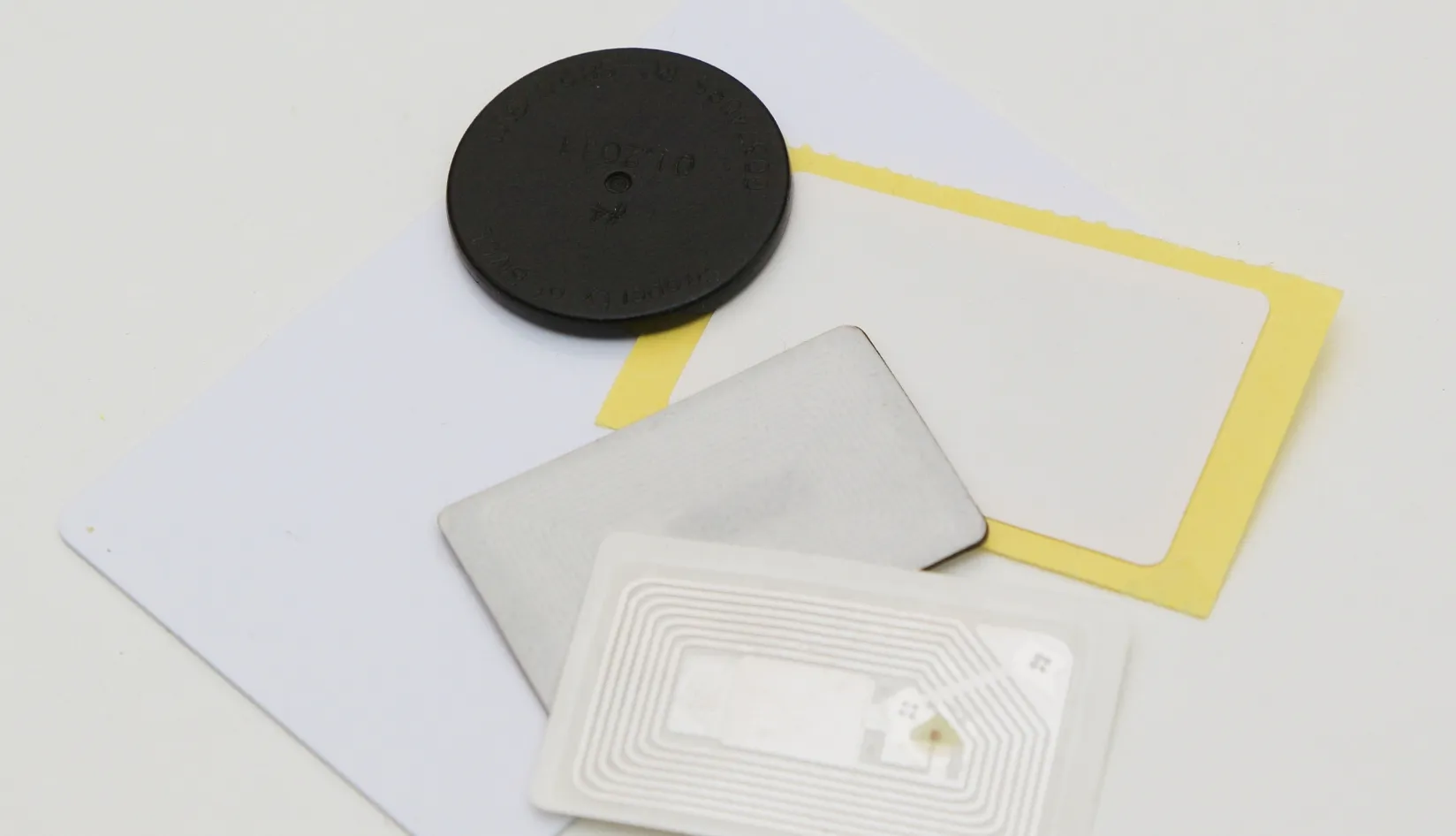
On-Metal License Plate RFID ABS Tag Impinj® Monza® R6-P
The Impinj® Monza® R6-P UHF On-Metal License Plate RFID Tag is a durable and high-performance identification solution designed specifi-cally for metal surfaces. Built with the advanced Monza® R6-P chip, the tag delivers exceptional read sensitivity, long read distances, and reliable performance in demanding environments. Constructed using rugged ABS material, it offers excellent resistance to water, moisture, dust, and outdoor exposure—making it ideal for applications such as vehicle license plate tracking, ETC management; Vehicle management;Management of metallic objects.
This RFID tag Installation is simple and flexible: it can be mounted using double-sided adhesive, silicone sealant, or screws, ensuring secure attachment to a wide range of surfaces. Performance is optimized when applied directly to metal, providing stable and efficient UHF operation compliant with ISO/IEC 18000-6C (EPC Global Gen2v2 ) standards. Its combination of toughness, adaptability, and high RF efficiency makes it a reliable tagging option for vehicle long term management and ETC.



 EN
 ES
 JA