


Managing laundry processes in nursing homes can be far more complex than one might expect. Every day, a large volume of clothing needs to be collected, cleaned, sorted, and returned to the correct residents. However, traditional garment management methods often lead to numerous issues—lost items, mix-ups, inefficient manual sorting, and even complaints from family members, all of which can harm the nursing home’s reputation. RFID (Radio Frequency Identification) technology is changing this situation. By embedding RFID laundry tags into garments, nursing homes can achieve automated tracking throughout the entire process, accurately identifying the ownership of each item, significantly reducing loss rates, and improving laundry management efficiency. More and more nursing homes and professional laundry service providers are adopting this technology to enhance operations and service quality.
So, how do RFID laundry tags work? How do they address the laundry management challenges that nursing homes face daily? Let’s delve into the applications of this innovative technology and the real value it brings.
1. What is an RFID Laundry Tag?
An RFID laundry tag is a radio frequency identification label specifically designed for textile and laundry management. These tags are compact, heat-resistant, and washable, and they can be embedded or sewn into garments, bed linens, towels, and other fabric items for automated tracking and management.

Key Features of RFID Laundry Tags
- Heat and Chemical Resistance: Capable of withstanding the high temperatures of industrial washing processes, powerful chemical cleaners, and high-pressure drying.
- Compact and Discreet: Typically made from flexible materials, sewn inside garment labels, ensuring no impact on wearing comfort.
- Non-contact Identification: No manual scanning is required; RFID readers can batch read data from thousands of garments simultaneously, increasing efficiency.
- Durable and Long-lasting: Tags can endure hundreds of washes and ironings, ensuring stability and reliability for long-term use.
2. How RFID Laundry Tags Solve Laundry Management Issues
By sewing RFID laundry tags into garments, they can assist nursing home staff in managing residents’ clothing and bed linens in several key ways.
Accurate Identification for Ensuring Garment Ownership
RFID laundry tags are sewn or heat-sealed into the fabric of clothing, with each tag possessing a unique electronic code (EPC). When garments enter the laundry process, RFID readers can automatically scan all items without the need for manual checking of each piece. This method not only minimizes human error but also ensures that every piece of clothing is accurately identified and returned to its rightful owner.
Intelligent Sorting to Improve Operational Efficiency
Traditional manual sorting methods can easily lead to mistakes, while RFID makes sorting smarter. For instance, UHF Sorti-Cart (Ultra High Frequency sorting cart) can automatically alert staff if garments are placed incorrectly, thereby reducing the chances of mix-ups. Additionally, RFID technology supports automated sorting systems, speeding up garment processing and reducing labor costs.
Complete Tracking for Enhanced Transparency
The RFID system can record the status of each garment in real-time, including when it was collected, washed, dried, and returned. Nursing home managers can access garment flow data at any time to ensure that every item is returned promptly and accurately to residents. If any anomalies arise, the system can quickly trace the whereabouts of garments, further decreasing loss rates.
3. Real Case Study: Successful Practice in European Nursing Homes
Several nursing homes in Europe have successfully implemented RFID laundry tags and customized RFID readers into their operations. A typical case is the renowned French industrial laundry service company Bulle de Linge.
Bulle de Linge: Transforming Garment Management in Nursing Homes with RFID
Bulle de Linge focuses on providing specialized laundry services for nursing homes. In the past, their clients frequently complained about lost and misplaced garments, leading to dissatisfaction among nursing home managers and residents’ families. However, after introducing RFID laundry tags and the RFID Sorti-Cart sorting system, their garment management efficiency saw significant improvement.

Precise Identification Enhancing Clothing Management Efficiency
Bulle de Linge embedded RFID laundry tags in every article of clothing and installed RFID reading devices at both the laundry facility and nursing homes. Every step of the laundry process—from collection, washing, and drying to sorting and returning—can now be tracked in real-time by the system. Staff no longer need to check clothing tags one by one; they can quickly scan thousands of items, dramatically increasing efficiency.
Reduced Garment Loss Rates Leading to Fewer Family Complaints
Previously, personal garments of nursing home residents were easily mixed up, resulting in frequent loss incidents that upset family members. However, with RFID tracking in place, the whereabouts of garments are clear, with the status of each item being recorded and easily queried. This has led to a significant reduction in loss rates, resulting in fewer complaints from families.
Optimizing Operational Costs for Nursing Homes and Laundry Companies
Traditional laundry processes depend heavily on manual sorting, which is not only time-consuming but also prone to errors. The RFID Sorti-Cart has enabled automated sorting, allowing staff to follow system prompts, drastically cutting sorting time and reducing labor costs. Additionally, the system provides data analysis to help Bulle de Linge optimize operational processes, further improving profitability.
Data-Driven Evidence: The Transformation Brought by RFID Technology
After rolling out RFID solutions at multiple nursing homes, Bulle de Linge achieved remarkable results:
- 90% Reduction in Garment Loss Rates—Nursing homes no longer have to struggle with lost items.
- 60% Increase in Sorting Efficiency—Staff can complete the same workload in less time.
- 30% Decrease in Operational Costs—Reduction in labor costs and losses from repeated washings.
4. Types of RFID Laundry Tags and How to Choose Them
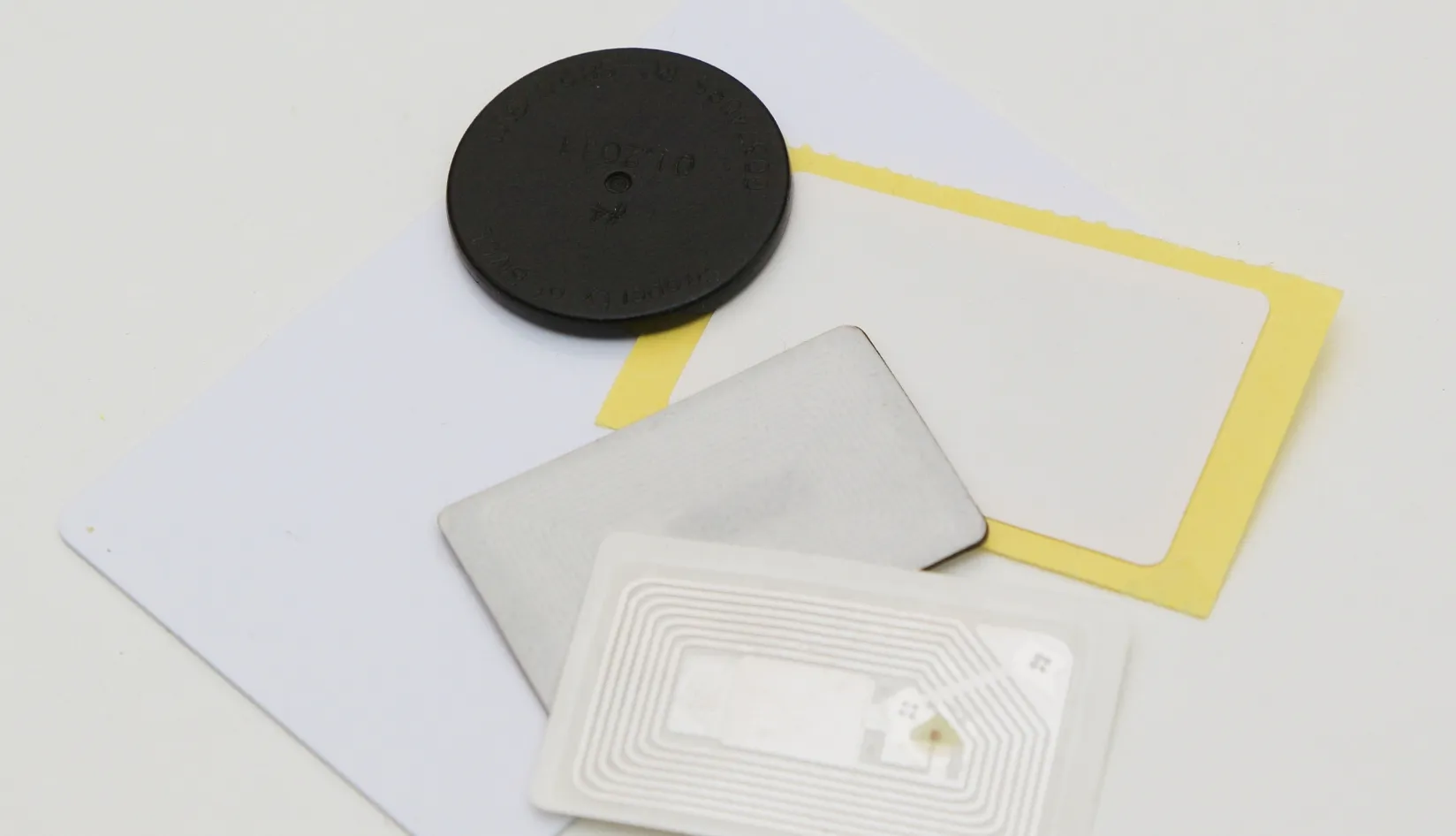
Not all RFID laundry tags are created equal, especially in nursing home and industrial laundry applications. Depending on materials, performance, and usage scenarios, you can choose the RFID solution that best fits your needs. At RFIDTag.com, we offer several different RFID laundry tags, including:
NXP UCODE® 7m PPS RFID Laundry Tag
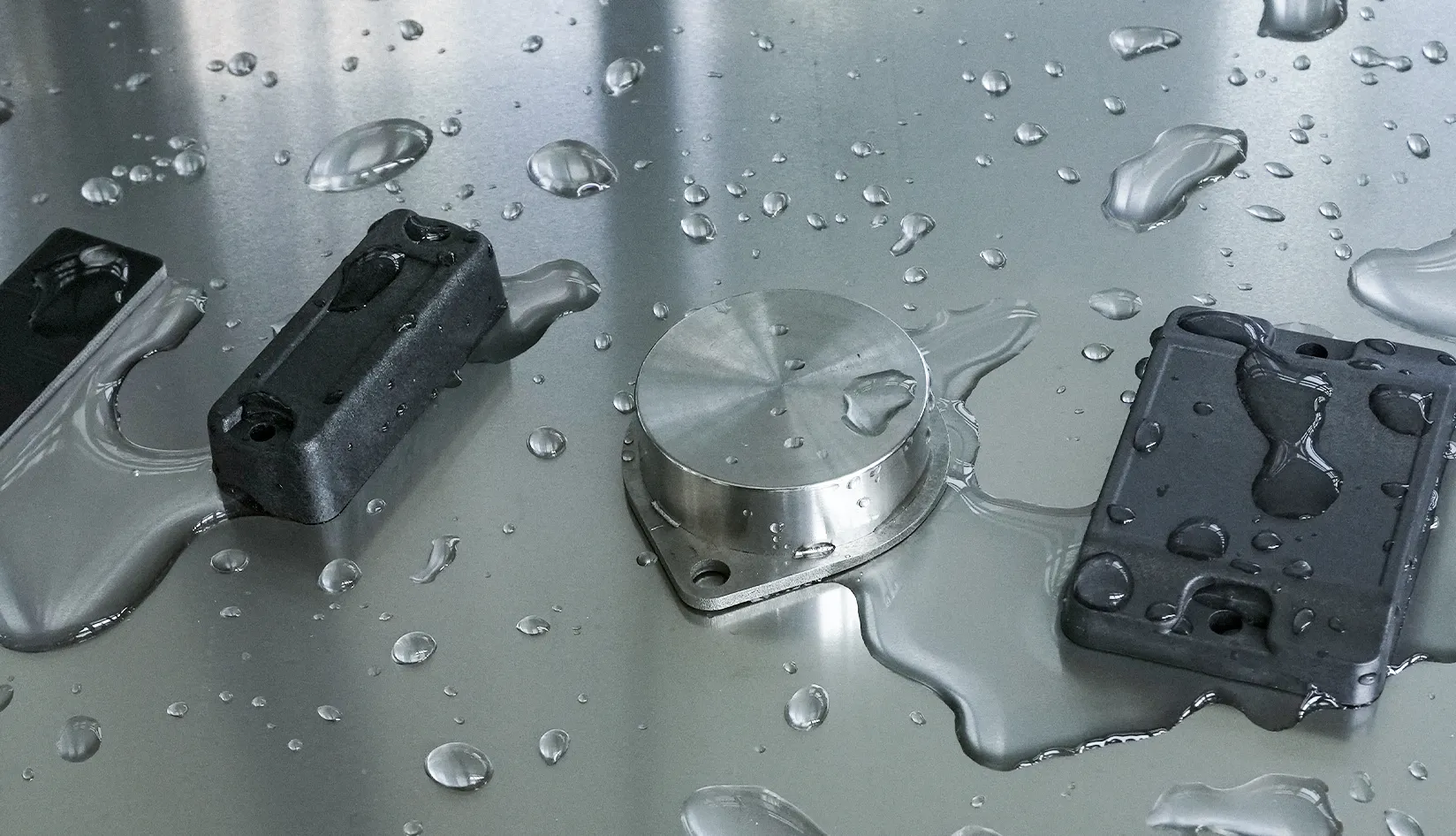
The NXP UCODE® 7m RFID PPS laundry tag is button-shaped and can withstand over 200 wash cycles, making it ideal for applications such as industrial laundry, uniform management, medical apparel management, and personnel inspection management. This tag is made from high-temperature resistant material, is waterproof, and features a laser-engraved surface, ensuring stability and reliability in high-frequency environments.
Impinj Monza® 4QT Silicone RFID Laundry Tag
The Impinj Monza® 4QT RFID silicone laundry tag is widely used in hotel linen management and hospital linen management. It boasts excellent radio frequency performance and reliable product quality. It is suitable for uniform control, personnel inspection management, garment inventory, and management in the hotel, hospital, and laundry industries. The material and design of this tag have been validated for reliability and have received widespread use and endorsement from well-known clients both domestically and internationally.
NXP UCODE® 9 Textile RFID Laundry Tag
The NXP UCODE® 9 RFID textile laundry tag is an ultra-high frequency tag that lasts for over 200 industrial washes and can withstand pressures of up to 60 bars, with stable and reliable radio frequency performance. It is widely applied in industrial laundry, linen rental, and medical and military clothing management, ensuring excellent performance under various harsh conditions.
These tags are very suitable for sewing into the daily clothing, towels, and linens of nursing home residents, ensuring comfort and discretion. If you’d like to learn more about RFID laundry tags or RFID laundry solutions, please reach out to our expert team for customized RFID solutions!
FAQs
Can RFID laundry tags resist high temperatures and disinfectants?
Yes, RFID laundry tags are designed specifically for industrial laundry environments. They can withstand high-temperature washing, steam ironing, and chemical disinfection processes. For example, some tags can endure over 200 instances of high-temperature cleaning and are resistant to bleach and other strong chemical agents.
Will RFID laundry tags affect the comfort of the clothing?
No, most RFID laundry tags are made of flexible materials, are lightweight, and compact, allowing them to be sewn or heat-sealed inside garments without affecting wearing comfort. Additionally, they are specially designed to ensure that they do not fall off or get damaged during washing.
How can nursing homes integrate RFID laundry tags into their existing systems?
Nursing homes can use RFID readers, management software, and databases to integrate RFID tags into their laundry management systems. The tags can be linked to resident profiles for automatic identification, batch scanning, and tracking the whereabouts of garments, optimizing laundry processes and reducing loss.
What if a tag is damaged or falls off?
Due to the high durability of RFID laundry tags, damage is less common. If a tag is lost or damaged, the nursing home can reassign a new RFID tag and update the system data to ensure that the garments can still be tracked.
Can RFID tag data be shared among different laundry providers?
Yes, many RFID systems support data sharing. They can connect RFID codes to a cloud-based database, allowing different laundry providers or care institutions to seamlessly access and process garment information, ensuring continuity and accuracy in garment management.



 EN
 ES
 JA