


In today’s work environment, access security is crucial for businesses. Whether it’s preventing unauthorized personnel from entering sensitive areas or managing the entry and exit records of a large number of employees, traditional methods can be cumbersome and prone to errors. RFID technology, as an innovative access control solution, not only provides enhanced security but also improves user experience and streamlines management processes. If you’re looking for a way to boost workplace safety and enhance employee experience, RFID technology might be just the answer you need.
1. What is RFID Technology? How Does RFID Access Control Work?
RFID (Radio Frequency Identification) is a technology that uses radio frequency signals for item identification and data transmission. It enables quick and accurate identification of objects or people through wireless data transfer between tags and readers. In workplaces, RFID is widely used for access control, personnel tracking, asset management, and more.
How RFID Technology Works:
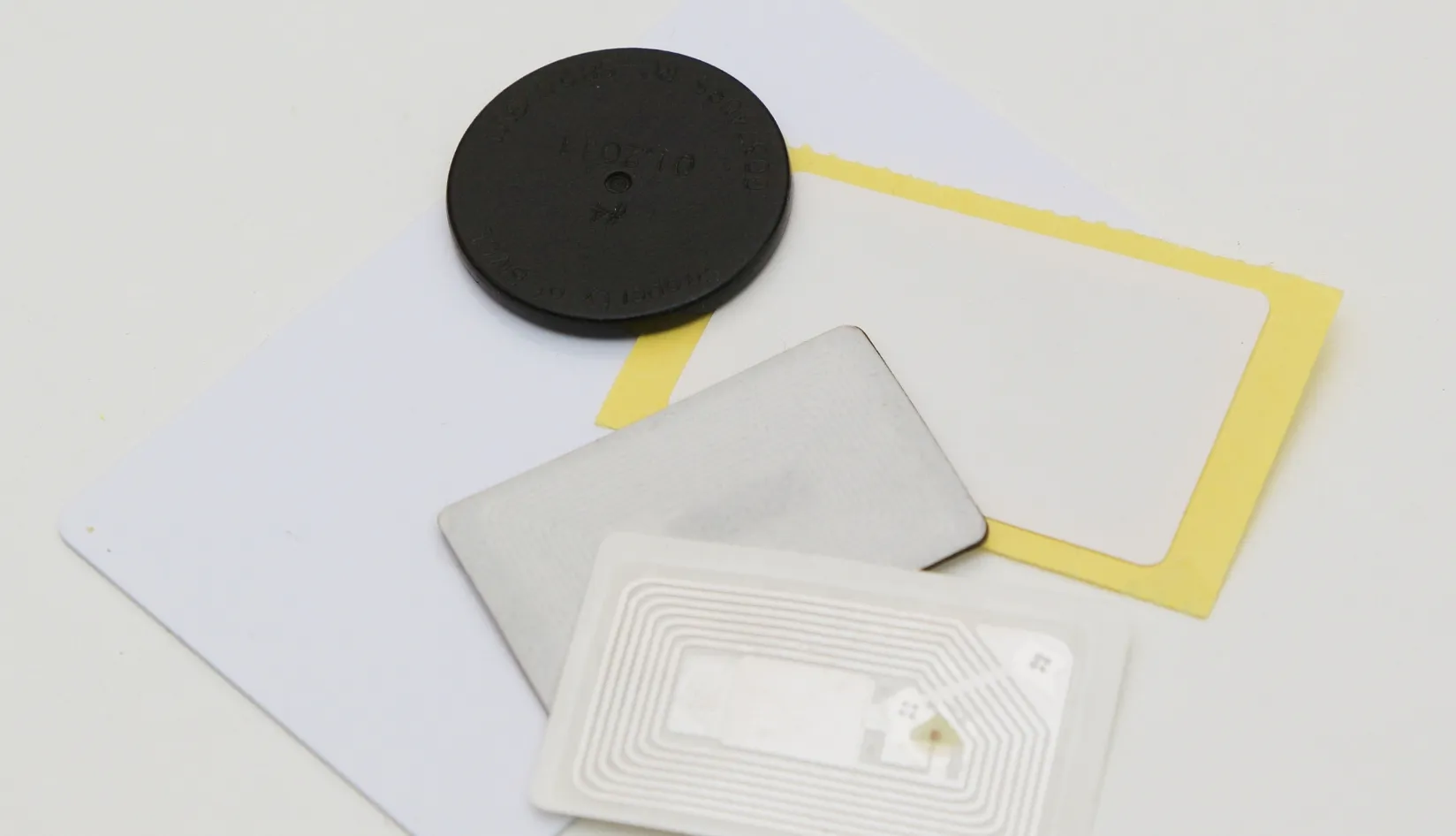
- Tag: An RFID tag typically consists of a microchip and an antenna. The microchip stores unique identification information. The tag communicates with the reader through radio frequency signals. In access control scenarios, RFID tags can be cards, key fobs, or wristbands.
- Reader: An RFID reader is responsible for emitting radio frequency signals to activate the tag and receive signals back from the tag. The reader is usually connected to an access control system, allowing it to read the data stored on the tag and determine whether to grant access to a person.
Access Control Working Principle:
When an employee approaches the access reader with an RFID card or wristband, the reader emits a wireless signal to activate the RFID tag, reading the stored identity information. If this information passes verification (e.g., employee identity and permissions), the access control system unlocks the door, allowing the employee entry. The entire process is contactless and instantaneous, ensuring efficient operations and a smooth experience.
Through this working principle, RFID access control systems can quickly identify and authorize individuals for entry without any physical contact, significantly reducing human errors and security risks.
2. How RFID Enhances Access Control in the Workplace
Integrating RFID into workplace access control significantly boosts efficiency in several ways:
Contactless Access
RFID provides convenient contactless access using radio frequency technology, meaning employees don’t need to insert key cards or use traditional magnetic stripe cards. They simply need to be near the reader for verification.

High Security
RFID technology employs dynamic encryption and authentication mechanisms, ensuring that only authorized employees or visitors can enter restricted areas. Unlike traditional magnetic stripe cards, RFID cards can have built-in encryption chips that generate dynamic authorization codes in real-time. This effectively prevents card duplication and misuse. Each authorization access is verified by the system, which logs all access actions in the background, greatly enhancing the overall security of the workplace.
Automated Record-Keeping
RFID systems automatically record each employee’s entry and exit times, eliminating the hassle of manual check-ins. This process not only improves management efficiency but also prevents human errors and falsified records. By integrating with attendance systems, companies can track employees’ work hours in real-time, and all data is automatically uploaded to a central management platform for easy viewing and analysis. This not only saves labor costs but also provides businesses with more precise security management and compliance checking capabilities.
With these advantages, workplaces can manage personnel entry and exit more efficiently and securely, simplifying management processes and reducing potential security risks.
3. Practical Cases of RFID Technology Enhancing Workplace Security
Let’s look at three different workplace scenarios to see how RFID technology enhances workplace security.
Large Office Building
In large office buildings, strengthening access control is essential due to the presence of sensitive data centers and other high-risk areas. By installing RFID access control systems in these zones, businesses can ensure that only authorized employees can enter critical areas. Each RFID card is linked to the employee’s personal information and permissions; the system automatically verifies employee identities and records their entry and exit times. This approach not only successfully mitigates the risk of unauthorized individuals accessing the data center but also enhances the security of other sensitive areas within the building. Because RFID cards are difficult to duplicate, the system bolsters overall protective measures.
Corporate Campus
Corporate campuses often consist of multiple office buildings and vast parking lots. By integrating RFID technology across all office areas, parking facilities, and security gates, employees no longer need to carry traditional access cards or remember passwords. Instead, they can simply carry employee cards or wristbands equipped with RFID chips to smoothly enter the workplace. The RFID system automatically logs every employee’s entry and exit information, providing accurate attendance data and security records. The combination of convenience for employees and efficient management greatly enhances both workplace security and operational efficiency.
High-Security Laboratories
Laboratories typically house critical research materials and equipment. To ensure that only authorized personnel can access these areas, RFID technology is employed to strengthen access control. Each employee is assigned an RFID card with specific permissions based on their position and job requirements, allowing only those holding the correct access card to enter the laboratory. The high security and automated record-keeping capabilities of the RFID system enable the company to effectively monitor who enters and exits the laboratory, preventing unauthorized access. Additionally, all access data is recorded in real-time, facilitating prompt reviews and compliance checks.
Whether in office buildings, corporate campuses, or high-security laboratories, RFID systems effectively prevent unauthorized access, enhancing the safety of data and personnel, while improving the efficiency of workplace management.
4. Advantages of RFID Access Control Systems
From the previous descriptions, it’s clear that RFID technology offers numerous advantages in access control systems:
Easy Management and Integration
RFID systems boast strong compatibility, allowing seamless integration with existing access control, attendance systems, and other enterprise management systems. This integration enables businesses to manage employee access permissions, attendance records, and security logs on a unified platform, simplifying complicated management processes. Without the need for additional complex hardware configurations, companies can save on deployment and operational costs while reducing manual intervention, thereby enhancing overall management efficiency.
Improved Employee Experience
RFID systems provide contactless access through wireless technology, allowing employees to simply carry a card or wristband equipped with an RFID chip to easily enter the workplace via the access control system. This convenient method of entry not only enhances employee convenience but also minimizes issues like lost cards and forgotten passwords that often occur with traditional methods, significantly boosting employee satisfaction and work efficiency.

Cost-Effectiveness and Efficiency
RFID cards have a long lifespan and do not require physical contact, which reduces wear and the likelihood of malfunction, thus lowering replacement and management costs. Additionally, companies can automatically record entry and exit information through the RFID system, eliminating errors that can occur with manual recording, further improving management efficiency.
Scalability
As companies continue to grow, their security management needs also increase. The scalability of RFID systems allows businesses to flexibly expand access control areas according to demand, adding new access points or secure zones. Whether it’s a newly constructed office building, a parking lot, or other facilities, RFID systems can be seamlessly integrated and scaled to support more access points and security management requirements. This flexibility enables businesses to adapt to changes or expansions, ensuring that the system consistently meets the evolving demands of the organization.
5. Key Factors for Choosing the Right RFID Access Control System
When selecting an RFID access control system, businesses should pay attention to the following factors:
Compatibility
Ensure that the RFID system is compatible with existing access control, attendance, and other equipment to minimize additional hardware replacement costs and simplify system integration. Compatibility is the foundation for smooth system operation, so opt for open architecture systems that can work collaboratively with other security infrastructure within the organization.
Security
The security of RFID technology is crucial, especially regarding data transmission and identity verification. Modern RFID systems employ high-standard encryption technologies, such as AES and 3DES, to ensure that only authorized personnel can access sensitive areas. Choosing systems that support these encryption methods can effectively prevent data breaches and unauthorized access.
Management and Reporting Features
The RFID system should come equipped with an easy-to-use management platform that can automatically log and generate information on employee entry and exit, providing real-time monitoring and reporting capabilities. Streamlined operational processes and transparent recording features enhance security management efficiency, helping businesses respond promptly to potential issues.
Customization Needs
Businesses may want to customize the design of RFID cards or wristbands according to their brand requirements to enhance brand recognition. Choosing an RFID system that supports the customization of appearance and functionality based on the company’s specific circumstances can ensure that the system not only meets security demands but also improves employee experience and enhances the company’s image.
6. RFID Access Control: The Future Trend in Workplace Security
RFID not only significantly enhances workplace security but also simplifies management processes, improves employee experience, and reduces the complexities associated with traditional key and password management. By selecting the right RFID vendor and systems, businesses can ensure higher operational efficiency and security while creating a more convenient work environment for employees.
Our range of RFID access control products includes RFID access cards, RFID key fobs, RFID wristbands, and RFID rings, each with unique advantages to meet different business access control needs.

RFID Access Cards
As the most common access control tool, RFID access cards offer high security and convenience, providing fast, contactless access.
RFID Key Fob
Compact and easy to carry, RFID key fobs are especially suitable for employees who are frequently on the go. They are durable, waterproof, and impact-resistant, making them ideal for active work environments. They offer the same efficient security as access cards while reducing the risk of card loss.
RFID Wristbands
RFID wristbands are typically used in high-traffic environments such as gyms, hospitals, or corporate events. These wristbands are comfortable to wear and easy to use, particularly for employees who need to perform manual tasks or frequently enter and exit facilities.
NFC Rings
NFC rings offer a more stylish and convenient access solution. Their method of use is completely different from traditional access cards, providing a high level of privacy. Employees simply wear the ring to quickly access the system without needing to pull out a card or key, greatly enhancing convenience and security.
Each RFID product provides businesses with an efficient and reliable access control solution, helping to simplify management processes while boosting workplace safety and employee satisfaction. Contact us now to request free RFID samples, test your workplace security, and ensure a perfect system fit!
FAQs
What is the main benefit of using RFID for workplace access control?
The main benefit is enhanced security. RFID provides contactless access, encrypted data, and real-time monitoring, making it more secure and efficient than traditional key-based systems.
Can RFID systems be integrated with other security measures?
Yes, RFID systems can be easily integrated with video surveillance, alarm systems, and intrusion detection technologies, creating a multi-layered security solution.
How do RFID tags work in workplace access control?
RFID tags contain stored data that is transmitted to an RFID reader, which then grants or denies access based on the information provided by the tag.
Are RFID access control systems expensive to install?
The initial setup costs can be higher compared to traditional systems, but the long-term savings in terms of improved security, efficiency, and reduced manual labor often justify the investment.
Can RFID tags be used for tracking employee movements?
Yes, RFID systems can track employee movements within restricted areas, providing valuable data for security audits and ensuring compliance with company policies.





 EN
 ES
 JA