


RFID (Radio Frequency Identification) technology is transforming how companies across industries track assets, manage inventory, and streamline operations. From foodservice and retail to industrial production and hospitality, RFID provides a reliable, automated solution that reduces manual errors, improves operational efficiency, and enhances the customer experience.
This guide will walk you through everything you need to know about RFID tags and readers. You’ll learn about different RFID tag types and RFID reader types, understand the correct process for how to read RFID tags, and discover industry-specific solutions that can help your business leverage RFID technology to its fullest potential. Whether you’re managing products in a warehouse, monitoring events, or enhancing guest experiences in hospitality, this guide is designed to provide practical insights for businesses ready to adopt RFID.
1. What is an RFID Tag?
An RFID tag is a microchip with an antenna that stores and transmits data to an RFID reader. These tags are a crucial component of any RFID system, enabling automatic identification and data capture.
There are three main types of RFID tags:
- Passive RFID Tags
These tags do not have their own power source. Instead, they draw power from the electromagnetic field generated by the RFID reader. They are typically smaller, less expensive, and have a shorter read range compared to active tags. Passive tags are widely used in supply chain management, inventory tracking, and access control. - Active RFID Tags
Equipped with their own power source (usually a battery), active RFID tags can broadcast their signal over a longer distance and store more data. They are often used for tracking high-value assets, real-time location systems (RTLS), and in harsh environments. - Semi-passive RFID Tags
Also known as battery-assisted passive (BAP) tags, these tags have a battery to power the microchip, but they still rely on the reader’s electromagnetic field to communicate. This combination allows for a longer read range than passive tags while being more cost-effective than active tags.
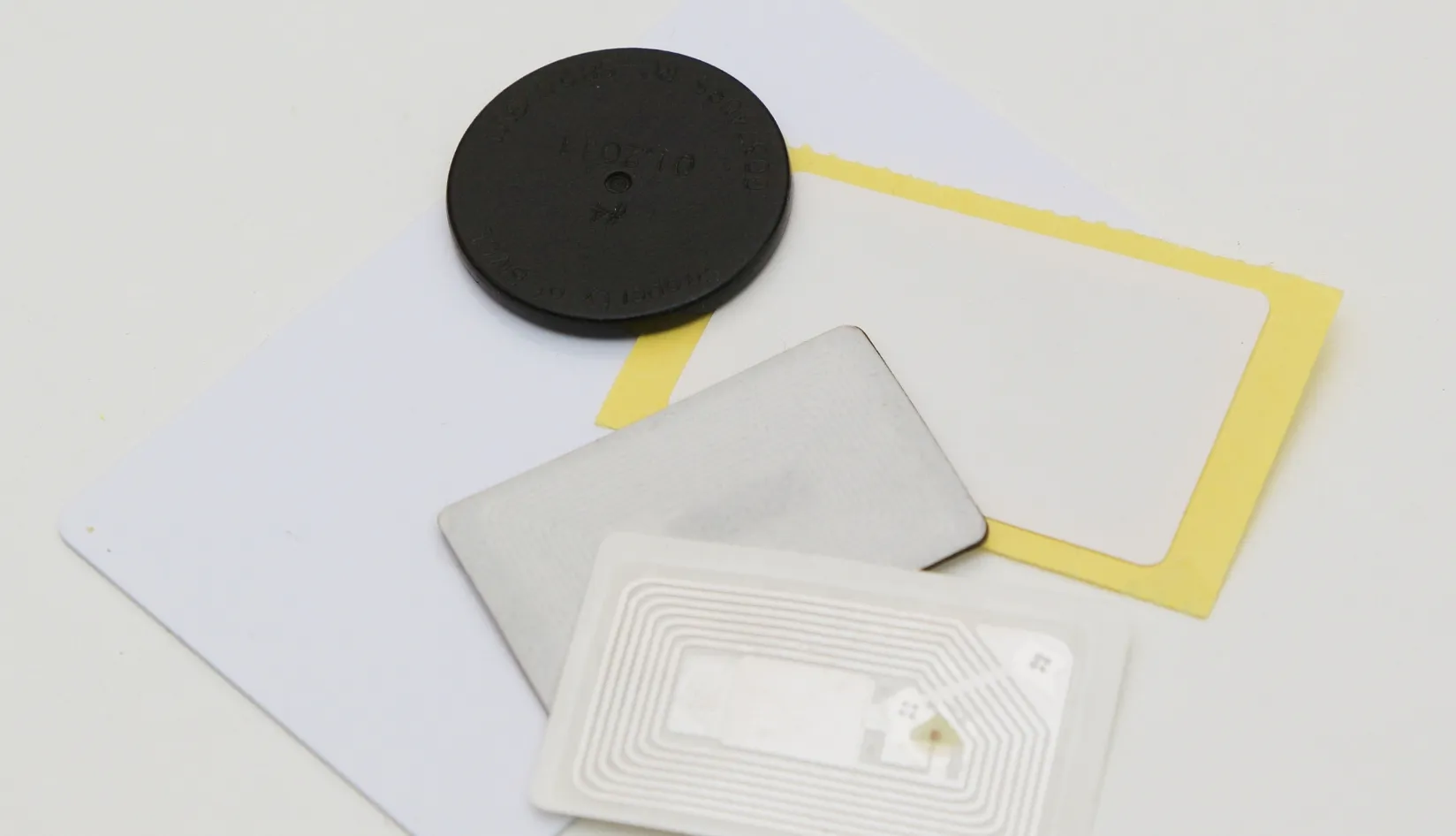
Passive RFID tags are the most common and widely applied type due to their versatility and cost-effectiveness. They can be further categorized based on their operating frequency (e.g., LF, HF, UHF), specific industry applications, and various form factors. For a more in-depth understanding of passive RFID tag types and their applications, you can refer to our blog post: Everything You Need to Know About RFID Inventory Tags for Efficient Asset Management.
2. What is an RFID Reader?
An RFID reader, also known as an interrogator, is a device that converts radio waves from the RFID tag into a digital format that can be understood by a computer. It acts as the communication hub between the RFID tags and the backend system.
Common types of RFID readers
- Handheld RFID Readers
These portable devices are ideal for mobile applications, such as inventory checks, asset tracking in warehouses, and field service operations. They offer flexibility and ease of use. - Fixed RFID Readers
Designed for stationary use, these readers are typically mounted at choke points, doorways, or conveyor belts to automatically read tags as they pass by. They are commonly used in supply chain automation, manufacturing, and retail. - Desktop RFID Readers
These compact readers are designed for short-range applications, often used for encoding tags, checking individual items at a point of sale, or managing library books. - Bluetooth RFID Readers
These readers connect wirelessly to smartphones, tablets, or other Bluetooth-enabled devices, offering a convenient and flexible solution for mobile data collection. - Integrated RFID Readers
These are embedded into other devices or systems, such as smart shelves, kiosks, or production line equipment, providing seamless RFID functionality within a larger system.

RFID readers be categorized by operating frequency
- Low Frequency (LF) Readers (125-134 kHz)
Best for short-range applications, often used in animal identification, access control, and car immobilizers due to their ability to read through non-metallic materials. - High Frequency (HF) Readers (13.56 MHz)
Commonly used for ticketing, payment systems, smart cards, and library systems. They offer a moderate read range and are less susceptible to interference from liquids or metals than UHF. - Ultra-High Frequency (UHF) Readers (860-960 MHz)
Provide the longest read range and fastest data transfer rates, making them ideal for supply chain management, inventory tracking, vehicle identification, and retail. They are sensitive to environmental factors like metal and water, which can affect performance.
3. How to Correctly Read RFID Tags with an RFID Reader
Successfully reading RFID tags requires attention to several key factors. Here’s a step-by-step guide to ensure accurate and efficient data capture:
Step 1: Ensure RFID Tag and Reader Frequency Match
RFID systems operate on specific frequency bands. The most common is Ultra-High Frequency (UHF) at 860–960 MHz, which offers long read ranges and fast data rates. Ensure that your RFID tags and readers are designed to operate on the same frequency to establish proper communication. Mismatched frequencies will prevent any data exchange.
Step 2: Set Appropriate Read Distance and Antenna Angle
The read distance and the angle of the reader’s antenna relative to the tag significantly impact reading performance. For optimal results, experiment with different distances and angles. Some applications may require a close read, while others benefit from a wider, more distant field. Proper antenna placement ensures the electromagnetic field effectively energizes passive tags and captures signals from active ones.
Step 3: Ensure Tags are Within Reading Range (Avoid Metal or Liquid Interference)
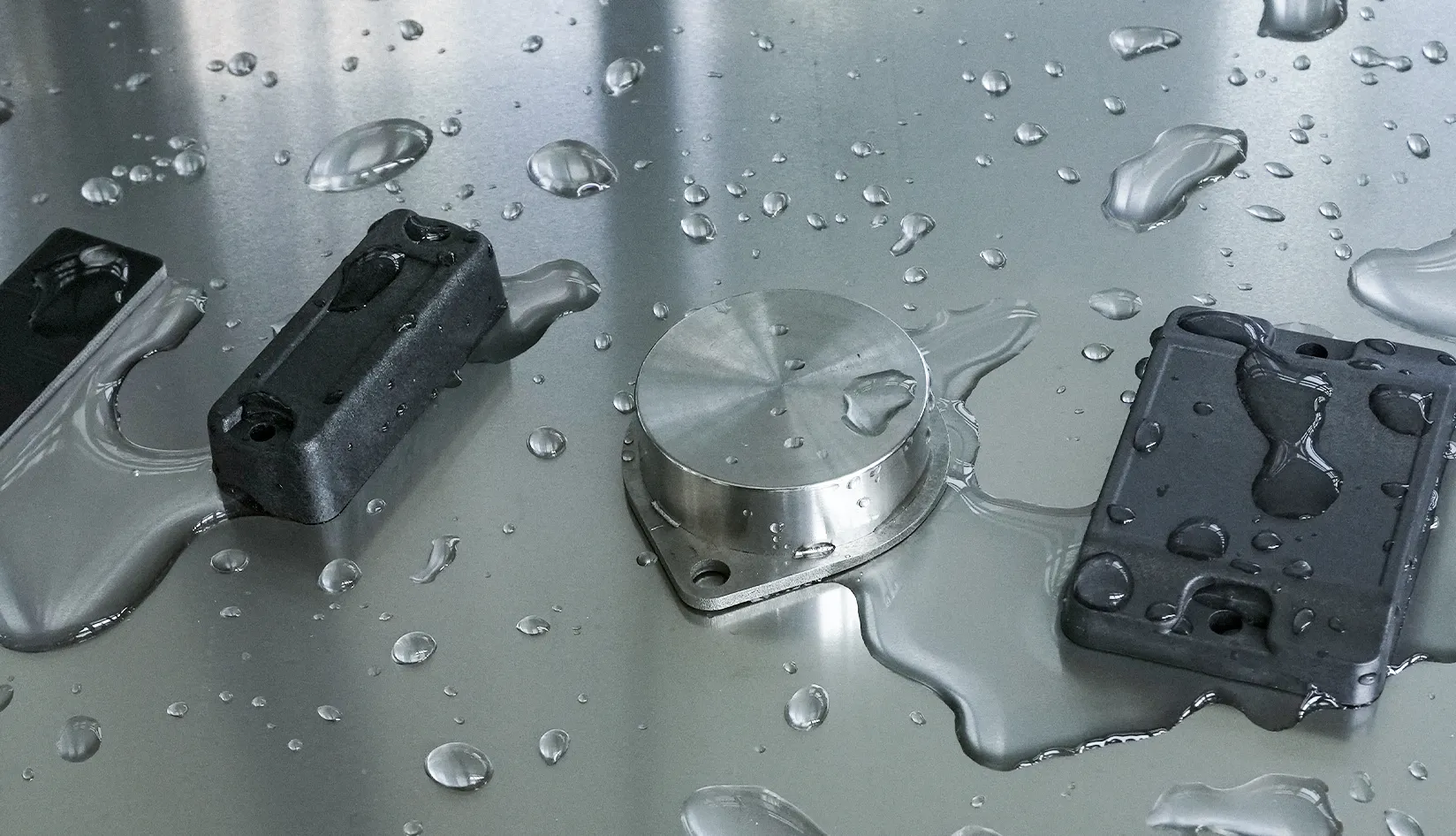
RFID signals can be affected by environmental factors. Metal surfaces can reflect RFID signals, creating dead zones or signal interference, while liquids (especially water) can absorb RFID signals, reducing read range and accuracy. When deploying an RFID system, consider the materials surrounding the tags and readers. Specialized on-metal or liquid-tolerant tags and antennas are available for challenging environments.
Step 4: Use Software to Read and Manage Data
Once the physical setup is complete, an RFID software application is essential to interpret the data received from the reader. This software collects the unique identification numbers from the tags, processes them, and integrates them with your existing inventory management, asset tracking, or other business systems. The software also allows for configuration of reader settings, data filtering, and reporting.
Factors That Affect RFID Reading Accuracy
Several factors can influence the accuracy and reliability of RFID tag reads:
- Tag Orientation: The orientation of the tag relative to the reader’s antenna can affect signal strength. Some tags are designed to be omnidirectional, while others perform best when aligned in a specific way.
- Environmental Interference: Beyond metal and liquids, other sources of electromagnetic interference (EMI) such as Wi-Fi networks, fluorescent lights, and other electronic devices can disrupt RFID signals. Proper shielding and frequency planning can mitigate these issues.
- Tag Material and Reader Antenna Type: The material the tag is attached to (e.g., metal, plastic, wood) and the type of antenna used by the reader (e.g., linear, circular polarized) must be compatible for optimal performance. Different antenna types are better suited for different tag orientations and environments.
Tips for Improving RFID Reading Performance
- Conduct Site Surveys: Before full deployment, perform a thorough site survey to identify potential sources of interference and determine optimal reader and antenna placement.
- Use the Right Tags: Select tags specifically designed for your application and environment (e.g., on-metal tags for metal assets, washable tags for garments).
- Optimize Reader Settings: Adjust reader power output, sensitivity, and antenna gain to match your specific reading requirements and minimize interference.
- Implement Anti-Collision Algorithms: For environments with many tags, ensure your system uses robust anti-collision protocols to read multiple tags simultaneously without data loss.
- Regular Maintenance: Keep readers and antennas clean and free from obstructions. Regularly check cable connections and software updates.
Can One RFID Reader Read Different Tag Types?
Yes, but compatibility depends on the reader’s supported frequency bands and protocols. For example, a UHF reader can read most passive UHF tags, but it cannot read HF or LF tags unless it is a multi-frequency device.
If your business uses different tag types — for example, UHF for asset tracking and HF/NFC for customer engagement — you’ll need either:
A multi-protocol RFID reader that supports multiple standards, or
Separate readers optimized for each frequency.
For a seamless solution, consider our HF+UHF Dual-Band RFID Reader AZ-R1. This device combines both HF and UHF in one reader, supporting ISO 18000-6C, ISO 14443 A/B, and ISO 15693 standards. It’s plug-and-play via USB and ideal for logistics, anti-counterfeiting, and production control. With this reader, you can efficiently manage multiple RFID tag types without switching devices, simplifying operations and improving workflow across industries like foodservice, retail, hospitality, and industrial applications.
4. Industry-specific RFID Solutions We Provide
At RFIDTag.com, we understand that each industry has unique challenges and requirements. We offer tailored RFID solutions designed to optimize operations, enhance efficiency, and provide actionable insights. Here are some of our specialized offerings:

Foodservice Industry:
For the foodservice sector, RFID provides unparalleled capabilities for food traceability, inventory management, and even reducing plastic waste. Our solutions help track ingredients from farm to fork, ensure proper stock rotation, and minimize spoilage. We offer:
- RFID Labels: For precise tracking of food items and packaging.
- IDCycle® RFID Recyclable Cup: An innovative solution for closed-loop systems, promoting sustainability and reducing single-use plastic waste in events and quick-service restaurants.
Events:
RFID technology revolutionizes event management by streamlining ticket validation and entry management, enhancing security, and improving the attendee experience. Our products include:
- RFID Tickets: For secure and rapid entry, preventing fraud and long queues.
- RFID Wristbands: Providing convenient access control, cashless payments, and interactive experiences for attendees.
Garment:
In the garment industry, RFID is crucial for efficient apparel inventory management and retail anti-theft. It enables real-time visibility of stock, reduces manual counting errors, and deters shoplifting. Our specialized tags include:
- EAS RFID Tags: Combining Electronic Article Surveillance (EAS) with RFID for enhanced security and inventory accuracy.
- RFID Hang Tags: Ideal for tracking individual garments from manufacturing to retail.
- Washable Textile RFID Labels: Durable tags that can withstand washing and drying cycles, perfect for uniforms, linens, and rental garments.
- RFID Labels: Versatile labels for various garment applications.
Entertainment:
For the entertainment sector, RFID enhances the visitor experience in amusement parks and simplifies membership card management. Our solutions offer seamless access and personalized interactions:
- NFC Rings: Wearable technology for convenient access, payments, and interactive experiences.
- RFID Wristbands: Providing hands-free access to rides, attractions, and cashless transactions.
- RFID Playing Cards: For enhanced game tracking and anti-counterfeiting in casinos or gaming establishments.
Industrial:
In industrial environments, RFID is indispensable for production line tracking and equipment management, even in harsh conditions. Our robust tags are built to withstand extreme temperatures, chemicals, and physical stress:
- RFID LED Tags: For easy visual identification of assets in complex environments.
- High-Temp Tags: Designed to operate reliably in high-temperature applications.
- RFID Industrial Tags: Rugged tags built for demanding industrial use cases.
- RFID On-Metal Tags: Specifically engineered to perform optimally when mounted directly on metal surfaces.
Hospitality:
RFID streamlines operations in the hospitality sector, from hotel room keys to guest identification, improving security and guest convenience:
- Key Fobs: Durable and convenient alternatives to traditional key cards.
- Key Cards: Standard for hotel room access and loyalty programs.
- RFID Wristbands: Offering guests convenient access to rooms, amenities, and cashless payments within the resort.
Beyond these specific products, we also provide custom RFID tag solutions tailored to your unique industry applications and challenges. Our expertise extends to recommending the most suitable RFID reader types for each industry, ensuring a complete and effective RFID system for your business needs.
Conclusion – Start Your RFID Journey Today
RFID technology offers a powerful solution for businesses looking to enhance efficiency, improve inventory accuracy, and gain real-time visibility into their operations. From understanding the nuances of RFID tags and readers to implementing correct reading practices, this guide has provided a comprehensive overview of how RFID tags are read by RFID readers and the immense long-term value this technology brings to enterprises. By leveraging RFID, businesses can significantly reduce operational costs, minimize errors, and make data-driven decisions.
Ready to transform your business with RFID? Contact us today to explore how our industry-specific and custom RFID solutions can address your unique challenges and help you embark on a successful RFID journey.
FAQs
What’s the maximum range of an RFID reader?
The maximum read range of an RFID reader varies significantly depending on the type of RFID technology (LF, HF, UHF), the power of the reader, the size and type of the tag, and environmental factors. Low-frequency (LF) systems typically have a read range of a few centimeters. High-frequency (HF) systems can read tags up to a meter. Ultra-high frequency (UHF) systems offer the longest read ranges, from several meters up to 15-20 meters or more in ideal conditions, making them suitable for applications like warehouse inventory and supply chain tracking.
How to choose between passive and active RFID tags?
The choice between passive and active RFID tags depends on your specific application requirements. Passive tags are generally more cost-effective, smaller, and have a shorter read range. They are ideal for applications where the tag can be powered by the reader’s signal, such as inventory management, access control, and item-level tracking. Active tags, with their own power source, offer a much longer read range, larger memory capacity, and are suitable for real-time tracking of high-value assets, harsh environments, and applications requiring continuous monitoring. Consider factors like read range, cost, tag size, battery life (for active tags), and environmental conditions when making your decision.
Do RFID readers work through walls or metal?
RFID signals can be significantly affected by walls and metal. While some RFID frequencies (like LF and HF) can penetrate certain non-metallic materials like wood, plastic, or drywall to some extent, their range will be reduced. UHF RFID, which offers longer read ranges, is more susceptible to interference from both metal and liquids. Metal surfaces can reflect or block RFID signals, creating dead zones, while water and other liquids can absorb the radio waves, severely limiting read range. For applications involving metal or liquids, specialized on-metal tags or tags designed for liquid environments are available, and careful placement of readers and antennas is crucial to ensure reliable performance.




 EN
 ES
 JA