


In today’s fast-paced business world, building and maintaining meaningful connections is more important than ever. Traditional networking methods like exchanging paper business cards or manually inputting contact details can be time-consuming and prone to errors. Enter NFC networking — a cutting-edge solution powered by Near Field Communication (NFC) technology that revolutionizes how professionals connect, share information, and engage.
More and more businesses and event organizers are adopting NFC networking solutions to streamline attendee engagement, enhance customer experiences, and foster real-time interactions. Whether it’s at conferences, trade shows, or corporate meetings, NFC networking offers a fast, secure, and environmentally friendly alternative to traditional methods, helping you stay ahead in an increasingly connected world.
1. The Basics of NFC Networking Technology
Near Field Communication (NFC) is a wireless communication technology that enables data exchange between devices over very short distances—typically less than 4 centimeters. Unlike Bluetooth or WiFi, NFC requires no pairing process, making connections almost instantaneous and incredibly user-friendly.
How NFC Works
NFC operates through electromagnetic induction between two loop antennas, one embedded in each device. When brought close, the devices establish a connection and transfer data securely and efficiently. This proximity-based communication ensures that information is exchanged only when intended, reducing the risk of accidental or unauthorized transfers.
NFC vs. Bluetooth and WiFi
While Bluetooth and WiFi are widely used for wireless connectivity, NFC offers distinct advantages for networking:
- Speed and Simplicity: NFC connects instantly without complex setup or pairing.
- Low Power Consumption: NFC uses minimal energy, ideal for passive devices like NFC tags or smart cards.
- Security: The very short range makes NFC inherently secure against eavesdropping.
- Cost-Effectiveness: NFC chips are inexpensive and easy to integrate into a variety of devices.
Security and Convenience in NFC Data Exchange
NFC technology supports multiple layers of security, including encryption and authentication protocols, ensuring that sensitive business data like contact details or proprietary marketing materials remain protected during transmission. Moreover, its tap-and-go convenience eliminates the hassle of manual data entry, reducing human error and saving valuable time during networking events.
2. Real-World Applications of NFC Networking in Business Events
NFC networking is rapidly transforming how professionals interact at business events by offering seamless, instant, and contactless ways to exchange information. Here are some key applications:
Fast and Effortless Business Card Exchange
Gone are the days of fumbling with paper cards or manually typing contact details into phones. With NFC-enabled smart business cards or badges, attendees can simply tap their devices to instantly share their professional profiles, LinkedIn links, or company websites. This not only speeds up networking but also creates a memorable impression.
Enhanced Customer Relationship Management (CRM)
NFC can be integrated into CRM systems to automatically capture and organize contacts gathered during events. Sales teams can instantly follow up on leads with accurate data, improving conversion rates and customer engagement without delays or errors.
Seamless Online and Offline Data Integration
Many companies use NFC to bridge the gap between physical events and digital platforms. For example, tapping an NFC tag can lead users to event apps, product demos, or exclusive online content, enriching the attendee experience and providing valuable analytics.
Applications Beyond Events
NFC networking is also making waves in industries like education, healthcare, and retail. Universities use NFC for student ID cards and campus access, hospitals for patient information management, and retailers for interactive marketing campaigns that foster customer loyalty.
3. How to Use NFC for Efficient Networking
NFC technology offers a variety of innovative products designed to make networking faster, smoother, and more engaging. Here’s a look at some popular NFC products and how they help boost personal and brand interactions:
Popular NFC Products for Networking
- NFC Rings: Stylish and wearable, NFC rings enable you to share your contact information or digital profiles with a simple tap of your hand. Perfect for hands-free networking at events, they allow seamless connections without fumbling for phones or cards.
- Garment Tags: Integrated discreetly into clothing or accessories, these tags allow brands and professionals to share instant product details or personal profiles, enhancing brand visibility and engagement.
- Review Cards: Ideal for businesses seeking immediate customer feedback, these cards facilitate quick review collection via NFC taps, turning networking moments into actionable insights.
- FPCB Tags: Flexible printed circuit board tags can be embedded into various items, supporting advanced interactive marketing campaigns or tracking solutions that deepen customer interaction.
- LED Wristbands: Widely used at events and conferences, these wristbands light up or trigger digital actions when tapped, combining networking with interactive engagement for unforgettable attendee experiences.
- On-Metal NFC Mobile Tags: Designed to perform reliably even when attached to metal surfaces like laptops or badges, these tags ensure consistent NFC functionality in challenging environments.
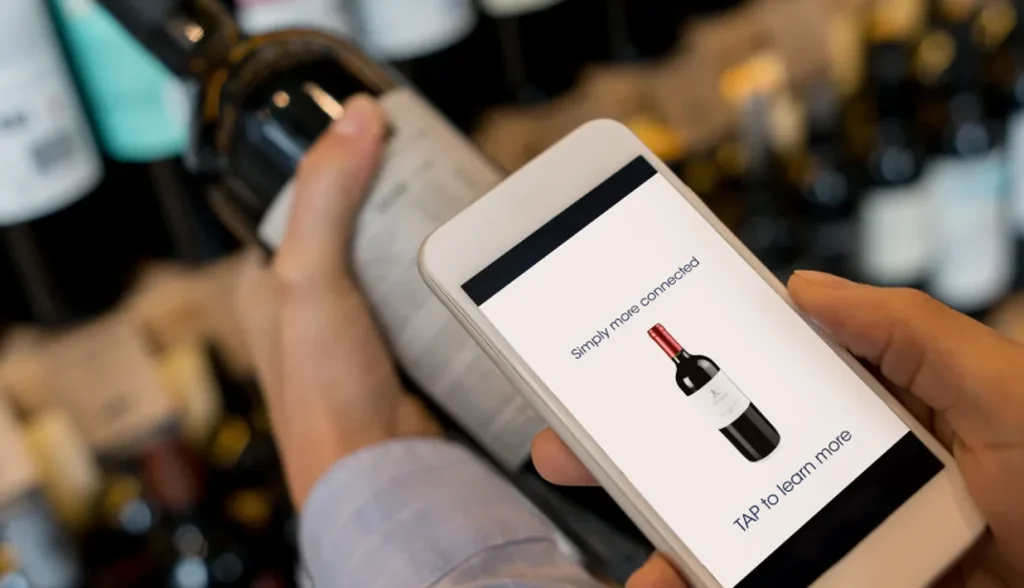
Using NFC Products for Effective Human-to-Human and Human-to-Brand Interaction
With these NFC tools, networking becomes frictionless: simply tapping your NFC ring or smart card to another person’s device instantly shares contact information, eliminating the hassle of exchanging physical cards or manual entry. Similarly, NFC garment tags or wristbands provide a direct link between people and brands, enabling instant access to product details, promotional offers, or event content.
For businesses, NFC review cards capture real-time customer feedback effortlessly, while FPCB and on-metal tags enable interactive marketing and asset tracking that increase brand engagement. By integrating NFC into networking strategies, professionals and brands can create memorable, data-driven connections that stand out in today’s competitive landscape.
4. NFC Networking Technology Development Guide (For Developers)
For developers aiming to build or enhance NFC networking applications, understanding the technical landscape and best practices is crucial. This section outlines the essential tools, protocols, security considerations, and common challenges involved in NFC development.
Essential Tools for Developing NFC Networking Applications
- NFC Development Kits: Hardware kits from manufacturers like NXP or Sony provide NFC readers, tags, and development boards to prototype and test applications.
- Software Development Kits (SDKs): Popular platforms like Android and iOS offer native NFC APIs enabling easy integration of NFC features into mobile apps. Third-party SDKs may offer extended functionalities such as secure element access or custom tag formats.
- Integrated Development Environments (IDEs): Tools like Android Studio or Xcode support NFC API development with debugging and simulation capabilities.
Key NFC Protocols and Standards
- ISO/IEC 14443: The standard for proximity cards used in NFC tags and contactless smart cards, supporting secure communication at 13.56 MHz frequency.
- ISO/IEC 18092 (NFCIP-1): Defines the communication mode for peer-to-peer NFC devices, enabling data exchange between smartphones or other NFC-enabled devices.
- NDEF (NFC Data Exchange Format): The standardized data format for storing and exchanging information on NFC tags, such as URLs, contact info, or custom payloads.
Security and Privacy Measures
- Encryption and Authentication: Implement AES or other encryption algorithms to secure data transmissions and prevent eavesdropping or cloning of NFC tags.
- Secure Elements (SE): Use hardware-backed secure environments to store sensitive data like cryptographic keys, enhancing protection against tampering.
- User Consent and Privacy: Ensure applications request explicit user permission before sharing data and comply with data protection regulations like GDPR.
Common Development Challenges and Solutions
- Compatibility Issues: NFC behavior varies across device models and operating systems. Testing on multiple devices and using cross-platform SDKs helps mitigate inconsistencies.
- Power and Range Limitations: NFC’s short range requires precise positioning. Designing intuitive user interactions and providing clear feedback can improve user experience.
- Data Size Constraints: NFC tags have limited memory capacity; optimize payload size and use external servers for storing larger data sets referenced by NFC.
- Security Risks: Protect against relay attacks and unauthorized tag cloning by implementing multi-factor authentication and dynamic cryptographic protocols.
By understanding these technical elements and planning accordingly, developers can create robust, secure, and user-friendly NFC networking applications that meet modern business needs.
Conclusion
NFC networking is more than just a technology — it’s a game-changer for modern business connections. By enabling instant, secure, and contactless data exchange, NFC transforms how professionals and brands engage with each other, making networking faster, smarter, and more memorable. From seamless business card sharing to interactive marketing campaigns, NFC is helping businesses build deeper relationships and unlock new growth opportunities.
We encourage companies and individuals alike to explore NFC networking solutions and experience firsthand how this innovative technology can enhance communication efficiency and engagement. Whether you’re attending a conference, hosting an event, or simply looking to upgrade your networking approach, NFC provides a reliable, eco-friendly, and highly effective way to connect in today’s digital world.
Ready to elevate your networking game? Contact us today to learn more about NFC networking products and services tailored to your needs.
FAQs
Which industries benefit most from NFC networking?
NFC networking is widely applicable across industries such as events and conferences, hospitality, retail, education, healthcare, and corporate sectors where fast and secure information exchange is valuable.
How do NFC smart business cards differ from traditional paper cards?
NFC smart cards offer instant, contactless sharing of rich digital content, such as websites, social profiles, and multimedia, eliminating the need for physical card exchanges and manual data entry.
Is NFC data transmission secure?
Yes. NFC technology includes built-in security features like short communication range, encryption, and authentication protocols, making it a safe choice for exchanging sensitive information.
How can I quickly get started with NFC networking?
Start by selecting suitable NFC-enabled products such as smart cards or rings, download compatible apps if needed, and practice sharing your information via simple taps. Many vendors offer customizable solutions and setup support.






 EN
EN  ES
ES  JA
JA