


RFID tags for concrete provide a permanent solution for identifying and managing concrete structures across their entire lifecycle. Embedded during the concrete casting process, they stay fully protected within the concrete and can still be read reliably years later without damaging the structure. They simplify inspection procedures, streamline asset management workflows, and ensure that vital records remain linked to the correct asset throughout its entire service life.
1. What Are RFID Tags for Concrete?
RFID tags for concrete are rugged RFID transponders designed to be embedded directly into concrete before or during casting. Once the concrete hardens, the tag becomes a permanent part of the structure, providing a unique digital identity that can be accessed with a compatible RFID reader.
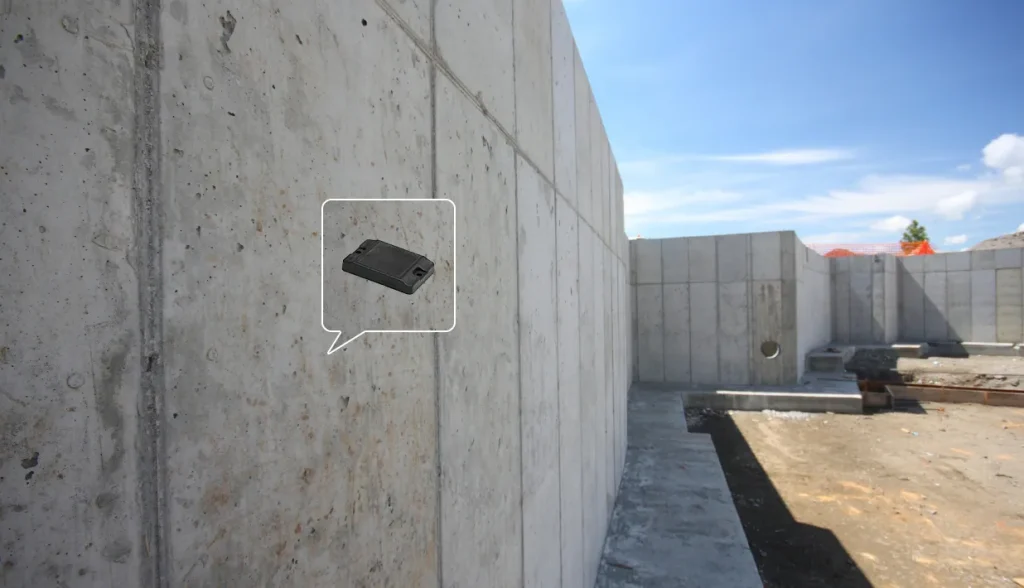
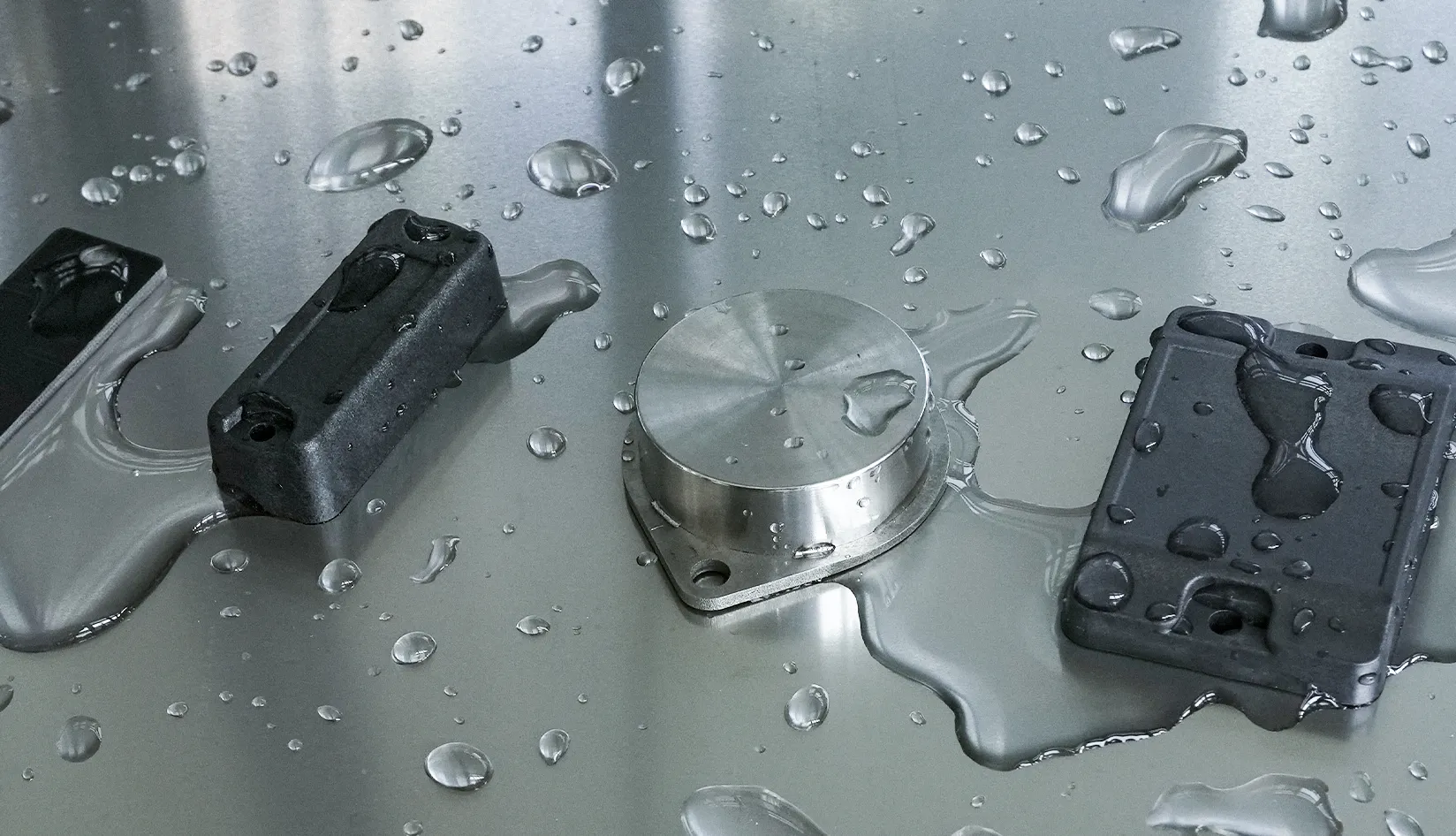
Unlike standard RFID labels, these tags are built to withstand the harsh conditions of construction. Their protective housing shields the chip from moisture, alkaline environments, mechanical impact, and the pressure generated during concrete pouring and curing.
2. Why Permanent Concrete Identification Matters
Concrete structures often remain in service for decades, but the information associated with them is much harder to preserve. Drawings, inspection reports, and construction records may be stored in different systems, while surface markings or identification plates can fade, become damaged, or disappear entirely.
When engineers need to inspect, repair, or upgrade a structure years later, identifying the correct asset and locating its historical records can become a time-consuming process. This is especially challenging for large infrastructure projects containing hundreds or thousands of similar concrete elements.
RFID tags for concrete solve this problem by creating a permanent connection between the physical structure and its digital records. A simple scan allows maintenance personnel to confirm the asset’s identity and retrieve relevant information without relying on paper documents or uncertain visual markings.

3. How RFID Tags for Concrete Improve Construction Traceability
The value of RFID tags for concrete extends far beyond simple identification. By permanently linking each structure to its digital records, RFID supports traceability throughout every stage of the asset lifecycle—from construction to decades of operation and maintenance.
3.1 During Construction
The best time to establish a structure’s digital identity is during construction. RFID tags are typically embedded before or during concrete pouring, ensuring they become a permanent part of the finished structure.

Once installed, each tag can be associated with project information such as the asset ID, location, concrete mix, pouring date, contractor, and quality inspection records. This creates a reliable reference that remains available long after construction is complete.
Unlike painted markings or temporary labels, the embedded tag is protected inside the concrete, eliminating the risk of losing the asset’s identity over time.
3.2 During Inspection
Routine inspections are essential for maintaining the safety and performance of concrete infrastructure. With RFID tags for concrete, inspectors can quickly verify the identity of a bridge, retaining wall, tunnel segment, or foundation and access its associated documentation using an RFID reader.
Instead of searching through multiple databases or paper archives, they can immediately retrieve information such as:
- Previous inspection reports
- Material specifications
- Construction dates
- Repair records
- Inspection schedules
This allows inspections to begin faster while reducing the risk of referencing the wrong asset.
3.3 During Maintenance
Maintenance decisions rely on accurate historical information. Without reliable identification, maintenance teams may struggle to determine what work has previously been completed or when inspections were last performed.
Because embedded RFID tags remain with the structure throughout its service life, they provide a dependable way to access maintenance history whenever repairs are required.
For example, maintenance personnel can quickly verify:
- Previous repair dates
- Components that have been replaced
- Inspection findings
- Maintenance recommendations
- Remaining service life estimates
Having immediate access to this information helps maintenance teams make better-informed decisions and maintain more complete asset records.
3.4 During Renovation or Asset Upgrades
Many concrete structures undergo strengthening, expansion, or rehabilitation years after they are first built. By that time, original project documentation may be incomplete, difficult to locate, or no longer available.
Embedded RFID concrete tags provide a permanent reference that helps engineers confirm the identity of the existing structure before renovation begins. By linking the physical asset to its historical records, project teams can better understand previous construction details, review earlier inspections, and document new modifications. This continuous record supports more accurate lifecycle management and ensures valuable project information is preserved for future maintenance.
4. Common Applications
Embedded RFID tags for concrete are widely used in projects where structures require long-term identification and reliable access to lifecycle information. The following applications benefit most from permanent RFID identification.
- Bridges: Enables quick identification of specific girders, piers, and decks during routine highway inspections.
- Tunnels: Delivers reliable data scanning in harsh, damp underground environments where visual tags fail.
- Buildings & Foundations: Secures long-term identification for critical load-bearing walls, prefabricated columns, and deep foundations.
5. How to Choose the Right RFID Tags for Concrete
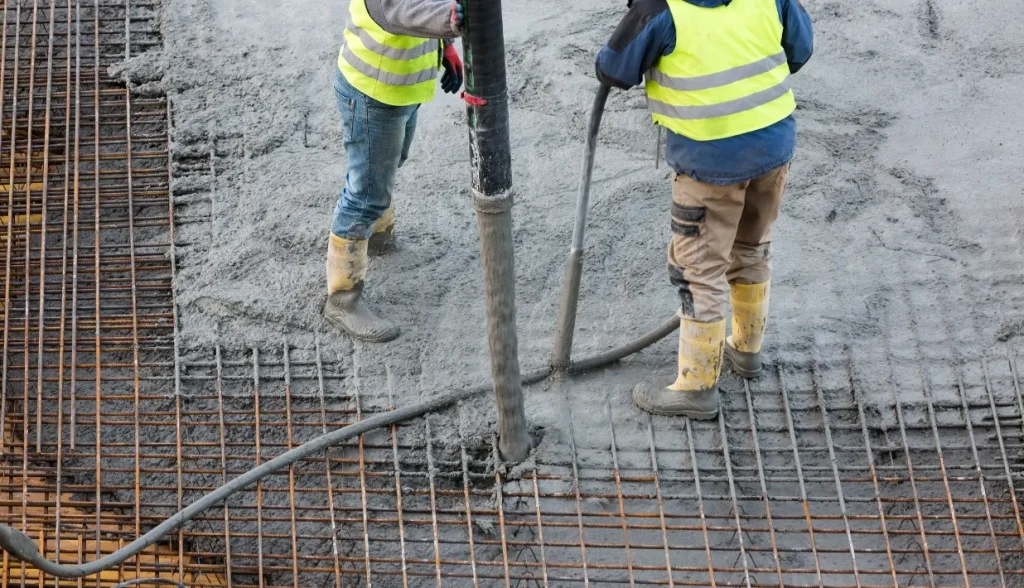
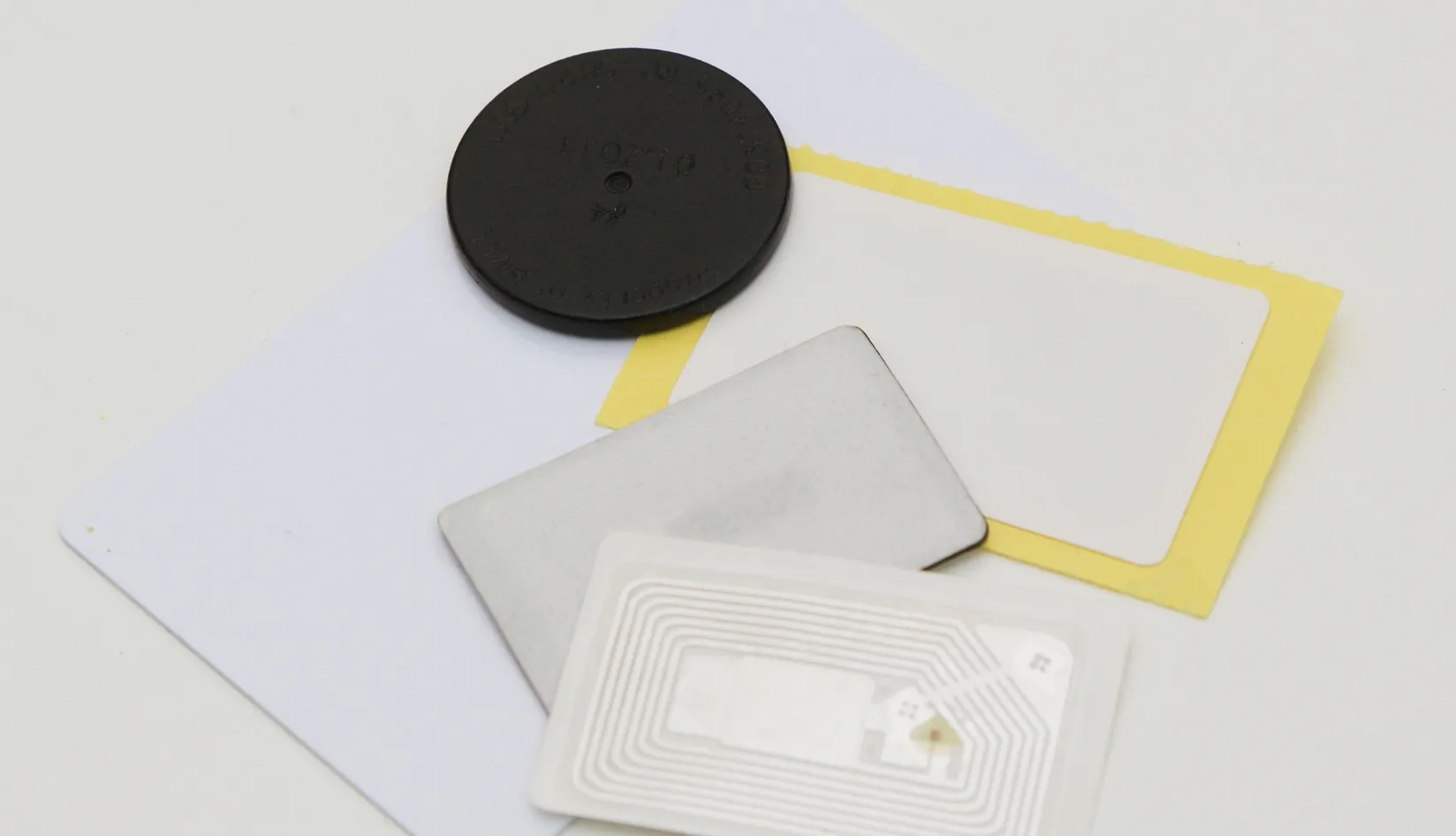
Not all RFID tags are suitable for concrete applications. A tag designed for warehouse inventory or logistics may fail when exposed to concrete pouring, moisture, or long-term outdoor conditions. When selecting RFID tags for concrete, consider the following factors.
5.1 Durability
Concrete is an extremely demanding environment. The tag should be able to withstand pouring, vibration, curing, moisture, impact, and long-term exposure without affecting its performance. A rugged protective housing is essential for ensuring the tag remains operational throughout the structure’s service life.
5.2 Read Performance
The required read distance depends on how the tag will be accessed after installation. For example, maintenance personnel may need to identify the asset without direct contact, making stable read performance an important consideration. The installation depth and surrounding reinforcement can also influence readability, so testing under actual project conditions is recommended.
5.3 Size and Installation Method
The tag should fit the available installation location without interfering with reinforcement or concrete placement. Compact embedded tags are often easier to position securely before pouring while remaining well protected inside the finished structure.
5.4 Environmental Compatibility
Concrete structures are frequently exposed to moisture, temperature changes, chemicals, and outdoor environments. Selecting a tag specifically designed for concrete applications helps ensure long-term reliability under these conditions.
6. Best Practices for Embedding RFID Tags in Concrete
Installing RFID embedded concrete tags correctly is just as important as selecting the right tag. Proper planning helps ensure reliable read performance and protects the tag throughout the structure’s service life.

6.1 Plan the Installation Before Concrete Pouring
Determine the installation location before concrete is poured. The tag should be positioned where it can be easily accessed with an RFID reader after construction while remaining protected inside the structure. Planning ahead also helps avoid conflicts with reinforcement placement and other embedded components.
6.2 Secure the Tag During Casting
The RFID tag should be firmly fixed in place before concrete placement begins. If the tag moves during pouring or vibration, it may end up in an unsuitable position or become difficult to read later.
6.3 Consider Reinforcement Layout
Steel reinforcement can influence RFID signal performance, particularly if the tag is installed directly against reinforcing bars. Whenever possible, leave appropriate spacing between the RFID tag and dense reinforcement. If installation near steel is unavoidable, perform testing under actual project conditions to verify reliable readability.
6.4 Verify Readability After Installation
After the concrete has cured, test each RFID tag using the intended reader to confirm that it can be identified successfully. Early verification allows installation issues to be detected before the project is handed over, reducing future maintenance challenges.
6.5 Keep Digital Records Up to Date
An RFID tag is only as valuable as the information associated with it. After installation, link the tag ID to the project’s digital records and keep those records updated throughout inspections, maintenance, and future repairs. This ensures every scan provides accurate and meaningful asset information throughout the structure’s lifecycle.
7. Conclusion
RFID tags for concrete provide more than permanent identification—they create a reliable connection between physical structures and their digital records. From construction and inspection to maintenance and renovation, embedded RFID tags improve traceability throughout the entire asset lifecycle.
If your project requires durable, long-term identification in demanding concrete environments, choosing RFID tags specifically designed for embedded installation is essential. At RFIDTag, we offer rugged RFID tags for concrete that deliver reliable performance and help support efficient infrastructure and asset management.




 EN
EN  ES
ES  JA
JA