


RFID (Radio Frequency Identification) technology has found extensive application in numerous industries, from logistics and supply chain management to retail, healthcare, and security, you can see it everywhere.
RFID technology uses radio frequency signals for data transmission and identification, and its working principle is relatively simple. An RFID system consists of three parts: RFID tags, RFID readers, and a backend system. Among these, the reader serves as a crucial component of the RFID system, responsible for emitting signals through radio waves to activate the tags and read the information within them, which is then transmitted to the backend system for processing.
So, how exactly does an RFID reader work, and what is its reading distance?
The Working Principle and Range of RFID Readers
How RFID Readers Work
RFID readers use electromagnetic waves to talk to RFID tags. They send out high-frequency or ultra-high-frequency signals, which the tags pick up. Once they catch the signal, the tags send their stored data back to the reader, which then decodes that information. How well a reader works is influenced by its power output, how sensitive it is to incoming signals, and how it’s designed—this is why different models can offer different reading distances.
Effective Range of RFID Readers
Generally, the range of RFID readers can be split into short-range (from a few centimeters to several meters) and long-range (tens of meters or even beyond). The range largely depends on the operating frequency, power levels, and antenna design of both the RFID tags and the readers. Here’s a quick overview:
- Low Frequency (LF): These readers have a shorter range, typically just a few centimeters, making them ideal for small-scale applications that don’t require a lot of data transmitted.
- High Frequency (HF): HF RFID readers typically operate within a range of a few centimeters to about 1 meter, commonly serving in areas like access control and payment processing.
- Ultra High Frequency (UHF): UHF RFID readers can operate over much longer distances, often used for logistics and asset tracking, with working ranges that can reach tens of meters or even beyond 100 meters.
Factors Affecting RFID Reader Range
Frequency and Power
Frequency directly influences how far RFID readers can operate. Low-frequency RFID readers are good at penetrating materials but have a limited effective reading range. In contrast, high-frequency and ultra-high-frequency RFID systems can read tags from greater distances, although they don’t do as well with obstacles. The power level of the reader plays a crucial role in determining how far the signal can travel; higher power means longer reading distances.
Environmental Factors
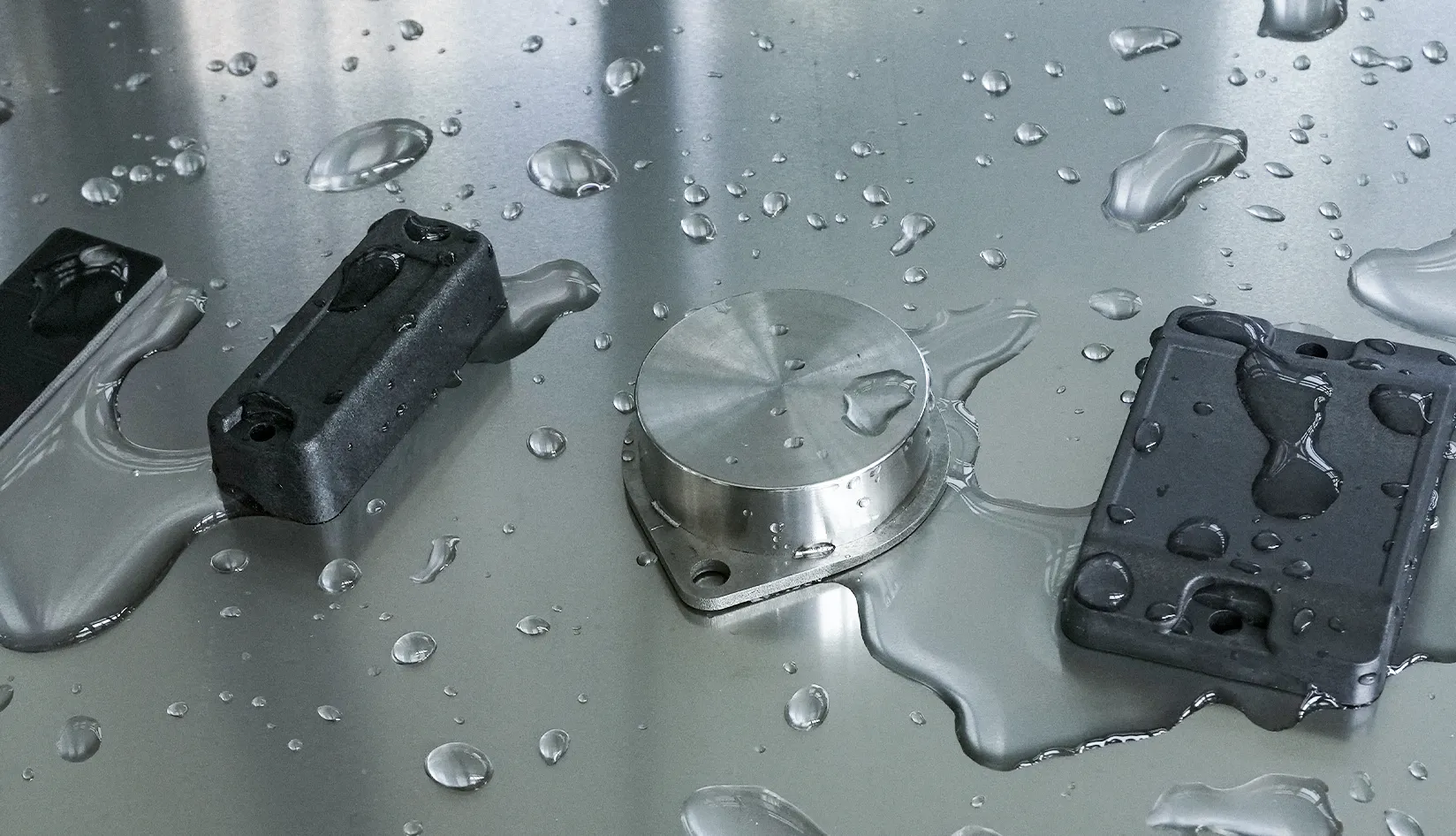
The environment can easily disrupt RFID signals, particularly metals and water. Metal objects can either absorb or bounce back RFID signals, which reduces the effective range of the reader. Water is another significant factor since it absorbs RFID signals strongly, meaning that in water-rich environments (like those in the food industry), you might need specialized designs or enhancement techniques. Walls, heavy barriers, and other obstructions can also interfere with signal transmission, making the effective range smaller.
Antenna Design and Configuration
The design of the RFID antenna has a major impact on how well the signal covers an area. Directional antennas focus the signal on a specific zone, which is great for applications that need accurate readings, such as access control. On the flip side, omnidirectional antennas provide coverage over a wider area, making them suitable for larger applications like warehouse management. The antenna’s height, angle, and placement can also affect its signal coverage, so a smart antenna setup can really boost the performance of an RFID system.
The Effective Range of RFID Readers in Various Applications
Logistics and Inventory Management
In logistics and inventory management, RFID readers need to cover a wide area for efficient tracking of goods. In warehouses, the reading range usually spans from a few meters to several meters more, depending on the environment and the types of tags used. Larger warehouses or transport vehicles often require long-range ultra-high-frequency RFID systems to track items across different zones.
Retail Applications
In retail environments, businesses use RFID technology for inventory management, theft prevention, and improving customer experience. The operational range of RFID readers is generally short, usually just within a few centimeters up to about one meter, which is enough for quickly scanning items and keeping inventory updated in real-time. Retail stores set up RFID readers to cover specific zones, ensuring that all product RFID tags can be read without issues.
Smart Access Control and Security
When it comes to RFID use in access control systems, security is a big concern, so short-range RFID readers are the norm. The effective distance for most access control systems is usually between 10 centimeters and one meter, which helps to stop unauthorized people from using cards to get through. With smart antenna design and optimized system setups, access control systems can provide accurate and secure access management.
Conclusion
The application of RFID technology has made significant strides across various industries, and the operational range of RFID readers is a critical factor in determining the effectiveness of these applications. By carefully selecting frequency, power, and antenna design, and optimizing environmental influences, you can effectively expand the reading range of RFID systems. In the future, as technology advances and application demands grow, the operational range of RFID readers will continue to increase, providing more efficient solutions for a wider array of industries. For businesses, understanding the principles of RFID technology and the factors affecting its range will aid in making more informed decisions when selecting and deploying RFID systems.
FAQs
Is the operating range of RFID readers related to the type of tags?
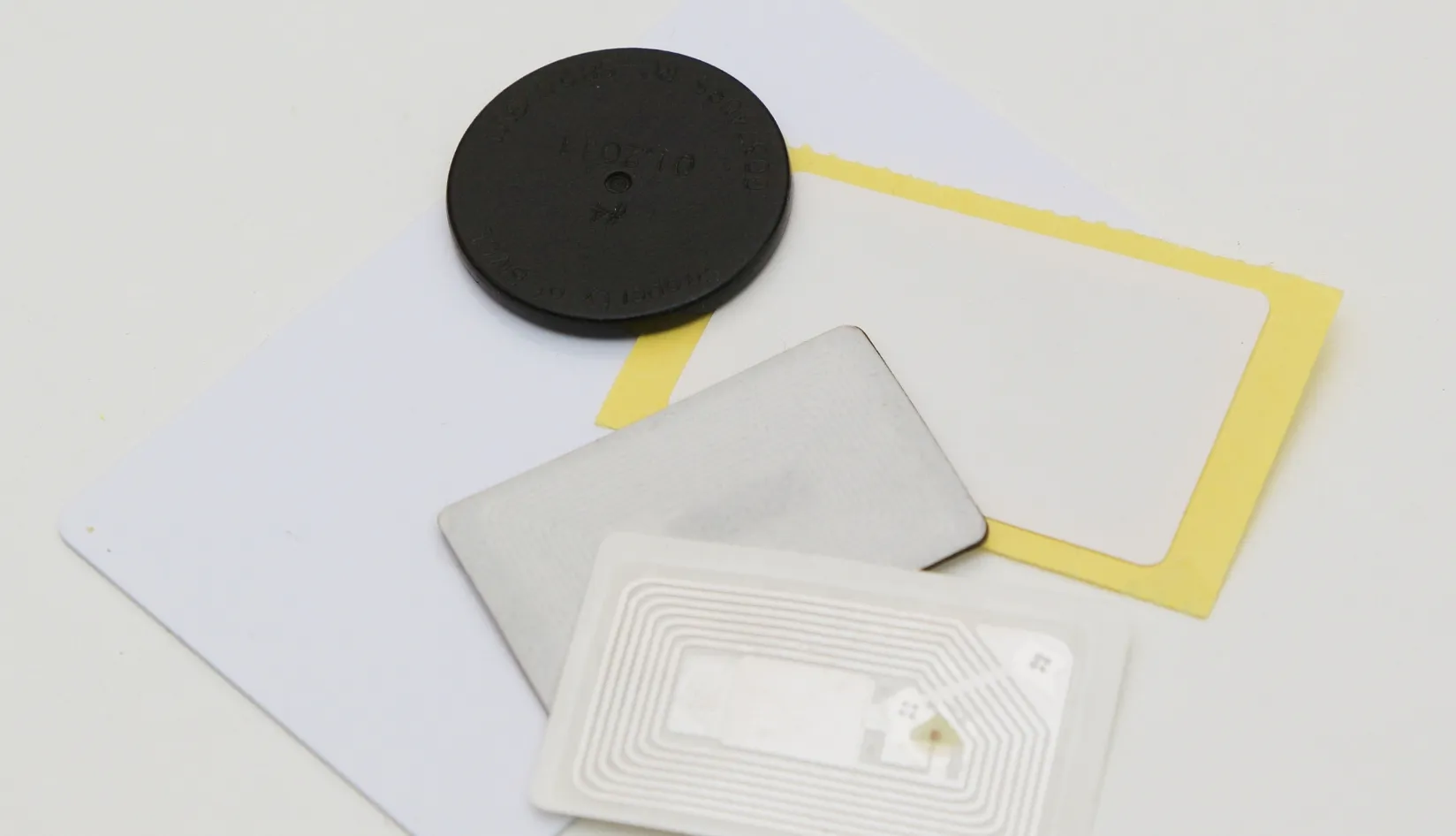
Yes, the range of RFID readers is closely associated with the types of tags used. Different tags, such as passive and active tags, have various energy sources and signal strengths. Active tags have their own batteries, which allow them to actively transmit signals and be read over longer distances. In contrast, passive tags don’t have batteries and rely on signals from the reader to power them up, which means they have shorter effective reading ranges and typically require close proximity for successful communication.
Why do metal and water interfere with RFID signal transmission?
Metal and water can disrupt RFID signal transmission because they absorb or reflect the radio frequency signals. Metal can block signals, causing a reduction in signal strength or preventing the signal from reaching the tags, which affects reading distances. Water, especially in the high frequency (HF) and ultra-high frequency (UHF) ranges, significantly absorbs RFID signals, creating even more interference. That’s why, when designing RFID systems, it’s crucial to consider these environmental factors and implement suitable optimization measures.
What is the range of RFID applications in traffic management?
In traffic management, RFID technology is primarily used for vehicle identification, toll collection, and traffic monitoring. Given the unique nature of traffic environments, RFID readers often need to operate over longer reading distances, particularly in settings like highways or toll booths, where they can achieve ranges of several dozen meters or even further. This long-range capability enables automatic identification and charging of vehicles without stopping, significantly enhancing traffic efficiency. Looking ahead, as technology progresses, the scope and precision of RFID applications are likely to keep expanding.




 EN
 ES
 JA