
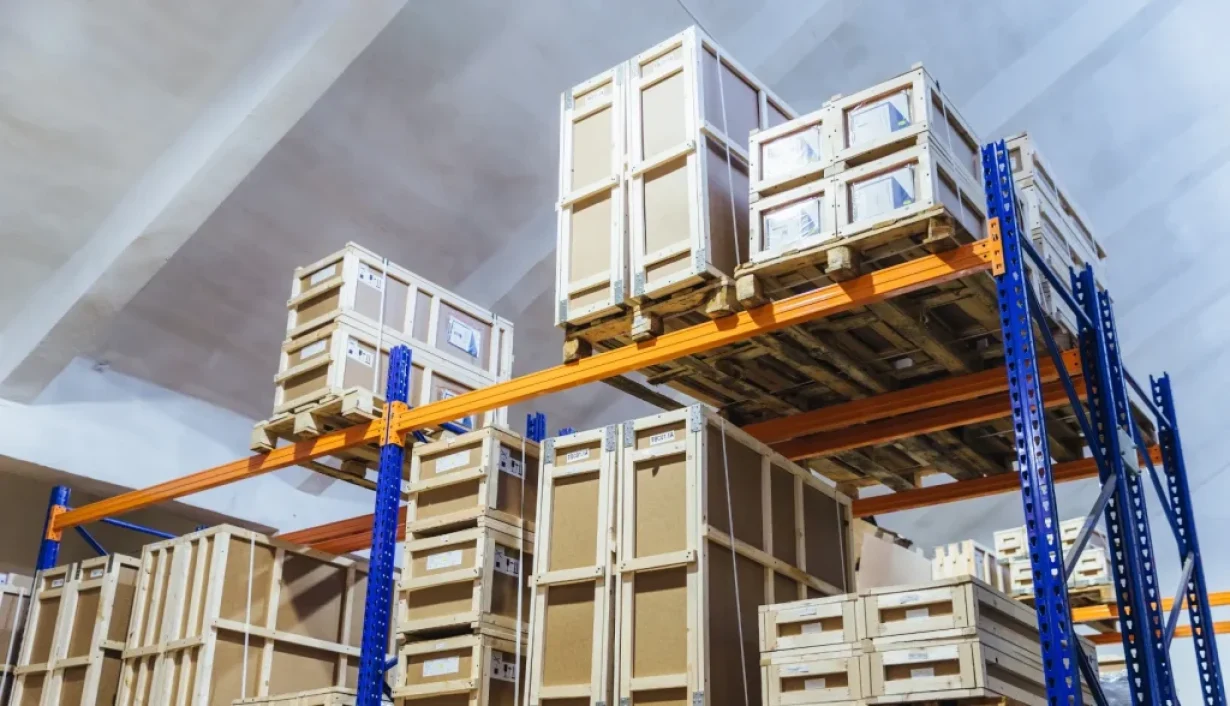

Container loss, inaccurate inventory, and manual tracking continue to challenge manufacturers, warehouses, and logistics providers. RFID for container tracking offers a smarter way to monitor reusable containers, shipping bins, pallets, and industrial assets throughout the supply chain. This guide explains how RFID for container tracking works, its key benefits, common applications, and the best practices for building a reliable and scalable tracking system.
1. What Is RFID for Container Tracking
RFID for container tracking is the use of Radio Frequency Identification (RFID) technology to automatically identify, locate, and manage containers as they move through manufacturing facilities, warehouses, distribution centers, and transportation networks.

Instead of relying on manual barcode scanning or handwritten records, RFID systems use wireless communication to capture container information quickly and accurately. Each container is equipped with an RFID tag that stores a unique identifier. When the tagged container passes an RFID reader, the system automatically records its identity, location, and movement without requiring direct visibility.
A typical RFID container tracking system consists of four key components:
- RFID tags attached to containers, totes, bins, pallets, or reusable transport items (RTIs)
- RFID readers installed at dock doors, production lines, warehouse entrances, or mounted on handheld devices
- RFID antennas that create the read zone and capture tag signals
- Management software that collects, analyzes, and displays tracking data in real time
Depending on the operating environment and required read distance, organizations may choose between passive RFID tags, battery-assisted passive (BAP) tags, or active RFID tags. For most warehouse and industrial container tracking applications, passive UHF RFID tags offer the best balance of cost, durability, and scalability.
2. How RFID for Container Tracking Works

An RFID tracking system automatically captures container movements as they pass through predefined checkpoints. The process typically follows these steps:
2.1 Attach RFID Tags to Containers
Each reusable container is fitted with an RFID tag that contains a unique Electronic Product Code (EPC) or other identification data.
The choice of tag depends on several factors, including:
- Container material (plastic, metal, or wood)
- Operating environment (indoor, outdoor, or cold storage)
- Required read distance
- Exposure to moisture, chemicals, or physical impact
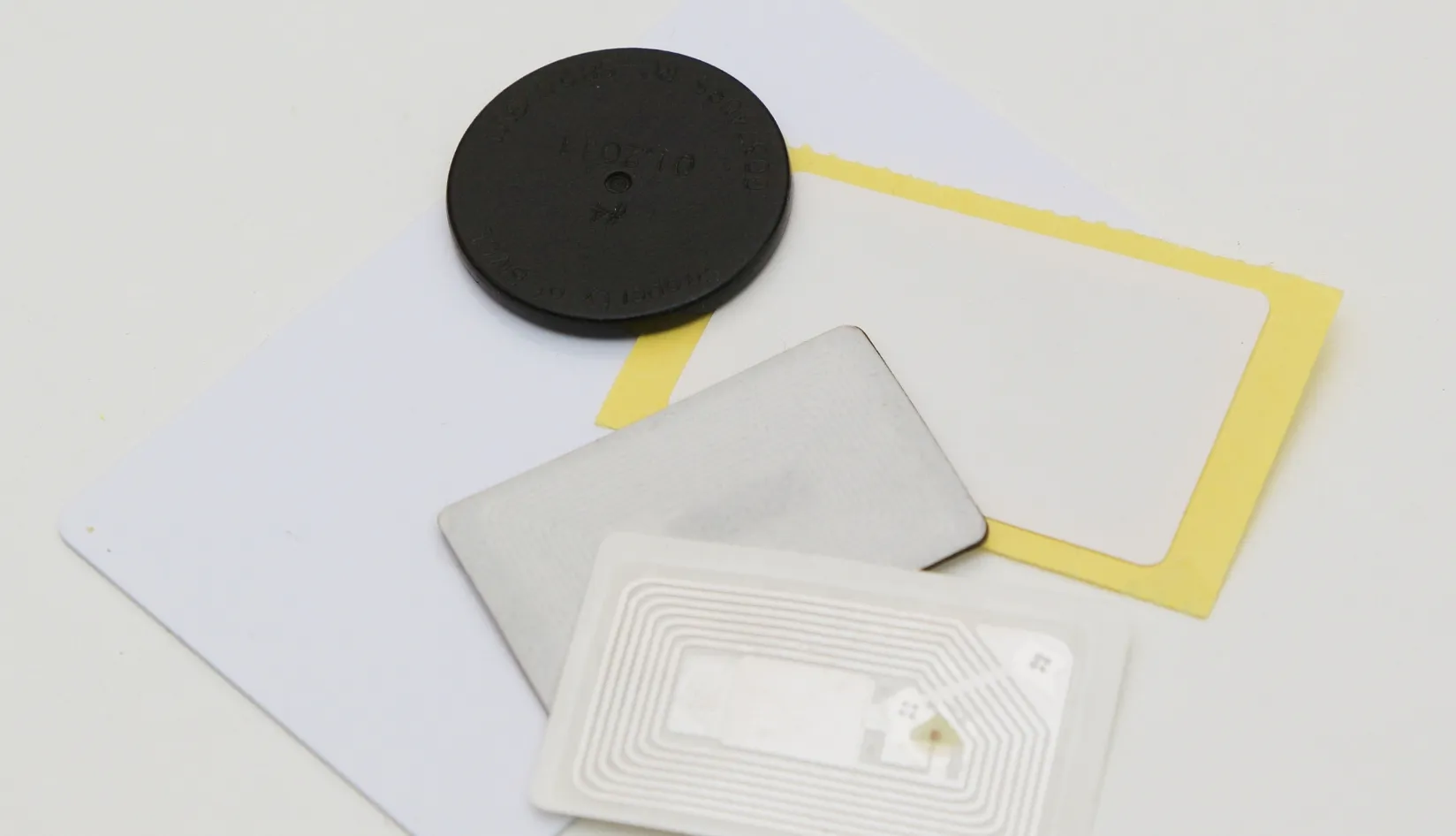
For example, rugged hard RFID tags are commonly used on reusable industrial containers, while on-metal RFID tags are designed to maintain reliable performance when mounted directly on metal surfaces.
2.2 Capture Data with RFID Readers
RFID readers are installed at strategic locations where containers naturally move through the workflow, such as:
- Warehouse entrances and exits
- Dock doors
- Shipping and receiving stations
- Vehicle loading zones
As tagged containers enter the reader’s field, their IDs are captured automatically. Multiple containers can be read simultaneously, significantly increasing operational efficiency.
2.3 Transmit Data to the Management System
After the reader captures tag information, the data is transmitted to RFID middleware or management software. The system records key information such as:
- Container ID
- Read time
- Read location
- Movement history
- Current status
Many organizations integrate RFID data with enterprise systems such as Warehouse Management Systems (WMS), Enterprise Resource Planning (ERP), or Manufacturing Execution Systems (MES). This integration enables real-time inventory updates and supports more accurate operational planning.
2.4 Monitor Container Movement in Real Time
As containers continue moving through different facilities or production stages, each read event updates the container’s status automatically. Managers can quickly determine:
- Where a container is currently located
- Whether it is in storage, production, transit, or maintenance
- How many containers are available at each site
- Which containers have not been returned on time
This real-time visibility helps eliminate manual recordkeeping and enables faster, data-driven decision-making.
3. Benefits of RFID for Container Tracking
By providing real-time visibility into container movements, RFID helps businesses improve operational efficiency, reduce costs, and make better-informed decisions across the supply chain.

3.1 Improve Inventory Accuracy
By automating data capture, RFID virtually eliminates human error associated with manual tracking methods. Each container’s unique ID is precisely read and recorded, ensuring highly accurate location and status information
3.2 Reduce Container Loss and Misplacement
Reusable containers are valuable assets. Without an effective tracking system, they can be misplaced, left at customer sites, or lost during internal transfers.
RFID provides a complete movement history for every tagged container, making it easier to identify where losses occur and recover missing assets. Over time, organizations often see fewer replacement purchases and better utilization of their existing container fleet.
3.3 Increase Operational Efficiency
Automated tracking significantly accelerates processes at ports, customs, and warehouses. Containers are quickly identified and processed, reducing turnaround times and enhancing overall logistics efficiency. This also streamlines inventory management and optimizes operational workflows.
3.4 Enhance Supply Chain Visibility
RFID for container tracking provides near-instantaneous updates on container locations and status from origin to destination. This transparency reduces uncertainty, enables better planning, and allows for proactive decision-making across the supply chain.
3.5 Improve Scalability for Growing Operations
As businesses expand into new warehouses, production sites, or distribution centers, manual tracking methods become increasingly difficult to manage.
An RFID system can scale with business growth by supporting larger numbers of containers, additional reader locations, and integration with existing enterprise software. This makes RFID a long-term solution for organizations seeking to improve asset visibility across increasingly complex supply chains.
4. Common Applications of RFID for Container Tracking
RFID for container tracking finds diverse applications across various stages of the supply chain. Here are some of the most common applications.
4.1 Manufacturing and Work-in-Process (WIP) Tracking
Manufacturers often use reusable containers to transport components between production lines, assembly stations, and warehouses. Without an automated tracking system, containers can be misplaced, causing production delays and unnecessary replacement costs.

By attaching RFID tags to containers, manufacturers can:
- Monitor container movement between workstations
- Reduce production bottlenecks
- Ensure components arrive at the correct location
- Improve traceability throughout the manufacturing process
Real-time visibility also helps production managers identify workflow inefficiencies and maintain smoother operations.
4.2 Warehouse Management
RFID transforms warehouse operations by enabling real-time inventory management of containers and their contents. Staff can quickly locate specific containers, and the system automatically updates inventory levels, improving order fulfillment speed and reducing errors.
4.3 Returnable Transport Item (RTI) Management
Many industries rely on reusable transport assets such as plastic totes, bulk bins, roll cages, pallets and reusable crates. These returnable transport items (RTIs) represent a significant investment. Losing track of them can lead to higher replacement costs and supply chain disruptions.
RFID provides complete visibility into RTI circulation, allowing businesses to:
- Track container ownership
- Monitor return cycles
- Reduce losses
- Increase asset utilization
- Improve accountability across suppliers and customers
4.4 Logistics and Transportation
Logistics providers manage container movements across warehouses, cross-docking facilities, and transportation hubs. Knowing exactly where containers are at any given time helps improve delivery accuracy and operational efficiency.
RFID supports logistics operations by enabling:
- Automated shipment verification
- Faster loading and unloading
- Improved dock management
- Real-time tracking of reusable containers
- Better coordination between multiple facilities
Combined with transportation management systems, RFID data provides a more complete picture of asset movement throughout the logistics network.
4.5 Food and Beverage Supply Chains
Reusable containers play an essential role in food processing, beverage distribution, and cold chain logistics. Maintaining visibility helps ensure containers circulate efficiently while supporting hygiene and quality requirements.
When paired with rugged RFID tags designed for harsh environments, these systems can withstand frequent washing, moisture, and temperature fluctuations.
5. Best Practices for Successful RFID Container Tracking
Successful implementation of RFID for container tracking requires careful planning and adherence to best practices.
5.1 Choose RFID Tags That Match the Container and Environment
Different containers require different types of RFID tags. When choosing RFID tags, consider factors such as:
- Container material: Metal containers typically require on-metal RFID tags, while plastic containers can often use standard UHF RFID tags.
- Operating environment: Exposure to moisture, chemicals, UV light, or extreme temperatures may require rugged industrial tags.
- Mounting method: Depending on the application, tags can be attached using adhesive, screws, rivets, cable ties, or embedded directly into the container.
- Read range requirements: Longer read distances may require tags with higher-performance antennas.
5.2 Install Tags in the Optimal Position
Even the best RFID tag can perform poorly if it is installed incorrectly.
When determining tag placement:
- Avoid mounting tags where they may be blocked by metal structures or stacked containers.
- Place tags where readers have a clear reading path during normal container movement.
- Keep the installation position consistent across all containers to improve reading reliability.
- Test different mounting locations before large-scale deployment.
5.3 Design Reader Locations Around Container Movement
RFID readers should be installed where containers naturally pass through the workflow rather than forcing employees to change their processes. Proper reader placement helps ensure every container movement is captured automatically while minimizing missed reads.
5.4 Integrate RFID Data with Business Systems
RFID delivers the greatest value when tracking data is connected to existing business software.
Integrating RFID with systems such as ERP, WMS, or MES allows businesses to:
- Update inventory automatically
- Monitor container availability in real time
- Improve production planning
- Generate utilization and movement reports
- Support data-driven operational decisions
This eliminates duplicate data entry and provides a single source of truth across the organization.
5.5 Test Before Full-Scale Deployment
Before expanding an RFID solution across multiple facilities, conduct a pilot project under real operating conditions.

During testing, evaluate:
- Read accuracy
- Reader coverage
- Tag durability
- Environmental interference
- Workflow compatibility
A pilot deployment helps identify potential issues early, allowing adjustments before making a larger investment.
6. Conclusion
RFID for container tracking is no longer a futuristic concept but a vital tool for modern supply chain management. By offering unparalleled real-time visibility, accuracy, and efficiency, it empowers businesses to navigate the complexities of global shipping with greater control and security.
If you’re looking for reliable RFID tags for container tracking, RFIDTag offers a wide range of high-quality UHF RFID tags designed for plastic, metal, and other challenging environments. Our team can help you choose the right solution for your specific application.





 EN
 ES
 JA