


RFID (Radio Frequency Identification) technology is everywhere—from tracking inventory in warehouses and preventing theft in retail stores to controlling access in office buildings. But when it comes to how far an RFID tag can be read, many people are left wondering: What’s the actual read range of these tags?
The truth is, RFID read range isn’t a fixed number—it depends on a variety of factors. In this article, we’ll break down what affects RFID tag range, compare different tag types, and share practical tips to help you choose the right solution for your needs.
Key Factors That Affect RFID Tag Read Range
The distance at which an RFID tag can be successfully read—commonly referred to as RFID tag range—is influenced by several interrelated factors. Understanding these variables is essential for selecting the right RFID system and optimizing performance. Below are the most critical elements that impact RFID tag read range:
Tag Type: Active, Passive, and Semi-Active
One of the most significant factors is the type of RFID tag being used:
- Passive RFID tags have no internal power source. They rely entirely on energy from the reader’s signal and typically have a read range of a few centimeters to about 10 meters, depending on frequency and other factors.
- Active RFID tags have a built-in battery, which allows them to broadcast signals independently. These tags can be read at much greater distances—often up to 100 meters or more.
- Semi-active (or semi-passive) tags combine characteristics of both. They have a battery to power the internal circuitry but rely on the reader’s signal to communicate. Their range generally falls between passive and active tags.
Operating Frequency: LF, HF, UHF, and Microwave
RFID systems operate at different frequency bands, and each has its own range characteristics:
- Low Frequency (LF): 125–134 kHz
Short range (up to 10 cm), strong resistance to interference from liquids and metals, but slower data rates. - High Frequency (HF): 13.56 MHz
Read range typically up to 1 meter. Common in contactless payment systems and smart cards. - Ultra High Frequency (UHF): 860–960 MHz
Offers the longest read ranges for passive tags—typically 3–10 meters and even more in ideal conditions. Widely used in supply chain and asset tracking. - Microwave (2.45 GHz and above)
Potential for long-range reading, but performance can be highly affected by environmental factors such as moisture or metal.
Reader Power and Antenna Gain
The performance of the RFID reader plays a key role in determining how far a tag can be read:
- Reader transmit power: Higher output power increases the energy available to passive tags, improving read range.
- Antenna gain and design: Directional antennas can focus energy in a specific area, resulting in greater range and read accuracy. The placement and angle of the antenna also matter.
Proper antenna selection and placement can dramatically improve the effective RFID coverage area.
Installation Environment and Interference
The physical environment where RFID systems are deployed can significantly affect performance:
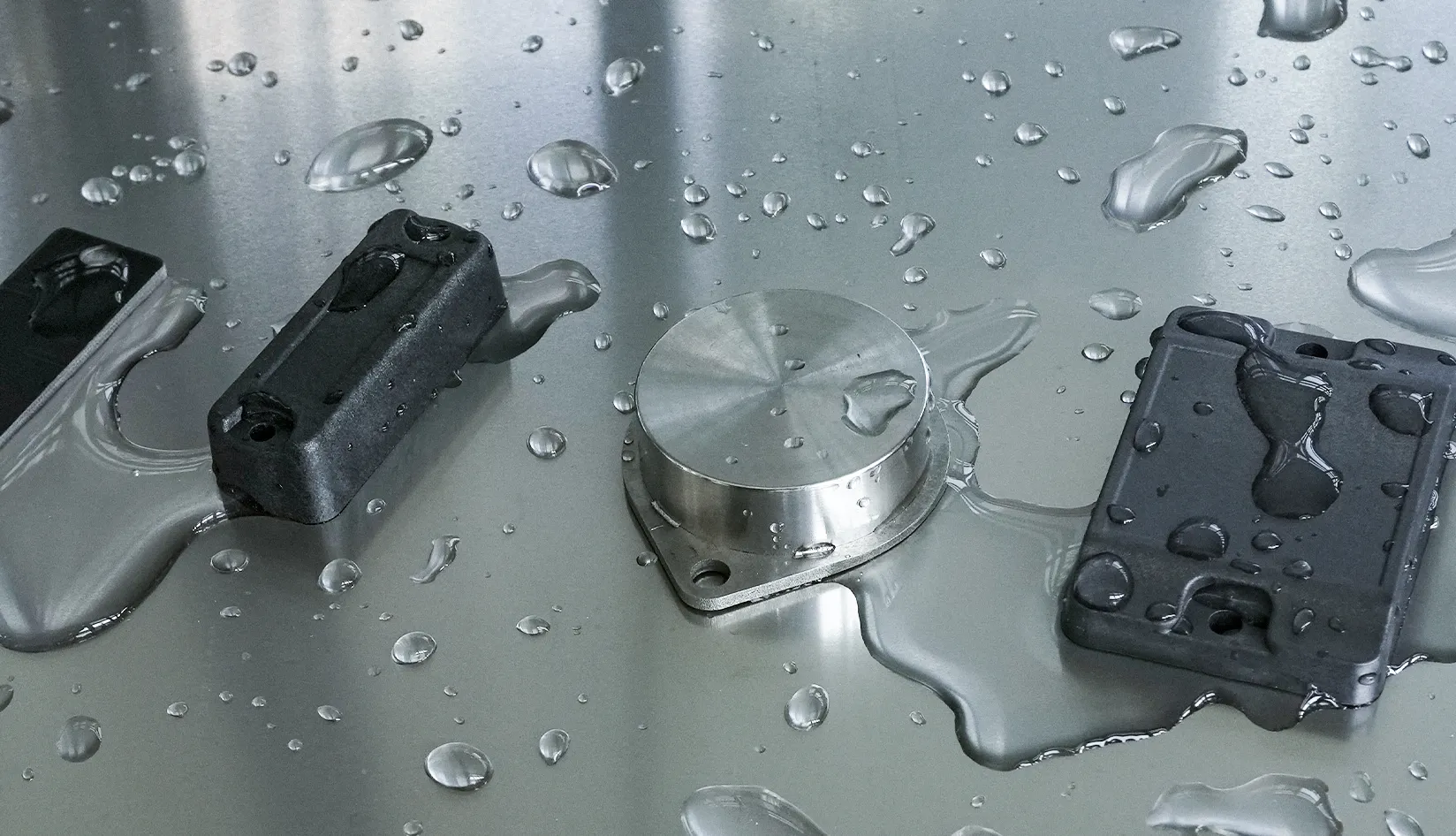
- Metal surfaces may reflect or absorb signals, reducing read range or causing blind spots.
- Liquids (especially water) absorb RF energy, particularly at UHF and microwave frequencies, which can drastically shorten range.
- Electromagnetic interference (EMI) from nearby devices, machinery, or Wi-Fi networks can disrupt signal clarity.
To maximize performance, it’s critical to test RFID systems in real-world conditions and use tags specifically designed for challenging environments (e.g., on-metal tags).
Tag Size and Chip Sensitivity
Finally, the physical characteristics of the tag itself make a difference:
- Antenna size: Larger antennas can capture more energy, allowing for longer read ranges. To understand how dimensions impact performance, you can read our deep dive into the antenna design science behind RFID tag size.
- Chip sensitivity: Newer RFID chips have higher sensitivity, meaning they can respond to weaker signals and perform better in marginal conditions.
While compact tags are convenient, they often come with shorter read ranges—so it’s important to balance size with performance needs.
RFID Tag Range in Common Use Cases
RFID technology is used across a wide range of industries, and the effective read range of RFID tags varies significantly depending on the application, tag type, and system design. Below are some of the most common use cases, with a breakdown of typical read distances and related considerations.
What’s the RFID Tag Range in Warehouse and Logistics Systems?
In warehouse and logistics operations, UHF (Ultra High Frequency) RFID tags are most commonly used due to their long read range and fast bulk scanning capabilities.
- Typical range: 6 to 12 meters (20 to 40 feet), depending on antenna power, tag orientation, and environmental conditions.
- Applications: Pallet tracking, carton-level inventory control, conveyor belt automation.
Tips: Use directional antennas and proper tag placement to minimize signal loss due to stacking or metal racks.
How Far Can RFID Tags Be Read in Retail Anti-Theft Systems?
Retail environments commonly use HF (High Frequency) RFID tags, particularly for Electronic Article Surveillance (EAS) or item-level tracking.
- Typical range: 0.5 to 1.2 meters (1.5 to 4 feet)
- Applications: Theft prevention at store exits, inventory tracking, smart shelves, and driving the broader NFC technology apparel retail transformation.
Tips: Install dual antennas near entry/exit points to create a consistent read zone.
What’s the Read Range of RFID Tags for Asset Tracking?
For asset tracking, especially across large facilities or outdoor environments, active RFID tags are often preferred because of their long-range capabilities.
- Typical range: 20 to 100 meters (65 to 330 feet), depending on battery strength and beaconing interval.
- Applications: Equipment tracking in hospitals, yard management, vehicle monitoring. Implementing RFID for asset tracking ensures smart management across large-scale facilities.
Tips: Active tags can be configured to ping at regular intervals or be triggered on motion or temperature change.
How Close Do You Need to Be for RFID Access Control Systems to Work?
In access control systems (e.g., building entry, employee attendance), HF or NFC-based RFID is used for its security and short-range precision.
- Typical range: 2 to 10 cm (less than 4 inches)
- Applications: Door access badges, contactless ID verification, time clock systems, explore our breakdown on how RFID access control works and why it’s essential for modern security.
Tips: Short-range minimizes the risk of accidental or unauthorized reads.

How to Improve RFID Tag Read Range: Practical Tips
Maximizing the read range of an RFID tag is often essential for system reliability and efficiency. Whether you’re working with a passive UHF system in a warehouse or an HF system in access control, optimizing for distance can make a huge difference. Below are several actionable strategies to enhance RFID performance across different applications.
Optimize Antenna Design and Placement
The design, orientation, and location of the reader’s antenna significantly affect how far RFID tags can be detected.
- Use high-gain directional antennas to focus energy in specific zones, especially in long-range applications like gates or loading docks.
- Adjust antenna angles to ensure the signal hits the tag head-on; many RFID tags are directional and won’t respond well from the side.
- Increase the number of antennas in areas where coverage is inconsistent or if tags are coming from unpredictable angles.
Tip: In passive UHF systems, aligning the antenna’s polarization with the tag orientation (e.g., vertical vs horizontal) can boost range by 20–30%.
Choose High-Sensitivity RFID Tags and Chips
Not all tags are created equal. Tags with higher chip sensitivity can operate at lower power levels and respond to weaker signals, resulting in longer read distances.
- Look for tags rated for low dBm activation thresholds (e.g., -20 dBm or better).
- Select tags with larger or optimized antennas, which are more efficient at energy capture.
- Use tags that match your frequency range (e.g., UHF vs HF) and environment (e.g., on-metal tags for industrial settings).
Tip: Some modern UHF tag chips offer read ranges up to 15 meters in open environments when paired with high-gain antennas.
Use the Right Frequency Band for the Environment
Each RFID frequency range performs differently depending on the surrounding conditions:
- LF (125–134 kHz): Best for environments with heavy metal or water, but limited range (~10 cm).
- HF (13.56 MHz): Good balance between resistance to interference and moderate read range (~1 meter).
- UHF (860–960 MHz): Longest passive read ranges (up to 12 meters), but sensitive to liquids and metal.
- Microwave (2.4 GHz): High-speed, long-range active tags, but easily blocked by moisture or dense material.
Tip: Choose UHF for logistics and inventory, HF for payments and access control, and LF for close-proximity, rugged environments.
Minimize Interference from Metals and Liquids
One of the most common causes of reduced RFID range is environmental interference, especially from metal surfaces and water.
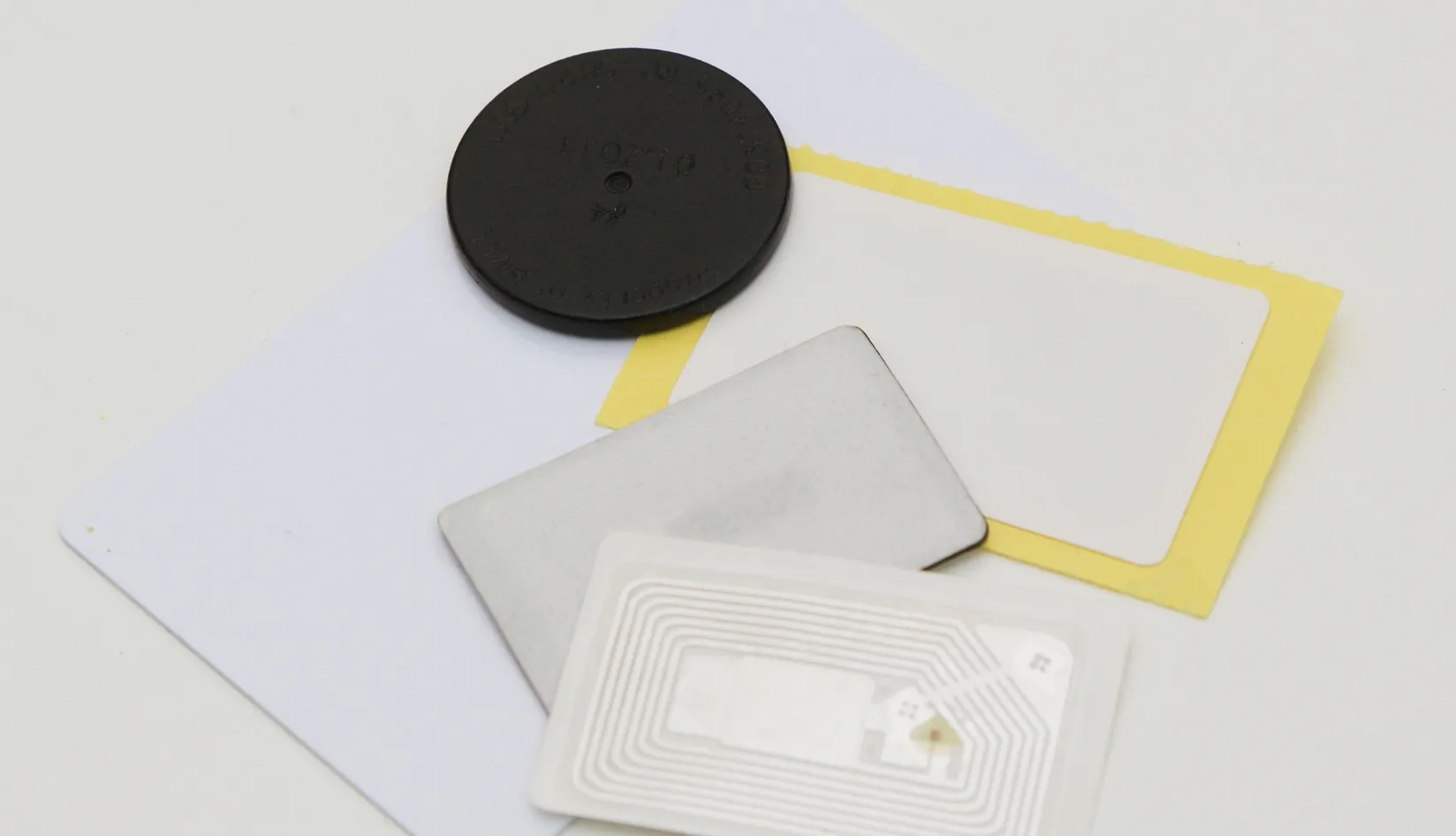
- Avoid placing passive tags directly on metal unless they are on-metal RFID tags, specially designed with shielding. For a more comprehensive look at overcoming environmental challenges, check out our guide on what RFID metal interference is and how to avoid it.
- Use foam spacers or adhesive isolators to reduce contact with conductive materials.
- In high-humidity or liquid-filled environments, consider encapsulated or sealed tags that mitigate detuning caused by moisture.
Tip: Test tag performance in real-world conditions before final deployment. Lab results can differ drastically from field results due to interference.
Common Misconceptions and Pitfalls in RFID Read Range
When deploying RFID systems, many users fall into avoidable traps that limit performance or lead to incorrect assumptions about how RFID actually works. Below, we clarify some of the most common myths and practical issues that can affect RFID tag read range—and how to avoid them.
Does a More Expensive RFID Tag Always Read Farther?
Not necessarily.
Higher price doesn’t automatically mean longer range. RFID tag pricing is influenced by several factors such as:
- Memory size (e.g., EPC-only vs user memory)
- Specialty construction (e.g., on-metal, waterproof, temperature-resistant)
- Brand and durability for industrial environments
Some budget-friendly tags may outperform more expensive ones in certain applications simply because their antenna design is better matched to the environment.
Takeaway: Focus on tag design and compatibility, not price. A $0.20 tag with a large UHF antenna might outperform a $1 specialty tag in open-air scanning.
Can I Just Increase Reader Power to Get More Range?
Yes—but it’s not always the best solution.
While boosting reader power (within regulatory limits) can improve read range for passive RFID systems, it can also introduce problems such as:
- Increased signal reflections and multi-path interference
- Tag collisions in dense environments
- Higher energy consumption
- Regulatory non-compliance in certain regions (e.g., FCC in the U.S., ETSI in Europe)
Also, if the tag itself isn’t sensitive enough, more power may not help much.
Tip: Before cranking up the power, optimize antenna placement, tag type, and environmental conditions.
Why Are Some Tags Not Read Even Within Range?
This is often due to tag orientation or “dead zones” in the read field.
- RFID tags, especially UHF, are polarized—they only respond well when aligned with the reader’s signal field.
- If a tag is turned sideways or upside-down relative to the antenna, its range may drop significantly or it may not be read at all.
- Objects like boxes, shelves, or pallets may block or reflect signals, creating areas with no coverage.
Solution: Use circularly polarized antennas for dynamic environments or tag items in predictable, consistent orientations.
Conclusion: How to Choose the Right RFID Tag for Your Needs
When it comes to RFID performance, there’s no one-size-fits-all solution. The key to achieving optimal read range lies in balancing two critical factors: the type of RFID tag and its suitability for the environment.
Rather than chasing the longest possible read distance, focus on selecting a tag that meets the unique demands of your application—whether that’s short-range precision in access control, or long-distance tracking in a warehouse.
Right tag + right setup = reliable, efficient RFID performance.
Still unsure which tag is right for you? Start by defining your goals, environment, and read range needs—then test before you deploy.
FAQs
Why Is My RFID Tag Not Reading at a Distance?
There are several reasons an RFID tag may not read at the expected distance:
- Tag is not properly aligned with the reader antenna
- Reader power is too low or antenna is misconfigured
- Environmental interference from metal or water
- Using the wrong frequency band for your application
- Tag is damaged or of low sensitivity
Can RFID Tags Work Through Walls or Containers?
- LF and HF tags may penetrate non-metallic materials but have short ranges
- UHF tags can read through cardboard and plastic but struggle with metal or liquid-filled containers
- Active RFID is best for penetrating walls or covering long distances
What’s the Best Way to Test RFID Tag Range Before Deployment?
- Set up a controlled environment with your intended reader and tags
- Gradually increase distance and record signal strength or read success
- Test from multiple angles and through real-world obstacles (e.g., boxes, pallets)
- Always test with the same materials and orientations you’ll use in production




 EN
EN  ES
ES  JA
JA