


In the competitive hospitality industry, every operational detail impacts profitability and guest satisfaction. One persistent challenge hotels face is the significant loss and theft of towels, leading to substantial replacement costs and operational inefficiencies. By implementing RFID technology, hospitality businesses can gain real-time visibility into towel usage, automate inventory processes, and reduce unnecessary replacement costs.
1. The Hidden Cost of Towel Loss

Hotel towel loss is more than just a minor inconvenience; it represents a considerable financial drain and operational headache. Industry estimates suggest that hotels can lose anywhere from 15% to 30% of their linen inventory annually, with pool and beach towels being particularly susceptible to disappearance. This shrinkage translates into millions of dollars in replacement costs across the industry each year. Beyond the direct financial impact, poor towel management leads to several hidden costs:
- Inaccurate Inventory: Manual counting is prone to errors, leading to over-ordering or unexpected shortages, tying up capital, and crowding storage.
- Increased Labor Demands: Housekeeping staff spend valuable time on manual inventory checks, diverting resources from guest-facing services.
- Laundry Inefficiencies: Miscounts and discrepancies with laundry vendors can inflate costs and complicate billing.
- Service Disruption: Towel shortages directly impact guest satisfaction, especially in luxury settings where expectations for amenity availability are high.
2. What is RFID Towel Tracking
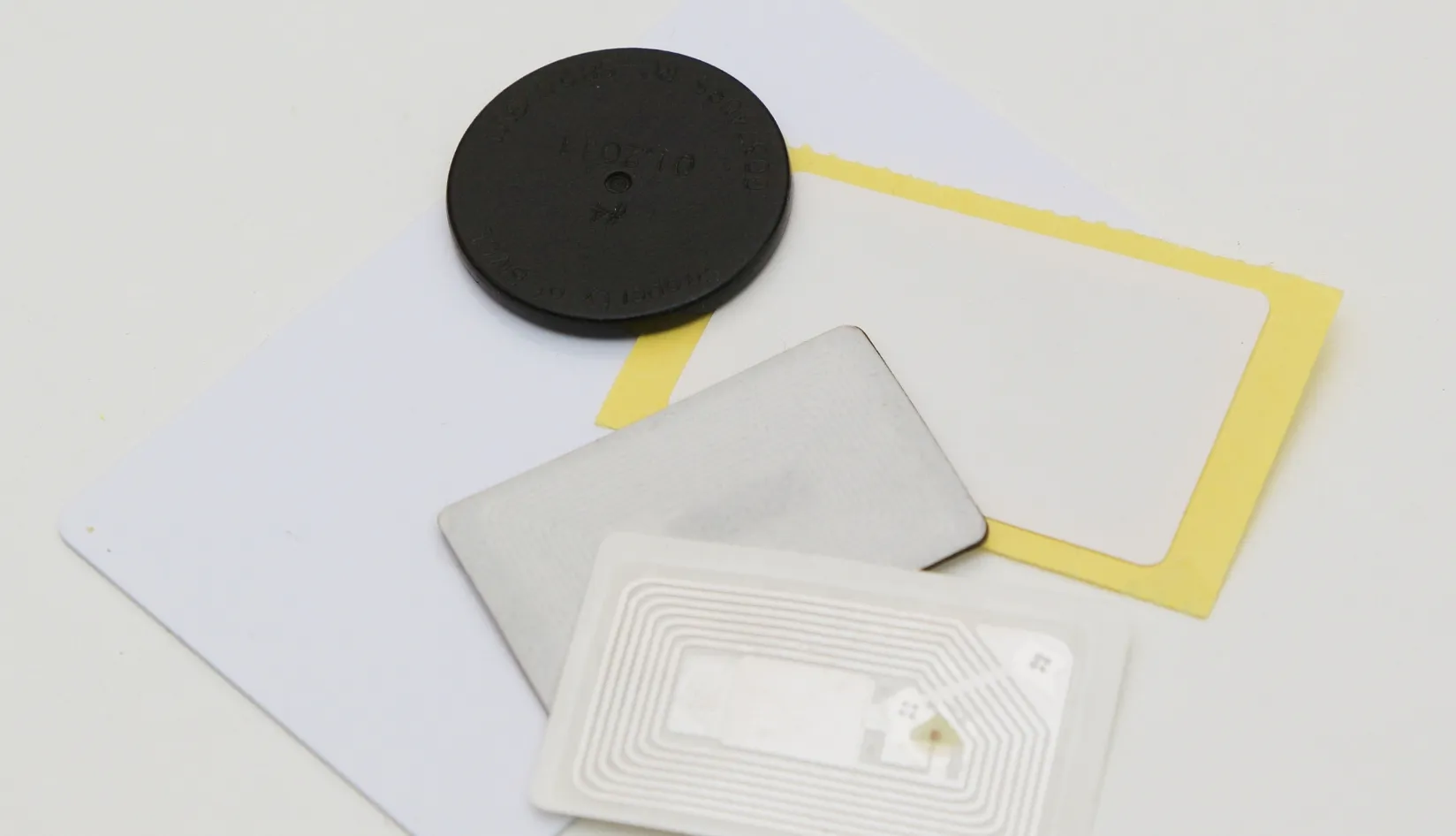
RFID towel tracking utilizes radio frequency identification technology to uniquely identify and monitor individual towels throughout their lifecycle. At its core, an RFID system consists of small, durable tags embedded within the towels, readers placed at strategic points, and a software platform to process and analyze the data.

These tags are designed to withstand the rigors of industrial washing, including high temperatures, harsh chemicals, and repeated cycles, ensuring longevity and consistent performance. Unlike traditional barcodes, RFID tags do not require a direct line of sight to be read, allowing for rapid, bulk scanning of multiple items simultaneously.
3. How RFID Towel Tracking Works in Hotels
The implementation of an RFID towel tracking system transforms traditional linen management into a highly automated and efficient process. Here’s a breakdown of how it typically works:
Tagging: EEach towel is equipped with a washable RFID laundry tag. The tag stores a unique EPC code associated with that individual towel.
Readers: RFID readers are strategically installed at various checkpoints within the hotel, such as laundry rooms, linen closets, pool kiosks, and exit points. These readers emit radio waves to communicate with the tags.
Data Capture: As towels move through these checkpoints, the readers automatically detect and record the unique ID of each tag. This data is then transmitted to a central software platform.
Software Platform: The cloud-based software processes the collected data, providing real-time insights into the location, status, and movement of every towel. This platform can track:
- Current inventory levels across different locations
- The number of wash cycles each towel has undergone
- Usage frequency and patterns
- When and where towels leave expected circulation
Alerts and Reporting: The system can be configured to trigger alerts for unauthorized removal of towels or when stock levels fall below predefined thresholds. Comprehensive reports offer valuable analytics for optimizing inventory and operational planning.
Proper installation is essential to maximizing the service life of RFID laundry tags. Watch the tutorial video below to learn the correct attachment process.

4. What to Consider When Choosing RFID Towel Tags
Not all RFID tags are suitable for towel applications. Important considerations include:
- Durability: Tags should survive high-temperature washing, drying, ironing and chemical exposure.
- Read performance: Reliable reading is essential when towels are stacked or compressed.
- Tag size: Small and flexible tags improve comfort and minimize impact on textile quality.
- Installation method: Common methods include heat sealing and sewing. Proper placement helps ensure consistent performance and longer service life.

5. Key Benefits for Hotels
Adopting RFID towel tracking offers a multitude of benefits that extend beyond simple loss prevention, significantly enhancing hotel operations and guest experience:
5.1 Improved Inventory Accuracy
Traditional counting methods often produce inaccurate inventory records. RFID systems can achieve inventory accuracy above 95%, allowing managers to identify discrepancies quickly.
5.2 Better Accountability
Since every towel has a unique identity, losses become traceable.
Hotels can determine:
- Where towels disappear
- Which locations experience higher loss rates
- Whether losses occur inside laundry operations
This transparency encourages better asset management.
5.3 Faster Inventory Audits

Manual inventory checks may take several hours. Using handheld RFID readers, staff can complete inventory counts in minutes while maintaining normal operations.
5.4 Preventing Overstocking
Without accurate inventory data, hotels often purchase more towels than necessary. RFID Towel Tracking enables hotels to maintain optimal inventory levels, reducing unnecessary capital expenditures.
5.5 Lifecycle Management
Not all towels should be replaced at the same time. RFID systems record wash cycles and usage history, helping hotels retire towels based on actual condition rather than estimates. This maximizes textile utilization and lowers replacement costs.
6. Implementing RFID: Considerations and ROI
Implementing an RFID towel tracking system requires an initial investment in tags, readers, and software. However, the return on investment (ROI) is often rapid and substantial. Most properties report seeing a measurable ROI within 12-18 months through reduced losses, lower labor costs, and improved operational efficiency.

Key considerations for implementation include:
- Investment vs. ROI: Evaluate the upfront costs against the long-term savings from reduced shrinkage and improved efficiency.
- Staff Training: Proper training for housekeeping, laundry, and management teams is crucial to maximize the system’s benefits.
- System Compatibility: Choose a solution that integrates seamlessly with existing hotel management systems (PMS) and laundry operations.
- Scalability: Select a system that can scale with the hotel’s needs, whether it’s a boutique property or a large resort.
7. Conclusion
RFID towel tracking is no longer a niche technology but a strategic imperative for hotels aiming to optimize operations and enhance guest satisfaction. By providing real-time visibility and control over linen inventory, RFID systems effectively combat towel loss and theft, leading to significant cost savings and improved efficiency.
RFIDTag provides high-quality RFID laundry tags designed for commercial textile tracking applications. Visit our website or contact our team to find the right solution tailored to your business needs.




 EN
 ES
 JA