


The use of radio frequency identification (RFID) technology across various industries has yielded significant results, enabling companies to enhance operational efficiency, asset management, and security. With the continuous evolution of RFID technology, RFID On-Metal Tags have emerged, addressing the challenges faced by traditional RFID tags on metal surfaces. These tags feature innovative designs that allow them to function reliably in metal environments, creating new opportunities across numerous industries.
What Are RFID On-Metal Tags?
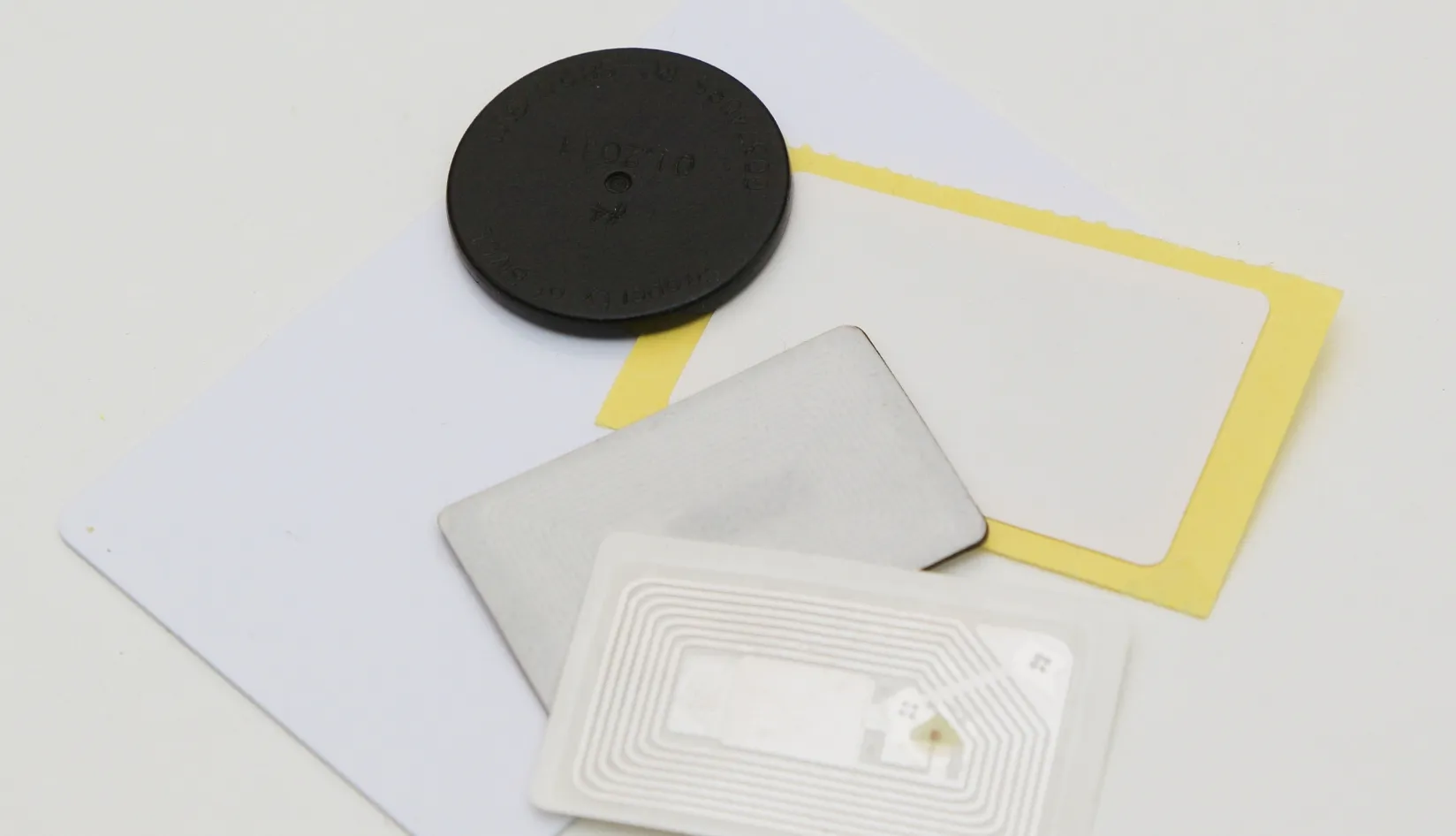
RFID On-Metal Tags are specialized radio frequency identification tags designed for metal surfaces. Traditional RFID tags often face interference on metal surfaces, leading to signal loss or read failures, whereas they incorporate improved antenna designs and special materials to ensure stable performance on metal surfaces. Typically, these tags consist of a chip, antenna, substrate, and packaging materials.
RFID On-Metal Tags receive radio waves emitted by the reader through the antenna and convert them into signals for transmission to the chip inside the tag. The chip processes the data and relays the results back to the reader, thus completing the information reading and transmission process.
Unlike ordinary RFID tags, they are specifically engineered to resist electromagnetic interference caused by metal surfaces. Metal objects typically absorb and reflect radio waves, significantly degrading the performance of standard tags, while they guarantee stable data transmission even in metallic environments.
Main Advantages of RFID On-Metal Tags
- Improved Reading Performance: RFID On-Metal Tags provide higher reading stability on metal surfaces, making them especially suitable for applications requiring precise tracking. For instance, in automotive parts management and industrial equipment oversight, these tags can deliver more reliable tracking data and minimize read errors associated with traditional tags.
- Strong Durability: RFID On-Metal Tags are highly resilient in high-temperature, corrosive, or harsh environments. They can operate effectively in various extreme conditions, such as high-temperature furnaces, chemical plants, or outdoors. Compared to regular RFID tags, they offer greater durability and resistance to interference, effectively extending their service life.
- Cost-Effectiveness: While the initial investment for RFID On-Metal Tags is higher, their long-term stability and durability enable businesses to significantly reduce costs associated with tag replacements, maintenance, and management.
- Application Flexibility: RFID On-Metal Tags are usable on a variety of metal surfaces, including steel, aluminum, and copper. They see widespread application in the management of metal assets, such as tools, equipment, components, and logistics boxes, allowing businesses to effectively track and optimize their metal inventory and supply chain operations.
Application Areas of RFID On-Metal Tags
- Industry and Manufacturing: Within these sectors, RFID On-Metal Tags can be utilized for managing equipment, tools, and machine parts. They ensure precise tracking of every tool and piece of equipment, reducing loss and misuse, while enhancing maintenance efficiency. For example, they can deliver accurate tracking for heavy machinery, aiding companies in optimizing repair cycles and reducing downtime.
- Logistics and Supply Chain Management: The adoption of RFID On-Metal Tags is rising in logistics and supply chain management, particularly in the transportation and warehousing of metal packaging or items. They facilitate efficient inventory management, real-time tracking, and cargo traceability in complex warehouse settings, lowering human error and losses.
- Automotive and Aviation Industries: In these industries, companies widely use RFID On-Metal Tags for parts management and maintenance tracking. By tagging key components with RFID, companies can quickly conduct quality checks, maintain records, and track parts, ensuring product quality and safety. This is particularly critical in aviation, where RFID Tags are invaluable for tracking aircraft components and maintaining integrity in maintenance documentation.
- Asset Management and Anti-Theft: RFID On-Metal Tags are essential for managing and monitoring metal assets against theft, especially for high-value items like heavy machinery, tools, and IT equipment. Through RFID technology, businesses can monitor their metal assets in real-time to mitigate theft and damage risks.
- Medical Field: Hospitals and medical facilities use RFID On-Metal tags for inventory management of medical tools and equipment. By applying these tags to medical devices, hospitals can swiftly track equipment usage, ensure safe operations, and enhance inventory efficiency.
How to Choose the Right RFID On-Metal Tag
- Consider the Application Scenario: Different industries and application settings have varying requirements for RFID tags. Selecting the appropriate type of tag can enhance system performance. For instance, tags used in high-temperature environments may need additional heat resistance, while tags used in humid environments may require waterproof and anti-corrosion designs.
- Tag Durability and Performance: Choose tags based on the environmental conditions (such as temperature, humidity, and corrosion) that the tags must withstand. RFID On-Metal tags come with multiple levels of durability, so companies should select the most suitable model based on their specific application needs.
- Supplier Selection and Technical Support: It’s crucial to choose an RFID supplier who has experience and strong technical support capabilities. Quality suppliers not only provide high-quality tags but also offer technical assistance to companies to help resolve issues in actual applications. For example, RFIDTag.com is a seasoned RFID product supplier with over a decade of industry experience and a solid reputation among customers in various sectors.
Future Outlook: Development Trends of RFID On-Metal Tags
As RFID technology continues to advance, the reading distance, performance, and adaptability of RFID On-Metal tags will keep improving. In the future, these tags may be integrated with other cutting-edge technologies like the Internet of Things (IoT) and Artificial Intelligence (AI) to further enhance development in intelligent management. As demand for applications grows, more industries will adopt them, providing companies with more efficient and intelligent solutions for asset management and data tracking.
Conclusion
Thanks to their powerful performance and extensive application potential, RFID On-Metal tags are becoming an indispensable technical tool in many industries. Whether in manufacturing, logistics, medical, or aviation industries, they have demonstrated significant value. With ongoing technological advancements and declining costs, companies should proactively consider applying them in areas like asset management, production tracking, and safety protection to boost operational efficiency and tackle future technological challenges.
FAQs
How do RFID On-Metal Tags Compare to Traditional Barcode Labels?
RFID On-Metal tags have distinct advantages over traditional barcode labels. First, they do not require direct contact or line of sight with the reader/writer, allowing for quick reading without human intervention, which greatly improves reading efficiency. Second, they can store more information and can be read and written multiple times, whereas barcode labels cannot be altered once printed. Most importantly, they can operate stably on metal surfaces, while traditional barcode labels are often ineffective due to interference from the metal surface. Therefore, they provide higher reliability and stronger adaptability in complex or harsh environments.
Can RFID On-Metal Tags Work in High-Temperature Environments?
Yes, they are specially designed to withstand harsh conditions, including high-temperature environments. Compared to standard RFID tags, they are more heat-resistant. Many of them use high-temperature resistant materials and can operate normally at temperatures up to 200°C or even higher. This makes them particularly suitable for environments that require high-temperature operation, such as manufacturing processes, automotive production lines, and metallurgical industries. To ensure the stability of the tag under extreme conditions, companies need to select RFID tags with high-temperature resistance based on their specific applications.
How to Ensure the Effectiveness of RFID On-Metal Tags in Large-Scale Applications?
The key to ensuring the effectiveness in large-scale applications lies in reasonable planning and deployment. First, companies need to choose RFID tags that are suitable for specific application scenarios to ensure compatibility and stability with the metal surface. Secondly, the implementation process should include sufficient testing to ensure the RFID tags work effectively in the actual environment and avoid performance issues caused by interference or equipment incompatibility. Additionally, to enhance the effectiveness of large-scale applications, companies should collaborate with reliable RFID suppliers to guarantee the quality of the tags and after-sales support. Lastly, proper system integration and data management are also crucial for the successful application.





 EN
 ES
 JA