


With the growing demand for tracking items and managing assets in high-temperature environments, the application of heat-resistant RFID tags has become increasingly important. Whether in the oil and gas industry, automotive manufacturing, or metal smelting, the heat-resistant RFID tag plays a critical role. In this article, we will explore the working principles of these tags, their applicable ranges, and how they help businesses improve efficiency, reduce costs, and enhance safety.
1. What Are Heat-Resistant RFID Tags?
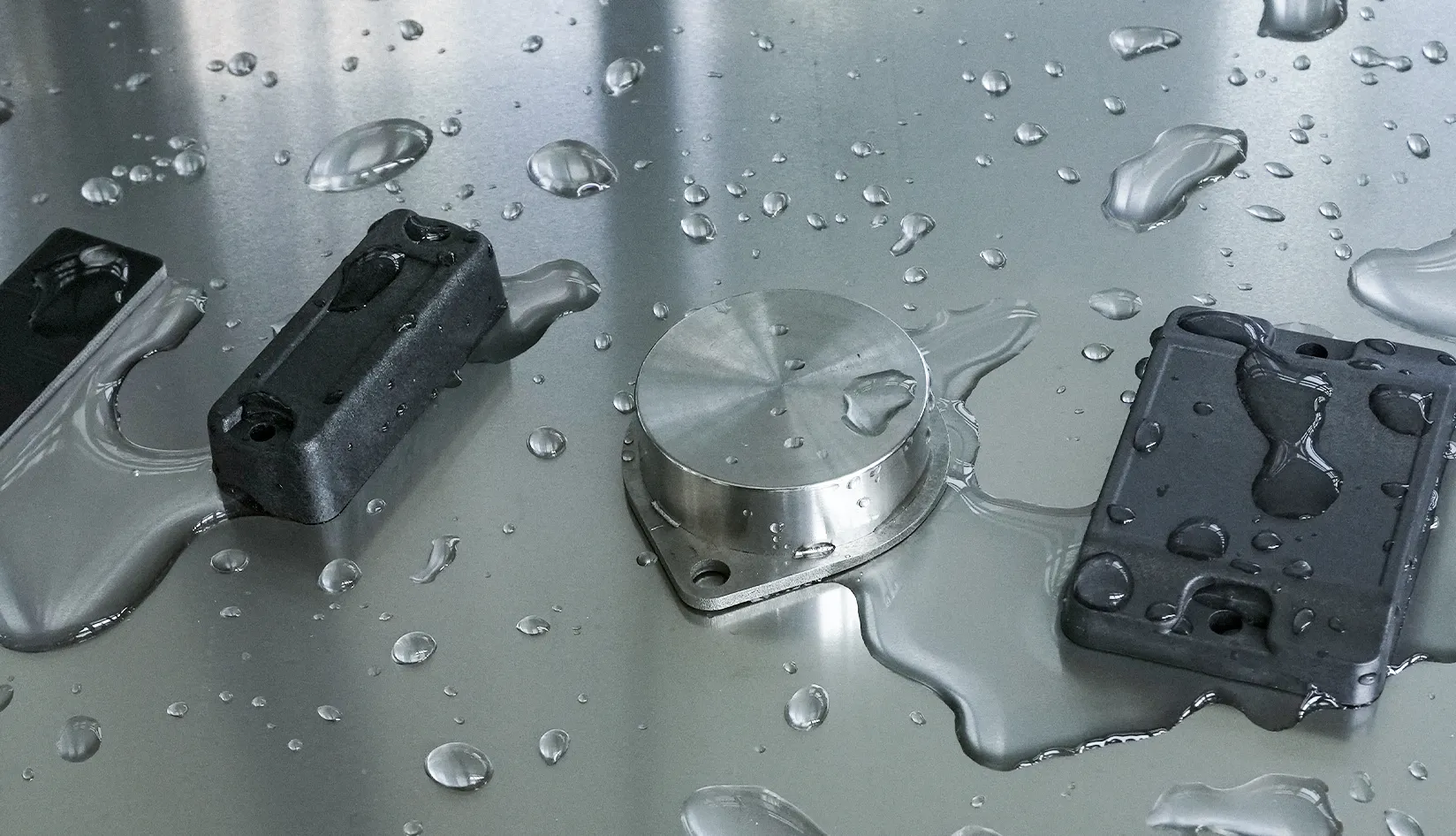
Heat-resistant RFID tags are specially designed for high-temperature environments, maintaining reliable performance even under extreme temperatures. Unlike standard RFID tags, heat-resistant RFID tags utilize unique materials and technologies that allow them to withstand prolonged exposure to high heat without damage or loss of functionality. These tags are widely used in high-temperature operational environments such as metal smelting, automotive manufacturing, oil extraction, and food processing.

How Heat-Resistant RFID Tags Work
The operating principle of heat-resistant RFID tags is the same as that of standard RFID tags, which involves data exchange via radio frequency signals with a reader. However, heat-resistant RFID tags can continuously operate in environments with temperatures reaching 150°C or higher, making them indispensable for certain extreme applications. These tags are designed during manufacturing to ensure that they do not fail or lose data integrity under high temperatures, guaranteeing ongoing data reading and transmission.
Packaging Materials for Heat-Resistant RFID Tags
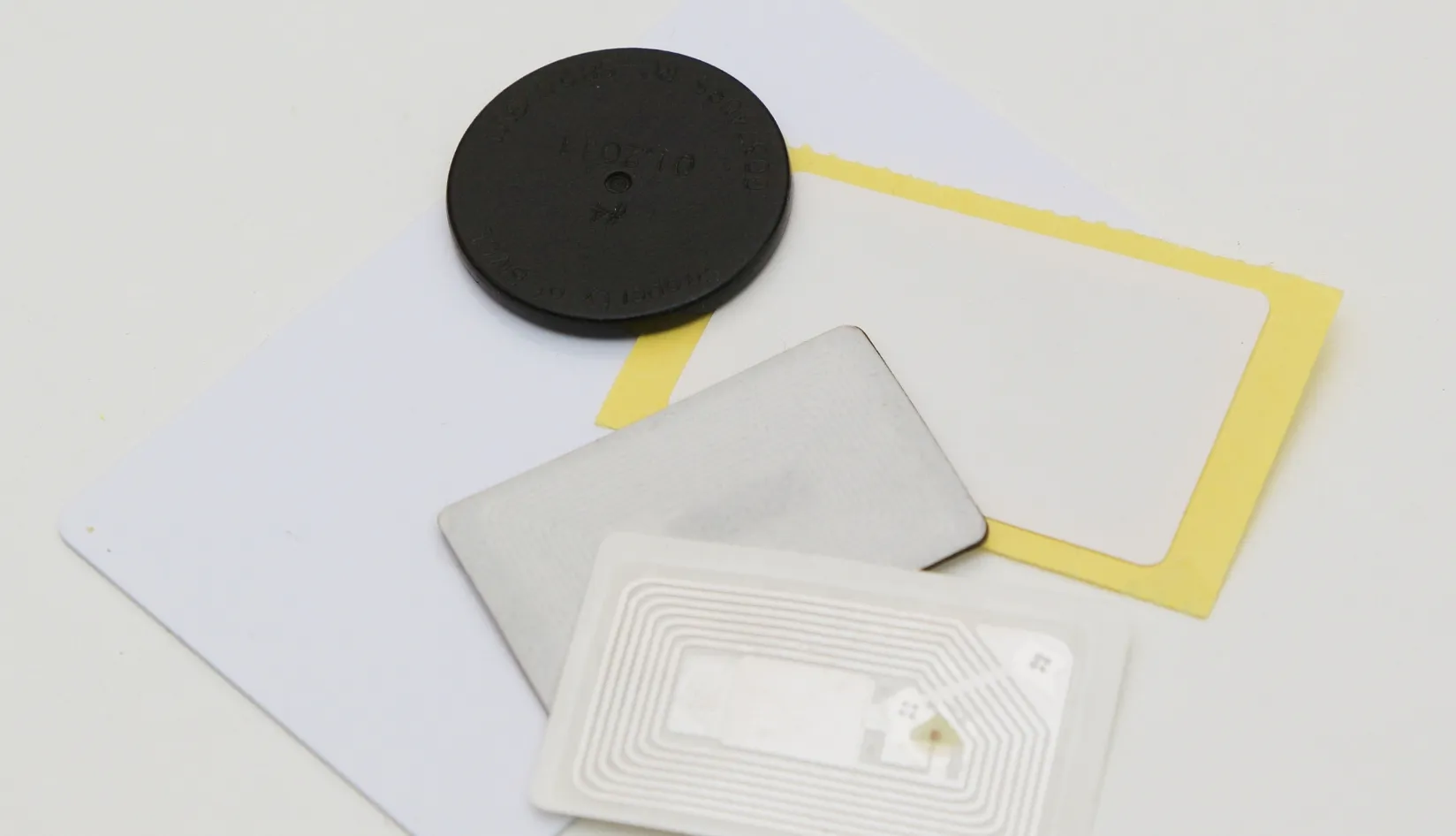
The materials commonly used in heat-resistant RFID tags include PEEK, PPS, TPU, metal substrates, and high-temperature plastics. These materials not only withstand high temperatures but also maintain structural integrity, ensuring that the tags remain undamaged under heat. Notably, stainless steel substrates can endure even more rigorous high-temperature and pressure environments. Some tags also employ specialized high-temperature plastics that can handle temperatures up to 260°C and exhibit strong chemical resistance, making them suitable for high-risk industries like oil and gas.
2. Why Do High-Temperature Environments Require Specialized RFID Tags?
In various industrial applications, RFID tags are extensively used for asset management, production line tracking, equipment monitoring, and more. However, high-temperature environments present significant challenges to the use of these tags. Standard RFID tags often encounter failures, data loss, or reading difficulties when temperatures exceed certain thresholds. Therefore, it is essential to utilize specialized heat-resistant RFID tags in high-temperature settings to ensure system stability and reliability.
The impact of high-temperature environments on RFID tags can be seen in several key areas:
Tag Failure
The materials and design of standard RFID tags are not suitable for prolonged exposure to high temperatures. When tags are subjected to excessive heat, it can cause the tag casing to melt or damage the circuitry, rendering them inoperative.
Data Loss or Corruption
High temperatures can lead to changes or loss of the data stored within RFID tags, affecting data reading or writing capabilities. This is especially challenging when there are significant temperature fluctuations during production, as data accuracy and integrity become critical issues.
Reading Difficulties
The reading of RFID tags typically relies on radio waves, but high-temperature environments may interfere with the transmission of these signals, making it difficult for readers to effectively identify the tags. Sudden changes in ambient temperature, reflections from metal surfaces, and other factors can further complicate reading.
By adopting heat-resistant RFID tags, businesses can effectively mitigate the common issues associated with high-temperature environments, enhance system stability and data accuracy, and ensure efficient industrial operations.
3. Which Industries Benefit the Most?
Heat-resistant RFID tags excel in various high-temperature environments, particularly in dangerous and extreme conditions, providing efficient asset management, tracking, and monitoring solutions for businesses. Here are some key industries that benefit significantly, illustrating how heat-resistant RFID tags play a crucial role in practical applications:
Automotive Industry
In automotive manufacturing, the efficiency of production lines and precise tracking are critical. Heat-resistant RFID tags assist automakers in tracking and managing components. Especially in high-temperature processes such as engine assembly and body welding, standard RFID tags often fail due to overheating. Heat-resistant RFID tags can operate reliably in extremely high-temperature environments, ensuring that components pass smoothly through the production line while avoiding delays or errors caused by tag failures.
Oil and Gas Industry
The oil and gas sector faces extreme working conditions regarding equipment monitoring, asset management, and safety tracking, especially on drilling platforms and during oil and gas exploration. Heat-resistant RFID tags can be used in these hazardous environments to monitor the status of drilling equipment, pipelines, and other critical assets. These tags withstand high temperatures, humidity, and salty conditions, helping companies track equipment location and health in real time, improving safety, reducing accident risks, and optimizing asset usage and maintenance cycles.

Metal and Steel Industry
In the metal and steel industry, heat-resistant RFID tags are particularly suited for tracking applications in high-temperature furnaces, thermal processing equipment, and metalworking processes. For example, RFID tags can monitor the production progress of metal blocks or products in high-temperature furnaces at steel mills. Due to the destructive nature of high-temperature environments, standard tags often cannot withstand temperatures reaching hundreds of degrees, whereas heat-resistant tags are designed to endure extreme heat, ensuring both tag integrity and stable data transmission.
Food Processing
The food processing industry often requires high-temperature treatments during sterilization. Heat-resistant RFID tags help food processing plants monitor temperatures and track batches during this process, ensuring product quality and safety throughout the production chain. These tags track every step of food production, ensuring that each batch undergoes sterilization at the specified temperatures, thereby preventing food safety issues resulting from temperature fluctuations.
Other Relevant Industries
- Electronics Manufacturing: In the electronics sector, the high-temperature soldering and testing processes require heat-resistant RFID tags for accurate tracking of each electronic component’s production status.
- Chemical Processing: Facilities like chemical reaction vessels and heating furnaces in high-temperature environments need heat-resistant RFID tags for real-time monitoring of containers and equipment, ensuring that each batch of chemicals reacts under optimal conditions.
- Aerospace: The aerospace industry demands high-temperature resilience for components and equipment; heat-resistant RFID tags ensure data reliability during aircraft maintenance and part tracking.
Heat-resistant RFID tags provide these industries with efficient and reliable solutions, significantly enhancing production efficiency, operational safety, and asset management capabilities.
4. Advantages of the Heat-Resistant RFID Tag
Heat-resistant RFID tags demonstrate significant advantages in various high-temperature environments. Compared to standard RFID tags, heat-resistant RFID tags can operate reliably under extreme temperatures, offering numerous long-term benefits, particularly in durability, cost-effectiveness, and efficiency improvements. Here are their main advantages:
Durability
One of the standout benefits of heat-resistant RFID tags is their exceptional durability. Standard RFID tags are vulnerable to damage in high-temperature environments, often leading to failures or data loss. In contrast, heat-resistant RFID tags are made from high-temperature materials (such as ceramics, metal substrates, and high-temperature plastics) that can withstand environments exceeding 250°C, and even higher. This means they can operate stably in extreme temperatures, significantly extending their lifespan. The high temperature tolerance of these tags reduces the frequency of replacements, lowering maintenance and replacement costs for businesses.
Cost-Effectiveness
While the initial procurement cost of heat-resistant RFID tags may be higher, they provide significant cost savings in the long run. Firstly, due to their durability, companies do not need to replace tags frequently, saving substantial costs on tag procurement. Secondly, heat-resistant tags reduce downtime and production delays caused by tag failures, thereby enhancing overall production efficiency. Additionally, with fewer tag malfunctions, maintenance costs are relatively low, contributing to a decrease in the overall operational costs of the RFID system.
Enhanced Efficiency
Heat-resistant RFID tags consistently operate effectively in high-temperature environments, significantly increasing the efficiency of equipment tracking, inventory management, and production monitoring. Companies can track the location and status of equipment, components, and products in real-time using RFID technology, reducing manual operation errors and ensuring a smooth production process. Particularly in complex production lines and large-scale asset management scenarios, the application of heat-resistant RFID tags minimizes the need for manual checks and error-prone data entry, greatly enhancing production efficiency and operational accuracy.
In summary, heat-resistant RFID tags not only provide reliable data support in extreme environments but also deliver significant economic benefits and efficiency gains. Under high-temperature conditions, businesses can manage assets more effectively without worrying about tag failures, thereby improving overall production and maintenance efficiency.
5. How to Choose the Right Heat-Resistant RFID Tags?
Selecting the right heat-resistant RFID tags is a crucial step in ensuring efficient and stable system operation. Different working environments and industry requirements dictate the types, materials, and functionalities of RFID tags, so several factors must be carefully considered during the selection process.
Temperature Range
Ensure that the chosen tag can withstand the maximum temperatures of the environment. For example, some heat-resistant RFID tags can handle temperatures around 150°C, but in extreme conditions, you may need to opt for tags with even higher temperature tolerances, such as the Heat Resistant UCODE® 8 Stainless Steel RFID Embedded Tag or the Heat Resistant NXP UCODE® 8 PEEK RFID On-Metal Tag, which can withstand temperatures up to 260°C.
Surface Material of the Items
The surface material of the objects to which the tags will be affixed also influences the choice. For items with metal surfaces, specially designed heat-resistant RFID tags should be selected to ensure that their read/write performance is not adversely affected.

Lifespan
If the tags are meant to operate in high-temperature environments for an extended period (such as several years), their durability and resistance to aging become critical factors.
Additionally, when selecting RFID tags, consider the following parameters:
Frequency
Choose an RFID frequency suitable for the working environment (such as HF or UHF). For instance, UHF frequencies are ideal for tracking assets over longer ranges, while HF frequencies are more suitable for high-precision reads at close distances.
Read/Write Distance
Select an appropriate read/write distance based on asset management needs. Some applications may require only short-range read/write capabilities, whereas others might demand longer reading distances.
By taking these factors into account, businesses can choose the most effective heat-resistant RFID tags for their specific applications, optimizing both performance and reliability in challenging environments.
Whether enhancing production line efficiency or improving asset management transparency and security, heat-resistant RFID tags provide businesses with robust technical support. To learn more about heat-resistant RFID tags or to consult on the most suitable RFID solutions for your industry needs, please reach out to our expert team today for tailored advice and services.
FAQs
What’s the Maximum Temperature Heat-Resistant RFID Tags Can Withstand?
The maximum temperature tolerance of heat-resistant RFID tags depends on their design and the materials used. Most high-temperature tags can withstand temperatures ranging from 150°C to 200°C, while some specialized tags can endure even higher temperatures, such as 260°C, making them suitable for extreme industrial environments.
What is the Lifespan of Heat-Resistant RFID Tags?
The lifespan of heat-resistant RFID tags typically depends on the temperature and external conditions of their working environment. In extremely high-temperature environments, these tags usually last around 2-5 years. However, under moderately high-temperature conditions, their lifespan can be significantly extended, potentially exceeding 10 years.
How Do These Tags Ensure Stability at High Temperatures?
To ensure stability in high-temperature environments, heat-resistant RFID tags are typically made from specialized materials such as PPS, PEEK, metal substrates, or high-temperature plastics, which effectively resist thermal effects. Additionally, the packaging and design of the tags are optimized to enhance heat resistance, guaranteeing that they do not fail under high temperatures and can continuously transmit data reliably.




 EN
 ES
 JA