


Removing RFID tag from clothing can be a common task for consumers and businesses alike. While these tiny tags are invaluable for inventory management and loss prevention, their presence on purchased items can sometimes be inconvenient. This article will guide you through the process of safely removing RFID tags from clothing without causing any damage to the fabric, ensuring your garments remain in pristine condition.
Understanding RFID Tags in Clothing
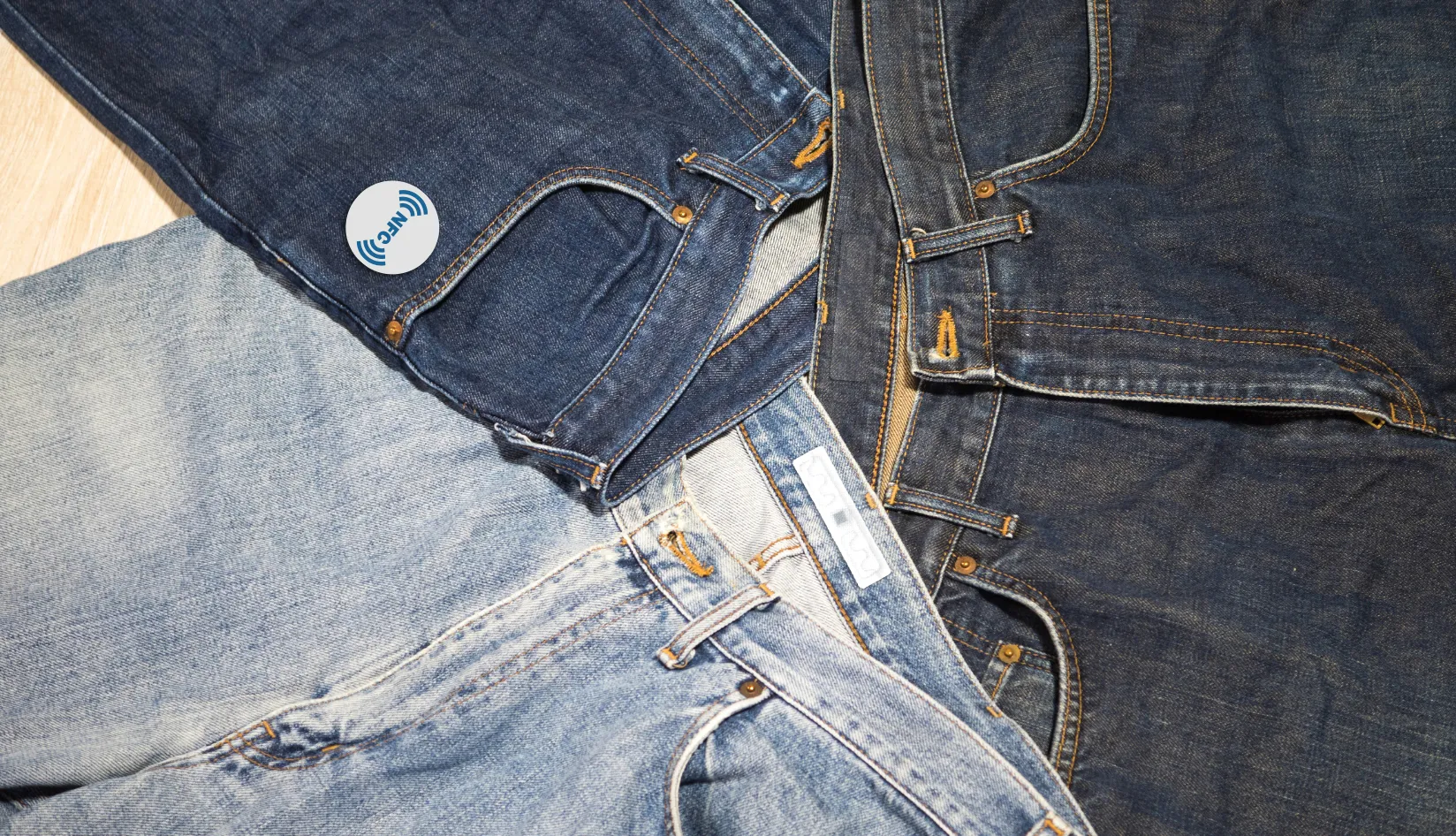
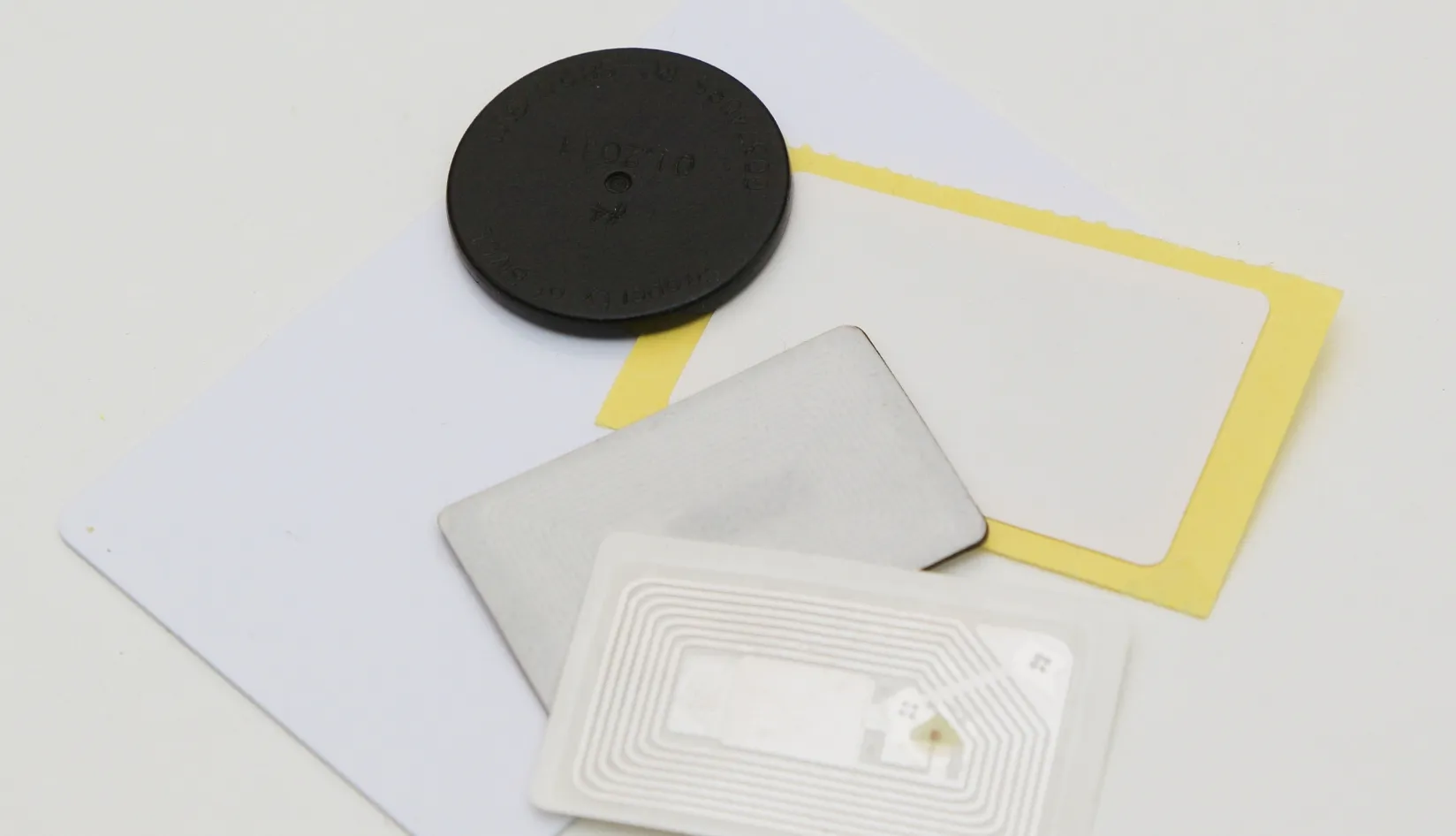
RFID (Radio Frequency Identification) tags are small electronic devices that use radio waves to identify and track objects. In the retail sector, they are widely used to improve supply chain efficiency, manage inventory, and prevent theft. Unlike traditional barcodes, RFID tags do not require a direct line of sight to be read, making them incredibly efficient for tracking large quantities of items. They come in various forms, including small adhesive labels, hard tags, or even discreetly sewn-in components. Understanding the type of RFID tag you are dealing with is the first step in safely removing RFID tag from clothing.

Tools You Might Need
Before attempting to remove an RFID tag, gather the necessary tools. Having the right equipment will make the process smoother and minimize the risk of damaging your clothing. Here’s a list of commonly used tools:
- Small Pliers or Wire Cutters: Ideal for snipping small wires or plastic attachments.
- Tweezers: Useful for delicate work, especially with sewn-in tags or adhesive labels.
- Seam Ripper: If the tag is sewn into a seam, a seam ripper can carefully open the stitching.
- Rubbing Alcohol or Adhesive Remover: For adhesive-backed RFID labels.
- Hair Dryer: Can sometimes help loosen adhesive.
- Soft Cloth: For cleaning and applying removers.
Step-by-Step Guide to Safely Removing RFID Tag from Clothing
1. Identify the Type of RFID Tag
Before you begin, carefully inspect the garment to determine the type of RFID tag. Is it a hard plastic security tag, a soft adhesive label, or a tag sewn into the fabric? The removal method will vary significantly based on the tag type. For instance, removing RFID tag from clothing that is a hard security tag will require a different approach than a soft label.
2. For Hard Security Tags (EAS Tags with RFID)
Many retail security tags now incorporate RFID technology. These are typically the most challenging to remove without specialized tools. If you encounter a hard security tag, it’s generally best to return to the store for professional removal. However, if that’s not an option, some methods can be attempted with extreme caution:
- The Rubber Band Method (Use with caution): Wrap a strong rubber band around the pin of the tag, close to the fabric. Pull the tag away from the fabric while maintaining tension on the rubber band. This method aims to dislodge the pin. This method carries a high risk of damaging the fabric and is not recommended by professionals. Always prioritize safety and fabric integrity.
- The Fork Method (Not Recommended): Some online guides suggest using a fork to pry open the tag. This is highly discouraged as it can easily tear the fabric and is dangerous.
Our recommendation for hard tags is always professional removal at the point of purchase to avoid damage.

3. For Soft Adhesive RFID Labels
These tags are often found on product packaging or directly on clothing labels. They are usually easier to remove.
- Peel Slowly: Gently peel the label from the fabric. If it resists, do not force it.
- Heat Application: Use a hair dryer on a low setting to warm the label for 10-20 seconds. The heat can soften the adhesive, making it easier to peel. Be careful not to overheat the fabric.
- Adhesive Remover: For stubborn residue, apply a small amount of rubbing alcohol or a specialized adhesive remover to a soft cloth and gently dab the affected area. Test on an inconspicuous spot first to ensure it doesn’t stain or damage the fabric. This is a safe way for removing RFID tag from clothing that uses adhesive.
4. For Sewn-in RFID Tags
Some high-value items or smart clothing might have RFID tags sewn directly into seams or hidden pockets. These require a more delicate approach.
- Locate the Stitching: Carefully find the stitching that secures the tag or the pocket containing it.
- Use a Seam Ripper: Gently use a seam ripper to cut the threads holding the tag in place. Work slowly to avoid cutting the fabric itself.
- Remove the Tag: Once the threads are loose, carefully extract the RFID tag.
- Repair the Seam: If necessary, hand-stitch the seam back together to restore the garment’s integrity.
Post-Removal Care
After successfully removing RFID tag from clothing, inspect the area for any residue, small holes, or stretched fabric. For adhesive residue, a gentle wash or further application of adhesive remover might be needed. For small holes, careful mending can often resolve the issue. Always follow the garment’s care instructions.
Why RFIDTag Products Are Designed for Seamless Integration
At RFIDTag, we understand the importance of both functionality and user experience. Our RFID solutions, from high-quality RFID labels to custom RFID tags, are designed with ease of integration and, when applicable, discreet removal in mind. We provide robust, reliable, and customizable RFID products that serve various industries, ensuring efficient inventory management and enhanced security without compromising the end-user experience. Whether you are a large hotel chain, a retail giant, or a fashion brand, our products are crafted to meet your specific needs with flexible minimum order quantities and five state-of-the-art production lines. We export to North America, Europe, and the UK, offering eco-friendly options and superior quality that procurement managers like Chad Carpenter can trust.

Conclusion
Safely removing RFID tag from clothing is a skill that can save your garments from unnecessary damage. By understanding the different types of tags and employing the correct techniques, you can ensure your clothing remains in perfect condition. For businesses looking for reliable and high-quality RFID solutions that are both effective and user-friendly, explore the extensive range of products and custom solutions available at rfidtag.com. Discover how our innovative RFID technology can streamline your operations and enhance your product offerings today.
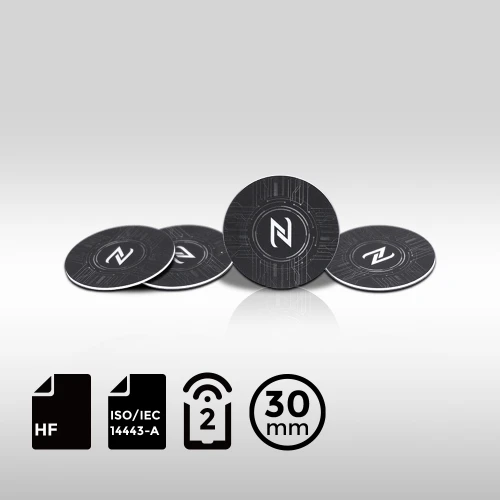
On-Metal NFC PVC Mobile Tag MIFARE Ultralight® C
This Ø30mm MIFARE Ultralight® C NFC on-metal mobile tag is a compact, high-performance NFC tag designed for on-metal use. It features NXP’s MIFARE Ultralight® C chip with 3DES authentication for enhanced data security, making it ideal for applications requiring small size and secure communication. Compliant with ISO/IEC 14443-A and NFC Type-2 standards, this 30mm tag is discreet yet ensures reliable performance on metal surfaces, where many NFC tags fail.
Its specialized ferrite layer reduces metal interference, ensuring consistent readability. Optimized for mobile interactions, it works with all NFC-enabled devices like smartphones and is widely used in asset tracking, retail anti-counterfeiting, industrial equipment tagging, product authentication, access control, event ticketing and retail smart marketing.


 EN
 ES
 JA