


Introduction
For industrial operations involving extreme heat—such as automotive manufacturing, sterilization processes, or metal foundries—standard Radio Frequency Identification (RFID) tags simply will not suffice. High-temperature RFID tags are specialized tools designed to survive these harsh environments, providing the critical data visibility needed for asset tracking and process control. However, navigating the specifications of these tags requires a clear understanding of the thermal limits and environmental factors that govern their performance and longevity.
Understanding the Thermal Specifications

When evaluating a high-temperature RFID tag, you will encounter two primary thermal specifications: Operating Temperature and Storage Temperature. While they may seem similar, the distinction between them is crucial for ensuring the tag performs as expected and lasts its intended lifespan.
The Difference Between Operating and Storage Temperature
The Operating Temperature range defines the thermal limits within which the tag’s electronic components—the microchip and antenna—can reliably communicate with an RFID reader. Within this range, the tag is guaranteed to function, allowing for data to be read or written.
The Storage Temperature range, conversely, defines the thermal limits the tag can endure without sustaining permanent physical or electronic damage, even if it is not actively communicating. This range is often wider than the operating range.
| Specification Parameter | Operating Temperature | Storage / Survival Temperature |
| Governing Component | Silicon Microchip | Tag Housing, Substrate & Adhesive |
| Typical Temp Limits | -40°C to 125°C | -40°C to 250°C |
| Exposure Limit | Continuous operation | Short-term (1 to 5 mins max) |
| Reader Communication | Active (Read / Write) | Inactive (Chip unpowered) |
| Exceeding Limits Result | Temporary shutdown (Recovers when cooled) | Permanent physical/electronic damage |
Why is Storage Temperature Often Higher?
High-temperature RFID tags are designed to survive short-term exposure to temperatures beyond their operating range, but their microchip functionality is temperature-dependent. When the surrounding environment exceeds the tag’s maximum operating temperature, the chip may temporarily fail to power up, process data, or communicate with a reader, even though the tag itself is not physically damaged. Once the environment cools back to within the tag’s specified operating range, the chip generally regains full functionality, allowing normal reading and writing operations to resume.
The Microchip’s Functional Limit

The silicon microchip at the heart of the tag is the most sensitive component. While the chip’s physical structure can often survive very high temperatures (sometimes up to 250°C or more for short periods), its ability to function—to power up, process data, and transmit a signal—degrades significantly as the temperature rises, typically failing above 125°C. Therefore, the operating temperature is capped by the chip’s functional limit.
Material Survival vs. Electronic Function
The tag’s housing and bonding materials (the antenna, substrate, and adhesive) are often engineered to withstand much higher temperatures than the chip can operate in. The storage temperature reflects the survival limit of these robust materials.
A tag can withstand short-term exposure to high temperatures (e.g., 200°C) without being destroyed, but it must cool to its operating range (e.g., below 125°C) before it can be read, and even in high-heat environments, exposure should generally be limited to 1 to 5 minutes to prevent damage or reduced lifespan.
Key Factors Affecting Tag Lifespan in Use
While the manufacturer’s specifications provide a baseline, the actual lifespan of a high-temperature RFID tag in a real-world industrial environment is determined by a combination of thermal, chemical, and mechanical stresses.
Thermal Stress: Duration and Cycling
The single greatest factor affecting tag longevity is thermal exposure. It is not just the maximum temperature that matters, but the duration of exposure and the frequency of thermal cycling.
Prolonged exposure to temperatures near the maximum limit accelerates the aging of the tag’s components, particularly the antenna-to-chip bond and the housing material. Over time, this cumulative heat exposure can lead to material degradation and eventual failure, even if the tag never exceeds its rated maximum.
Thermal Cycling
Rapid and repeated changes between high and low temperatures (thermal cycling) create mechanical stress due to the different expansion rates of the tag’s various materials (chip, antenna, housing). This stress can cause micro-cracks in the chip-to-antenna connection, leading to intermittent or complete failure.
Chemical and Environmental Exposure
High-temperature environments are often accompanied by other harsh conditions that compromise the tag’s integrity.
Chemical Corrosion
Exposure to industrial cleaning agents, solvents, acids, or caustic wash processes can corrode the tag’s housing and internal components. Specialized tags must be chemically resistant to the specific substances they will encounter, or their lifespan will be drastically reduced.
Pressure and Mechanical Abrasion
In processes like autoclave sterilization or high-pressure washing, the tag must withstand significant pressure. Furthermore, physical impact, vibration, and abrasion from moving parts or contact with other assets can physically damage the tag’s structure, breaking the antenna or dislodging the chip.
Selecting the Right High-Temperature Tag
Choosing the correct tag requires a holistic assessment of the application, moving beyond just the temperature number on the datasheet.
Material Composition Matters
High-temperature tags are typically made from durable materials like ceramic, PEEK (Polyether Ether Ketone), or specialized high-temp plastics. Choosing the right composition depends on your specific operational environment:
- Paint Shop Curing Ovens: Require ceramic or high-temp encapsulation capable of withstanding repeated thermal cycles between 180°C and 220°C, along with resistance to paint thinners and chemical overspray.
- Autoclave Medical Sterilization: Demand PEEK or specialized silicone tags that survive high-pressure steam (121°C–134°C) and harsh disinfectant washdowns.
- Metal Heat Treating & Foundries: Require high-density ceramic on-metal tags designed for peak thermal exposure (up to 250°C) and heavy physical vibration.
Mounting Method and Substrate
The tag’s performance is heavily influenced by the material it is mounted on. For metal assets, an On-Metal tag design is essential. The mounting method—whether high-temp adhesive, screws, or welding—must be chosen to ensure the tag remains securely attached throughout the thermal and mechanical stresses of the process.
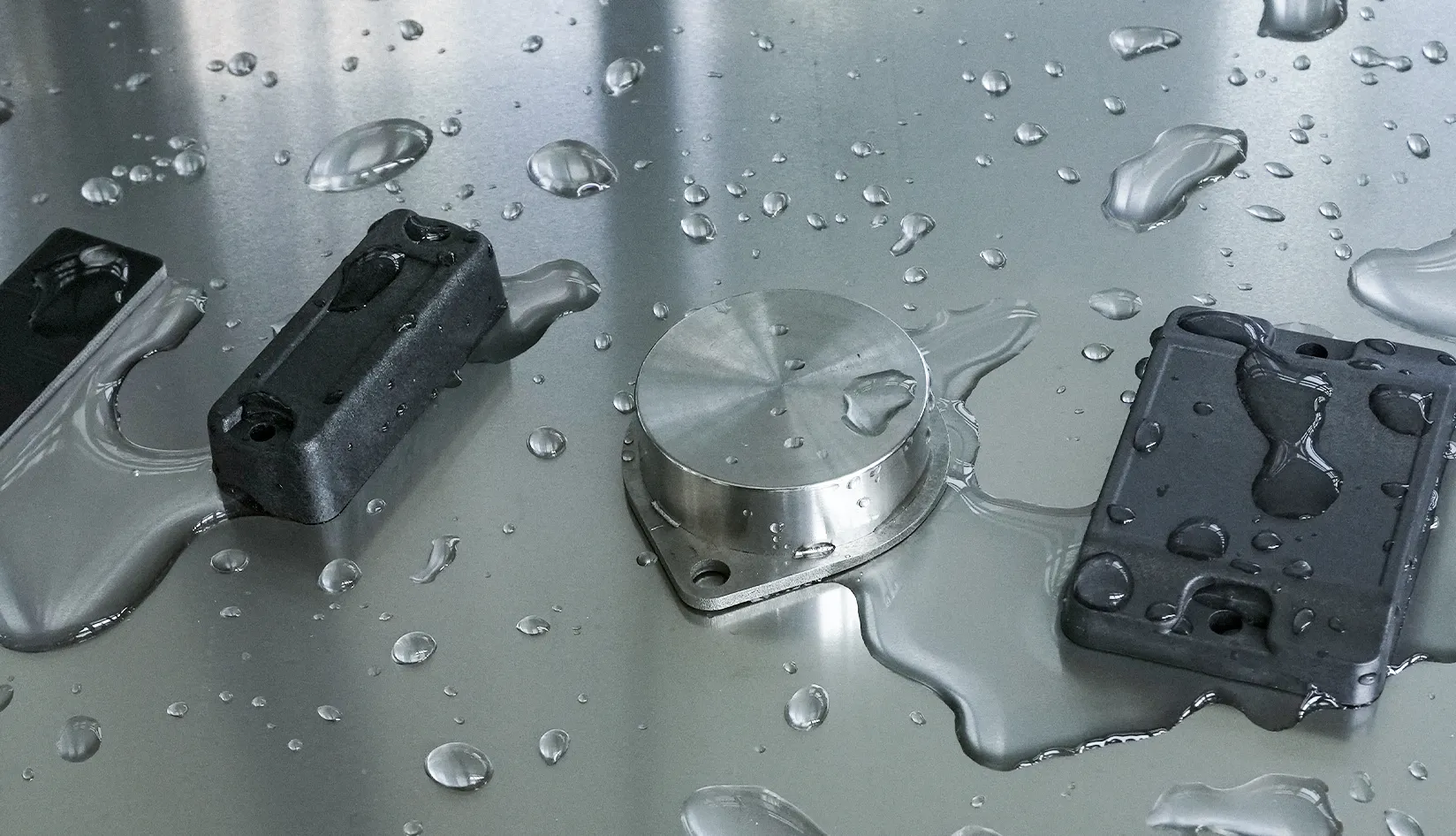
For environments that demand both chemical and heat resistance, Chemical Resistant RFID On-Metal Tag provides a proven solution, combining robust PEEK housing with dependable on-metal performance in harsh industrial conditions.
Conclusion
High-temperature RFID tags are a critical technology for maintaining visibility and control in the most demanding industrial environments. By understanding the fundamental difference between storage and operating temperatures, and by carefully considering the combined effects of thermal cycling, chemical exposure, and mechanical stress, buyers can make informed decisions. Selecting a tag that is engineered not just to survive the heat, but to thrive in the specific conditions of your application, is the key to maximizing your investment and ensuring reliable, long-term asset tracking.
Frequently Asked Questions (FAQs)
Q: What is the primary failure point of an RFID tag in high heat?
A: The main failure point of an RFID tag in high-heat conditions is the chip-to-antenna bond, which can break due to thermal expansion, and for reliable performance under extreme temperatures, the Heat Resistant NXP UCODE® 8 PEEK RFID On-Metal Tag maintains a durable connection.
Q: Can a high-temperature tag be read while it is above its operating temperature?
A: Generally, no. While the tag’s physical structure may survive the high temperature (within the storage limit), the silicon microchip cannot function reliably above its maximum operating temperature (typically around 125°C). The tag must cool down before it can be successfully read.
Q: Are high-temperature tags active or passive?
A: Most high-temperature tags are passive UHF (Ultra High Frequency) tags. Active tags, which contain a battery, are limited by the battery’s own thermal tolerance, which is usually much lower than the industrial temperatures High-temp passive tags are designed to withstand.
Q: How can I test a high-temperature tag before deployment?
A: The best practice is to conduct a controlled accelerated life test that simulates the actual application environment, including the maximum temperature, duration of exposure, and the number of thermal cycles the tag will undergo over its expected lifespan.
Q: Does the frequency (UHF, HF, LF) affect the temperature resistance?
A: Not directly, but the frequency often dictates the tag’s construction. UHF tags are generally used for long-range, high-speed applications and are often built into more robust, high-temp materials like ceramic or PEEK to survive industrial processes.
Recommended Product

Heat Resistant NXP UCODE® 8 PEEK RFID On-Metal Tag | 40×15mm
The UHF Heat Resistant RFID On-Metal Tag PEEK NXP UCODE® 8 is purpose-built for extreme temperatures up to 260°C and direct use on metal surfaces. With durable PEEK construction and advanced NXP UCODE® 8 performance, it is ideal for asset tracking in automotive, metal processing, glass manufacturing, and other harsh industrial environments.

Chemical Resistant NXP UCODE® 8 PEEK RFID On-Metal Tag | 41×29 mm
This chemical resistant NXP UCODE® 8 PEEK RFID On-metal Tag adapts to pH 0–14 and endures harsh chemicals. It is perfect for asset tracking in medical devices, automotive and electronics industries where metal surfaces require durable tagging.


 EN
 ES
 JA