


Industrial processes such as heat treatment, automotive painting, powder coating, and sterilization can expose RFID tags to temperatures that ordinary tags cannot withstand. Heat resistant RFID tags are designed for these demanding environments, but not every high-temperature tag is suitable for every application. Temperature, exposure time, thermal cycling, mounting surface, tag material, and read performance all affect the right choice.
1. Core Components of Heat Resistant RFID Tags
The ability of a high-temperature RFID tag to function reliably where others fail is rooted in the careful selection and integration of its core components.
1.1 Antenna Materials and Design for Thermal Tolerance
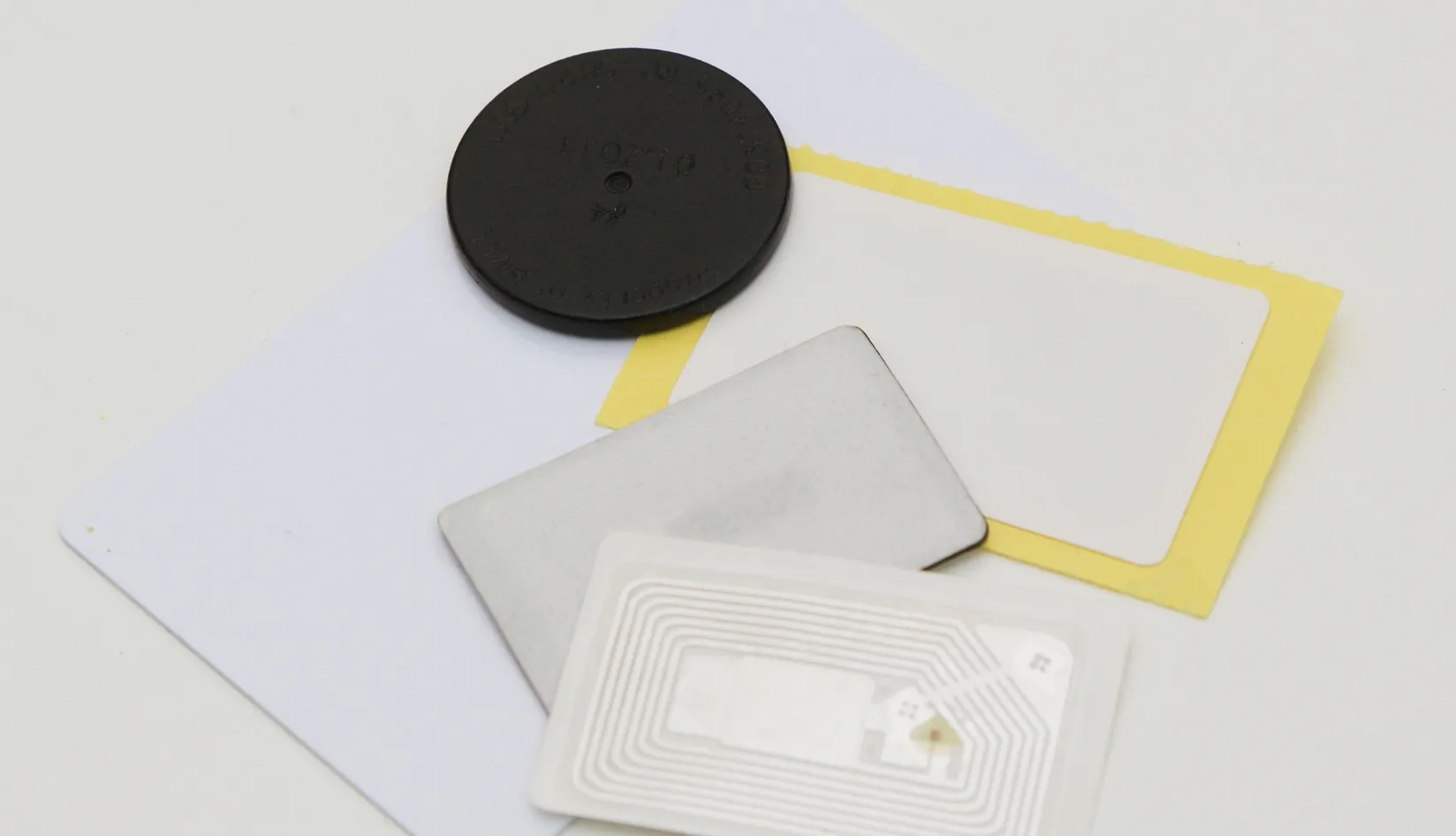
The antenna, responsible for capturing and transmitting radio frequency energy, must also withstand extreme heat without deforming or losing its conductive properties. High-temperature tags often use antennas made from materials like copper or silver alloys that are integrated into a thermally stable substrate. The design is often rigid, embedded within the tag housing to prevent physical stress from thermal expansion and contraction, which could otherwise lead to signal degradation.
1.2 Tag Substrate and Housing Materials
The outer shell and internal substrate provide the physical protection and thermal insulation necessary for survival. The choice of material is critical and dictates the tag’s maximum temperature rating and chemical resistance.
| Material | Maximum Temperature (Approx.) | Key Characteristics |
| PPS (Polyphenylene Sulfide) | Up to 220°C (428°F) | Excellent chemical and thermal resistance, good mechanical strength. |
| Ceramic | Up to 350°C (662°F) | Highest thermal stability, excellent dielectric properties, ideal for on-metal. |
| PEEK (Polyether Ether Ketone) | Up to 260°C (500°F) | High-performance thermoplastic, superior mechanical strength, chemical inertness. |
| Stainless Steel | Varies (Housing) | Used for rugged, embedded tags; provides mechanical and chemical protection. |
1.3 Protective Coatings and Encapsulation Technologies
Encapsulation shields the tag from direct heat, moisture, chemicals, and mechanical impact. High-temperature epoxy or ceramic coatings are often used to extend tag lifespan in harsh environments.
2. How Heat Resistant RFID Tags Withstand Extreme Heat
The effectiveness of heat resistant RFID tags lies in how they manage thermal stress rather than simply “resisting” heat.

2.1 Thermal Insulation and Heat Dissipation Principles
A key principle is the management of heat transfer. The tag housing, particularly ceramic or thick PPS, acts as a thermal insulator, possessing a low thermal conductivity that delays the transfer of external heat to the internal chip and antenna. Simultaneously, the tag is designed for efficient heat dissipation. Once the tag exits the high-temperature zone, the housing material is engineered to quickly shed the absorbed heat, allowing the internal components to return to their optimal operating temperature range as fast as possible. This rapid cooling is crucial for minimizing the total time the chip spends under thermal stress.
2.2 Resistance to Repeated Heat Cycles and Thermal Shock
Industrial processes often involve not just high heat, but repeated cycles of heating and cooling. This subjects the tag to thermal shock, where rapid temperature changes cause materials to expand and contract at different rates. High-temperature tags are built with materials that have closely matched coefficients of thermal expansion (CTE) to minimize internal stress, ensuring the tag can endure hundreds or even thousands of thermal cycles without structural compromise.
2.3 Protection Against Deformation, Melting, and Signal Degradation
The robust housing prevents physical deformation or melting. Furthermore, the stable physical structure is vital for maintaining signal integrity. Any change in the antenna’s geometry due to heat can shift its resonant frequency, causing signal degradation or complete communication failure. By maintaining structural rigidity, heat resistant RFID tags ensure that the antenna remains tuned to the correct frequency throughout the process.
2.4 Data Integrity Under Heat
High temperatures can corrupt memory in poorly designed tags. Heat resistant RFID tags use stable memory architectures and protective encapsulation to ensure stored data remains intact throughout their lifespan.
3. How to Choose Heat Resistant RFID Tags
Temperature resistance is only one part of the selection process. Before choosing heat resistant RFID tags, evaluate the complete operating environment.
3.1 Determine the Maximum Temperature
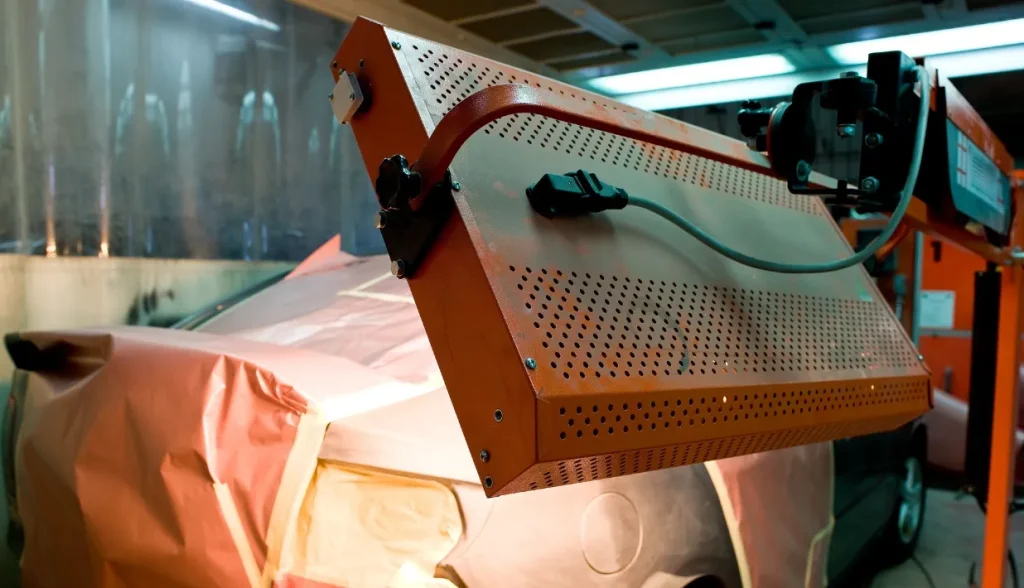
Start with the highest temperature the tag will actually experience. For example, a tag used in an automotive paint oven may face a different temperature profile from a tag used in metal heat treatment or an autoclave. Do not select a tag based only on the process name.
Consider:
- Maximum temperature
- Normal operating temperature
- Temperature rise and fall rate
- Duration of each high-temperature exposure
- Number of heating cycles
- Whether the tag is exposed directly or indirectly to the heat source
3.2 Choose the Right Tag Material
The tag housing should match the environmental requirements.
- PPS: A practical option for applications requiring good heat, chemical, and mechanical resistance.
- PEEK: Suitable for demanding industrial environments where high temperature resistance must be combined with strong mechanical and chemical performance.
- Ceramic: Often selected for applications requiring very high thermal stability and reliable performance on metal.
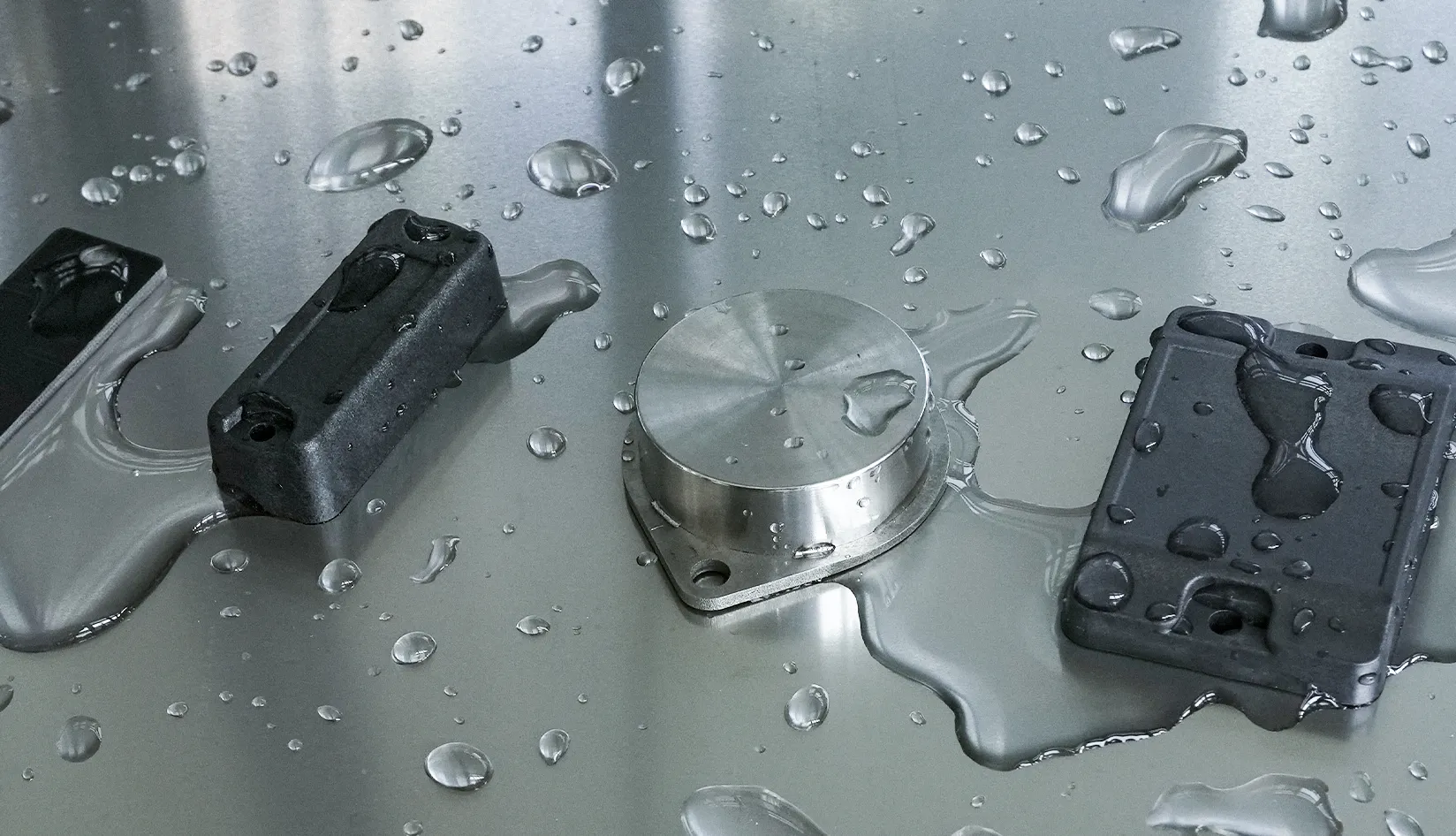
- Stainless steel: Provides strong mechanical and environmental protection and can be used for rugged industrial RFID tag designs.
The best material is not necessarily the one with the highest temperature rating. Consider temperature, chemicals, impact, installation method, and cost together.
3.3 Evaluate Chemical and Environmental Exposure
High temperature is often only one part of the environment.
A tag may also encounter:
- Oils and lubricants
- Cleaning agents
- Solvents
- Corrosive chemicals
- Mechanical impact
For example, an RFID tag used in an autoclave must handle not only elevated temperatures but also high-pressure steam and moisture.
If chemicals are present, check the tag’s chemical resistance in addition to its temperature specification.
3.4 Select the Appropriate Mounting Method
The mounting method must survive the same environmental conditions as the tag.
- Screws or rivets: Suitable for permanent attachment to industrial equipment and metal assets.
- High-temperature adhesives: Useful when drilling or mechanical modification is not desirable, but the adhesive must have a suitable temperature rating.
- Welding: Can provide a highly secure attachment for certain metal tag designs, but the tag must be specifically designed for this installation method.
4. Typical Applications of Heat Resistant RFID Tags
Heat resistant RFID tags are used across a wide range of industries where traditional tracking methods fail.

4.1 Manufacturing and Production Line Asset Tracking
In heavy manufacturing, tags are used to track components through processes like powder coating, curing, and heat treatment. For example, engine blocks or transmission casings can be tracked through high-temperature cleaning and drying cycles. This ensures that the correct part is processed at each stage. As a result, quality control and full traceability are maintained.
4.2 Automotive Painting, Drying, and Curing Processes
This is perhaps the most common high-temperature application. Automobile bodies and parts pass through ovens where temperatures can reach 200°C or more to cure paint and protective coatings. High-temperature tags are attached to the vehicle carriers or the body itself to provide continuous identification throughout the entire process, from the initial body shop to final assembly.
4.3 Sterilization, Autoclave, and Medical Equipment Management
In the medical field, surgical instruments and equipment must be sterilized in autoclaves, which use high-pressure steam at temperatures up to 134°C. Tags used here must be resistant to both high heat and moisture or pressure. PEEK-based tags are frequently used to track individual surgical tools, ensuring they are correctly sterilized, inventoried, and maintained.
5. Benefits of Using Heat Resistant RFID Tags in Extreme Environments
Deploying heat resistant RFID tags offers significant operational advantages.

5.1 Reliable Identification Without Manual Intervention
The primary benefit is the ability to achieve reliable, automated identification in environments where human intervention is impossible or impractical due to safety concerns or the speed of the process. This automation eliminates manual data entry errors and ensures that the tracking system is continuous, even through the most hostile stages of production.
5.2 Improved Asset Visibility and Process Automation
By providing continuous data points through thermal cycles, these tags enable true process automation. Manufacturers gain complete visibility into the location, status, and history of every asset, allowing for precise control over process timing, resource allocation, and quality assurance.
5.3 Reduced Tag Replacement
While the initial cost of a high-temperature tag is higher than a standard tag, their durability translates directly into long-term savings. Standard tags would fail after a single cycle, requiring constant replacement. Heat resistant RFID tags survive hundreds or thousands of cycles, drastically reducing the cost associated with tag replacement.
5.4 Long-Term Cost Savings and Operational Efficiency
The combination of reduced replacement costs, eliminated manual errors, and improved process control results in a compelling return on investment (ROI). The enhanced operational efficiency and the ability to maintain a high level of quality control in extreme environments make these tags a fundamental component of modern, high-throughput industrial operations.
6. Conclusion
Understanding how heat resistant RFID tags work in extreme temperature environments is essential for selecting the right solution for industrial applications. Through specialized materials, advanced antenna design, and robust encapsulation, these tags deliver reliable performance where standard RFID solutions fail. Looking for reliable Heat Resistant RFID tags for extreme temperature environments? Contact us today to request a quote or free sample.
FAQs
1. How hot can heat resistant RFID tags withstand?
Depending on design and materials, some heat resistant RFID tags can operate continuously at 150°C or above.
2. Can heat resistant RFID tags be used on metal surfaces?
Yes. Many are specifically designed for on-metal applications and maintain stable read performance near metal.
3. How long do heat resistant RFID tags last?
In most industrial applications, they are designed to last for thousands of heat cycles and several years of continuous use.
4. Are heat resistant RFID tags reusable after heat exposure?
Yes. One of their main advantages is reusability, even after repeated exposure to extreme temperatures.
Recommended Product

Heat Resistant NXP UCODE® 8 PEEK RFID On-Metal Tag | 40×15mm
The UHF Heat Resistant RFID On-Metal Tag PEEK NXP UCODE® 8 is purpose-built for extreme temperatures up to 260°C and direct use on metal surfaces. With durable PEEK construction and advanced NXP UCODE® 8 performance, it is ideal for asset tracking in automotive, metal processing, glass manufacturing, and other harsh industrial environments.

Concrete NXP UCODE® 8 PPS RFID Tag | 46.5×31.5mm
The UHF Concrete RFID Tag PPS with NXP UCODE® 8 delivers reliable long-range tracking embedded in concrete or harsh surfaces. With strong heat, corrosion, and impact resistance, it meets the tough demands of the construction industry for asset management and structure monitoring.

Heat Resistant Alien Higgs® 3 Stainless Steel RFID Embedded Tag
This UHF heat resistant stainless steel RFID tag uses the Alien Higgs® 3 chip to deliver outstanding read sensitivity and rapid data transfer. Designed to withstand temperatures up to 260°C, it is the perfect solution for seamless asset tracking embedded in automotive manufacturing, metalworking, and glass production equipment.

Concrete Alien Higgs® 9 PPS RFID Tag | 46.5×31.5 mm
The Alien Higgs® 9 Concrete RFID Tag uses durable PPS housing for outstanding heat, impact and corrosion resistance. Ideal for embedding into concrete structures, this UHF tag provides long-range performance and ensures accurate tracking in demanding construction and civil engineering projects.


 EN
EN  ES
ES  JA
JA