


In today’s global market, reliable product authentication is the ultimate defense against the growing threat of counterfeit goods. As supply chains complexify, businesses require robust verification methods to safeguard their brand equity. NFC FPCB (Flexible Printed Circuit Board) tags have emerged as a cutting-edge solution, offering high-performance Near Field Communication technology to elevate product security seamlessly. In this guide, we’ll explore how these advanced tags enhance authentication, check their core chip technical specs, and dive into real-world industry use cases.

What are NFC FPCB Tags?
The NFC FPCB tag is a cutting-edge innovation that combines high-performance NFC technology with a flexible printed circuit board (FPCB) design. This delivers greater versatility and efficiency.
材料
NFC FPCB tags are made from flexible printed circuit boards (FPCBs) and are designed for applications requiring flexibility, space efficiency, and durability.
Chip Type
Here’s a breakdown of the key chip types used in NFC FPCB tags.
| Chip Model | Protocol | Memory Capacity | Frequency | Security | Authentication Target |
| NTAG® 213 | ISO/IEC 14443-A; NFC Forum Type 4 | 144 bytes | 13.56MHz | 32-bit password | Standard consumer goods, basic item tracking |
| NTAG®424DNA | ISO/IEC 14443-A; NFC Forum Type 4 | 416 Bytes | 13.56MHz | AES-128 Encryption, 3-pass mutual authentication | High-end luxury, high-risk pharmaceuticals, mission-critical hardware |
| NXP ICODE® SLIX | ISO/IEC 15693, ISO/IEC 18000-3, NFC Forum Tag Type 5 | 112 Bytes | 13.56MHz | 32-bit password EAS protection, EAS AFI DSFID lock mechanism | Long-range industrial validation, library asset protection |
Why FPCB Design is Vital for Physical Brand Protection
Cryptographic superiority means nothing if the tracking asset can be physically peeled off or destroyed during everyday use. This is where Flexible Printed Circuit Board (FPCB) designs act as a key differentiator. Rather than utilizing brittle paper or fragile plastic inlays, FPCB engineering optimizes product authentication in the following physical vectors:
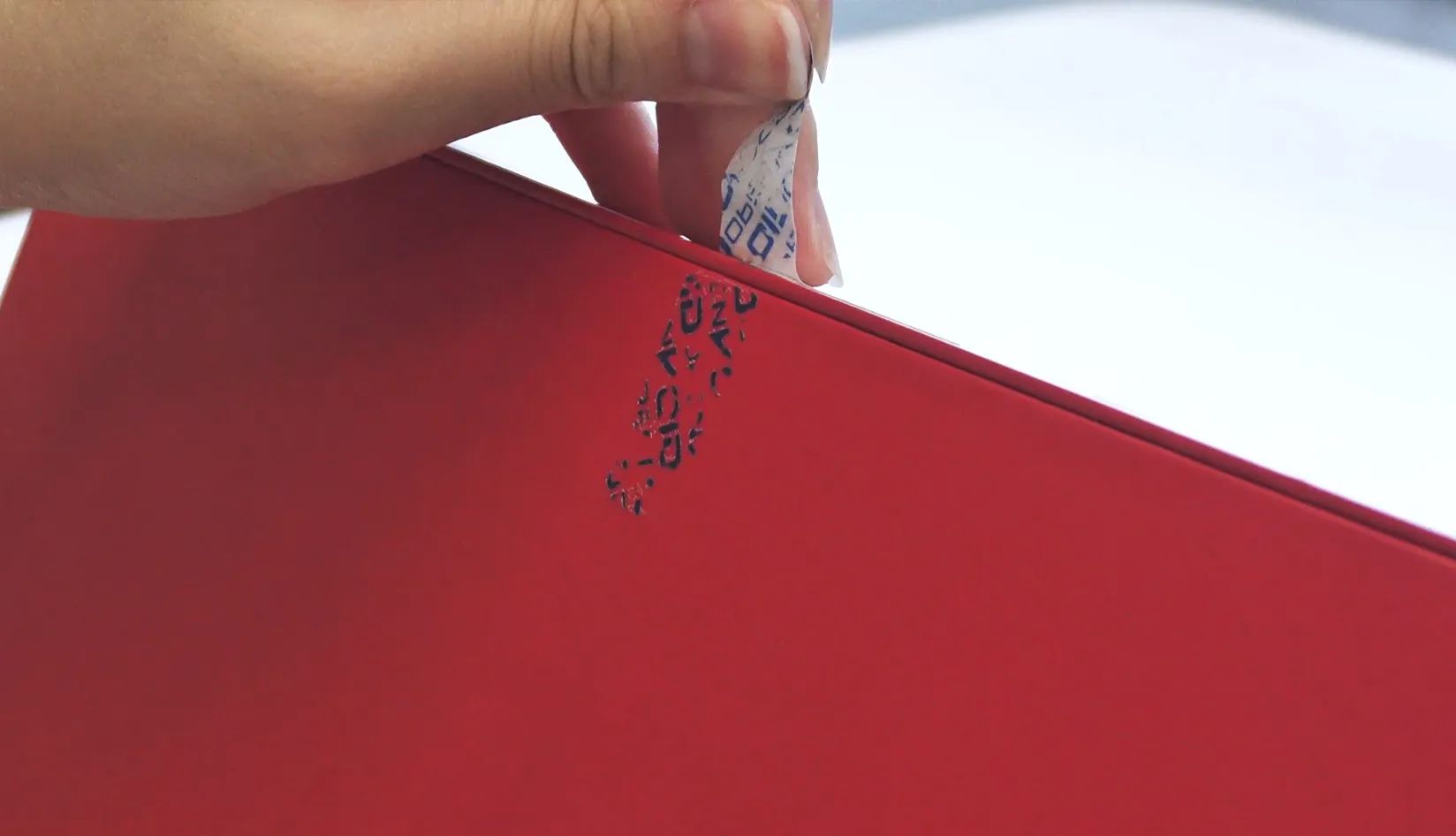
- Structural Integration: The thin, lightweight, and ultra-flexible footprint allows the tag to be embedded natively inside the product during the manufacturing line (e.g., vulcanized into leather bags, laminated inside composite machinery components, or sealed within a high-security container cap). This creates an unremovable authentication token.
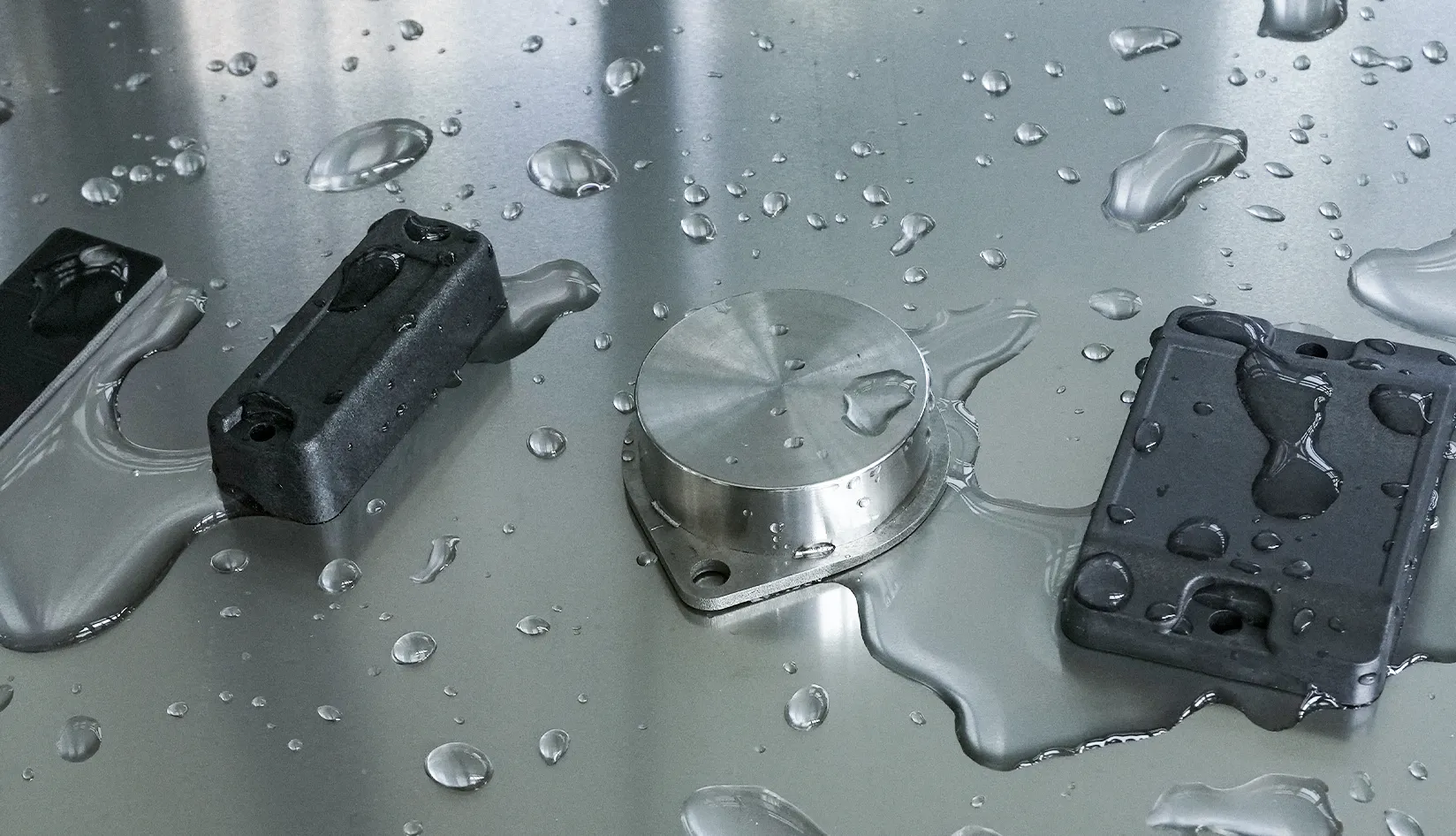
- Extreme Environmental Resistance: Counterfeit operations often target heavy industries or long-haul logistics where labels suffer wear. FPCB tags exhibit outstanding heat and pressure resistance, retaining functional electrical connectivity through extreme thermal cycling, humidity, and mechanical shocks.
- Anti-Collision and Interference Management: Integrated anti-collision mechanics ensure that even when items are tightly packed in storage or transit containers, individual item authentication queries remain precise, smooth, and unobstructed by nearby fields.
Case Studies: Businesses Using NFC FPCB Tags for Product Authentication
NFC E-Ink Smartphone Cases
NFC-enabled smartphone cases use FPCBs to house the NFC module, ensuring smooth communication between the phone and its case. This integration allows the phone to detect the case’s NFC features instantly, enabling secure and convenient authentication.
The compact, flexible design of FPCBs fits seamlessly into slim, stylish cases without compromising performance. This combination helps brands enhance user experience and security with sleek, modern designs.

Luxury Product Anti-Counterfeiting
NFC FPCB tags can be embedded into luxury products like handbags, leather jackets, or jewelry boxes during manufacturing. Brand owners and consumers can verify authenticity by tapping the tag with an NFC-enabled smartphone. This instant confirmation builds trust and safeguards the brand’s reputation.
Medical Device Authentication
NFC FPCB tags with 32-bit password EAS protection, AES-128 encryption, and 3-pass mutual authentication securely authenticate prescription drugs, medical devices, nutritional supplements, and diagnostic products. Healthcare providers can confirm authenticity by tapping the tag with an NFC-enabled smartphone, ensuring safety and strengthening healthcare security.
Industrial Device Authentication
Heat-resistant NFC FPCB tags reliably authenticate industrial devices, ensuring only authorized equipment is used. Built-in security features prevent unauthorized access, tampering, and counterfeiting. These durable tags withstand harsh conditions like high temperatures and humidity, making them ideal for industrial automation and manufacturing. Their passive, battery-free design offers long-term reliability with minimal upkeep, reducing costs and enhancing security.
Conclusion
NFC FPCB tags provide a reliable solution to combat counterfeiting and verify product authenticity. Their versatility and durability make them suitable for various industries, helping businesses protect against fraud and unauthorized access.
At RFIDtag.com, we offer NFC FPCB tags to meet your authentication needs. Unsure which tag is best for your project? Contact us today! Our experts are ready to help.
FAQs
Can consumers easily authenticate products using NFC FPCB Tags?
Yes, consumers can easily authenticate products. By tapping an NFC-enabled smartphone on the tag, they can instantly verify authenticity, view product details (such as origin and materials), and check anti-counterfeiting features.
Do NFC FPCB Tags require a battery?
No, NFC FPCB tags are passive and battery-free, ensuring a longer lifespan and reducing maintenance costs.
What are the future trends for NFC FPCB Tags in product authentication?
Future trends include:
- Integration with IoT systems.
- Enhancing consumer engagement through loyalty programs, personalized ads, and improved product transparency (e.g., ingredient tracking).
- Lowering costs and expanding use across industries like luxury goods, pharmaceuticals, and food, driven by scalable FPCB designs and smartphone compatibility.



 EN
 ES
 JA