


The apparel & fashion industry is changing rapidly, and retailers are facing numerous challenges in keeping up with shifting consumer needs. Issues like counterfeiting, lack of transparency, and rising expectations for personalized experiences are driving brands to seek creative solutions. One such solution is the NFC garment badge. By incorporating Near Field Communication (NFC) technology into products, retailers can engage customers, enhance authenticity, and streamline operations. This article explores NFC garment badges: what they are, how they function, and how they assist retailers in standing out in the apparel & fashion industry.

What is an NFC Garment Badge?
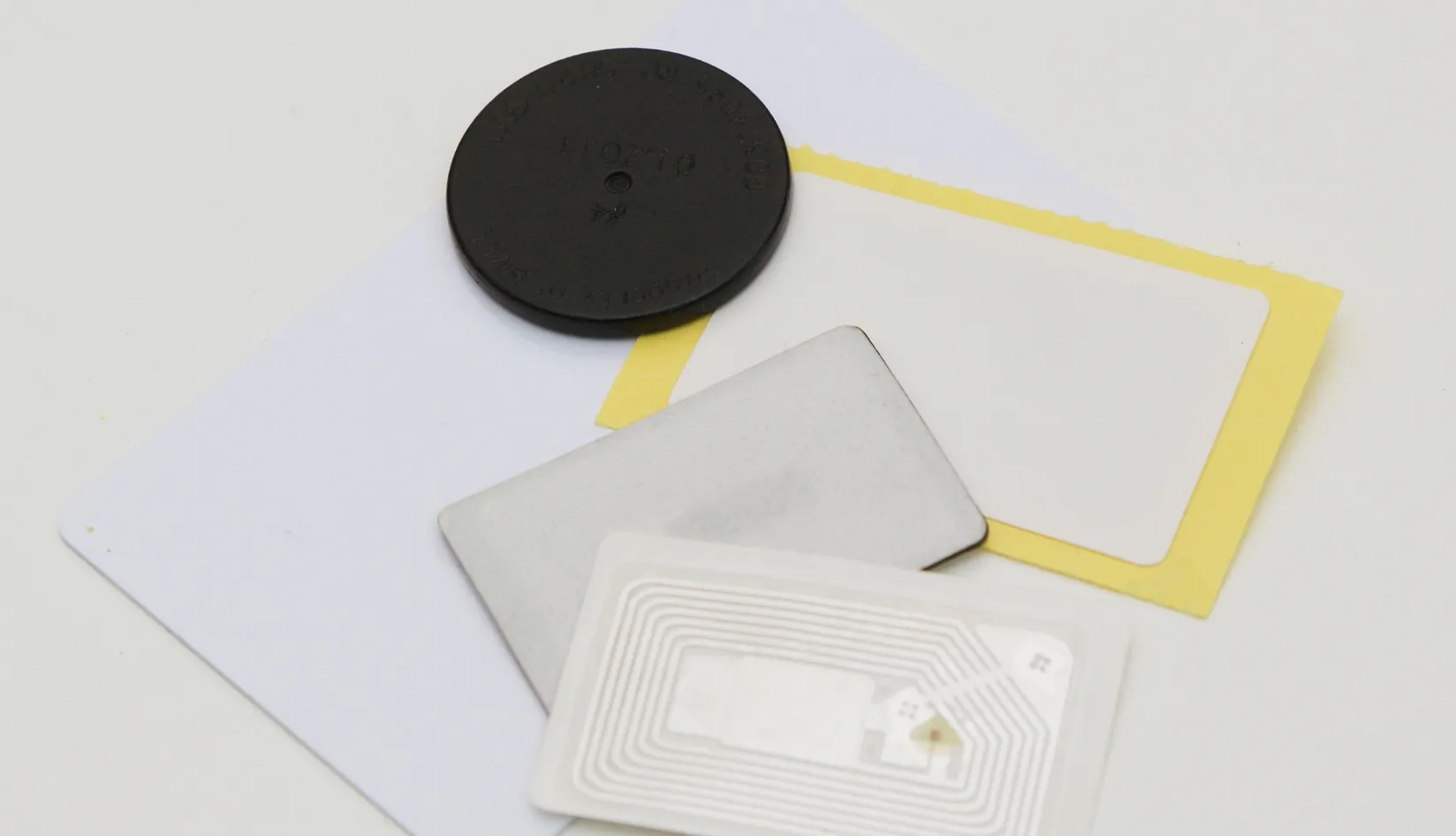
NFC garment badges have NFC chips that can be heat-pressed onto clothing. They communicate with smartphones or other NFC devices when in close range, usually just a few centimeters away. Each badge contains an NFC chip, an antenna, and is encased in durable materials like silicone.
Material
Silicone:
Silicone NFC garment badges are produced using standard methods and come in various styles, such as embossed or printed designs. The garment spec badge is attached to the back, while the silicone label is either heat-bonded onto the clothing.
- Pros: Flexible, lightweight, and can withstand over 50 washes or dries, highly heat-resistant
- Cons: Requires a heat-press facility for installation.
Chip Type
The NFC chip embedded in the garment badge can vary, but NTAG® chips (such as NTAG 213 and NTAG 424 DNA) are commonly utilized for their high performance and security features.
| Chip Model | Memory Capacity | Protocol | Compatibility | Security Features |
| NTAG® 213 | 144bytes | NFC Forum Type2(ISO14443A) | Fully compatible with Android/iOS | Password protection with a limited number of unsuccessful attempts anti-tearing for capability container (CC), and lock bits |
| NTAG® 424 DNA | 416bytes | NFC Forum Type4(ISO14443A) | Fully compatible with Android/iOS | 3-pass mutual authentication to access the protected data filament |
| EM4425 | Up to 256 Bytes | ISO18000-6C | EPC Gen2v2 | ISO15693 | NFC Forum type 5 | Fully compatible with Android/iOS | Advanced anti-counterfeiting, anti-cloning, and password protection |
How Does an NFC Garment Badge Work?
An NFC garment badge utilizes near-field communication technology. When an NFC device (like a smartphone) is within 10 centimeters, its electromagnetic field powers the badge’s chip, enabling data transfer. The chip holds information (such as product details, URLs, or codes) that triggers actions like opening websites, verifying authenticity, or sharing content instantly. It does not require a battery and works seamlessly with standard smartphones.
Durability
How durable is the NFC garment badge?
NFC garment badges are built to be tough and can withstand over 50 washes or dries without losing their functionality. This level of wash resistance is essential for apparel items that are regularly cleaned.
There’s a video showing how durable the NFC garment badge is.

Why Use NFC Garment Badges in the Apparel & Fashion Industry?
The adoption of NFC garment badges offers a range of benefits for both brands and consumers.
Customer Engagement in the Apparel & Fashion Industry
NFC technology paves the way for interactive experiences that engage consumers directly. Whether it’s through product information, videos, or social media content, NFC garment badges provide a personalized connection that enhances the customer experience.
Social Engagement
Brands can also integrate social media features directly into their NFC garment badges. Consumers can access exclusive content, share their purchases on social platforms, or even unlock discounts and loyalty rewards by interacting with the badge.

Verification and Authenticity in the Apparel & Fashion Industry
One of the key benefits of the NFC garment badge is its ability to verify product authenticity. By tapping the NFC tag, consumers can quickly confirm that the garment is legitimate, which is critical for luxury fashion and limited-edition items.
Here’s a video that displays NFC Garment Badge Anti-counterfeiting and Social Functions in the apparel & fashion industry.

NFT with NFC
NFC garment badges featuring NFT technology are revolutionizing fashion retail by providing digital ownership alongside physical products. Customers can access a digital version of their garment for secure authentication, personalization, and traceability. To learn more about the integration of NFT and NFC in apparel, check out this article.

Difference between NFC Garment Badge and Laundry Tag
While both NFC garment badges and laundry tags are attached to clothing, their functionalities are quite different.
RFID Laundry Tags: An RFID laundry tag is a fabric or plastic label sewn onto clothing that shows washing instructions, material composition, and care guidelines for proper maintenance. RFID laundry tags use RFID technology to track garments. They contain a microchip and antenna that communicate with RFID readers to store and transfer data, making laundry and inventory management efficient. RFID laundry tags are ideal for managing uniforms, personnel inspections, and clothing inventory and are widely used in the hotel, hospital, and laundry industries, among other applications.
NFC Garment Badges
These are interactive tags that deliver dynamic digital content when scanned. They offer a wider range of information, from authenticity verification to exclusive rewards, and can evolve to keep the consumer experience engaging.
How to Use NFC Garment Badge in the Apparel & Fashion Industry?
In the following content, we will guide you to use the NFC garment badge.
Business Customers need to:
- Prepare an NFC device:
Like an NFC-enabled smartphone or a dedicated NFC programming device. - Install the NFC programming app:
For smartphones, there are several available, such as “NFC Tools” and “TagWriter by NXP.” These apps can help you program the NTAG® 424 DNA chip using your smartphone.

- Encoding Content:
Get the content you want to provide through the NFC badge ready. For example: Product authentication information (brand, serial number, production date, etc.), promotional info or coupon links, exclusive social media links or access to brand events, a unique authentication ID or QR code. - Programming:
Check this product guide to learn how to program using NFC tools and TagWriter by NXP. - Verification:
After programming is done, scan the NFC badge with the same NFC device to make sure the written data can be read properly. - Update and Manage Data Regularly:
For anti-counterfeiting or encrypted information, make sure the keys and verification systems are regularly updated to maintain the security of your brand and consumer trust.
Consumers just need to:
- Tap their NFC-enabled smartphone against the badge.
- The phone reads the NFC chip and opens a digital experience, like product details or exclusive content.
- Depending on the brand, users may unlock rewards, discounts, or personalized shopping experiences.
How to Choose an NFC Garment Badge for Your Business in the Apparel & Fashion Industry?
Choosing the right NFC garment badges is crucial for updating your product line and boosting efficiency. There are several factors you need to take into account.
Durability:
When selecting an NFC garment badge, the durability of the materials used is one of the most important factors. Depending on usage, environment, and customer interactions, NFC badges need to withstand the wear and tear of everyday life.
Chip Types:
Choosing the right NFC chip for garment tags is essential for ensuring performance, durability, and functionality that meet specific applications.
NTAG® 213 is best for large-scale, cost-effective solutions with basic functions and small amounts of data, where security isn’t a primary concern.
NTAG® 424 DNA is perfect for high-end markets that require strong encryption, larger memory, and digital identity verification, such as luxury goods and digital asset management.
EM4425 is great for logistics management, inventory tracking, and high-density reading scenarios, especially in supply chain operations.
Compatibility:
Choosing an NFC garment badge that is compatible with your existing inventory systems, POS, and smartphone applications is essential for smooth operations.
Cost-Effectiveness:
While an NFC garment badge can enhance your brand, it’s important to select cost-effective solutions that fit within your budget.
Conclusion: Transforming the Apparel & Fashion Industry with NFC Garment Badge
The NFC garment badge is transforming the apparel & fashion industry by tackling issues like counterfeiting, transparency, and consumer engagement. By linking physical garments with digital content, NFC badges offer more immersive, personalized shopping experiences while boosting trust and authenticity.
As consumers demand deeper connections and transparency, the NFC garment badge is set to be a key player. Its integration with NFT technology and blockchain strengthens authenticity verification, helping retailers stay ahead of trends in both digital and physical fashion.





 EN
EN  ES
ES  JA
JA