
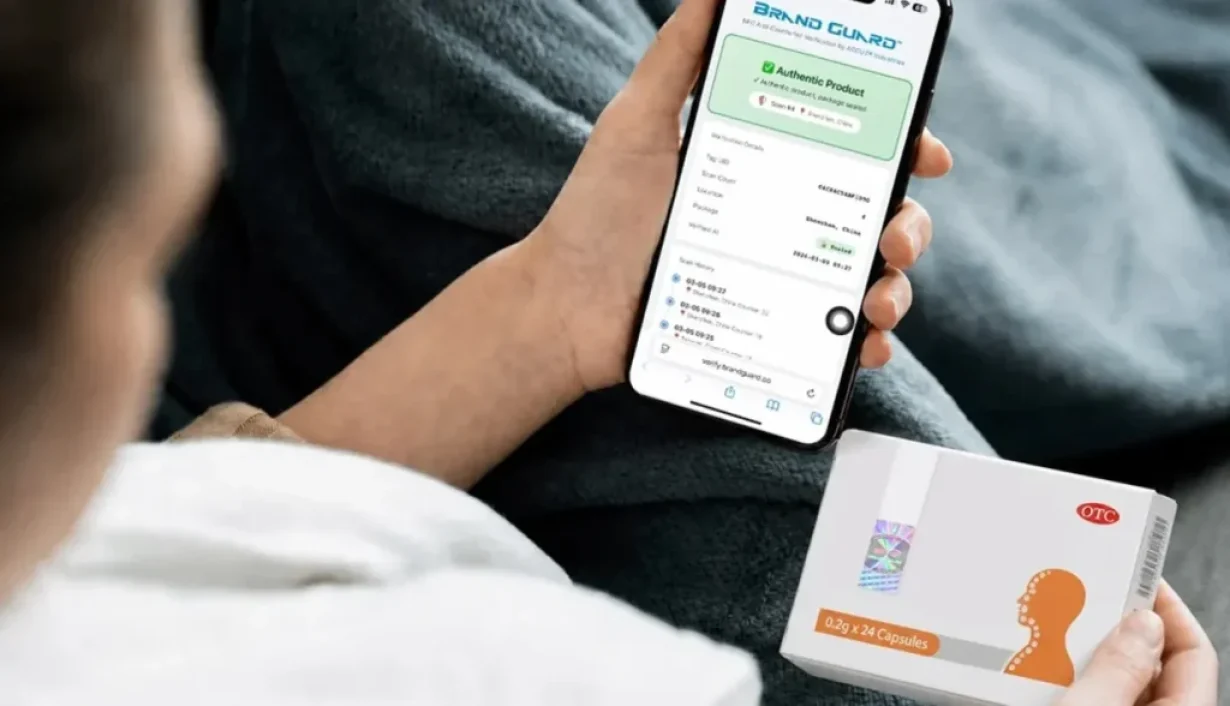

Retail packaging has traditionally had one main job: protect the product and communicate essential information before purchase. Today, that role is changing. Consumers want easier access to product details, proof of authenticity, usage guidance, loyalty benefits, and after-sales support. Retail brands, meanwhile, are looking for better ways to connect physical products with digital experiences.
NFC smart packaging offers a practical way to meet both needs. By embedding an NFC label or tag into a product surface, box, bottle, cap, or other packaging component, a brand can give each product a digital identity. With a simple tap of an NFC-enabled smartphone, consumers can access a product page, authenticity check, digital certificate, tutorial, loyalty program, or other online service.
This makes NFC more than a packaging feature. It becomes an identification technology that connects the physical product to useful digital information throughout its life cycle.
What Is NFC Smart Packaging?
NFC stands for Near Field Communication. It is a short-range wireless technology that allows compatible devices to exchange information when they are brought close together.
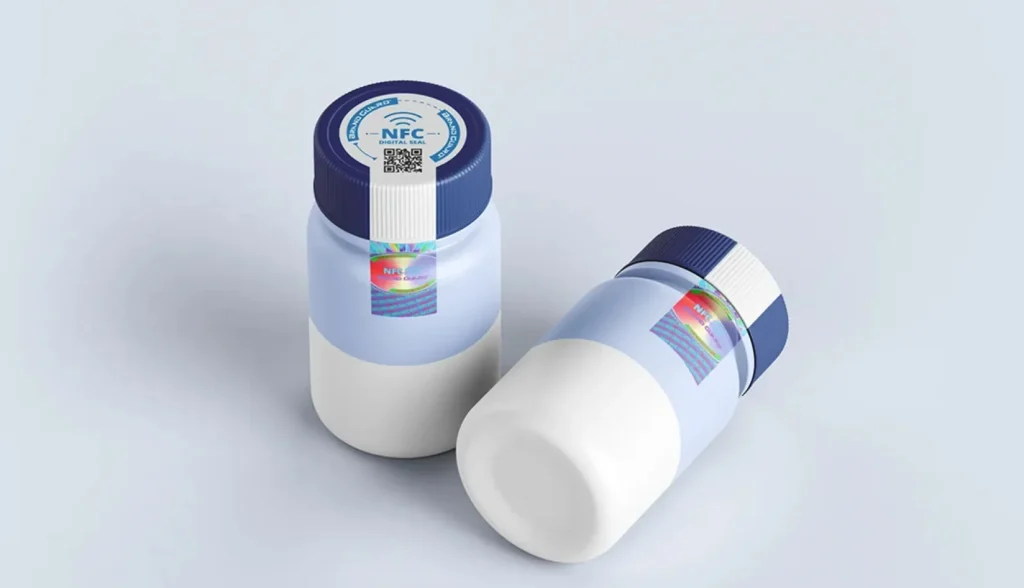
In smart packaging, an NFC chip is integrated into a label or packaging structure. The chip can contain a web link, a unique product identifier, or other small amounts of digital data. When a consumer taps the packaging with a compatible smartphone, the phone can open the linked content without requiring a separate scanning app in many common use cases.
The content may include product specifications, ingredients, instructions, authentication services, promotional campaigns, or customer support. The NFC label itself does not need a battery, which makes it suitable for many products and packaging formats.
The physical label is only one part of the solution. A complete NFC smart packaging program normally includes the NFC label, encoded product data, a digital platform or landing page, and a strategy for managing customer interactions.
What Can Retail Brands Tell Customers Through NFC Packaging?
The strongest value of NFC smart packaging is that it gives brands a direct, convenient way to communicate with customers at the moment when information matters most.
1. Product Information and Usage Instructions
Printed packaging has limited space. A product page connected to an NFC label can provide much more detailed information without making the package crowded.
Depending on the category, customers may be able to access:
- Product specifications and key features
- Ingredients, materials, or nutritional information
- Directions for use
- Safety information and precautions
- Care and maintenance instructions
- Product comparisons and recommendations
For cosmetics, NFC packaging can link to application tutorials and ingredient information. For electronics, it can provide setup instructions and troubleshooting guides. For food, beverages, and supplements, it can offer information about sourcing, serving suggestions, or responsible use.
Because the digital content can be managed online, brands can improve or update the information without redesigning and reprinting the entire package.
2. Product Authenticity and Brand Protection
Counterfeit products create financial and reputational risks for retail brands. They can also expose consumers to products with unknown quality or safety standards.
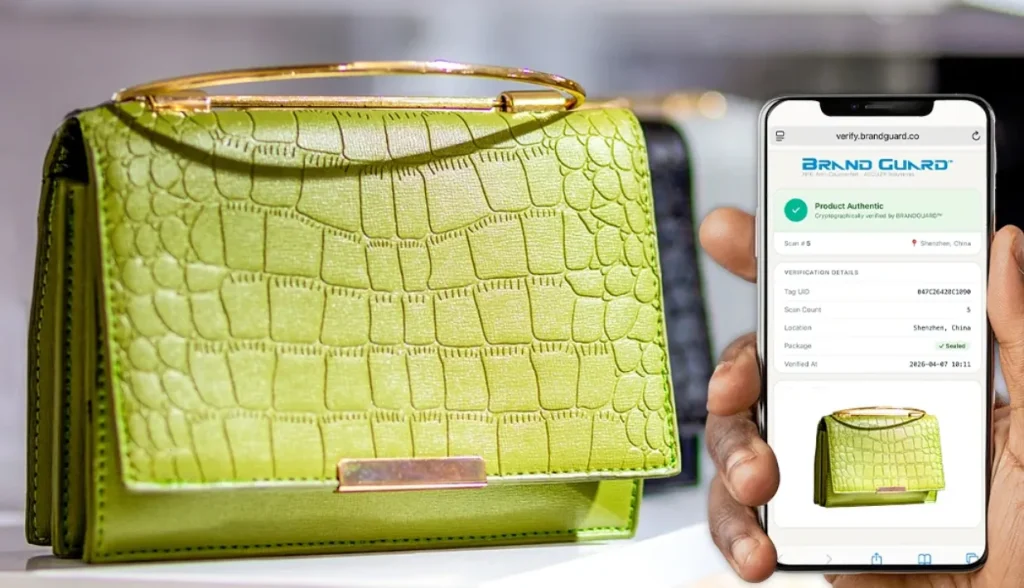
An NFC label can give each item a unique digital identity. When a customer taps the label, the brand can direct them to an authentication page that checks the product identifier and displays an appropriate result.
More advanced NFC solutions may support security features such as cryptographic authentication, tamper detection, or opening-status detection. These features can help brands build a stronger verification process, although no single technology should be described as a complete solution to counterfeiting.
The customer experience should also be simple. A clear message such as “Tap to verify” can make authentication part of the normal buying experience rather than a complicated technical process.
This is particularly valuable for luxury goods, cosmetics, fragrances, alcohol, supplements, collectibles, and other categories where authenticity strongly influences customer trust.
3. Product Origin and Supply Chain Information
Consumers increasingly want to understand where products come from and how they are made. Retail brands can use NFC-connected pages to provide selected information about origin, production, materials, batch numbers, or distribution.
The level of detail will depend on the brand’s systems and the information it is prepared to share. A product’s digital identity can also support internal operations by connecting the item with manufacturing, distribution, inventory, and after-sales records.
NFC should not be presented as a replacement for an entire supply chain management system. Instead, it can serve as a convenient customer-facing and product-level entry point into information that already exists in the brand’s systems.
4. Digital Product Experiences
A physical package can become the starting point for a richer digital experience. After tapping the NFC label, customers may watch a product demonstration, explore a brand story, follow a styling guide, or receive personalized recommendations.
For example, a skincare brand could connect a product to a routine builder. A wine brand could provide serving suggestions and producer information. A fashion brand could share garment-care guidance, styling ideas, and information about materials.
These experiences help customers get more value from the product while giving the brand a way to communicate beyond the limited space available on the package.
5. Registration, Warranty, and Customer Support
NFC packaging can simplify post-purchase services. Instead of searching for a serial number or typing a long URL, the customer can tap the product and access the relevant service page.
Possible functions include:
- Product registration
- Warranty activation
- Repair or replacement requests
- Customer service contact
- Frequently asked questions
- Downloadable manuals
- Spare-part or accessory ordering
This can reduce friction for customers and help brands maintain a more direct relationship after the sale.
6. Loyalty, Promotions, and Repeat Purchases
Packaging can also become a channel for customer engagement and retention. A tap may unlock a coupon, loyalty points, member content, an early-access offer, or a link for reordering.
For products that are used regularly, the NFC experience can support replenishment reminders and repeat purchases. The brand can design different journeys for first-time buyers, returning customers, members, or customers who have registered a product.
The most effective campaigns provide a clear benefit. Customers are more likely to tap when they understand what they will receive, such as a useful guide, a discount, product verification, or access to exclusive content.

Why NFC Is a Valuable Identification Technology for Retail
NFC provides a close-range interaction between the consumer and the specific product in front of them. This creates several advantages for retail brands.
First, it can make product information easier to access. Customers do not need to search for the correct product page or enter a long code manually.
Second, an NFC label can support item-level identification. Instead of every product linking to exactly the same generic page, unique identifiers can enable more relevant services, authentication workflows, or lifecycle information.
Third, NFC supports an ongoing connection. The same label can be useful before purchase, at the point of purchase, after purchase, and when the product needs support, replenishment, or recycling.
Finally, a digital NFC program can help brands learn which services customers use. Any collection or processing of interaction data should be designed responsibly and in accordance with applicable privacy requirements. Brands should collect only the data they need and explain how it is used.
Which Retail Categories Can Use NFC Smart Packaging?
NFC smart packaging can be adapted to many product categories, including:
- Beauty and personal care: authentication, ingredient information, tutorials, and product routines
- Luxury goods: digital certificates, ownership services, and brand protection
- Wine and spirits: origin, tasting notes, age information, and authentication
- Food and beverages: sourcing, recipes, nutrition information, and promotions
- Fashion and footwear: care instructions, material information, and digital product records
- Consumer electronics: setup guides, warranty registration, and accessory ordering
- Health and wellness products: usage instructions, verification, and replenishment services
- Collectibles: product history, ownership records, and authenticity checks
The best use case depends on the product, packaging material, customer journey, and business objective. An NFC label should solve a real customer or operational problem rather than be added only as a technology demonstration.
What Should Brands Consider When Choosing an NFC Label?
Not every NFC label is suitable for every product. Before launching a smart packaging project, brands should evaluate several practical factors.
Packaging Material
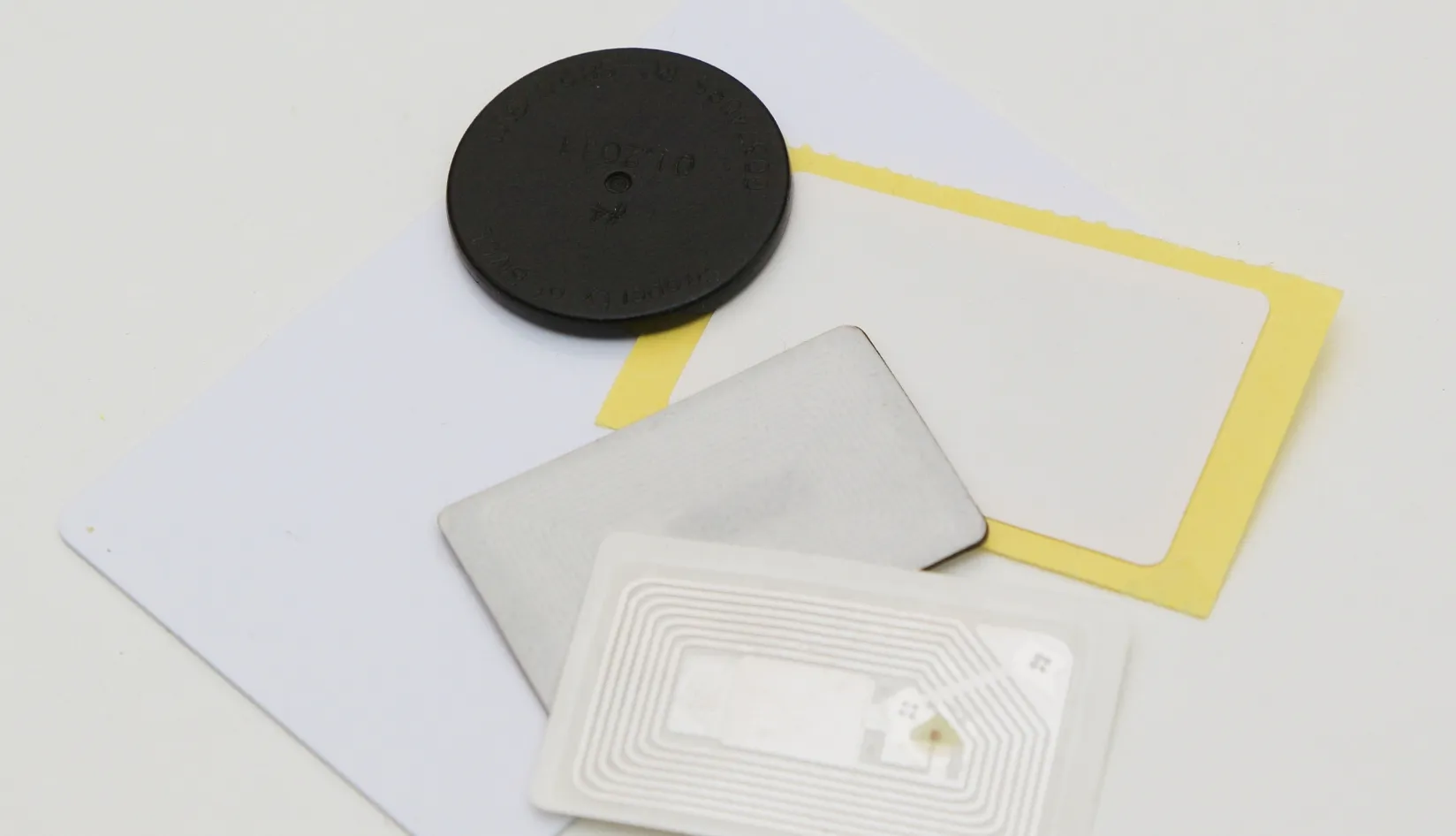
Metal, liquid, glass, foil, and dense materials can affect NFC performance. The label design may need to be adapted to the packaging surface and product environment.
Chip Type and Memory
The required chip depends on the use case. A simple redirect may need less memory than a solution that stores additional data or supports advanced security functions.
Encoding and Serialization
For authentication, traceability, or item-level services, each label may need a unique identifier. The supplier should be able to support reliable encoding, data management, and quality control at the required production volume.
Security Requirements
Brands should decide whether a standard NFC label is sufficient or whether they need features such as tamper evidence, cryptographic authentication, or protected data access.
Digital Platform and Content Management
The NFC label should connect to a stable digital destination. Brands should also consider who will update the content, manage redirects, monitor performance, and maintain the customer experience over time.
Testing and Production Integration
Before mass production, the label should be tested on the actual package and under realistic conditions. Readability, placement, adhesion, printing quality, and compatibility with filling and packing processes all matter.
How to Start an NFC Smart Packaging Project
A practical project can begin with a limited pilot rather than a full product-line rollout.
Start by choosing one product and one clear objective. The objective could be product authentication, customer education, warranty registration, or a loyalty campaign. Then select the appropriate NFC label format and test it on the final packaging.
The next step is to create a simple mobile-friendly landing page. The page should load quickly, explain the value of the tap, and guide the customer to the next action. Once the pilot is running, the brand can review engagement and feedback before expanding to more products, markets, or services.
A reliable NFC label supplier can support this process with label customization, chip selection, encoding, serialized data, printing, adhesive options, and application testing.
Conclusion: Turn Every Package Into a Digital Touchpoint
NFC smart packaging gives retail brands a practical way to connect physical products with digital services. Through a simple smartphone tap, customers can access product information, usage guidance, authenticity checks, origin details, loyalty benefits, and after-sales support.
For brands, the opportunity goes beyond adding a new feature to the package. NFC can provide each product with a digital identity and create a more useful relationship between the product and its owner.
The right NFC label solution depends on the package, product category, security requirements, production process, and customer journey. By starting with a clear use case and a focused pilot, retail brands can test the value of connected packaging and build a scalable smart packaging program.
Ready to explore NFC smart packaging for your products? Contact us to discuss NFC tag formats, chip options, custom printing, encoding, authentication, and pilot production.
FAQs
Does NFC smart packaging require a mobile app?
Not always. Many NFC experiences can open a mobile web page directly after a customer taps the label. An app may be useful when the brand needs advanced features, account-based services, or deeper device integration.
Can NFC labels be used on liquid or metal packaging?
They can be used in many challenging packaging environments, but the label design must be tested for the specific material and shape. Special constructions or positioning may be needed for metal, liquid, or foil packaging.
Can brands update the content after the labels are produced?
In many implementations, the label connects to a web address or digital resolver that can redirect to updated content. This allows the brand to refresh product information or campaigns without changing the physical label. The exact capability depends on the solution architecture.
Is NFC the same as RFID?
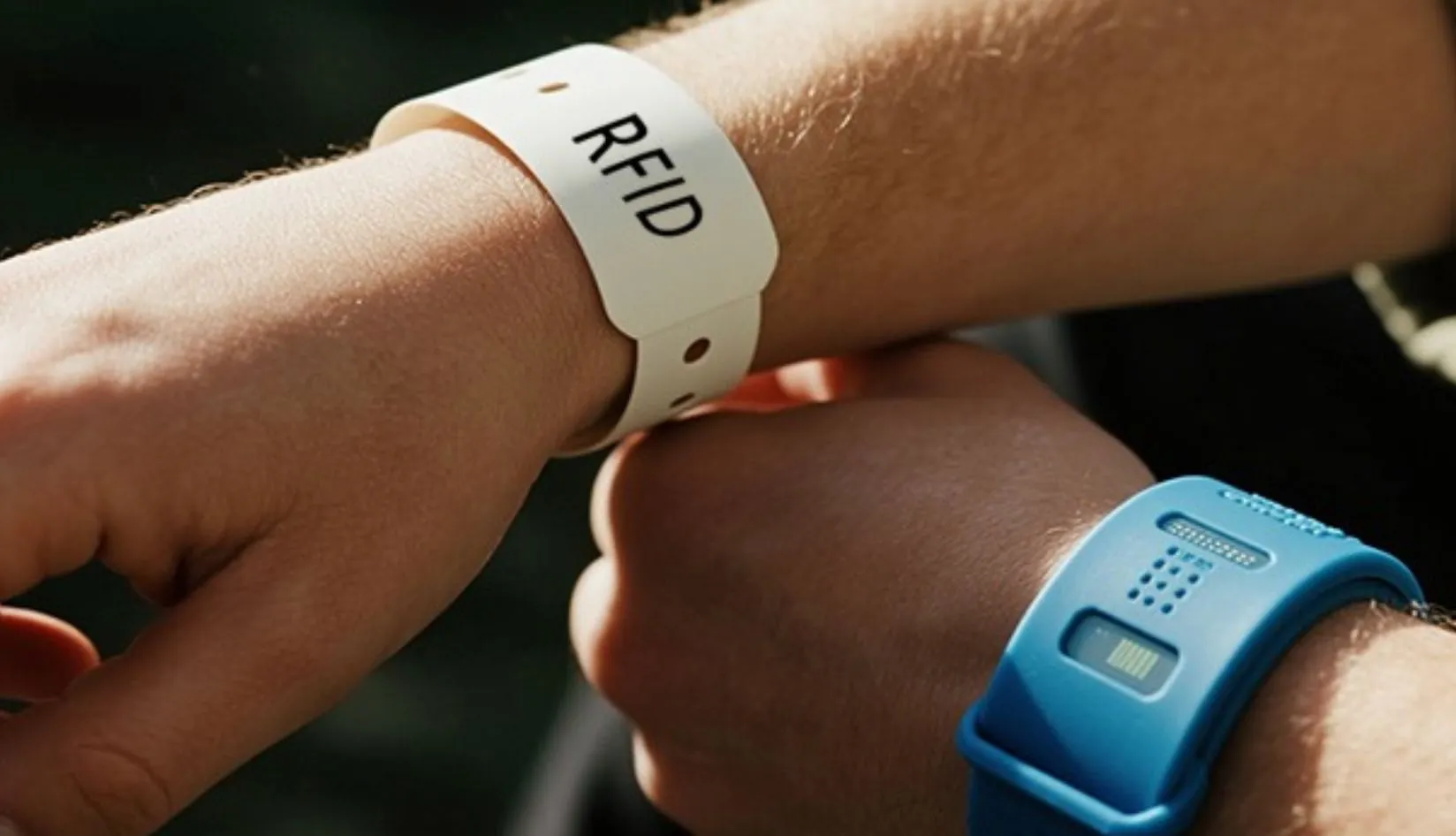
NFC is based on the RFID technology family but is designed for very short-range communication and consumer interactions. NFC is commonly used for smartphone taps, while other RFID systems may be optimized for inventory management, logistics, or longer read ranges.
What information should an NFC packaging pilot measure?
Useful metrics may include tap volume, unique visitors, authentication attempts, content engagement, registrations, coupon redemption, repeat visits, and customer feedback. Metrics should be selected according to the pilot’s business objective.



 EN
 ES
 JA