


In the ever-evolving realm of the chemical industry, achieving precision and ensuring safety are vital for success. Overseeing chemical assets, ranging from raw materials to finished products, introduces distinct challenges. The potential risks are considerable: improper handling can result in safety threats, regulatory complications, and financial setbacks. However, Radio Frequency Identification (RFID) technology is transforming chemical asset management by tackling persistent challenges faced by the industry.
What is Chemical Asset Management?
Chemical asset management employs a comprehensive, systematic approach to oversee all assets within a chemical operation. Its scope extends well beyond just the chemicals themselves. It also encompasses equipment, infrastructure, and the trained personnel responsible for managing these materials. The primary goal is to enhance asset utilization, simplify maintenance processes, and ensure proper disposal, while prioritizing safety, compliance, and operational efficiency.
In this sector, the range of assets is extensive. They consist of raw materials, intermediates, finished products, laboratory equipment, storage tanks, pipelines, and safety equipment. To manage these assets effectively, precise inventory management, condition monitoring, and performance evaluation are essential. Teams must adhere to stringent safety protocols and comply with environmental regulations. By implementing these practices, they can increase asset returns and mitigate risks associated with storage, handling, and usage.
Why is Chemical Asset Management So Important?
Effective management of chemical assets is essential for safety, regulatory compliance, and operational stability in high-risk industries. Precise tracking of hazardous materials prevents accidents, spills, and unsafe storage, protecting people and the environment. This practice enables quick incident response and reduces the risk of disasters.
Organizations like the EPA, OSHA, and FDA require accurate asset records for compliance. Failing to meet these standards can lead to fines and damage your reputation. On the other hand, smart asset management improves efficiency. It helps avoid overstocking or understocking, reduces waste, and ensures you use resources effectively.
Real-time data access enhances decision-making for better forecasting and resource allocation. In summary, chemical asset management is crucial for safety, compliance, and improved business performance.
What is RFID Technology?
Radio Frequency Identification (RFID) is a revolutionary wireless technology that uses radio waves to automatically identify and track objects. Unlike traditional barcode systems that require a direct line of sight for scanning, RFID offers a more efficient and versatile solution, enabling rapid and accurate data capture without physical contact.

Why Implement RFID to Drive Efficient and Reliable Chemical Asset Management?
The unique capabilities of RFID technology make it an ideal solution for addressing the specific challenges faced by the chemical industry. Its implementation can lead to significant improvements across various facets of chemical asset management, from inventory control to regulatory compliance.
Improve Chemical Inventory Management
Managing chemical inventory is a complex task, often plagued by inaccuracies, manual errors, and a lack of real-time visibility. Traditional methods, such as manual counting and barcode scanning, are time-consuming, prone to human error, and provide only a snapshot of inventory at a given moment. RFID technology fundamentally transforms this process, offering unparalleled accuracy, efficiency, and real-time insights.
With RFID, each chemical container, drum, or bottle is affixed with a unique RFID tag. Strategically placed RFID readers throughout the facility—at receiving docks, storage areas, dispensing stations, and even disposal points—can automatically detect and record the presence and movement of these tagged items. This creates a dynamic, real-time inventory system that eliminates the need for manual data entry and significantly reduces the potential for human error.
Enhance Equipment Management in the Lab and Hospital
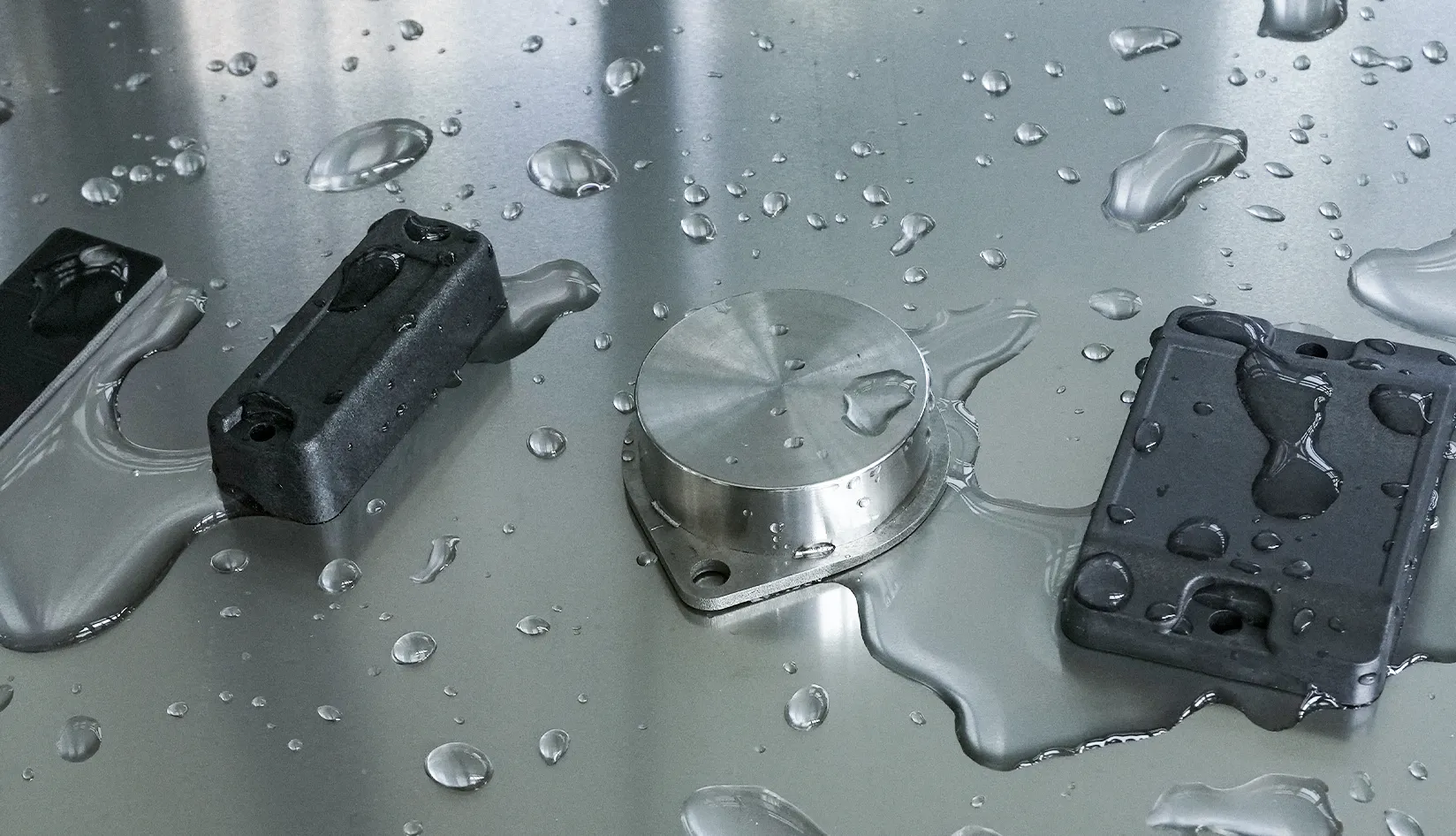
Laboratories and hospitals are environments where precise equipment management is paramount. The challenging conditions often found in these settings—exposure to chemicals, frequent sterilization, and the need for robust tracking on metal surfaces—make traditional asset management difficult. This is where specialized chemical-resistant RFID on-metal tags prove invaluable.
These on-metal tags incorporate features that prevent signal degradation, ensuring consistent and accurate reads. Furthermore, chemical-resistant variants are engineered to withstand exposure to a wide range of corrosive substances, cleaning agents, and high temperatures, making them well-suited for the rigorous demands of equipment tracking in laboratories and hospitals.
Improve Personnel Management in the Lab and Hospital
Beyond asset control, RFID also improves personnel management in sensitive environments like laboratories and hospitals. It helps ensure only authorized staff enter restricted zones. The system tracks real-time presence for safety compliance. It also simplifies daily administrative tasks, enhancing both security and operational efficiency.
RFID-enabled access control systems provide a robust solution for managing entry and exit. Personnel are issued RFID-enabled ID badges or wristbands that grant them access only to authorized areas. This not only enhances security by preventing unauthorized entry but also ensures that only properly trained and equipped individuals are in potentially dangerous zones.
In emergencies, knowing the exact location of personnel is paramount. RFID systems can provide real-time location data, enabling emergency responders to quickly identify and account for everyone, thereby facilitating efficient evacuation and rescue operations. In hospitals, tracking staff movement can optimize response times to patient calls and ensure adequate staffing in critical areas.

Optimize Lab Sample Tracking and Management
Laboratory samples often require preservation for extended periods and must be monitored throughout various processes. By implementing RFID laboratory labels on these samples, you can guarantee that each one is distinct and can be tracked at various stages, minimizing the risk of mix-ups or loss.


Conclusion
The chemical industry stands at a pivotal moment, facing increasing demands for safety, efficiency, and regulatory compliance. Traditional chemical asset management methodologies, while foundational, are often insufficient to meet these evolving challenges.
From providing real-time, highly accurate chemical inventory tracking that minimizes waste and optimizes stock levels to enhancing equipment management in demanding lab and hospital environments with durable on-metal tags, RFID delivers tangible operational benefits.
The journey towards a more efficient, reliable, and secure chemical asset management system begins with embracing the power of RFID.
FAQs
Can existing chemical asset management software support RFID integration?
Yes, RFID systems can integrate with existing chemical asset management software, Enterprise Resource Planning (ERP) systems, Laboratory Information Management Systems (LIMS), and other operational platforms. Integration is typically through Application Programming Interfaces (APIs) or middleware that translates data between the RFID system and the existing software.
What is an asset in the pharmaceutical industry?
In the pharmaceutical sector, an asset denotes any valuable item that aids in the production, research, development, or distribution of pharmaceutical products. This encompasses a diverse array of items, such as physical assets like manufacturing or laboratory equipment, as well as chemical and biological assets, including excipients, raw materials, and other related assets.
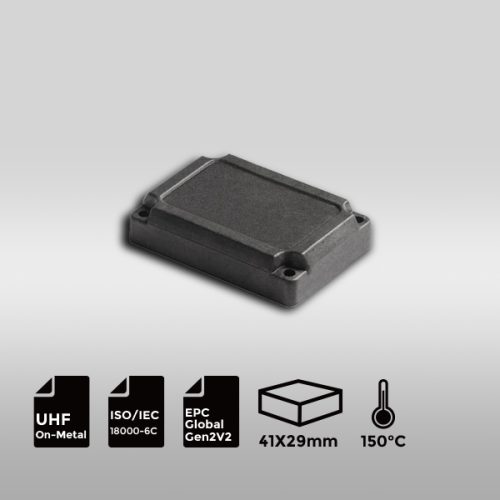
Chemical Resistant NXP UCODE® 8 PEEK RFID On-Metal Tag | 41×29 mm
This chemical resistant NXP UCODE® 8 PEEK RFID On-metal Tag adapts to pH 0–14 and endures harsh chemicals. It is perfect for asset tracking in medical devices, automotive and electronics industries where metal surfaces require durable tagging.


 EN
 ES
 JA