


Traditional mechanical keys often fall short in today’s security-conscious world—they can be lost, duplicated, or require costly lock changes when compromised. For businesses, residential complexes, and institutions, these limitations pose both security risks and operational inefficiencies.
This is where the RFID chip key fob comes in. Compact, durable, and contactless, it offers a smarter way to manage access, eliminating the weaknesses of traditional keys while enhancing convenience. As a vital component of modern security management, the RFID chip key fob is redefining how we protect and control access to our spaces.
What Is an RFID Chip Key Fob?
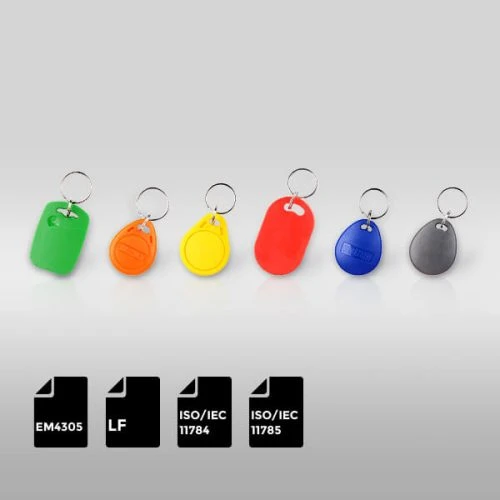
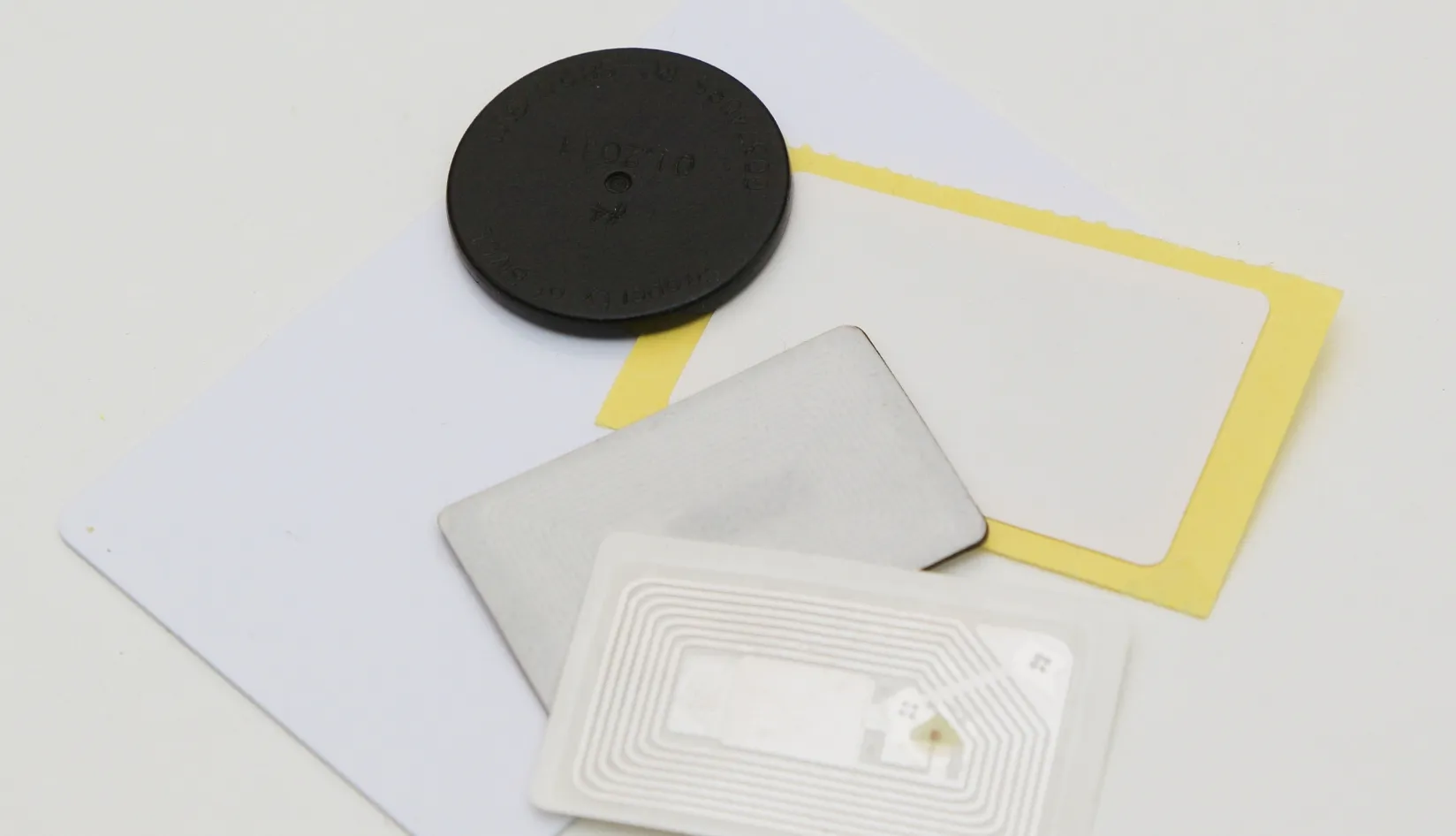
An RFID chip key fob is a compact, portable security device that uses Radio Frequency Identification (RFID) technology to grant or restrict access to a specific area, system, or resource. Shaped like a small keychain accessory, it contains an embedded microchip and antenna that work together to store and transmit a unique identification code. This code is recognized by an RFID reader, which then communicates with an access control system to determine whether to grant entry.
RFID technology itself operates on the principle of wireless communication between a tag (in this case, the chip inside the key fob) and a reader. The fob does not need to make physical contact with the reader; instead, it uses short-range radio waves to exchange data. This enables quick, contactless access without the wear and tear of traditional mechanical keys.
Core functions of an RFID chip key fob include:
- Identification – Each fob is encoded with a unique ID number that distinguishes it from all other fobs.
- Authentication – When presented to a compatible RFID reader, the system verifies the ID against its database to confirm the user’s identity.
- Authorization – If the ID is authorized, the system unlocks the door, gate, or other secured access point. If not, access is denied.
By combining RFID wireless technology with a convenient keychain design, RFID chip key fobs provide a fast, reliable, and secure method for managing access in both residential and commercial environments.
How RFID Chip Key Fobs Work
The operation of an RFID chip key fob is based on RFID key fob technology, which uses short-range wireless communication to transmit data securely between the fob and a reader. This process takes place within milliseconds and involves three main elements: the RFID chip key fob itself, an RFID reader, and the access control system.
1. Radio Frequency Identification Mechanism
When an RFID access key fob comes within range—typically 1 to 10 centimeters—of an RFID reader, the reader emits a radio frequency signal. The fob’s built-in antenna captures this signal and uses it to power the embedded microchip (in the case of passive RFID). The chip then transmits its unique identification code back to the reader via the same wireless channel.
2. Encrypted Data Transmission and Authentication
Modern RFID key fob technology uses encryption to protect the data being transmitted. Instead of sending raw identification codes, many advanced fobs use cryptographic algorithms to scramble the data, making it much harder for unauthorized parties to intercept or clone the fob.
- Low-Frequency (125kHz) systems: Basic security, shorter read ranges, more vulnerable to cloning.
- High-Frequency (13.56MHz) systems: Faster data transfer, stronger encryption (e.g., MIFARE® DESFire®, HID® iCLASS®), more secure for sensitive environments.
Once the reader receives the encrypted ID, it forwards it to the access control system, which performs a database lookup to verify whether the ID belongs to an authorized user.
3. Interaction with Reader and Access Control System
The interaction between the components follows this sequence:
- Detection – Reader detects the presence of the RFID access key fob.
- Signal Transmission – Reader sends an activation signal; fob responds with its encrypted ID.
- Verification – Access control system checks the ID against stored credentials.
- Decision – If the ID is valid and has sufficient access rights, the system sends a signal to unlock the door, gate, or other secured entry point.
- Logging – Many systems record each access attempt for auditing and security monitoring.
This contactless, encrypted verification process not only speeds up access but also significantly reduces the risk of unauthorized entry, making RFID chip key fobs a preferred choice for modern access control solutions.
Key Benefits of Using RFID Chip Key Fobs
When choosing the best RFID chip key fob for security, understanding the core advantages of these devices is essential. RFID chip key fobs offer a combination of safety, convenience, management flexibility, and durability that traditional keys simply cannot match.
1. High Security: Anti-Cloning and Anti-Theft Protection
One of the foremost advantages of RFID chip key fobs is their robust security features. Unlike mechanical keys, which can be easily duplicated, many RFID key fobs utilize encrypted communication protocols to prevent cloning or unauthorized access. Advanced models employ technologies such as AES encryption and mutual authentication, significantly reducing the risk of hacking or theft.
Moreover, in case a fob is lost or stolen, it can be instantly deactivated remotely without needing to replace physical locks, providing peace of mind and cost savings. To ensure maximum security, it is essential to understand how an RFID key fob works during the authentication process.
2. Convenience: Contactless and Keyless Access
The best RFID chip key fob for security is designed for ease of use. Users simply hold or tap the fob near a reader—no insertion, twisting, or fumbling required. This contactless operation not only speeds up access, especially in high-traffic areas, but also reduces wear on the hardware.
Additionally, RFID key fobs can be carried in pockets or bags without losing functionality, enhancing daily convenience and reducing the chance of losing the device.
3. Access Management: Flexible Permission Control and Audit Trails
RFID chip key fobs empower administrators with advanced management capabilities. Access permissions can be easily assigned, updated, or revoked via the access control system without changing locks or reissuing physical keys.
Many systems also log each entry attempt, enabling detailed audit trails and real-time monitoring of who accessed which area and when. This feature is invaluable for compliance, security audits, and incident investigations.
4. Durability: Water-Resistant and Wear-Resistant Design
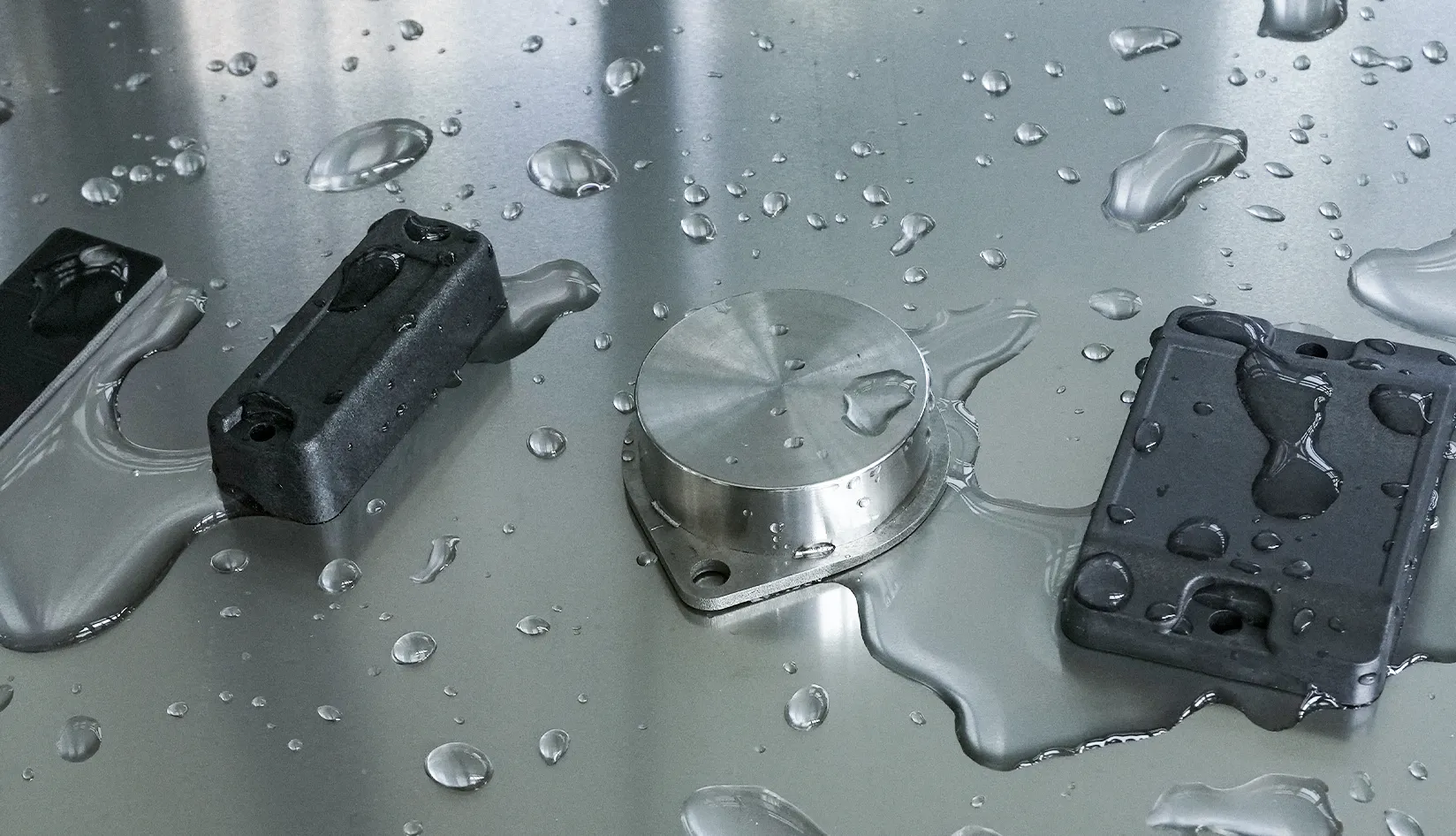
Durability is another key factor that sets the best RFID chip key fob for security apart from traditional access methods. These fobs are typically made from robust materials such as ABS plastic or epoxy resin, providing resistance to water, dust, and physical impact.
This rugged construction ensures consistent performance over time, even in harsh environments, minimizing replacement costs and downtime.
Common Applications of RFID Chip Key Fobs
The versatility and security of the RFID chip key fob make it an ideal solution across various industries and environments. Below are some of the most common applications where RFID door entry key fobs significantly improve access control and user experience.
1. Residential Access Control Systems
In modern apartment complexes and gated communities, RFID door entry key fobs provide residents with a secure and convenient way to enter buildings, parking garages, and communal areas. Compared to traditional keys, these fobs minimize the risk of unauthorized duplication and lost keys. Property managers benefit from easy control over access rights and the ability to quickly deactivate lost or stolen fobs.
2. Office Buildings and Corporate Access
Many businesses have adopted RFID chip key fobs to safeguard office entrances, sensitive departments, and restricted zones. The fobs support flexible permission settings, allowing companies to restrict access based on roles, working hours, or security clearance. This level of control, combined with detailed entry logs, enhances both security and operational efficiency.
3. Parking Lot and Garage Access
Managing vehicle access can be a challenge in busy parking areas. Using RFID door entry key fobs allows authorized vehicles to enter and exit without stopping, reducing congestion and improving traffic flow. These fobs can be programmed for specific vehicles or users, and administrators can easily update access permissions as needed.
4. Hotel Room Key Replacement
Hotels are increasingly adopting RFID chip key fobs as a durable, reusable alternative to plastic key cards. These fobs improve guest convenience by offering longer-lasting, water-resistant keys that are less prone to damage or demagnetization. The technology also enables hotels to remotely activate or deactivate room access, enhancing overall security.

Key Factors to Consider When Buying an RFID Chip Key Fob
Selecting the right RFID chip key fob is crucial to ensure compatibility, security, and long-term reliability. Whether you are looking to buy RFID chip key fob units for your business or personal use, it’s important to evaluate several key factors carefully.
1. Frequency Type (125kHz vs. 13.56MHz)
RFID key fobs commonly operate at two frequency ranges:
- 125kHz (Low Frequency): These fobs have a shorter read range and are often used in simpler, legacy systems. They tend to be less secure and more vulnerable to cloning.
- 13.56MHz (High Frequency): These offer faster data transmission, longer read ranges, and support advanced encryption standards such as MIFARE and HID iCLASS. They are widely recommended for applications requiring higher security.
Choosing the correct frequency is essential to ensure your new fobs work seamlessly with your existing RFID door entry key fob system.
2. Chip Brand and Compatibility
Not all RFID chips are created equal. Major brands such as NXP, HID Global, and Infineon manufacture chips with different features and security protocols. When you buy RFID chip key fob, verify the chip’s compatibility with your readers and control systems. This prevents integration issues and ensures smooth operation.
3. Security and Encryption Level
The level of encryption plays a vital role in protecting your access control system. Basic chips offer minimal security, while advanced models provide multi-layer encryption and mutual authentication to prevent cloning and hacking. For sensitive environments, opt for fobs supporting AES encryption or proprietary secure protocols.
4. Price and Cost-Effectiveness
RFID key fob price varies based on features, materials, and brand reputation. While it may be tempting to choose the cheapest option, investing in higher-quality, secure fobs often results in lower long-term costs due to reduced replacement frequency and better protection. Consider the total value rather than just upfront cost.
5. Brand Reputation and After-Sales Support
Choosing a reputable supplier with reliable customer service and warranty options is crucial. Brands with established track records offer better product quality, technical support, and easier access to replacement parts. This ensures your investment in RFID chip key fob technology remains protected and effective over time.
How to Maintain and Extend the Lifespan of Your RFID Chip Key Fob
Proper maintenance is essential to ensure your RFID chip key fob remains reliable and functional over time. By following these simple yet effective tips, you can significantly extend the lifespan of your key fob and avoid unexpected failures.
1. Avoid Strong Magnetic Interference
RFID chip key fobs rely on delicate electronic components that can be disrupted by strong magnetic fields. Keep your key fob away from magnets, magnetic clasps, or devices that emit strong electromagnetic radiation. Exposure to such interference may damage the chip or affect its communication with the reader, leading to access issues.
2. Prevent Physical Damage from Bending or Impact
Though RFID key fobs are generally designed to be durable, excessive bending, twisting, or dropping can damage the internal chip or antenna. Avoid storing your fob in tight pockets where it might be bent, or placing it under heavy objects. Use a protective case if necessary to prevent accidental damage caused by daily wear and tear.
3. Regular Testing and Timely Replacement
To ensure continued functionality, periodically test your RFID chip key fob by using it on the authorized readers. If you notice inconsistent performance—such as delayed recognition or failure to unlock doors—it may be time to replace the fob. Prompt replacement prevents inconvenience and maintains security.
4. Keep the Fob Clean and Dry
Dirt, dust, and moisture can degrade the performance of your RFID key fob. Regularly wipe the fob’s surface with a soft, dry cloth to remove contaminants. Avoid exposing the device to water or harsh chemicals, even if it is advertised as water-resistant, to preserve the integrity of the chip and casing.
Conclusion and Call to Action
In today’s fast-evolving security landscape, the RFID chip key fob stands out as a highly effective solution combining safety, convenience, and smart access management. From preventing unauthorized entry through advanced encryption to offering effortless, contactless operation, RFID chip key fobs enhance both security and user experience across residential, commercial, and industrial environments.
Choosing the right RFID chip key fob tailored to your specific needs—whether for a home, office, parking facility, or hotel—ensures you benefit from the latest technology while maintaining robust security protocols. Remember to consider factors such as frequency compatibility, chip brand, encryption level, and budget to find the best fit.
Now is the perfect time to upgrade your access control system. Explore the market and buy RFID chip key fob products that provide reliable protection and unmatched convenience. Secure your property, simplify access management, and enjoy peace of mind with the best RFID chip key fob solutions available today.
FAQs
Can an RFID Chip Key Fob Be Cloned?
While it is technically possible to clone some basic RFID key fobs, especially those using low-frequency (125kHz) technology with minimal security, most modern RFID chip key fobs employ advanced encryption and mutual authentication protocols. These security features make cloning extremely difficult for unauthorized individuals. To maximize security, always choose high-frequency (13.56MHz) fobs with strong encryption standards such as MIFARE® DESFire® or HID® iCLASS®.
What Should I Do If I Lose My RFID Chip Key Fob?
If your RFID chip key fob is lost or stolen, immediately contact your system administrator or security provider. One of the major advantages of RFID systems is that lost fobs can be quickly deactivated remotely without needing to change physical locks. This prevents unauthorized access and ensures your premises remain secure while you get a replacement fob issued.
What Is the Difference Between RFID Chip Key Fobs and NFC Phone Unlocking?
RFID chip key fobs and NFC-enabled smartphones both use radio frequency technology but serve different purposes. RFID key fobs are dedicated devices designed specifically for access control, typically offering longer read ranges and more robust encryption. NFC phone unlocking relies on mobile apps and phone hardware, which may require additional setup and can be affected by battery life. RFID fobs offer simplicity and reliability without dependence on external apps or devices.
How Long Does an RFID Chip Key Fob Typically Last?
The lifespan of an RFID chip key fob varies depending on usage and environmental factors, but most quality fobs can last between 3 to 5 years or more. Proper care—such as avoiding strong magnetic fields, physical damage, and moisture—can extend the device’s life. Regular testing and timely replacement help maintain system reliability and security.





 EN
 ES
 JA