


Construction sites today operate at a relentless pace, with machinery constantly moving and teams frequently shifting tasks under tight deadlines. In this fast environment, poor construction asset management can lead to stolen equipment, lost materials, and costly delays.
Manual tracking approaches—such as using paper logs or old-fashioned Excel sheets—tend to cause frequent errors and reduce overall workflow efficiency. A smarter solution is RFID (Radio Frequency Identification), which automates and enhances visibility in asset management. RFID not only improves tool tracking but also transforms construction operations, making them faster, safer, and more efficient.
Let’s explore the tangible business benefits of RFID in construction asset management.
What is Construction Asset Management?
Construction asset management (CAM) is a comprehensive approach that manages tangible resources from initial planning and acquisition to daily use, ongoing maintenance, and eventual decommissioning or replacement. The primary objective is to boost the overall value of assets, all while keeping expenses and potential risks at a minimum.
CAM plays a crucial role in ensuring project success by enabling data-driven decision-making, streamlining operational workflows, supporting adherence to regulatory standards, and helping prolong the usable life of assets.
As technology advances and projects become more complex, effective CAM is increasingly important for optimizing resources and achieving project objectives.

Why is Efficient Construction Asset Management Important?
Having grasped the definition, let’s explore its significance. An effective asset management strategy can turn a project from disorganized to streamlined.
Enhance Construction Efficiency
An efficient system guarantees that the necessary tools and equipment are accessible precisely when needed. This minimizes the time wasted on locating lost items and avoids delays in projects. When resources are well-organized, teams can operate with enhanced confidence and concentration.
Eliminate Asset Loss and Theft
Construction sites are highly vulnerable to theft, with costly machinery and materials frequently left unguarded, leading to substantial annual losses for companies. Without proper tracking, asset misplacement and unauthorized usage can easily slip through the cracks. Implementing a robust system provides complete visibility, fostering accountability at every level.
Improve Asset Management Efficiency and Accuracy
Transitioning from manual entry systems, which are often slow and prone to errors, to automated tracking can significantly enhance accuracy, ensure data is current, and enable quicker, more informed decision-making for businesses.
Reduce Cost
When equipment is misplaced or not adequately maintained, businesses must either buy or rent replacements. Poor asset utilization can result in excessive ordering or insufficient use. Enhancing visibility and control allows companies to reduce both capital and operational costs.
Ensure Workers Safety
An asset management system ensures equipment is regularly serviced, replaced as necessary, and complies with safety regulations. It allows safety personnel to track the location, inspection, and maintenance of fall protection systems on-site, prioritizing life safety over financial issues.
Reduce Down Time to Accomplish the Project Timely
Efficient asset management significantly reduces downtime by facilitating prompt maintenance and repairs. This proactive approach minimizes the chances of process disruptions, ensuring that projects stay on track and lessening the risk of financial setbacks due to delays.
How RFID Drives Smarter Asset Management in Construction?
RFID is more than just a tracking solution; it revolutionizes asset management by introducing intelligence and automation into traditional practices.
What is RFID?
RFID (Radio Frequency Identification) employs radio waves to identify and monitor objects equipped with RFID tags without the need for physical contact. A fundamental RFID system includes: tags (affixed to tools or equipment), readers (located at checkpoints or on mobile devices), and software (integrated with your asset management system).
In contrast to barcodes, RFID does not necessitate a direct line of sight and can read multiple tags at once, even in challenging conditions, making it ideal for bustling and dusty construction environments.

Why Use RFID Tags for Asset Management in Construction?
With the introduction of RFID, it’s time to delve into the specific benefits it offers to construction operations.
Enhance Construction Asset Management Efficiency and Accuracy
RFID technology allows for the simultaneous reading of numerous tags, surpassing the limitations of manual entry and barcode scanning. This enables teams to quickly track the location of each asset, identify the last user, and record the time of movement. Such immediate visibility significantly decreases the time spent searching for items and minimizes the risk of human error.
Eliminate Costs and Save Labor
Implementing automation for manual tracking processes not only reduces the time spent on these tasks and lowers payroll expenses, but it also improves the accuracy of data collection. This increased precision can result in significant reductions in labor costs over the long term.
Reduce Theft and Loss of High-value Assets
By deploying RFID-equipped checkpoints at both entry and exit locations, managers gain real-time visibility into asset flow and can proactively prevent items from being removed without authorization. With real-time alerts, security personnel are promptly informed if an asset exits a specified zone, serving as both a deterrent and a means of enforcement.
Enhance Equipment Monitoring and Maintenance
RFID tags are capable of retaining detailed records of asset history and maintenance information. By combining RFID technology with software solutions, you can guarantee that regular inspections are conducted, significantly lowering the chances of equipment failures or accidents. This integration not only minimizes downtime but also enhances safety compliance.
Offer a Good ROI
Affordable RFID asset tracking tools are available for businesses of all sizes, allowing both large enterprises and SMEs to benefit. RFID is a durable, cost-effective solution compared to other methods, with operational costs enabling ROI of up to 200% in sectors like manufacturing, logistics, and retail. The reusable plastic tags in RFID systems add to their value, making the potential benefits in construction management limitless.
Common RFID Tags in Asset Management in Construction
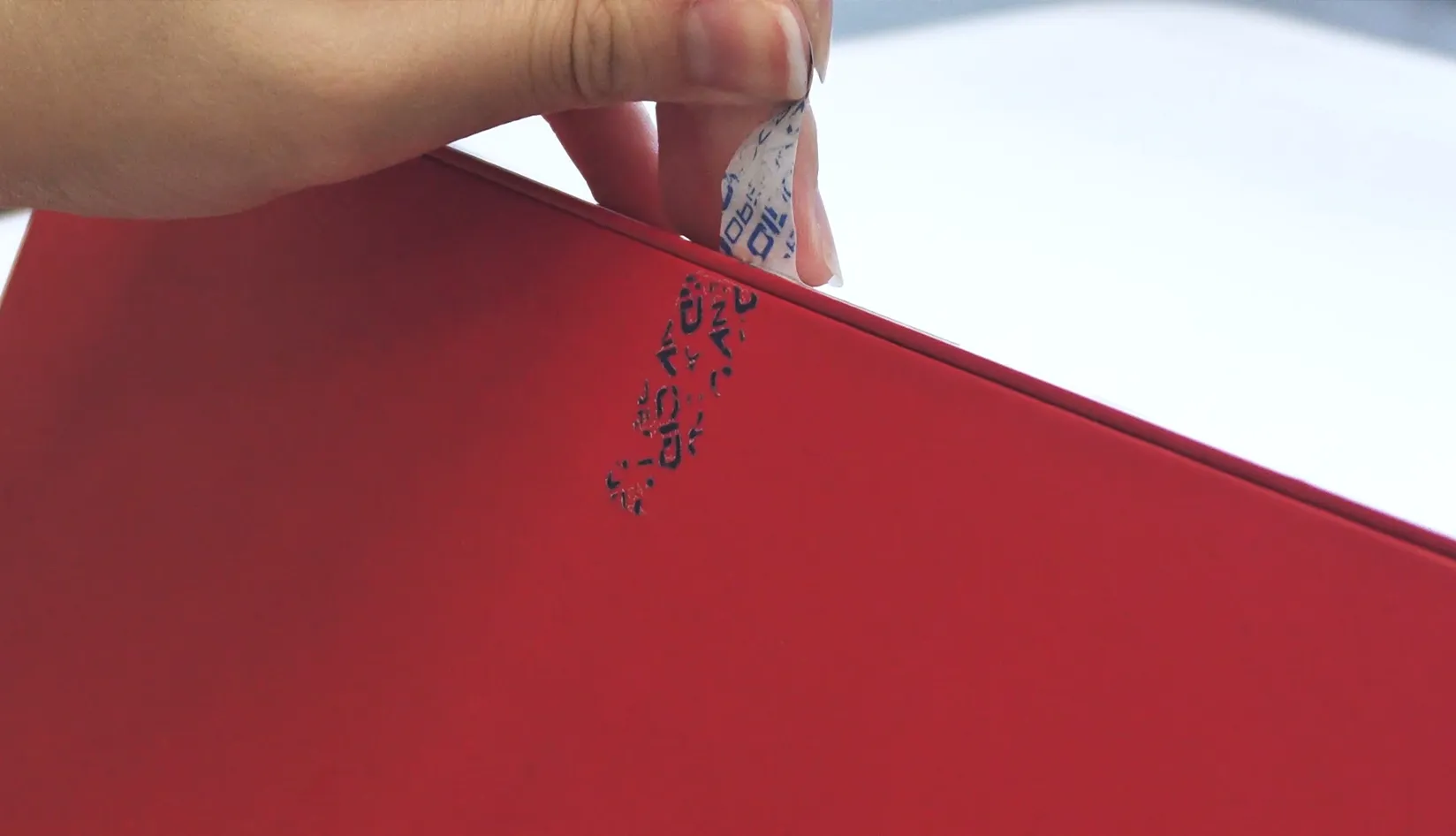
Selecting the appropriate RFID tag is crucial. For construction sites, tags need to be durable, resistant to weather conditions, and secure against tampering.
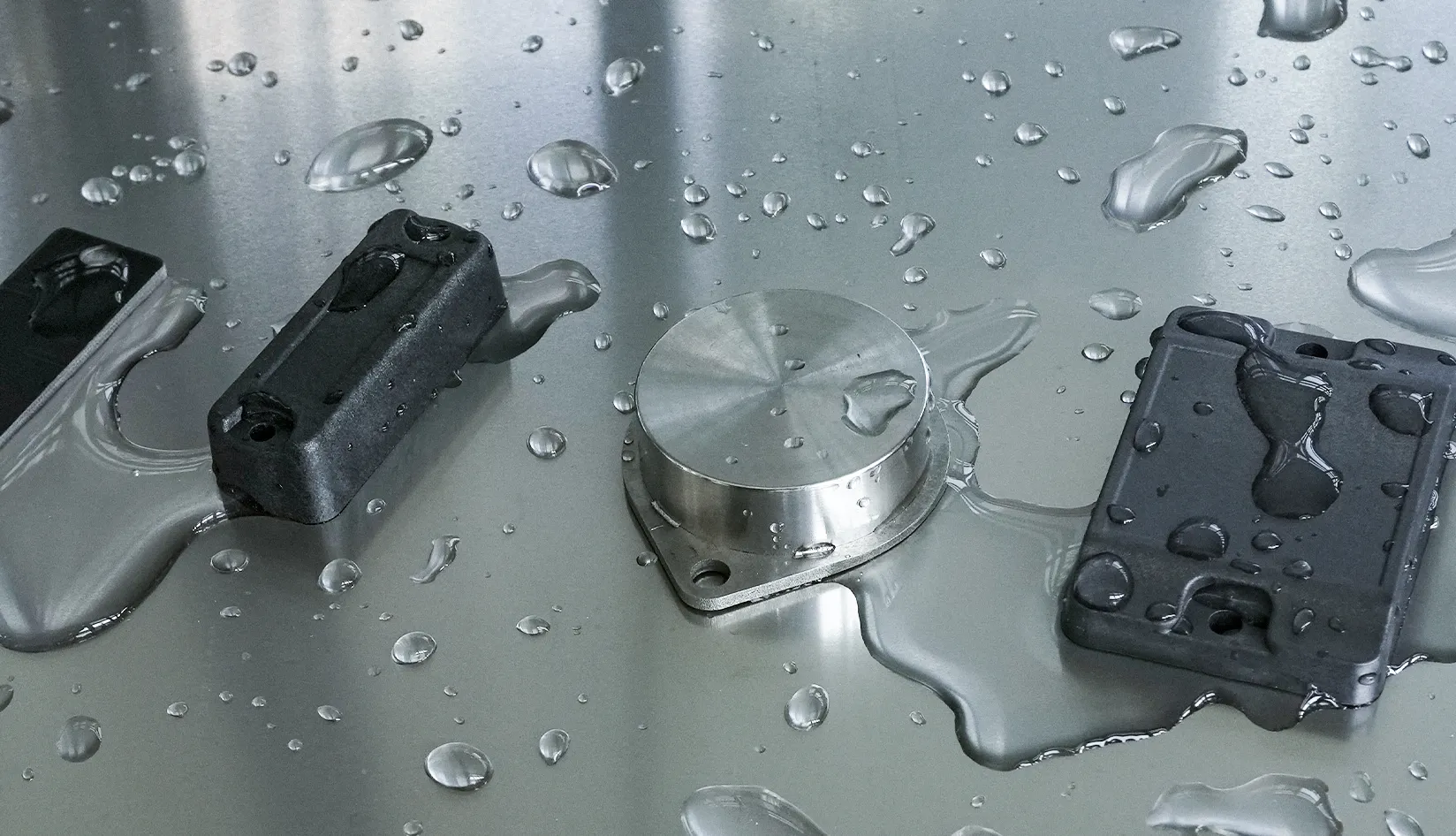
RFID On-metal Tags
RFID tags designed for metal surfaces are engineered to excel in asset tracking, inventory management, and security, even under challenging conditions.
Since construction tools and equipment are typically made of metal, standard RFID tags may struggle to function effectively. On-metal RFID tags are uniquely engineered to maintain reliable functionality even when affixed to metal surfaces like ladders, power tools, or steel structures.
They are durable, shock-resistant, and can endure heat, dust, and moisture, thanks to their robust adhesive or mechanical mounting options. With these tags, you can ensure that your most demanding equipment is always tracked and visible.

RFID Cable Tie Tags
RFID cable tie tags are innovative tools that incorporate an RFID chip directly into a standard cable tie design. This unique feature allows for efficient organization and management of tools and equipment, particularly in the construction industry.
The wire strap of the cable tie is specifically designed to securely hold items together, making it an excellent solution for keeping various tools and materials neatly arranged and easily accessible on job sites.
By utilizing RFID technology, these cable tie tags enhance tracking and inventory management, streamlining operations in construction projects.

Conclusion
Managing construction assets manually is a luxury that no company can afford in today’s competitive landscape. Every minute wasted and every misplaced tool directly affects your profits. RFID technology is the ideal solution, delivering real-time tracking, improved accuracy, theft prevention, and smooth integration with project management systems.
By implementing RFID, construction companies can lower costs, minimize downtime, and achieve a significant advantage in project delivery and profitability.
Don’t let another costly loss push you to act. Harness the power of RFID technology to revolutionize how you monitor, control, and optimize your assets.
FAQs
What types of construction tools and assets can be tracked with RFID?
RFID technology provides flexibility for various construction tools and assets, from handheld power tools to large machinery like bulldozers and generators. It also monitors non-powered equipment such as scaffolding and safety gear, and can tag consumables like pipes and cement pallets for accurate usage tracking and inventory management.
Is RFID suitable for outdoor construction sites with harsh environments?
RFID technology is especially advantageous for outdoor and challenging construction settings, as it offers industrial-grade tags that can withstand harsh weather conditions, temperature fluctuations, dust, mud, and significant impacts. Certain RFID tags—such as those engineered for metal environments—are specifically built to maintain optimal performance when mounted on metallic surfaces or exposed to challenging conditions like humidity and mechanical vibrations.
How much does it cost to implement RFID in a medium-sized construction site?
The expenses associated with deploying RFID technology on a medium-sized construction site can fluctuate based on the extent of implementation, the specific types of tags needed, and the degree of system integration. Although the initial investment may appear considerable, the long-term return on investment is considerable—organizations frequently recoup their costs swiftly through diminished equipment loss, savings in labor, improved inventory management, and a reduction in project delays.
Can RFID integrate with project management tools like Procore or BIM systems?
Contemporary RFID systems are engineered for integration, enabling smooth connectivity with top construction management platforms like Procore and Autodesk BIM 360. Utilizing APIs and middleware, RFID data can be directly transferred into these platforms, providing project managers with insights into asset movement, equipment status, and usage history, all in conjunction with scheduling and progress updates.



 EN
EN  ES
ES  JA
JA