


In today’s competitive manufacturing landscape, staying ahead requires more than just quality products—it demands operational excellence, and technological innovation. Radio Frequency Identification (RFID) in manufacturing has emerged as a game-changer, revolutionizing how manufacturers track assets, manage inventory, and optimize workflows 0.
What is RFID, and how does it work in Manufacturing?
RFID technology is a key enabler of smart factories, allowing real-time communication between assets, inventory, and equipment. Using radio waves, RFID systems consist of tags (with an integrated circuit and antenna) attached to items, and readers (fixed or handheld) that capture data.
RFID technology operates by utilizing radio waves to wirelessly transmit data via RFID tags and readers. These tags hold electronically stored information that can be read from a distance, enabling smooth data capture and integration into manufacturing processes.
In a fast-paced manufacturing setting where speed and precision are essential, RFID offers an unmatched benefit in tracking and managing assets, materials, and products across the supply chain.
Why Should Manufacturers Implement RFID in Manufacturing?
Implementing RFID technology in manufacturing environments delivers transformative benefits:
Enhance Inventory Management
RFID technology allows manufacturers to achieve real-time, precise inventory visibility, thereby eliminating the inefficiencies associated with manual counting and reducing the likelihood of human error.
This level of accuracy aids in avoiding stockouts, decreasing excess inventory and carrying costs, optimizing reorder points, and facilitating just-in-time manufacturing.
Improve Asset Tracking and Utilization
Manufacturing tools and equipment are essential assets that need to be managed efficiently. RFID asset tracking enhances this process by minimizing search times, preventing loss or unauthorized removal, optimizing maintenance schedules, and boosting utilization through more intelligent allocation.
Streamline Production Workflows
The automation of data gathering and the seamless communication between RFID systems and various manufacturing technologies lead to quicker and more precise decision-making, which minimizes downtime and boosts production.
Enhance Quality Control
RFID systems are gaining significant traction in the manufacturing sector. Tags are affixed to products and subsequently scanned by RFID readers. This enables manufacturers to monitor products throughout the production cycle and guarantees that every item is properly accounted for.
RFID systems enhance quality control by minimizing the likelihood of mistakes and boosting efficiency. Moreover, RFID systems empower manufacturers to oversee inventory and swiftly restock items that are in short supply.
Improve Labor Efficiency
RFID technology enhances workforce efficiency by automating data gathering, minimizing the time dedicated to manual tracking and paperwork, and allowing employees to concentrate on more valuable tasks, all while facilitating data-driven performance management.
How to Implement RFID in Manufacturing? A Step-by-Step Guide
To effectively implement RFID in manufacturing settings, it is essential to plan meticulously and carry out each phase with accuracy.
Assess Your Manufacturing Requirements and Goals
Start by clearly defining the specific goals and objectives you wish to achieve with the adoption of RFID technology. This could involve increasing inventory accuracy, optimizing asset tracking, or boosting overall operational efficiency.
Select the Right RFID Tags and Readers Based on Manufacturing Requirements
According to your specifications, choose the suitable type of RFID tags (passive, active, or semi-passive) and RFID readers that will meet your requirements effectively. Take into account aspects like read range, durability, and compatibility with current systems.
Develop a Layout for your RFID System
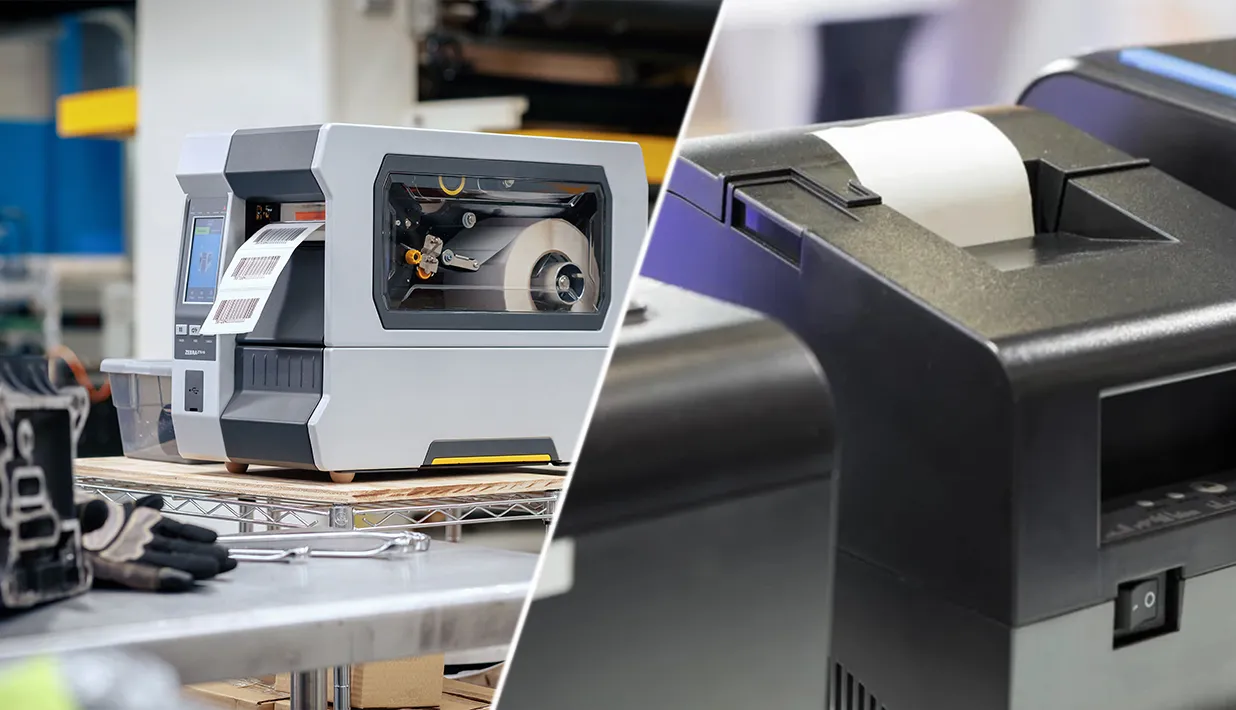
Plan the layout of your RFID system by explicitly specifying the locations of RFID readers, antennas, and printers to guarantee maximum coverage and efficiency. Make sure the design considers possible interference from other devices or challenging environments.
Train Staff and Test the System
Offer training sessions for your staff on the correct utilization of RFID technology and equipment, highlighting the advantages and significance of precise data collection.
Before implementing your RFID system extensively, perform comprehensive testing to detect and address any possible problems or inefficiencies.
Deploy and Monitor Performance
Consistently assess the performance of your RFID system by gathering and evaluating data, implementing gradual modifications to enhance efficiency, reduce interruptions, and increase return on investment.
Heat-Resistant RFID On-metal Tags: Durable and Efficient RFID Solutions for Industrial Manufacturing
Manufacturers implement RFID on-metal tags to monitor metal components, tools, and equipment during the production process. This enhances inventory management and minimizes the chances of loss or misplacement.
Heat-resistant RFID on-metal tags effectively manage metal interference and provide dependable read ranges, even when affixed directly to hot metal surfaces in industrial settings.

Conclusion: The Future of RFID in Manufacturing
As manufacturing continues to evolve toward greater automation and connectivity, RFID technology will play an increasingly central role in driving productivity and efficiency.
By embracing RFID technology today, manufacturers position themselves at the forefront of the Industry 4.0 revolution. Therefore, creating smarter, more efficient operations that deliver competitive advantages in an increasingly challenging global marketplace.
FAQs
How does RFID compare to barcode technology for manufacturing applications?
While barcodes are less expensive initially, RFID offers superior long-term value through batch reading capabilities, no line-of-sight requirements, durability in harsh environments, and the ability to update tag information dynamically.
Can RFID systems integrate with existing manufacturing software?
Yes, modern RFID systems are designed to integrate with manufacturing execution systems (MES), enterprise resource planning (ERP) software, warehouse management systems (WMS), and other existing platforms through standard APIs and middleware solutions.




 EN
 ES
 JA