


Efficient laundry management plays a vital role in driving success across hotel operations in today’s highly competitive hospitality industry. Hotels worldwide face mounting pressure to deliver impeccable service while controlling operational costs. Hotels increasingly prioritize smooth laundry operations to boost management efficiency and enhance guest satisfaction. Enter RFID laundry tags – a revolutionary technology transforming how hotels handle their extensive linen inventories.
Common Problems in Nowadays’s Hotel Laundry
Managing laundry—especially linens and uniforms—poses daily challenges. Many hotels still face issues that affect efficiency, costs, and guest experience. Let’s explore common challenges in hotel laundry operations.
High Operational Costs
Hotel laundry operations consume substantial resources. Water, electricity, and gas usage contribute to skyrocketing utility bills, while chemical costs for detergents and fabric softeners add another financial burden. Additionally, rising labor costs further strain operational budgets, making cost control increasingly challenging for hotel managers.
Poor Inventory Management
Inventory management represents another significant pain point. High-end hotels report linen losses of 15-20% annually, primarily through theft or misplacement. Without accurate tracking systems, hotels struggle to maintain optimal stock levels, often resulting in unnecessary purchases or unexpected shortages during peak occupancy periods.

Inefficient Processes
Manual counting and sorting processes consume valuable staff time and introduce human error. Equipment breakdowns and maintenance issues further disrupt operations, while inefficient workflows extend turnaround times. These inefficiencies directly impact room readiness and ultimately affect guest experiences.
Guest Dissatisfaction
Nothing damages a hotel’s reputation faster than providing guests with stained, damaged, or poorly maintained linens. Delayed room preparation due to laundry bottlenecks creates negative first impressions, while inconsistent quality standards undermine the luxury experience many hotels strive to deliver.
Lack of Automation
In many hotels, staff still handle laundry management through manual processes.This over-dependence on human intervention increases error rates and operational costs while limiting scalability during peak seasons. The absence of integrated technology solutions prevents hotels from optimizing their laundry operations.
Poor Decision-making without Adequate Data Insights
Without comprehensive data tracking, hotel managers make decisions based on assumptions rather than facts. The inability to monitor performance metrics in real-time hampers continuous improvement efforts and prevents the identification of operational inefficiencies.
Lack of Linen Life Cycle Management
Improper management of linen life cycles leads to premature replacement or extended use of worn-out items. Without systematic tracking of wash cycles and usage patterns, hotels cannot optimize replacement schedules, resulting in unnecessary expenses or compromised guest experiences.

What are RFID Laundry Tags?
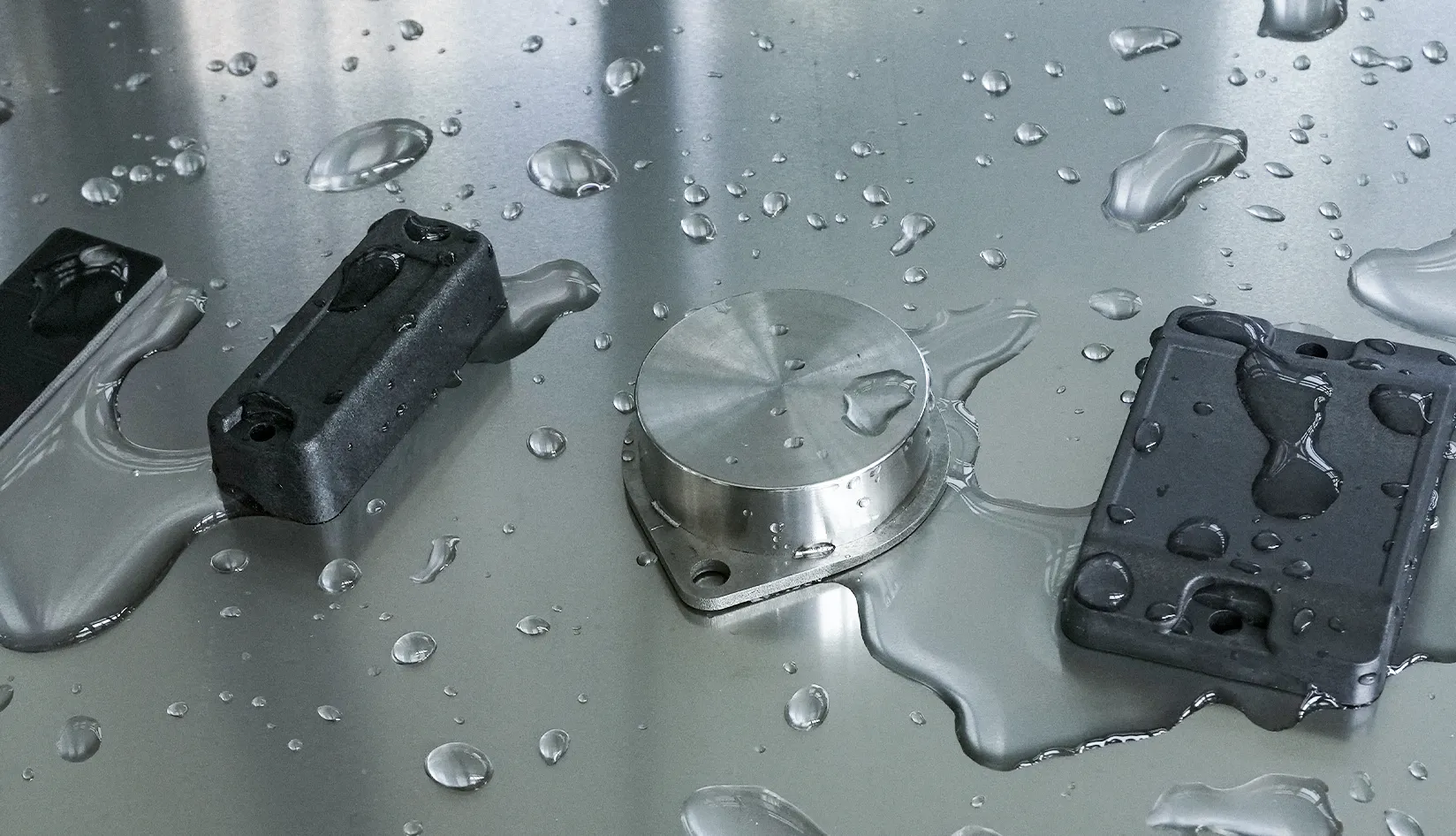
The RFID Laundry Tag is expertly crafted for managing laundry and fabrics. It boasts remarkable durability against high temperatures, chemical damage, and bending, making it perfect for integration into uniforms, bed linens, towels, and various textiles. This tag facilitates effective tracking of garment cleaning, inventory oversight, and monitoring of employee attendance.

How can RFID Laundry Tags Solve Problems in Laundry in a Hotel?
Traditional systems face problems like lost linens and manual errors. RFID technology can automate processes, improve visibility, and enhance tracking accuracy. What practical solutions do RFID laundry tags offer for common hotel laundry problems? Let’s explore.
Reduce Cost Caused by Labor, Linen Loss, and Misplacement
RFID technology dramatically reduces operational costs across multiple fronts. Automated counting and sorting processes minimize labor requirements, with some hotels reporting labor cost reductions of up to 30%. The technology actively reduces linen shrinkage, often cutting related losses by 50% after implementation.
This reduction in loss rates directly translates to decreased replacement purchases, with annual procurement costs falling by approximately 20%.
Improve Inventory Management of Linens and Uniforms
Real-time inventory visibility transforms stock management practices. Hotels gain accurate counts without time-consuming manual processes, enabling precise par-level maintenance. The system flags shortages before they impact operations and identifies surplus areas where resources could be reallocated. For staff uniforms, RFID tracking ensures accountability and simplifies distribution processes.
Enhance Laundry Efficiency through Automation
Automation streamlines the entire laundry workflow. RFID readers placed at key checkpoints actively track linen movements and eliminate the need to log data manually.
Sorting processes become more accurate and efficient, while turnaround times decrease significantly. This enhanced efficiency ensures room readiness and supports consistent service delivery even during peak demand periods.
Optimize Linen Life Cycle Management
RFID systems track each item’s complete lifecycle, recording wash cycles, usage patterns, and repair history. This data enables hotels to implement evidence-based replacement schedules, maximizing linen lifespan without compromising quality. The technology also identifies items requiring maintenance before they reach guests, preventing negative experiences.
Improve Laundry Service Quality and Enhance Guest Satisfaction
Quality control improves dramatically with RFID implementation. The technology ensures only properly processed linens reach guest rooms, maintaining consistent standards. Faster turnaround times support room readiness, while the overall improvement in linen quality directly enhances guest satisfaction and supports positive reviews.
Provide Data Insights for Better Decision Making
Most importantly, RFID systems collect and deliver detailed operational data across processes. Managers access real-time dashboards showing inventory levels, processing status, and performance metrics. This information supports evidence-based decision making, resource allocation, and continuous improvement initiatives. Over time, trend analysis helps optimize ordering patterns and staffing levels.
How Hotels Leverage RFID to Transform Laundry Operations: Practical Case Studies
RFID technology is effectively tackling issues like misplaced linens and inventory errors in various real-world applications. Let’s discover how hotels worldwide are using RFID to improve laundry management and cut costs.
Mr. C Hotel Beverly Hills Implements RFID-based Linen Tracking System
Mr. C Hotel Beverly Hills has adopted an innovative RFID laundry tracking system that efficiently monitors the flow of linens between the hotel and an external laundry service.
By integrating RFID tags into each linen item—like sheets, towels, and tablecloths—the hotel can effortlessly track the dispatch and return of these items for cleaning. This technological advancement has dramatically decreased linen loss, reducing the missing rate from as high as 30% to a mere 3%.
The system has replaced the outdated manual counting process, resolved discrepancies with laundry service providers, and offered real-time inventory insights, ultimately leading to significant cost savings that have made the system self-sustaining.
The Grand Beach Hotel Surfside Upgrades Linen Management with UHF-RFID Technology
The Grand Beach Hotel Surfside in Miami has adopted a cutting-edge UHF-RFID linen management system to optimize its laundry processes and safeguard its valuable linen inventory. Before the hotel opened, 50,000 linens—including towels, sheets, and pillowcases—were equipped with robust RFID laundry tags, facilitating immediate inventory integration and tracking.
This system automates the entire laundry workflow by overseeing linen movement, minimizing loss, and ensuring optimal stock levels. RFID reading stations were set up to swiftly scan complete laundry carts and monitor items in real time, while handheld devices streamline storeroom inventory management.
This innovative solution boosts operational efficiency, enhances linen lifespan tracking, and guarantees consistent quality for hotel guests.
Conclusion
RFID laundry tag technology represents a transformative solution for hotel laundry operations. The technology not only reduces direct costs through decreased losses and labor requirements but also enhances guest experiences through improved quality control and room readiness.
For hotels seeking a competitive advantage in today’s challenging market, RFID laundry management offers a proven path to operational excellence. As the technology continues to evolve and implementation costs decrease, RFID solutions will likely become standard practice across the hospitality industry.
FAQs
Can RFID help prevent uniform and linen theft in hotels?
Yes, RFID technology significantly reduces theft by enabling real-time tracking of all tagged items. Portal readers installed at exit points immediately detect unauthorized removal, while regular inventory scans quickly identify missing items.
Can hotels apply RFID to every kind of linen they use?
Modern RFID tags work effectively with virtually all linen types, including sheets, towels, robes, tablecloths, and uniforms. Specialized tags accommodate different textile materials and usage conditions. Even delicate fabrics can be tagged using appropriate attachment methods that maintain comfort and appearance.
How much does it cost to implement RFID laundry management in a hotel?
Implementation costs vary based on hotel size and system complexity. Most hotels achieve ROI within 12-18 months through reduced replacement costs, labor savings, and operational efficiencies.
Can RFID laundry tag integrate with hotel PMS or ERP systems?
Yes, modern RFID laundry management solutions offer integration capabilities with major Property Management Systems and Enterprise Resource Planning platforms. This integration enables seamless data flow between systems, supporting comprehensive operational management and financial reporting.
How long do RFID laundry tags last in commercial hotel laundry cycles?
RFID laundry tags of high quality endure 200–300 commercial washing cycles, outlasting most linens in daily use.
Advanced tags incorporate protective coatings and attachment methods specifically designed to withstand the harsh conditions of industrial laundering processes.


 EN
 ES
 JA