
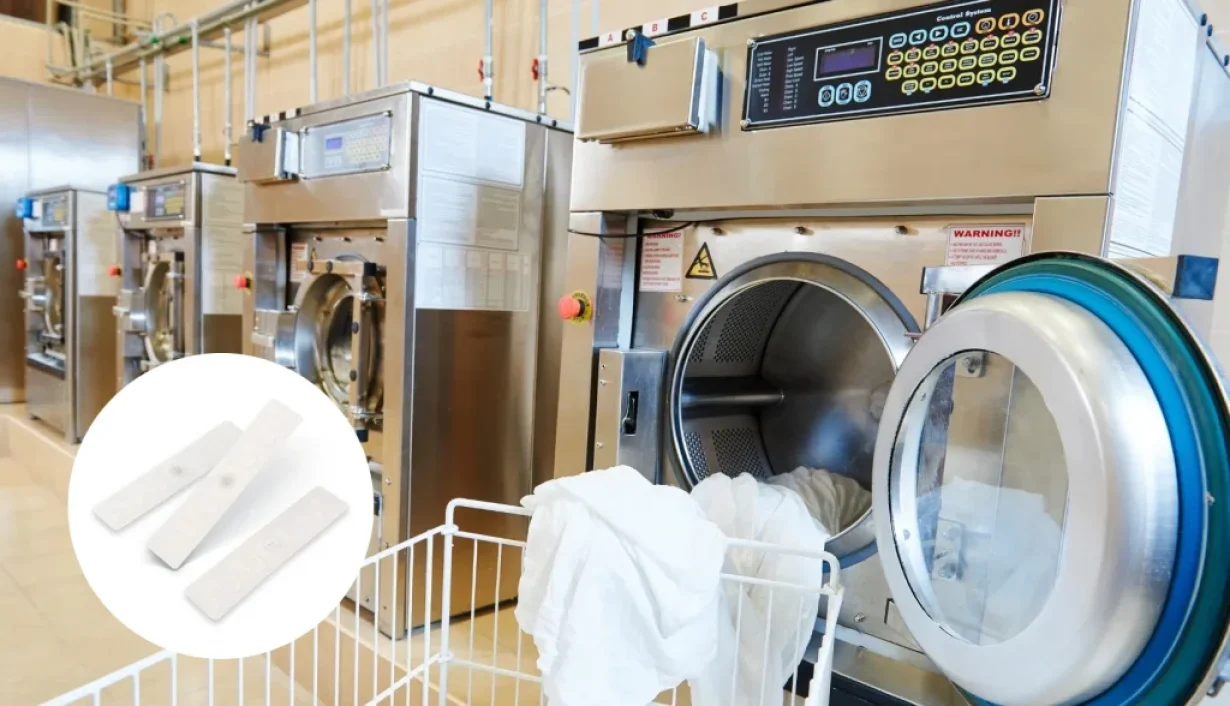

The global apparel and textile industries face a persistent challenge. They require smarter, more durable identification solutions. Traditional methods often fail to meet the rigorous demands of modern supply chains. This is especially true for items that undergo frequent, harsh industrial laundering. The need for washable clothing labels that withstand washing, heat, and long-term wear is critical.
Next-generation RFID heat-press tags are now positioning themselves as the definitive solution. These tags enable accurate, automated tracking throughout the entire garment lifecycle. They represent a significant leap forward in the evolution of washable clothing labels. This technology ensures every textile asset is visible, traceable, and accounted for, from the factory floor to the end-user.
Limitations of Traditional Washable Clothing Labels

Conventional garment identification methods present numerous operational hurdles. Printed labels and woven labels often suffer from degradation. They struggle to maintain integrity during repeated industrial laundering cycles. Fading, peeling, and tearing are common issues that lead to data inaccuracy.
Barcodes and QR codes require line-of-sight scanning. This necessity introduces significant operational risks. Manual scanning is time-consuming and highly susceptible to human error. Moreover, it creates bottlenecks in high-volume sorting and inventory processes.
The industry is increasingly focused on traceability and authenticity. It also demands greater production visibility. Traditional labels simply cannot provide the robust, automated data capture required for these modern objectives. Their limitations directly impact efficiency and increase the total cost of ownership for textile assets.
How RFID Heat-Press Tags Reinvent Washable Clothing Labels
RFID heat-press tags fundamentally redefine what Washable Clothing Labels can achieve. They are not merely labels; they are seamlessly integrated data carriers. The core concept involves a small, robust RFID inlay embedded within a flexible substrate. This substrate is then bonded to the garment.
This bonding process uses high-temperature heat-pressing technology. The tag integrates permanently with the textile fibers. This creates a secure, long-lasting attachment that is virtually impervious to physical stress. The result is a durable identification solution that moves beyond simple visual marking.
These tags offer enhanced read accuracy across all workflows. They improve sorting, inventory management, and logistics operations. This technology delivers substantial benefits for large-scale apparel, uniform, and textile operations. It provides the foundation for a truly smart textile management system.
Key Technical Features of RFID Heat-Press Tags
The utility of these advanced tags stems from their specialized engineering. Several key technical features make them ideal for the most demanding textile environments. These features ensure reliability and high performance in industrial settings.
- Exceptional Wash Resistance and Durability

Durability is the paramount feature of these heat-press tags. They are specifically engineered to endure the harshest conditions. This includes repeated cycles of washing, high-heat drying, and professional ironing. The tags resist chemical exposure from industrial detergents and bleaches.
The long-lasting adhesion is a result of the heat-press application. This method ensures the tag remains securely attached. It guarantees reliability throughout the garment’s entire service lifecycle. This resilience is crucial for maintaining data integrity over hundreds of wash cycles.
- High-Speed Performance with Impinj® M830 Chip
Performance in high-throughput environments is non-negotiable. Many advanced tags utilize the Impinj® M830 chip or similar high-performance inlays. This technology enables fast and stable reading capabilities. It is designed for automated systems and high-speed RFID tunnels.
The chips support rapid data capture without requiring line-of-sight. This capability is essential for efficient inventory counts and automated sorting. Consistent performance ensures that textile environments can maintain high operational speeds. It minimizes delays and maximizes throughput.
- Compact, Flexible, and User-Friendly Design
The physical design of the tags is optimized for comfort and aesthetics. A typical profile, such as 44×19 mm, is small and unobtrusive. The smooth ribbon material is flexible. It maintains the integrity and comfort of the garment design.
The heat-press application is straightforward and efficient. It allows for quick, permanent integration into new or existing apparel. This user-friendly design ensures minimal disruption to manufacturing or maintenance processes. It also ensures the end-user experience remains positive.
- Global Standard Compliance
Adherence to global standards is vital for international supply chains. These tags are compliant with key protocols. This includes ISO/IEC 18000-6C and EPC Gen2v2 compatibility. This compliance ensures cross-platform performance.
Global standardization allows for seamless integration. It works with existing RFID infrastructure worldwide. This is a critical factor for multinational apparel companies. It guarantees that tracking data is universally readable and actionable.
Benefits for Apparel and Textile Businesses
The adoption of RFID heat-press tags delivers tangible business advantages. These benefits span operational efficiency, cost reduction, and brand security. They offer a clear return on investment for B2B decision-makers.
- Accurate Inventory Tracking
Real-time visibility into inventory is a core benefit. RFID technology drastically reduces stock discrepancies. It provides an accurate, up-to-the-minute count of all assets. This precision improves supply chain efficiency significantly.
Faster processing times are achieved through automated reading. Inventory counts that once took hours now take minutes. This speed allows businesses to react quickly to demand changes. It optimizes stock levels across warehouses and retail locations.
- Lower Operational Costs
Automation is the primary driver of cost reduction. RFID eliminates the need for labor-intensive manual scanning. This reduction in labor translates directly into lower operational expenses. Moreover, the system minimizes human error.
Fewer mistakes mean less time spent on reconciliation and loss investigation. The durability of the tags also reduces replacement costs. This is a significant advantage over less robust, traditional Washable Clothing Labels. The long-term cost savings are substantial.
- Strong Brand Protection
Counterfeiting poses a serious threat to premium apparel lines. RFID tags enable robust product authentication. Each tag carries a unique digital identity. This identity can be verified from the factory to the point of sale.
This secure tracking protects the brand’s reputation and revenue. It assures customers of the product’s authenticity. This level of security is increasingly important in a globalized market. It builds consumer trust and safeguards intellectual property.
- Enhanced Customer Experience

The benefits extend to the end-user experience. Brands can deliver accurate product availability information. This is crucial for modern omnichannel fulfillment strategies. Reliable inventory data prevents stock-outs and improves order accuracy.
End users also benefit from the product’s quality. They enjoy durable garments with clean, lasting labels. The unobtrusive nature of the heat-press tag maintains comfort. This attention to detail enhances overall customer satisfaction.
Application Scenarios Across the Textile Sector
The versatility of RFID heat-press tags allows for broad application. They are transforming asset management across multiple segments of the textile industry. Their robust nature makes them suitable for diverse fabric types and use cases.
- Apparel Management
These tags are ideal for a wide range of clothing materials. They work effectively on cotton, polyester, blends, and specialty fabrics. They support the complete lifecycle tracking of apparel. This begins at the sewing line and extends all the way to the store shelves.
The technology provides granular data on production flow. It tracks items through quality control and distribution. This detailed visibility optimizes manufacturing processes. It ensures faster time-to-market for new collections.
- Workwear and Uniform Management
Workwear and uniforms demand extreme durability. This is especially true in sectors like hospitality, healthcare, logistics, and industrial operations. RFID tags ensure accurate garment sorting and maintenance scheduling.
They track individual uniform usage and cleaning history. This data helps manage inventory rotation and replacement cycles. It ensures that every employee has a clean, available uniform when needed. This is a critical function for operational compliance and hygiene.
- Commercial Laundry and Rental Services
The commercial laundry sector is a prime beneficiary of this technology. RFID tags withstand the most aggressive industrial wash cycles. They endure high-volume processing without failure. This is where the durability of these Washable Clothing Labels truly shines.
The tags enhance accountability and asset utilization for rental services. They provide a clear audit trail for every item. The system scans thousands of items per hour with near-perfect accuracy. This level of precision is unattainable with manual methods.
- Retail and Brand Management
In the retail environment, RFID tags improve stock accuracy dramatically. They are essential for successful omnichannel fulfillment. The technology supports automated checkout and smart store concepts. This enhances the in-store customer experience.
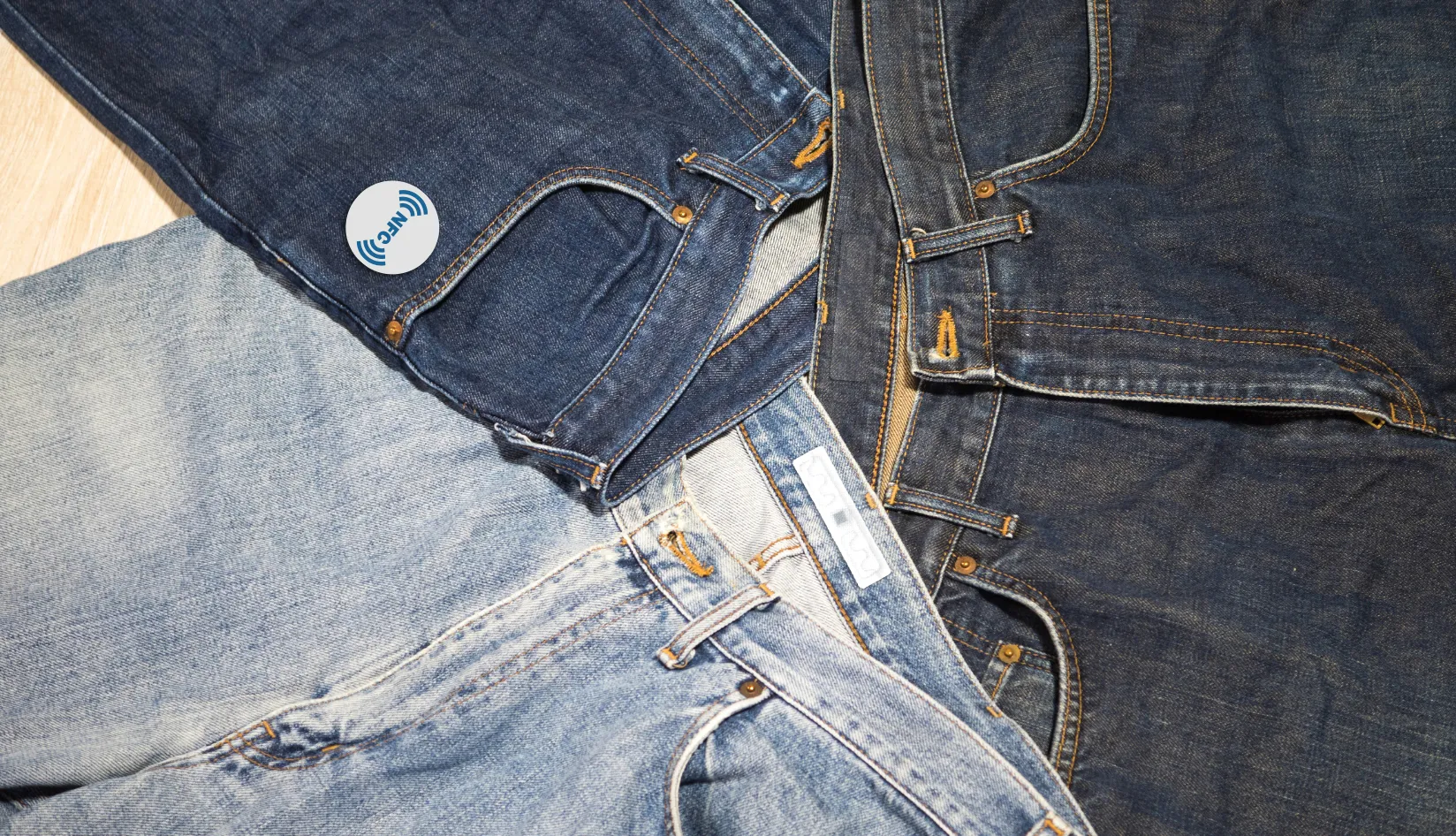
Major global retailers have demonstrated the power of this technology. For instance, a leading denim brand equipped thousands of stores with RFID. This move improved inventory accuracy to over 98%. This precision is vital for maximizing sales and minimizing markdowns. The tags transform traditional Washable Clothing Labels into powerful retail tools.
Conclusion
The textile industry is undergoing a digital transformation. High-durability RFID heat-press tags are at the forefront of this change. They have successfully reinvented the concept of Washable Clothing Labels. They offer unparalleled durability, accuracy, and efficiency.
These tags provide a robust solution for B2B technical decision-makers. They address the critical needs of inventory visibility and brand protection. The seamless integration and high-speed performance optimize complex supply chains. As a result, businesses can achieve lower operational costs and enhanced customer satisfaction.
We encourage you to explore the potential of this technology. Inquire about samples or project support today. Discover how these advanced Washable Clothing Labels can future-proof your textile asset management strategy.
Frequently Asked Questions (FAQ)
Q3: How is the heat-press application performed, and what equipment is needed?
A: Application requires a standard industrial heat-press machine. The tag is placed on the garment and pressed at a specific temperature and pressure for a set time. This process creates a permanent, secure bond.
Q6: How do these RFID tags help with brand protection and anti-counterfeiting?
A: Each tag contains a unique, unalterable digital identifier. This ID allows for secure authentication at any point in the supply chain. It provides a verifiable digital fingerprint for the genuine product.
Recommended Product

NXP UCODE® 9 Textile RFID Laundry Tag
The NXP UCODE® 9 RFID Textile Laundry Tag is designed to withstand over 200 wash cycles and has passed MRI testing. It can be attached to fabrics by sewing or heat pressing, making it highly versatile. Common applications include uniforms management, linen leasing, industrial washing, textile management, and access control management. This tag ensures durability and reliable performance in demanding environments.



 EN
 ES
 JA