


In today’s rapidly evolving technological landscape, Radio Frequency Identification (RFID) technology has emerged as a cornerstone for efficient data capture and asset management. Its pervasive adoption across various industries underscores its significance in modern enterprise operations. From streamlining supply chains to enhancing customer experiences, RFID tags are revolutionizing how businesses track, manage, and secure their assets. This article aims to demystify how do RFID tags work, providing a comprehensive understanding for you.
1. What is an RFID Tag?
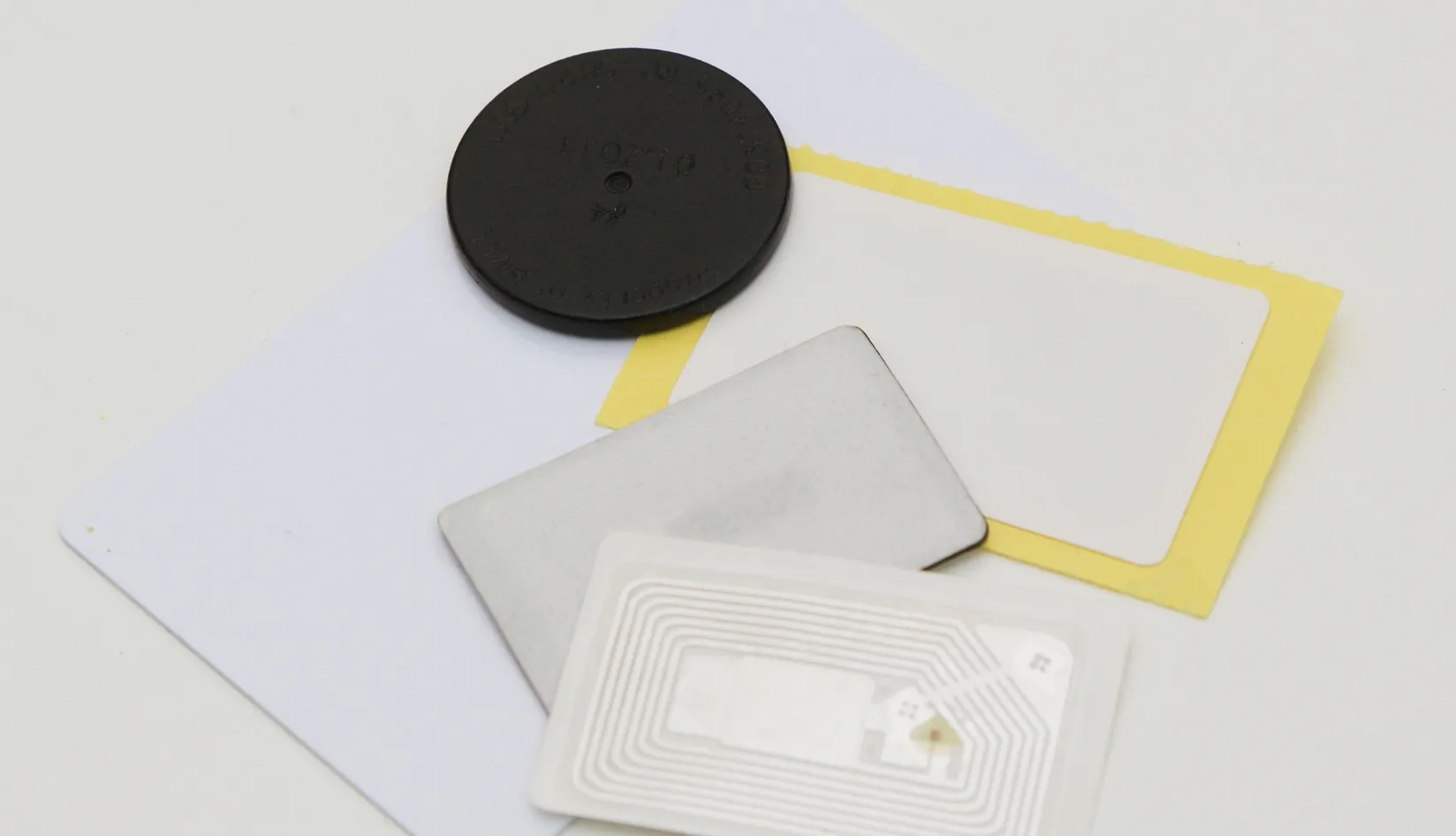
At its core, a Radio Frequency Identification (RFID) tag is a small electronic device that uses radio waves to identify and track objects. Unlike traditional barcodes, which require a direct line of sight to be scanned, RFID tags can be read wirelessly and often from a distance, even through various materials. This capability makes them incredibly versatile for a wide range of applications.
An RFID tag typically consists of two main components:
- Microchip (or Integrated Circuit – IC): This tiny chip stores unique identification data, such as a serial number, product information, or other relevant details. It also contains the circuitry necessary to process and transmit this data.
- Antenna: The antenna is responsible for transmitting and receiving radio signals. It enables the tag to communicate with an RFID reader.
RFID tags can be broadly categorized into three main types:
- Passive RFID Tags: These tags do not have their own power source. Instead, they draw power from the electromagnetic field generated by the RFID reader. Once energized, they modulate the field to send their stored data back to the reader. Passive tags are generally smaller, less expensive, and have a shorter read range, making them ideal for inventory management, asset tracking, and access control.
- Active RFID Tags: Equipped with their own power source (typically a battery), active RFID tags can broadcast their signal independently. This allows for a much longer read range (hundreds of meters) and enables them to store more data and incorporate sensors for monitoring conditions like temperature or humidity. They are commonly used for real-time location systems (RTLS), vehicle tracking, and large asset management.
- Semi-Passive (or Battery-Assisted Passive – BAP) RFID Tags: These tags combine features of both passive and active tags. They have a battery to power the microchip, which allows for faster and more reliable communication, but they still rely on the reader’s energy to power their outbound signal. This offers a balance between read range, cost, and functionality, often used in applications requiring enhanced performance over passive tags without the full cost of active tags.
RFID Tags vs. Barcodes
While both RFID tags and barcodes are used for identification, RFID offers significant advantages:
| Feature | RFID Tags | Barcodes |
| Line of Sight | Not required; can read through materials | Required; must be visible to scanner |
| Read Range | Varies from centimeters to hundreds of meters | Short; typically a few centimeters |
| Data Capacity | Higher; can store more information | Limited; typically a few dozen characters |
| Read Speed | Multiple tags can be read simultaneously | One tag at a time |
| Durability | More durable; can withstand harsh environments | Susceptible to damage (scratches, fading) |
| Cost | Generally higher per tag | Lower per tag |
Despite the higher cost per tag, the efficiency, accuracy, and automation capabilities of RFID often lead to a higher return on investment (ROI) in many applications.
2. How Do RFID Tags Work?
The fundamental principle behind RFID technology involves the wireless transfer of data between an RFID reader and an RFID tag. This process can be broken down into several key steps:
- Reader Activation: The RFID reader, also known as an interrogator, emits radio waves (electromagnetic energy) through its antenna. These radio waves create an electromagnetic field in the surrounding area.
- Tag Activation (for Passive Tags): When a passive RFID tag enters this electromagnetic field, the energy from the radio waves induces a current in the tag’s antenna. This current provides the necessary power to activate the microchip within the tag.
- Data Transmission: Once powered, the tag’s microchip modulates the radio waves it receives from the reader to encode its unique identification data. This modulated signal is then reflected back to the reader.
- Reader Reception: The RFID reader’s antenna receives the modulated radio waves reflected from the tag. The reader then decodes the signal, extracting the data stored on the tag.
- Data Processing: The decoded data is then sent to a host computer or a backend system for processing, analysis, and storage. This system can perform various actions based on the received data, such as updating inventory records, tracking asset movements, or triggering alerts.

Communication Methods
The communication between the reader and the tag typically occurs through electromagnetic coupling (for low-frequency and high-frequency RFID) or electromagnetic propagation (for ultra-high frequency RFID). The frequency band used dictates the read range and the speed of data transfer.
Data Handling and Integration:
The data collected by RFID readers is often integrated with existing enterprise resource planning (ERP) systems, warehouse management systems (WMS), or other databases. This integration allows businesses to gain real-time visibility into their operations, automate processes, and make data-driven decisions. The ability to capture data automatically and accurately, without human intervention, is a significant advantage of RFID systems.
3. Types of RFID Tags and Their Applications
As discussed, RFID tags come in various forms, each suited for different applications based on their power source, frequency, and capabilities. Understanding these types is crucial for selecting the right solution for specific business needs.
Passive RFID Tags
Passive RFID tags are the most common and cost-effective type. They are powered by the RFID reader’s electromagnetic field and are ideal for applications where a shorter read range and lower cost are priorities. They operate across various frequencies, including Low Frequency (LF), High Frequency (HF), and Ultra-High Frequency (UHF).
Characteristics:
- No internal power source.
- Shorter read range (typically a few centimeters to several meters).
- Lower cost per tag.
- Smaller form factor.
Typical Applications:
- Inventory Management: Tracking goods in warehouses, retail stores, and distribution centers. Passive UHF tags are particularly effective for quickly counting large quantities of items.
- Asset Tracking: Monitoring the location and movement of tools, equipment, and IT assets within a facility.
- Supply Chain Management: Enhancing visibility of products as they move through the supply chain, from manufacturing to delivery.
- Access Control: Used in key cards or badges for secure entry to buildings or restricted areas.
- Library Systems: Tracking books and media for efficient check-in/check-out processes.
- Event Management: Ticketing and attendee tracking at conferences, concerts, and sporting events.
Active RFID Tags
Active RFID tags contain their own power source, usually a battery, allowing them to broadcast their signal continuously. This self-powered nature gives them a much longer read range and enables them to support additional functionalities.
Characteristics:
- Internal power source (battery).
- Longer read range (up to hundreds of meters).
- Higher cost per tag.
- Larger form factor.
- Can incorporate sensors (e.g., temperature, humidity, motion).
Typical Applications:
- Real-Time Location Systems (RTLS): Precisely locating assets, personnel, or vehicles within a large area, such as hospitals, construction sites, or manufacturing plants.
- Vehicle Tracking: Monitoring the movement of vehicles in logistics, transportation, and fleet management.
- Large Asset Management: Tracking high-value equipment, containers, or machinery across vast outdoor spaces.
- Cold Chain Monitoring: Ensuring temperature-sensitive goods remain within specified ranges during transit and storage.
- Mining and Construction: Tracking heavy machinery and personnel in hazardous environments.
Semi-Passive (Battery-Assisted Passive – BAP) RFID Tags
Semi-passive tags bridge the gap between passive and active tags. They use a battery to power the microchip, which allows for more robust communication and faster data processing, but they still rely on the reader’s energy to activate their outbound signal. This hybrid approach offers a balance of performance and cost.
Characteristics:
- Internal battery powers the microchip.
- Relies on reader for signal transmission.
- Improved read range and reliability compared to passive tags.
- Lower cost and longer battery life than active tags.
Typical Applications:
- High-Value Item Tracking: Where enhanced read performance is needed but a full active system is not justified.
- Environmental Monitoring: Tags with sensors that need consistent power for data collection but only transmit when interrogated.
- Toll Collection Systems: Providing reliable identification for vehicles at toll booths.
Industry-Specific Applications
RFID technology is transforming operations across a multitude of industries:
- Retail: Inventory accuracy, loss prevention, enhanced customer experience (e.g., smart mirrors, self-checkout).
- Manufacturing: Work-in-progress tracking, tool management, quality control, supply chain visibility.
- Logistics & Supply Chain: Pallet and container tracking, warehouse automation, shipment verification, cold chain monitoring.
- Healthcare: Patient tracking, equipment management, pharmaceutical inventory, blood bank management, surgical tool sterilization tracking.
- Hospitality: Linen tracking, key card access, guest personalization, luggage handling.
- Automotive: Vehicle assembly tracking, parts management, anti-theft systems.
- Agriculture: Livestock tracking, crop monitoring, equipment management.
- Sports & Entertainment: Race timing, access control, fan engagement.
4. Benefits of Using RFID Tags
The adoption of RFID technology offers a myriad of benefits that can significantly enhance operational efficiency, reduce costs, and improve overall business performance. Here are some of the core advantages:

- Improved Asset and Inventory Management: RFID provides real-time, accurate visibility into inventory levels and asset locations. This eliminates manual counting, reduces discrepancies, and minimizes stockouts or overstocking, leading to optimized inventory turns and better capital utilization.
- Real-time Data Collection and Automated Processes: Unlike manual data entry or barcode scanning, RFID systems can automatically capture data as items move through a facility or supply chain. This automation reduces labor costs, speeds up processes, and provides immediate insights into operations, enabling quicker decision-making.
- Reduced Human Error and Enhanced Anti-theft/Anti-counterfeiting: Automation inherently reduces the potential for human error in data collection and tracking. Furthermore, RFID tags can be embedded or discreetly attached, making them harder to remove or tamper with, thus providing robust anti-theft capabilities. The unique identification numbers also make it difficult to counterfeit products, ensuring brand integrity and consumer safety.
- Enhanced Customer Experience and Business Transparency: In retail, faster checkout times and accurate inventory information lead to a better shopping experience. In logistics, real-time tracking allows for more precise delivery estimates and improved communication with customers. Overall, increased transparency across the supply chain fosters trust and efficiency.
- Lower Operational Costs and Higher ROI: While the initial investment in RFID infrastructure might seem higher than traditional methods, the long-term savings from reduced labor, minimized losses due to theft or spoilage, optimized inventory, and improved efficiency often lead to a significant return on investment. The ability to automate processes and gain real-time insights translates directly into cost reductions and increased profitability.
5. Challenges and Considerations
While RFID technology offers significant advantages, its implementation is not without challenges. Businesses considering adopting RFID should be aware of these factors to ensure a successful deployment:
Signal Interference and Read Range Limitations
RFID signals can be affected by various environmental factors, including metal, liquids, and other radio frequencies. This can lead to reduced read accuracy or shorter read ranges. Careful planning, proper tag placement, and specialized tags for challenging environments are crucial.
Tag Cost and Deployment Budget
Although the cost of individual RFID tags has decreased over time, large-scale deployments can still involve a substantial initial investment in tags, readers, software, and integration services. Businesses need to conduct a thorough cost-benefit analysis to justify the investment.
Data Security and Privacy Concerns
As RFID tags store and transmit data, concerns about data security and privacy arise. Unauthorized access to sensitive information, data cloning, or tracking individuals without their consent are potential risks. Implementing robust encryption, access controls, and adhering to privacy regulations (e.g., GDPR) are essential.
Compatibility with Existing Systems
Integrating a new RFID system with existing enterprise resource planning (ERP), warehouse management (WMS), or other legacy systems can be complex. Ensuring seamless data flow and interoperability requires careful planning and potentially custom development.
Tag Durability and Environmental Adaptability
Depending on the application, RFID tags may be exposed to harsh conditions, such as extreme temperatures, moisture, chemicals, or physical abrasion. Selecting tags with appropriate durability and environmental ratings is critical for long-term performance and reliability.
Conclusion
In conclusion, RFID technology stands as a powerful and transformative force in modern business operations. From its fundamental components—the microchip and antenna—to its diverse applications across industries, RFID offers unparalleled capabilities for automated identification and data capture. Its ability to provide real-time visibility, reduce human error, and enhance operational efficiency makes it a compelling alternative to traditional tracking methods like barcodes.
While challenges such as signal interference, cost, and data security require careful consideration, the benefits of improved asset management, streamlined processes, and enhanced business transparency often outweigh these hurdles. As businesses continue to seek innovative ways to optimize their operations and gain a competitive edge, exploring RFID solutions tailored to their specific needs becomes increasingly vital. Embracing RFID is not just about adopting a new technology; it’s about unlocking a new era of efficiency, accuracy, and intelligence in the way businesses operate.
FAQs
What is the difference between RFID tags and NFC tags?
NFC (Near Field Communication) is a subset of RFID technology. Both use radio waves for communication, but NFC operates at a higher frequency (13.56 MHz) and has a much shorter read range (typically a few centimeters). This makes NFC ideal for secure, short-range interactions like contactless payments and data exchange between devices, whereas RFID is used for broader applications like inventory tracking and asset management over longer distances.
Can RFID tags be read from a long distance?
Yes, the read distance of RFID tags varies significantly depending on the type of tag. Passive RFID tags typically have a read range of a few centimeters to several meters. Active RFID tags, which have their own power source, can be read from much longer distances, sometimes up to hundreds of meters, making them suitable for applications like vehicle tracking or real-time location systems.
Are RFID tags easy to copy or tamper with?
While basic RFID tags can be vulnerable to certain types of attacks, such as eavesdropping or cloning, advanced RFID systems incorporate security features like encryption, authentication protocols, and unique tag IDs to prevent unauthorized access and tampering. For applications requiring high security, specialized secure RFID tags and robust system designs are employed to protect data integrity and prevent counterfeiting.
How do I choose the right RFID tag type for my business?
Choosing the right RFID tag depends on several factors, including the specific application, the environment in which the tags will operate (e.g., presence of metal or liquids), the required read range, data capacity, and budget. It’s advisable to consult with RFID solution providers who can assess your needs and recommend the most suitable tag types and system components.
What is the typical implementation timeline and cost for an RFID system?
Both the implementation timeline and cost for an RFID system can vary widely. Factors influencing these include the scale and complexity of the project, the number of tags and readers required, software integration needs, and any necessary infrastructure modifications. A small-scale pilot project might take a few weeks and a few thousand dollars, while a large-scale enterprise-wide deployment could span several months and involve significant investment. A detailed assessment and proof-of-concept are often recommended to determine accurate estimates.





 EN
EN  ES
ES  JA
JA