
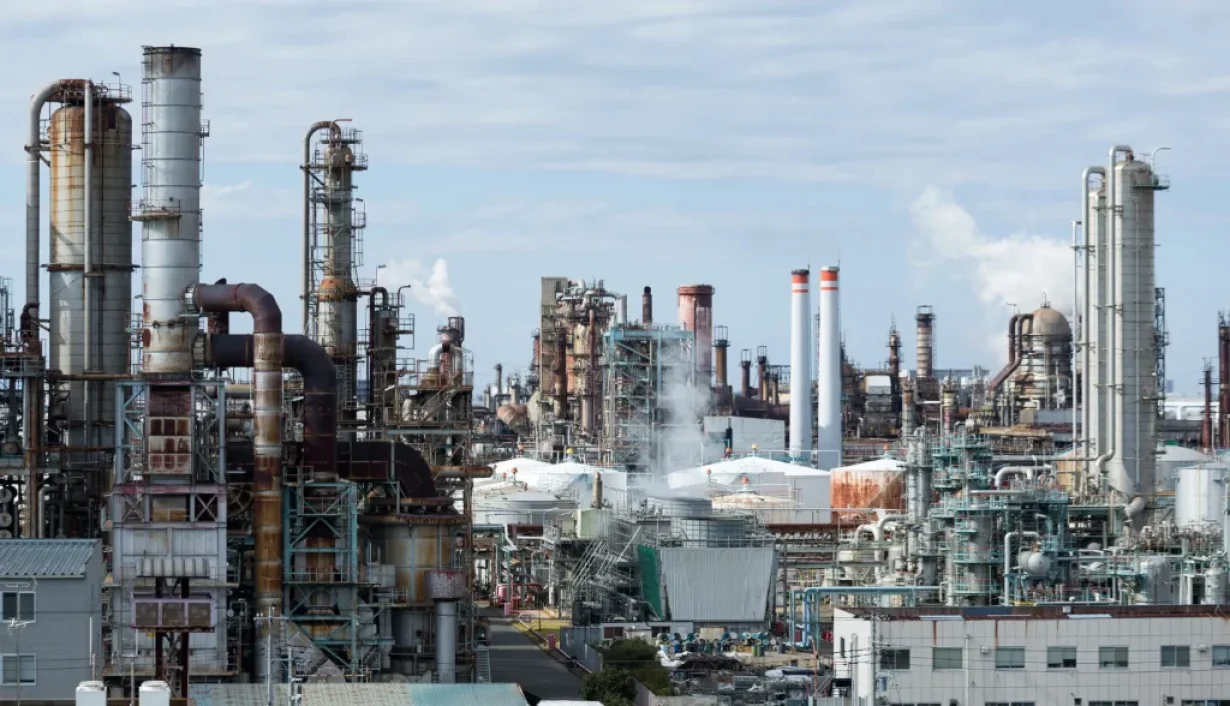

The oil and gas industry operates on a colossal scale, managing an intricate web of assets that span vast geographical areas, from offshore platforms to remote pipelines and processing plants. This complexity is compounded by an unwavering demand for safety, stringent regulatory compliance, and the constant pressure to optimize cost-efficiency. This article introduces Radio Frequency Identification (RFID) as a game-changing solution that is revolutionizing asset management in the oil and gas sector. Discover how RFID is enhancing real-time visibility and boosting overall operational performance, paving the way for a more secure, efficient, and profitable future.
What Makes Asset Management Crucial in the Oil and Gas Sector?
Effective asset management in the oil and gas sector is essential for protecting investments, ensuring safety, and maintaining efficiency. With billions in infrastructure like drilling rigs and pipelines, it extends equipment lifespan, reduces failures, and improves ROI. It also aids in accident prevention through timely inspections and maintenance, safeguarding workers and the environment.
Additionally, strong asset management enhances productivity by minimizing downtime and optimizing resources, promoting proactive maintenance, accurate tracking, and efficient scheduling. Given the industry’s strict regulations, these systems ensure compliance with traceable data and documentation, representing a comprehensive approach that safeguards operations throughout the asset lifecycle, from design to decommissioning.
What is RFID Technology?
In the face of the complex challenges inherent in oil and gas asset management, a beacon of innovation shines brightly: Radio Frequency Identification, or RFID. This wireless technology leverages radio waves to automatically identify and track objects, offering a significant leap beyond traditional identification methods like barcodes.

Why RFID Is Key to Safer and More Efficient Asset Management in Oil and Gas?
By providing real-time, accurate, and comprehensive data, RFID empowers companies to operate with unprecedented levels of safety, efficiency, and compliance.
Enhance Inventory Efficiency and Supply Chain Visibility
In the oil and gas sector, managing large inventories of spare parts, tools, and equipment across many locations poses a major challenge. Manual inventory methods take a lot of time, often cause human errors, and create costly discrepancies. These issues lead to delays and inefficiencies.
Attaching tags to each item enables fast, accurate scanning—even in bulk—without needing a direct line of sight. This allows teams to inventory an entire warehouse or drilling rig section in minutes rather than hours or days.
Improved inventory speed directly boosts supply chain visibility. From when equipment leaves a vendor, reaches a remote site, undergoes deployment and maintenance, to its return or disposal, RFID tracks every step. Companies receive real-time data on every asset’s location, condition, and movement.
Such visibility helps optimize logistics, cut lead times, avoid stock shortages, and guarantee critical parts arrive exactly where and when needed.
Improve Equipment Lifecycle Monitoring and Maintenance in a Challenging Environment
The oil and gas industry operates in some of the world’s most challenging environments, where equipment is subjected to extreme temperatures, corrosive materials, and immense pressures. These conditions accelerate wear and tear, making proactive maintenance and comprehensive lifecycle monitoring critical.
By embedding RFID tags directly onto critical equipment—such as valves, pumps, drill pipes, and sensors—companies can create a digital twin of each asset. These tags can store vital information, including manufacturing dates, last inspection dates, maintenance history, and even sensor data like temperature or vibration readings.
This data can be accessed instantly by maintenance crews in the field using handheld RFID readers, even in remote locations or hazardous zones. This eliminates the need for manual data entry, reduces errors, and ensures that technicians have immediate access to the complete history of an asset before commencing work.
This proactive approach minimizes unplanned downtime, extends the lifespan of expensive equipment, and significantly reduces the risk of catastrophic failures.
Improve Operational Efficiency and Accuracy
RFID technology offers a powerful mechanism to enhance both streamlining workflows and minimizing human error across various operational facets. By automating data capture and providing real-time insights, RFID transforms traditionally manual and error-prone processes into precise, data-driven operations.
Save Operational Costs
The upfront cost of RFID systems quickly pays off through long-term savings. One major advantage lies in cutting down the time spent on manual asset tracking and inventory checks. RFID takes over repetitive tasks like finding lost tools, counting inventory, and updating records. Companies no longer need to assign workers to handle these jobs manually.
This change frees up skilled staff to focus on higher-value tasks. They can spend more time on preventive maintenance, system analysis, and safety inspections. As a result, teams work more efficiently and labor costs decrease.
RFID also reduces asset loss and theft, two common and costly problems in the oil and gas sector. With constant tracking and real-time alerts, RFID makes it harder for unauthorized movements to go unnoticed. Teams can locate missing or stolen items quickly, avoid unnecessary replacements, and reduce the financial damage caused by shrinkage.
Optimize Safety and Compliance Monitoring
Safety and regulatory compliance are paramount in the oil and gas industry, where operations inherently involve significant risks. Non-compliance causes heavy fines, harms the environment, and puts lives at risk.
RFID enables real-time tracking of personnel, particularly in hazardous zones. By tagging workers with active RFID badges, their location can be continuously monitored, providing immediate alerts in case of an emergency, such as a gas leak or a structural collapse. This allows for rapid evacuation and targeted rescue efforts, significantly enhancing worker safety.
Furthermore, RFID can be integrated with access control systems to ensure that only authorized personnel enter restricted areas, adding another layer of security and preventing unauthorized access to critical infrastructure.
Beyond personnel tracking, tools and equipment can be tagged with RFID, allowing for automated checks to ensure they are calibrated, certified, and within their service dates before being deployed. This prevents the use of faulty or expired equipment, a common cause of accidents in the field.
Revolutionize Oilfield Asset Management with Heat-Resistant RFID Technology
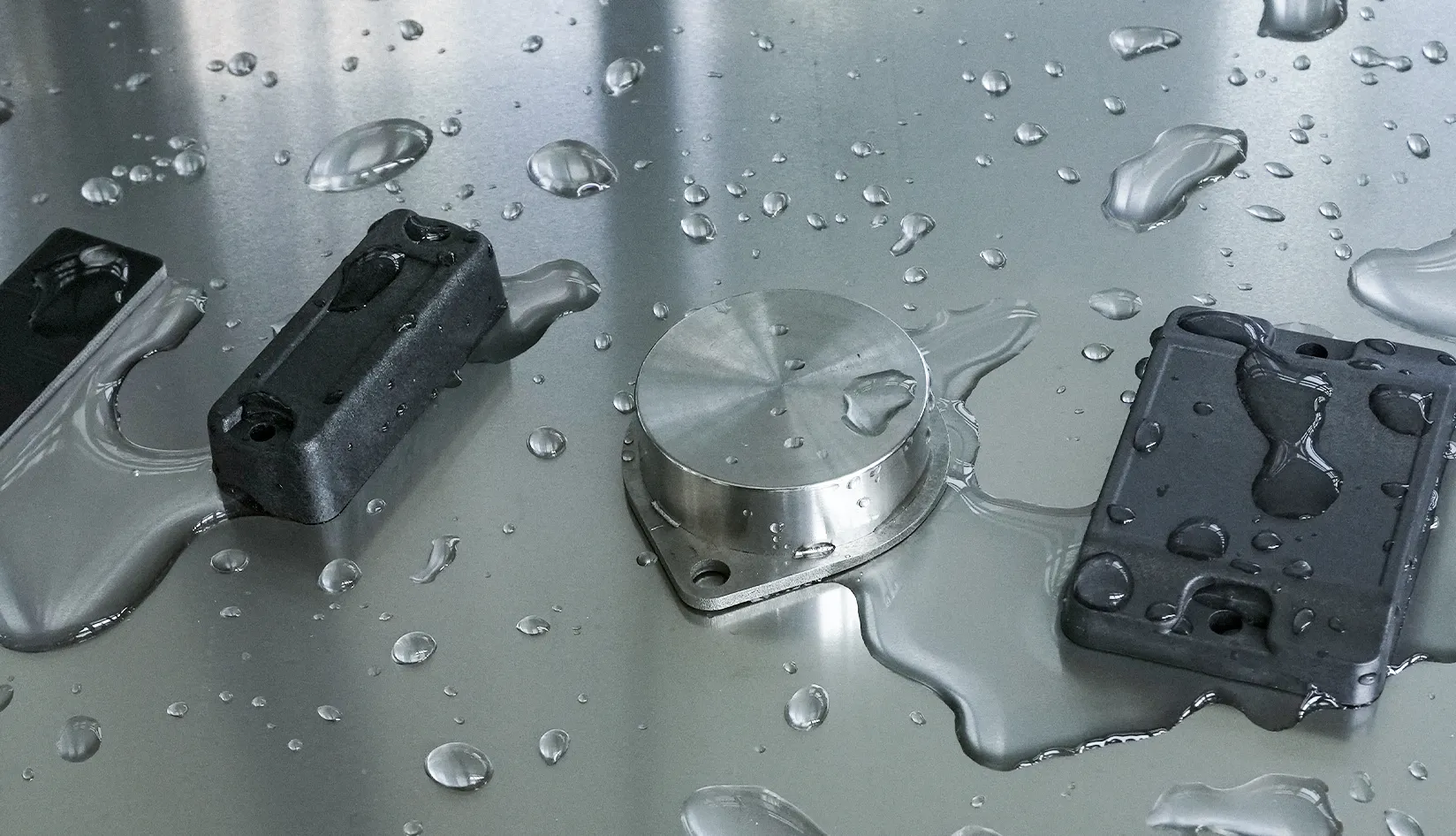
Heat-resistant RFID on-metal tags stand out as essential tools for strong asset management. They address two main challenges common in industrial environments: high temperatures and metal interference.
These tags use durable housings and advanced antenna designs. This combination ensures consistent data transmission and long-lasting performance. They track many assets, such as drill pipes, valves, pressure vessels, and tools exposed to heat or stored on metal racks in the oil and gas industry.


Conclusion
Specialized solutions like heat-resistant RFID on-metal tags show how adaptable and robust this technology is. These tags perform reliably in extreme conditions. Oil and gas companies can shift from reactive to proactive asset management by investing in RFID. This approach promotes accountability and continuous improvement.
For companies aiming to future-proof operations, improve safety, and boost efficiency, adopting RFID technology is essential. It unlocks a safer, smarter, and more resilient future for asset management in this critical global industry.
FAQs
Can RFID tags survive harsh oilfield conditions like heat, metal, and chemicals?
Yes, specialized RFID tags are specifically engineered to withstand the extreme conditions prevalent in oilfield environments. Heat-resistant tags operate reliably in high temperatures. On-metal tags work well when attached directly to metal surfaces without causing signal interference. Ruggedized tags resist chemicals, abrasions, and physical impacts. These tags track assets like drill pipes, valves, and equipment exposed to harsh environments.
Is RFID cost-effective for mid-sized oil and gas operations?
Though setting up an RFID system may require a sizable initial cost, mid-sized oil and gas companies gain strong long-term savings. They see a clear return on investment through multiple advantages. Automation cuts labor expenses by streamlining inventory and tracking. Fewer assets go missing or get stolen, reducing losses. Predictive maintenance lowers unexpected downtime.
What Counts as an Asset in the Oil and Gas Industry?
In the oil and gas industry, an asset means any physical or intangible item with economic value. These assets support exploration, extraction, processing, transportation, or distribution of hydrocarbons. This category covers a wide range of items. It includes major infrastructure like offshore drilling platforms, pipelines, refineries, and storage tanks. It also covers smaller but vital components such as pumps, valves, compressors, drilling tools, vehicles, and safety equipment.




 EN
 ES
 JA