


In the demanding world of industrial operations, efficiency and reliability are paramount. Traditional tracking methods often falter under harsh conditions, leading to costly errors, delays, and a lack of real-time visibility. Imagine a solution that not only withstands extreme temperatures, dust, moisture, and impact but also provides precise, instant data on your assets and inventory. This is where industrial RFID tags come in. Designed for resilience and performance, these robust tags are transforming how businesses manage their operations, ensuring seamless data flow and unparalleled accuracy even in the most challenging environments. Are you ready to discover how industrial RFID tags can revolutionize your productivity and safeguard your investments?
1. What Are Industrial RFID Tags?
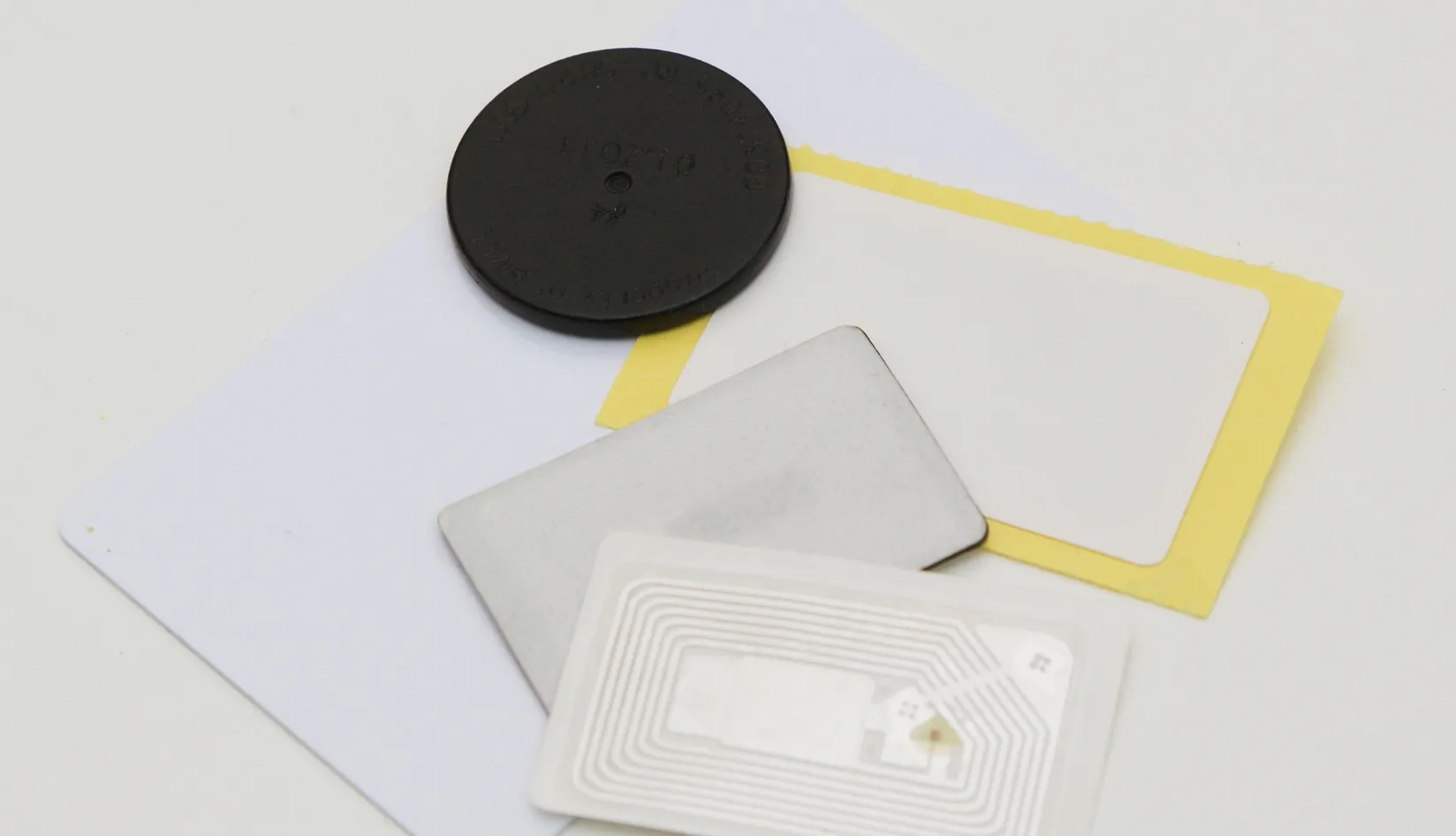
Industrial RFID tags are specialized radio-frequency identification devices designed for tracking and monitoring assets in harsh and demanding industrial environments. Unlike consumer or retail RFID tags, industrial tags are built to endure extreme temperatures, moisture, chemicals, dust, impacts, and interference from metal surfaces.
Key Components:
- Chip (IC): Stores unique identifier and sometimes additional asset data.
- Antenna: Enables communication with RFID readers over specific frequencies (LF, HF, or UHF).
- Housing / Encapsulation: Protects the tag from environmental stress, including waterproofing, chemical resistance, and impact protection.
Types:
- Passive RFID Tag: No internal power; activated by the reader’s signal.
- Active RFID Tags: Include a battery to broadcast signals, suitable for long-range tracking.
- Semi-Passive / Battery-Assisted Tags: Battery powers the chip, but reader provides communication energy.
Why They’re Different from Standard RFID:
- Designed for industrial durability: metal-proof, waterproof, shock-resistant.
- Can operate in extreme temperatures (-40°C to +200°C or more).
- Suitable for industrial applications such as manufacturing, oil & gas, construction, logistics, and waste management.
2. Understanding Harsh Industrial Environments: Where Traditional Tracking Fails
Industrial environments are inherently challenging. Unlike a retail store or an office, factories, construction sites, oil rigs, and mining operations present a unique set of obstacles that can render conventional tracking methods, such as barcodes or manual logging, ineffective or even impossible. These environments are characterized by:
Extreme Temperatures
Industrial assets and materials are often exposed to a wide range of temperatures. Standard labels can peel, crack, or become illegible. Industrial RFID tags are engineered with materials and designs that maintain integrity and functionality across vast temperature spectrums, ensuring consistent performance whether it’s -40°C or +200°C.
Dust, Dirt, and Debris
Manufacturing floors, warehouses, and outdoor industrial sites are often laden with dust, dirt, grease, and other contaminants. Barcodes can easily be obscured or damaged. Industrial RFID tags, encased in robust, sealed housings, are impervious to such particulate matter. Their radio-frequency communication does not rely on line-of-sight, meaning they can be read even when covered in grime, maintaining data accuracy and operational flow.
Moisture and Chemicals
Water, humidity, and corrosive chemicals are common in many industrial settings. These elements can quickly degrade standard labels and electronic devices. Industrial RFID tags are often designed with high IP (Ingress Protection) ratings, making them waterproof and resistant to a wide array of chemicals. This ensures their longevity and reliability in environments where exposure to liquids and corrosive substances is unavoidable.
Impact and Abrasion
Heavy machinery, moving parts, and constant handling mean that industrial assets are frequently subjected to impacts, vibrations, and abrasive forces. Industrial RFID tags are built with rugged materials like ceramics, high-strength plastics, or metals, and are often designed to be embedded or securely attached, providing exceptional resistance to physical wear and tear. This durability minimizes the need for replacements, reducing maintenance costs and ensuring continuous tracking.
Metal Interference
Metal surfaces and objects can significantly interfere with RFID signals. Specialized on-metal industrial RFID tags have been developed with unique designs and materials that counteract this interference, allowing for reliable performance even when directly mounted on or near metallic assets. This innovation has opened up vast new possibilities for RFID adoption in previously challenging industrial sectors.

In summary, traditional tracking methods are ill-equipped to handle the multifaceted challenges of harsh industrial environments. They lead to inaccuracies, frequent failures, and significant operational inefficiencies. This is precisely where industrial RFID tags demonstrate their unparalleled value, offering a robust, reliable, and efficient alternative that thrives where others fail.
3. The Unmatched Advantages of Industrial RFID Tags in Challenging Settings
Beyond merely surviving harsh conditions, industrial RFID tags offer a suite of advantages that fundamentally transform operational efficiency and data accuracy in demanding environments.
Real-time Visibility and Data Accuracy
Industrial RFID tags provide real-time, accurate data on assets, inventory, and work-in-progress. Unlike manual scanning or barcode systems that require line-of-sight, RFID readers can automatically identify and track multiple tags simultaneously, even when they are not directly visible. This eliminates human error, speeds up data collection, and provides an always-on view of your operations.
Enhanced Inventory Management
Industrial RFID tags enable rapid and highly accurate inventory counts. Entire pallets or even truckloads of tagged items can be scanned in seconds, drastically reducing the time and labor required for inventory audits. This leads to optimized stock levels, reduced carrying costs, minimized stockouts, and improved order fulfillment rates.
Optimized Asset Tracking and Utilization
Industrial RFID tags provide a robust solution for tracking valuable items throughout their lifecycle. From monitoring the usage of specialized tools to tracking returnable transport items (RTIs), RFID ensures that assets are always accounted for. This not only prevents loss and theft but also enables better maintenance scheduling, improves asset utilization rates, and extends the lifespan of expensive equipment.
Streamlined Production Processes
Industrial RFID tags can be integrated directly into production lines to automate tracking of work-in-progress (WIP), monitor assembly stages, and ensure quality control. Tags attached to parts or carriers can trigger automated actions, record process data, and provide a complete historical record for each item. This level of automation reduces manual intervention, minimizes bottlenecks, and improves overall throughput.
Improved Safety and Compliance
RFID technology can contribute to a safer workplace by tracking personnel in restricted areas, monitoring the calibration and maintenance status of safety equipment, and ensuring that only authorized personnel access certain machinery. For industries with strict regulatory requirements, RFID provides an immutable audit trail for compliance.
Reduced Operational Costs and Increased ROI
By reducing manual labor for tracking and inventory, minimizing errors, preventing asset loss, optimizing asset utilization, and streamlining processes, businesses can achieve substantial operational cost reductions. The improved data accuracy and real-time visibility also enable better strategic planning and resource allocation, contributing directly to the bottom line.
4. Real-World Applications: Industrial RFID Tags in Action
To truly appreciate the transformative power of industrial RFID tags, let’s explore some real-world applications across various sectors where these rugged solutions are making a significant impact.
Manufacturing and Automotive
Industrial RFID tags are used to track everything from individual components to finished vehicles. On-metal RFID tags are mounted on engine blocks, chassis, and other metallic parts to monitor their progress through the assembly line. The durability of these tags ensures they withstand the high temperatures of paint shops and the harsh chemicals of cleaning processes.
Oil and Gas
Industrial RFID tags, designed to be explosion-proof and resistant to extreme temperatures and corrosive chemicals, are used to track drill pipes, valves, and other critical assets. This improves asset management, ensures timely maintenance and inspection, and enhances safety.
Construction and Heavy Equipment
Rugged industrial RFID tags are attached to tools, scaffolding, and heavy machinery. This allows site managers to have a real-time inventory of their assets, prevent theft, and ensure that equipment is available when and where it’s needed. The tags’ resistance to impact, dust, and moisture makes them ideal for the rough-and-tumble nature of construction work.
Logistics and Supply Chain
Industrial RFID tags are used on pallets, containers, and other returnable transport items (RTIs) to automate tracking at warehouses, distribution centers, and shipping ports. This provides end-to-end visibility, reduces shipping errors, and speeds up loading and unloading processes. The durability of these tags ensures they can withstand the rigors of transportation.
Waste Management
Waste management companies use industrial RFID tags to track residential and commercial waste bins. Tags are attached to the bins, and RFID readers on the collection trucks automatically record when each bin is emptied. This automates billing, optimizes collection routes, and provides valuable data for service verification and customer support. The tags are designed to be waterproof, resistant to chemicals, and durable enough to withstand the daily wear and tear of waste collection.
These examples are just a glimpse of the vast potential of industrial RFID tags. In any industry where harsh conditions and the need for accurate, real-time data converge, these robust tracking solutions are proving to be an indispensable tool for unlocking new levels of efficiency and control.
5. Choosing the Right Industrial RFID Tags: Key Considerations for Your Business
Selecting the optimal industrial RFID tags for your specific application is crucial for maximizing the benefits of this technology. Given the diversity of industrial environments and operational needs, a one-size-fits-all approach simply won’t work. Here are the key factors should consider:

Environmental Conditions
This is perhaps the most critical factor for industrial applications. Assess:
- Temperature Range: Does the tag need to withstand freezing conditions, high heat, or rapid temperature fluctuations?
- Chemical Exposure: Will the tag come into contact with acids, alkalis, solvents, or other corrosive substances?
- Moisture/Water Exposure: Is the tag likely to be submerged, sprayed, or exposed to high humidity? Look for appropriate IP (Ingress Protection) ratings (e.g., IP67, IP68).
- Physical Stress: Will the tag be subjected to impacts, vibrations, abrasion, or bending? Consider ruggedized, encapsulated, or embedded tag options.
Material of the Asset
The material of the asset you intend to tag significantly influences tag selection, especially concerning metal. If your assets are metallic, you will need specialized on-metal RFID tags. These tags are designed with an air gap or special shielding to prevent signal detuning and ensure reliable performance.
Read Range and Frequency
The required read range dictates the type of RFID frequency and tag technology you should consider:
- Low Frequency (LF) RFID (125-134 kHz): Offers short read ranges (a few centimeters) but performs well near metal and liquids. Ideal for access control, animal identification, and tool tracking.
- High Frequency (HF) RFID (13.56 MHz): Provides medium read ranges (up to 1 meter) and is commonly used for item-level tagging, payment systems (NFC), and library management. Less affected by liquids than UHF.
- Ultra-High Frequency (UHF) RFID (860-960 MHz): Offers the longest read ranges (up to several meters) and fast read rates, making it ideal for supply chain, inventory, and asset tracking over larger areas. However, UHF is more susceptible to interference from metal and liquids, requiring specialized tags for such environments.
Data Storage and Security
Consider how much data needs to be stored on the tag and what level of security is required. Most industrial RFID tags offer sufficient memory for unique identifiers and some additional data. For sensitive applications, look for tags with encryption capabilities or secure memory features.
Attachment Method
How will the tag be attached to the asset? Common attachment methods include:
- Adhesive: For smooth, clean surfaces.
- Screw/Rivet: For permanent attachment to rugged surfaces.
- Cable Tie/Strap: For irregular shapes or temporary attachment.
- Embeddable: For integration into the asset itself.
- Weldable: For extreme industrial applications where tags need to be welded onto metal surfaces.
Cost-Benefit Analysis
While industrial RFID tags might have a higher per-unit cost than traditional barcodes, their durability, automation capabilities, and the resulting efficiency gains often lead to a superior total cost of ownership (TCO) and a strong return on investment (ROI). Evaluate the long-term savings from reduced labor, improved accuracy, minimized asset loss, and streamlined operations against the initial investment.
By carefully evaluating these factors, businesses can make informed decisions to select industrial RFID tags that are perfectly suited to their operational demands, ensuring a robust, reliable, and efficient tracking solution that stands the test of time and environment.
6. Future-Proofing Your Operations with Industrial RFID Tags
Don’t let the harshness of your environment hinder your productivity. It’s time to leverage the power of industrial RFID tags to future-proof your operations, ensure seamless data flow, and achieve a level of efficiency you never thought possible.
Ready to transform your industrial operations? Contact us today to explore how our specialized industrial RFID tag solutions can be tailored to meet your unique environmental challenges and operational goals.
FAQs
What is the typical lifespan of an industrial RFID tag in a harsh environment?
The lifespan of an industrial RFID tag varies significantly based on its construction, the specific harsh conditions it’s exposed to, and the frequency of use. High-quality industrial tags are designed for longevity, often lasting 5-10 years or even more in challenging environments. Factors like continuous exposure to extreme temperatures, highly corrosive chemicals, or severe physical abrasion can reduce this, but manufacturers typically provide detailed specifications on expected durability under various conditions.
Can industrial RFID tags be reused or reprogrammed?
Yes, most industrial RFID tags are designed to be reusable and reprogrammable. This is a significant advantage, especially for tracking returnable transport items (RTIs) like pallets, containers, or tools. Passive RFID tags can be reprogrammed multiple times, allowing for updated information or reassignment to different assets. Active and semi-passive tags, while having a battery life limitation, can also be reprogrammed within their operational lifespan.
How do industrial RFID tags handle data privacy and security?
Data privacy and security are critical concerns for any tracking technology. Industrial RFID systems can incorporate various security measures. Tags can be designed with read-only memory for fixed data, or with password protection for write access. Encryption protocols can be used during data transmission between the tag and reader to prevent eavesdropping. Additionally, system-level security, such as secure databases and access controls, ensures that only authorized personnel can access and interpret the collected RFID data.
What is the difference between active, passive, and semi-passive industrial RFID tags?
The main difference lies in their power source and read range:
- Passive Industrial RFID Tags: These tags do not have an internal power source. They draw power from the RFID reader’s electromagnetic field to energize their microchip and transmit data. They are typically smaller, less expensive, and have a shorter read range (up to 25 meters for UHF passive).
- Active Industrial RFID Tags: These tags have their own internal battery, which powers their circuitry and allows them to broadcast a signal. This results in a much longer read range (hundreds of meters) and larger memory capacity. They are more expensive and have a limited battery life.
- Semi-Passive (or Battery-Assisted Passive – BAP) Industrial RFID Tags: These tags have a small battery to power the microchip’s circuitry, but they still rely on the reader’s energy to communicate. This provides a better read range than passive tags and more robust performance, especially in challenging environments, while consuming less power than active tags.
Is it possible to integrate industrial RFID systems with existing enterprise software like ERP or WMS?
Absolutely. One of the key benefits of modern industrial RFID solutions is their ability to integrate seamlessly with existing enterprise resource planning (ERP) systems, warehouse management systems (WMS), manufacturing execution systems (MES), and other business intelligence platforms. This integration allows for automated data flow, eliminating manual data entry, reducing errors, and providing a unified view of operations. Most RFID system providers offer APIs, middleware, or custom integration services to ensure compatibility and maximize the value of the collected data within a company’s existing IT infrastructure.





 EN
EN  ES
ES  JA
JA