


In today’s fast-paced fashion industry, managing inventory and ensuring supply chain transparency has become more complex than ever. Brands face mounting pressure to deliver authentic products, keep customers engaged, and stay ahead of counterfeit threats. Traditional methods often fall short in meeting these demands. That’s where innovative technology steps in—specifically, NFC clothing tags. These tiny yet powerful tools are transforming how apparel brands connect with consumers, protect their products, and streamline operations.
What Are NFC Clothing Tags?
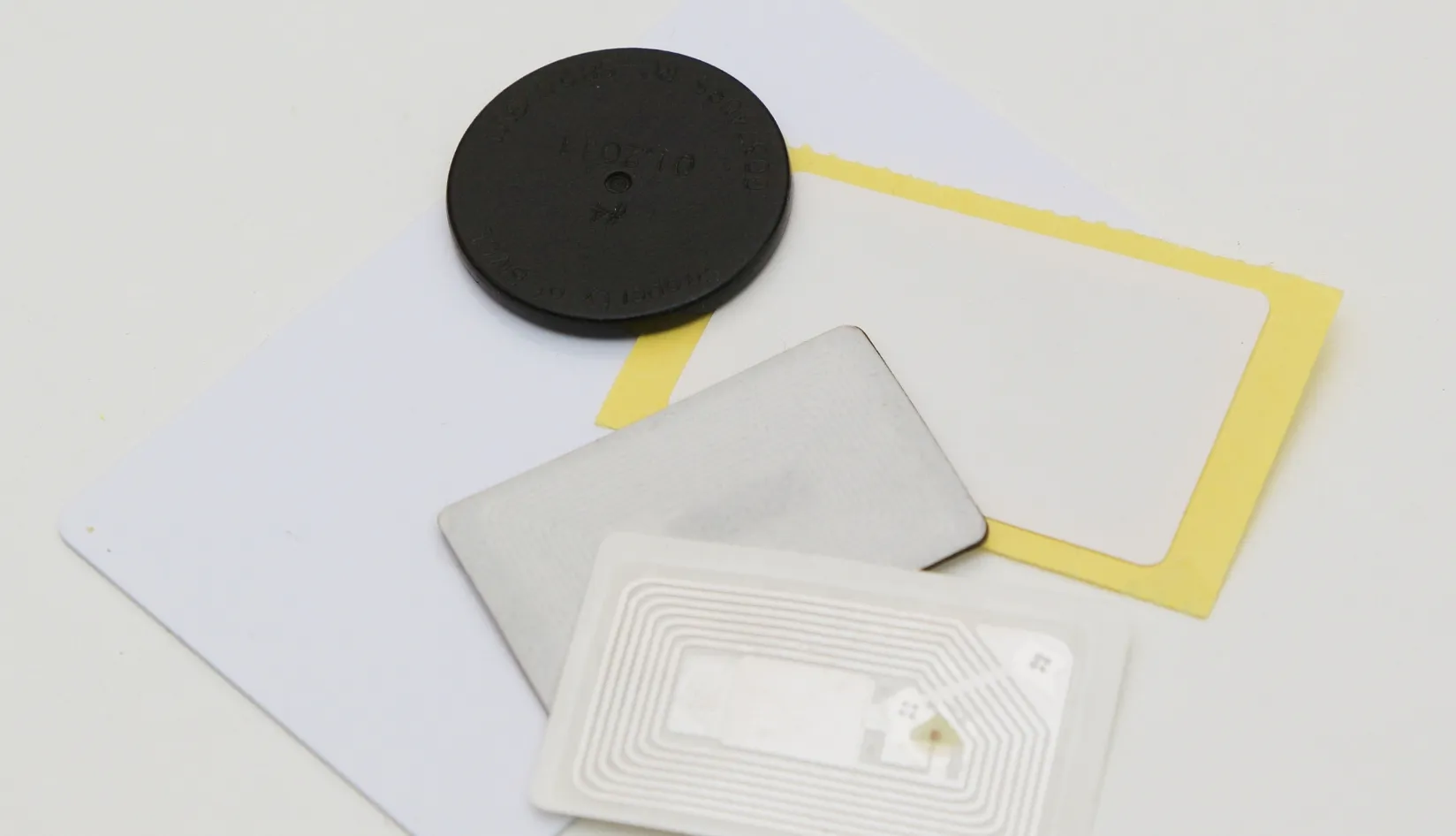
NFC clothing tags are small, durable smart chips embedded or heat-pressed directly into garments. They utilize Near Field Communication (NFC), a technology that allows smartphones and other compatible devices to instantly read information from the tag with a simple tap. Think of NFC clothing tags as digital passports for your apparel, providing instant access to product details, authenticity verification, and brand stories directly through customers’ smartphones.
Because they are designed to withstand washing, stretching, and everyday wear, NFC tags offer a long-lasting and reliable way to connect each garment to a digital layer of content and functionality — a key differentiator for modern retail brands.
Why Use NFC Clothing Tags for Apparel Brands?
Brands that adopt NFC clothing tags gain multiple competitive advantages, including:
Enhance Customer Shopping Experience
With NFC clothing tags, customers can tap their phone and instantly access rich product content like origin stories, material details, size guides, and styling tips — all without downloading an app. This interactive feature turns a passive shopping experience into a connected, informative journey that strengthens customer satisfaction and purchase confidence.
Increase Customer Engagement
Today’s shoppers expect more personalized interactions. By scanning an NFC tag, consumers can join loyalty programs, receive exclusive offers, or unlock brand content and promotions — creating direct two-way engagement between brands and buyers. This boosts repeat visits and encourages word-of-mouth recommendations.
Enhance Product Authentication
Counterfeit products flood the fashion market, eroding brand value and damaging customer trust. NFC clothing tags serve as digital certificates of authenticity. When scanned, they verify genuine products, giving consumers confidence in their purchases. For brands, this technology becomes a formidable barrier against counterfeiters, protecting intellectual property and maintaining premium positioning.
Build Brand Trust and Transparency
NFC tags showcase a brand’s commitment to quality, traceability, and innovation. Offering verifiable product information like authenticity credentials and supply chain data builds customer trust — especially important for premium and sustainable fashion brands.
NFC Garment Badges: A New Era for Fashion Retail
NFC garment tags are revolutionizing fashion retail by enhancing the customer experience through effortless access to product details, recommendations, and exclusive offers with a simple tap. This interactivity fosters deeper engagement, making shopping more personalized and satisfying. Additionally, NFC technology seamlessly connects physical stores with online platforms, enabling customers to instantly view products on e-commerce sites, thus facilitating smooth cross-channel shopping.
Beyond improving engagement, NFC tags strengthen brand loyalty by offering direct communication, discounts, and access to loyalty programs. They also bolster security by providing verifiable information that helps combat counterfeiting, giving both consumers and retailers confidence in product authenticity and building long-term trust in the brand.
NFC garment tags combined with NFT technology are transforming fashion retail by pairing physical items with their digital counterparts. This integration allows customers to verify authenticity, personalize their products, and track their purchase history securely. Additionally, it provides exclusive perks such as certified ownership, access to limited-edition collections, and enhanced engagement with the brand, creating a more innovative and connected shopping experience.


How to Install NFC Garment Badges onto Clothing
Embedding NFC tags into apparel requires a thoughtful approach to ensure durability and functionality.
For a visual guide, you can watch a detailed tutorial on heatpressing NFC garment badges in the YouTube video below.

Digital Product Passports (DPP): Future-Proofing Your Brand for Global Regulations
The fashion industry is facing a new era of transparency, driven by global mandates like the EU’s Ecodesign for Sustainable Products Regulation (ESPR). Central to this movement is the Digital Product Passport (DPP)—a framework that requires garments to carry a digital identity containing detailed information about their origin, material composition, and environmental impact.
NFC clothing tags are the most efficient physical-to-digital bridge for implementing DPPs. Unlike QR codes that can fade or be easily copied, high-security NFC chips offer:
- Regulatory Compliance: Easily store and update the mandatory sustainability data required by European and global markets.
- Circular Economy Support: Provide recyclers with accurate material data (e.g., 100% organic cotton vs. synthetic blends) to ensure proper end-of-life processing.
- End-to-End Traceability: Allow consumers to trace the entire journey of their garment, from raw fiber to the retail shelf, with a single tap.
By integrating NFC-enabled DPPs today, apparel brands not only stay ahead of looming legal requirements but also position themselves as leaders in the sustainable fashion movement.
Industry Data & Real-World Use Cases
The global NFC clothing tags market is experiencing rapid growth as apparel brands adopt smart technologies to enhance customer engagement, product authentication, and omnichannel experiences. According to recent industry research, the NFC clothing market was valued at around USD 1.2 billion and is projected to grow to approximately USD 4.5 billion by 2033, representing a strong CAGR of about 16.5% between 2026 and 2033 as smart apparel becomes more mainstream.
Platforms like Vestiaire Collective and eBay now use NFC tags on luxury handbags and sneakers to authenticate products and share history or provenance information with customers via smartphone scan.
In addition to NFC, RFID technology—from which NFC originated—has also significantly transformed the fashion industry. Here are some notable examples of apparel brands utilizing RFID:
- Learn from fast-fashion leaders with the Uniqlo RFID success story and discover what retailers can learn from Uniqlo’s RFID strategy.
Conclusion
NFC clothing tags are revolutionizing the apparel industry by bridging the physical and digital worlds. They empower brands to authenticate products, enhance customer engagement, and streamline inventory management—all while building trust and loyalty. As consumer expectations evolve, adopting NFC technology is no longer optional but essential for brands aiming for sustainable growth and industry leadership.
Embracing NFC clothing tags means embracing a future where every garment tells its own story—one tap at a time. It’s a game-changing innovation that transforms how brands connect with their customers and protect their products in an increasingly digital world.
FAQs
Will it be easy for customers to use NFC clothing tags?
Very easy. Customers simply tap their NFC-enabled smartphones on the tag, which instantly opens a webpage or app showing product details. No app download is usually required, making the process seamless and intuitive.
Are NFC clothing tags suitable for all types of apparel?
Yes. NFC tags are designed to be durable and flexible, suitable for various fabrics and clothing types, including washables, activewear, and high-end fashion.
What is the typical lifespan of an NFC clothing tag?
When properly embedded, NFC clothing tags can last the lifetime of the garment. They withstand washing, stretching, and everyday wear without losing functionality.





 EN
 ES
 JA