RFID readers are devices that wirelessly communicate with RFID tags to read and write data. They include handheld, fixed, and mobile readers supporting various frequencies like LF, HF, and UHF. Widely used in supply chain, access control, and asset management, RFID readers enable efficient data capture and real-time monitoring across industries.
Handheld RFID readers are often the smartest starting point for warehouse teams that need flexibility, fast deployment, and lower upfront cost. But in many operations, fixed readers become the better long-term choice when throughput, automation, and checkpoint accuracy matter more than mobility.
A clear comparison of handheld RFID readers and fixed RFID readers for warehouse operations, inventory control, automation, and pallet tracking.
Why This Choice Matters in Real Warehouse Work
In real warehouse operations, the right setup depends less on “which reader is better” and more on where the reading happens, how often it happens, and whether people or process flow should control the scan.
That is why we do not treat handheld RFID readers and fixed readers as direct substitutes. In practice, they solve different parts of the same warehouse problem.
What Handheld RFID Readers Do Best
Best for flexible inventory tasks
Handheld RFID readers work especially well when staff need to move, search, verify, and count in different warehouse zones. They are a strong fit for:
cycle counting
shelf-level inventory checks
finding missing cartons or items
exception handling
receiving checks in smaller warehouses
mixed workflows where one person handles multiple tasks
From our perspective, handheld RFID readers are the practical choice when warehouse activity changes throughout the day. Instead of bringing goods to a read point, staff bring the reader to the goods.
Best for lower-risk pilots
For many distributors and growing warehouse operators, handheld RFID readers make rollout easier because teams can test RFID without redesigning doors, conveyors, or lanes. That reduces internal resistance and speeds up adoption.
What Fixed RFID Readers Do Best
Best for controlled flow points
Fixed readers perform best where goods pass through a known location, such as:
dock doors
portal gates
conveyor lines
staging exits
sortation checkpoints
When the workflow is stable, fixed readers help automate verification without relying on someone to remember to scan. That makes them valuable for high-volume inbound and outbound operations.
Best for repeatable automation
If your warehouse wants 24/7 event capture, fixed readers are usually the stronger choice. They turn RFID into a process control tool, not just a data collection tool.
The most effective warehouse RFID projects often combine both. We often see the best results when handheld RFID readers are used for mobile inventory work, while fixed readers cover dock doors or conveyor checkpoints.
Final Buying Insight
If your warehouse mainly needs people to move faster, handheld RFID readers are usually the right first investment. If your warehouse mainly needs processes to run automatically, fixed readers usually create more value. For many growing operations, the smartest answer is not one or the other, but a phased mix of both.
A Real Reference Case
A compelling demonstration of effective RFID deployment can be seen in the food service industry. For instance, Chipotle Mexican Grill recently implemented a comprehensive traceability program across its supply chain. By requiring suppliers to affix RFID labels to ingredient cases, the company streamlined its receiving process. Upon arrival at the restaurants, staff utilize handheld RFID readers to scan the inventory. This initiative not only improved inventory accuracy to near-perfect levels but also significantly enhanced food safety and traceability protocols.
Conclusion
The right RFID reader strategy should match your warehouse flow, labor model, and growth plan. After reading this, you should be able to decide whether handheld RFID readers, fixed readers, or a hybrid setup fits your operation best.
If you are ready to compare reader-compatible tags, labels, or custom RFID project options, visit rfidtag.com to explore products or request tailored support for your warehouse application.
FAQs
Can we use the same RFID tags for both handheld and fixed readers?
Yes, standard UHF RFID tags are designed to be read by both handheld and fixed readers. However, the read range and performance may vary based on the reader’s power output and antenna configuration. We recommend testing your specific tags with both reader types to ensure optimal performance in your environment.
How do we determine the right mix of handheld and fixed readers for our facility?
The ideal ratio depends on your operational workflows. If your primary focus is tracking bulk movements at receiving and shipping docks, investing in fixed portals is advisable. If your goal is improving the accuracy of cycle counts and locating items within the aisles, prioritizing handheld devices will yield a higher return on investment.
The Impinj® Monza® 4QT ABS and NylonRFID Cable Tie Tag offers reliable long-range reading, exceptional durability, and UV resistance for outdoor use. Its robust build securely fastens cables while enabling efficient asset tracking and inventory management. Ideal for logistics, construction, outdoor equipment, and cable organization where tamper-evident, easy-to-apply RFID solutions are required.
The Alien Higgs® 9 ABS and Steel Wire RFID Seal Tag is engineered for secure, tamper-evident sealing in demanding logistics and industrial settings. Made of high-quality ABS and robust steel wire, it prevents unauthorized opening while delivering high data accuracy. Resistant to electromagnetic interference and pollution, the Alien Higgs® 9 chip supports fast reading, anti-cloning, and large-scale programming, making it a powerful choice for asset protection, truck door sealing, and wellhead valve security.
The NXP NTAG® 213 ABS and Nylon HF RFID Cable Tie Tag combines robust construction with flexible usability. Featuring high-speed data transmission and anti-collision performance, it ensures quick and accurate scans even in demanding logistics, warehouse, or retail operations. Its tamper-evident design secures cables, pipes, and assets for organized, traceable management.
This HF RFID cable tie tag uses ABS and Nylon and integrates the NXP NTAG® 213 chip for stable, fast data transfer and anti-collision performance. Ideal for logistics, retail, and equipment organization, it securely bundles and tags assets while resisting wear and tear in demanding work environments.
In the current dynamic and technology-driven supply chain landscape, ensuring precision and efficiency in warehousing operations has become essential rather than optional. Companies face mounting pressure to oversee inventory in real time, reduce mistakes, and adhere to strict delivery schedules. As a result, an increasing number of businesses are adopting digital inventory management systems, with UHF RFID readers standing out as a vital solution. UHF RFID readers deliver faster and more precise inventory tracking compared to conventional manual methods. They facilitate real-time insights into stock levels, optimize workflows, and minimize human errors. This article will explore how UHF RFID readers are revolutionizing warehousing in supply chain management.
Why Warehousing Matters in Supply Chain Management?
Warehousing is the backbone of supply chain management. An efficiently managed warehouse is crucial for guaranteeing prompt deliveries, keeping precise inventory records, and reducing operational expenses. Let’s delve into the reasons why warehousing is a vital component of the supply chain.
Ensure Safe and Secure Storage Warehouses offer a regulated setting for the secure storage of products until they are required. For items that are sensitive to temperature, electronics, or valuable inventory, a secure warehousing solution minimizes the risks of damage, theft, or spoilage.
Reduce Shipping Costs and Transit Times by Strategic Warehouse Location Positioning warehouses close to key markets or transportation centers significantly lowers shipping expenses and shortens delivery durations. Well-placed warehouses enhance logistics efficiency, especially in the final leg of delivery.
Streamline Order Fulfillment Streamlined warehouse systems accelerate the picking, packing, and shipping processes. The use of automation technologies, such as RFID, can greatly improve accuracy and significantly shorten order cycle times.
Realize Effective Inventory Management Warehouses play a crucial role in maintaining organized inventory management, allowing for stock levels to be fine-tuned to satisfy demand while avoiding excess inventory. When combined with technologies such as RFID, they provide immediate access to data visibility.
What are UHF RFID Readers?
UHF RFID readers are wireless tools designed to read RFID tags through radio frequency technology. Operating within the frequency range of 860 MHz to 960 MHz, these devices enable fast and reliable scanning of tags, allowing for real-time monitoring of assets, inventory, and products across different operational environments.
How UHF RFID Readers Work in Warehousing
When an item with RFID tags enters the warehouse, the reader detects the tag’s unique identifier information. This information is synchronized with the inventory management system, recording its arrival and location immediately. During inventory checks, operators can stroll through the aisles and scan all nearby tags. The collected data is then transmitted to the Warehouse Management System (WMS), providing real-time updates on stock status.
Additionally, these devices can write new information to tags, including batch numbers, expiration dates, or destination details, making them highly versatile for various warehouse operations.
UHF RFID Readers VS. Manual Handling System
Let’s explore how RFID readers surpass manual systems in all the key aspects.
Accuracy
Efficiency
Data Visibility
Operational Cost
Manual Handling System
Prone to human errors
Slow, item-by-item
Delayed
Higher
UHF RFID Readers
Reduce human errors, higher accuracy
Multiple scanning
Real-time data visibility
More cost-effective
Why Use UHF RFID Readers for Warehousing in Supply Chain Management?
Adopting UHF RFID readers is more than a fad; it’s a strategic decision for businesses aiming to future-proof their supply chains. Here’s the reasoning behind it:
Improve Overall Accuracy Manual data entry that is prone to human errors can cause inaccuracies and inefficiencies in warehouse management. These mistakes can lead to misplaced items, incorrect stock levels, and ultimately, financial losses. On the other hand, RFID readers offer a significant enhancement in accuracy. By automating the process of inventory tracking and item location, these devices effectively eliminate the potential for human error. This technology ensures that data is captured with precision, allowing businesses to maintain better control over their inventory, streamline operations, and improve overall productivity. Embracing RFID technology not only enhances accuracy but also fosters a more reliable and efficient inventory management system.
Reduce Stock Loss Real-time tracking significantly enhances the ability to locate lost items, misplaced inventory, or unauthorized movements. By implementing this method, organizations can swiftly pinpoint discrepancies and take immediate action. This approach minimizes financial losses while fostering a culture of accountability among employees. With clear visibility into asset movements, businesses can ensure that every item is accounted for, leading to improved operational efficiency and trust within the organization.
Enhance Warehousing Efficiency RFID readers streamline processes from rapid inventory checks to swift order processing, effectively eliminating delays and enhancing efficiency at every stage of the workflow. The RFIDtag.com UHF RFID reader features a Cortex-A53 2.3 GHz Octa-core processor, an 8000mAh battery for long-lasting performance, and the Impinj E710 reader chip for superior UHF RFID scanning. With a read/write range extending up to 15 meters and an impressive read rate of over 1300 tags per second, it is perfectly suited for warehouse operations.
Save Operational Costs While RFID systems involve initial costs, the long-term advantages significantly surpass the upfront investment. These systems significantly reduce the dependence on manual labor, which not only streamlines operations but also minimizes the potential for human errors that can lead to costly losses. Additionally, RFID technology optimizes space utilization, allowing businesses to manage their inventory more effectively. As a result, organizations can expect to see considerable cost savings over time, making RFID a smart choice for enhancing operational efficiency and profitability.
Conclusion
Smart cities require intelligent parking solutions. Utilizing desktop UHF RFID readers allows operators to simplify parking access, boost automation, and provide users with a seamless experience. This innovative technology enables facilities to improve their operations, enhance safety measures, and support environmental initiatives.
Adopting RFID technology today not only addresses current parking issues but also lays the groundwork for future IoT innovations and smooth integration within smart city frameworks.
Are you prepared to enhance your parking infrastructure? Discover how UHF RFID solutions can secure the future of your operations.
FAQs
Will implementing desktop UHF RFID readers be cost-effective?
Utilizing desktop UHF RFID readers can prove to be a wise financial decision over time. While the initial costs may appear substantial, the enhanced efficiency in managing inventory and the decrease in labor expenses rapidly balance out the initial outlay. These readers streamline stock assessments, reducing the likelihood of human error and accelerating workflows. Consequently, businesses experience a notable drop in operational expenses, along with fewer inventory discrepancies and losses. In the long run, this technology can deliver a robust return on investment, boosting warehouse productivity and elevating customer satisfaction.
Can desktop UHF RFID readers handle high volumes of vehicles in parking lots?
Indeed, when paired with an advanced collision processing algorithm, our desktop UHF RFID readers provide rapid tag reading and writing capabilities while ensuring a high identification rate.
This integrated UHF RFID reader features a high-gain antenna and compact design, built on the Impinj® E710 platform. It supports multiple interfaces including RS-232, RJ45, and GPIO, making it a flexible choice for logistics, document control, and production line monitoring. With its stable RF performance and plug-and-play integration, this integrated UHF RFID reader is ideal for fixed installations in industrial or library environments.
In today’s digital and automated world, RFID (Radio Frequency Identification) technology is a key player across various industries. It’s an automatic identification tech that uses radio waves to transmit data between objects and readers, and it’s widely found in logistics, retail, healthcare, transportation, and more. By embedding microchips into tags and using a reader-writer system, RFID not only allows for real-time tracking of items but also boosts the speed and accuracy of data collection.
In an RFID system, the RFID reader is one of the essential components, communicating with RFID tags by sending and receiving signals. There are two main types of RFID readers: fixed RFID readers and handheld RFID readers. Fixed RFID readers are typically used for large-scale, long-term applications, enabling continuous monitoring of items or personnel. In contrast, handheld RFID readers are more flexible and are ideal for situations that require mobility and temporary scanning.
However, when it comes to different application needs, picking the right type of RFID reader is super important. Both fixed and handheld devices have their pros and cons; choosing the right one for your needs will directly impact the system’s efficiency and costs.
Introduction to Fixed and Handheld RFID Readers
Overview of Fixed RFID Readers
Definition and Working Principle
A fixed RFID reader is a device typically installed in a stationary location that exchanges data with RFID tags via radio waves. These types of readers are primarily used for long-term monitoring of items, assets, or personnel, and are widely applied in warehousing management, access control, asset tracking, and other contexts. The working principle involves the reader emitting radio frequency signals through an antenna, which RFID tags receive when they enter the signal range, sending back the stored information to the reader to complete data transfer and recording.
Fixed RFID readers are generally suitable for environments that require efficient, continuous monitoring, such as large warehouses, logistics centers, and entry-exit points, enabling automatic identification and data collection without human intervention.
Pros and Cons
Pros:
Efficient and Stable: Fixed RFID readers can operate continuously and reliably for long periods, ideal for high-scale and high-frequency usage scenarios.
Designed for Long-Term Use: Their fixed installation makes them suitable for environments needing ongoing, long-term monitoring without frequent position adjustments.
No Frequent Movement Required: Stationary devices avoid the need for operators to frequently move them, reducing operational and maintenance complexities.
Cons:
Lacks Flexibility: Fixed RFID readers are generally confined to specific monitoring areas and lack the flexibility of handheld devices, making them unsuitable for frequently changing scenarios.
High Installation Costs: Fixed devices require installation, configuration, and maintenance, potentially leading to higher initial investments.
Inability to Handle Dynamic Scenes: For applications that require frequent position changes or irregular checks, the limitations of fixed devices become apparent.
Overview of Handheld RFID Readers
Definition and Working Principle
A handheld RFID reader is a portable device that is easy for operators to carry around, commonly used for reading data stored on tags. These readers utilize built-in radio frequency identification technology and antennas to exchange data with RFID tags, and are widely used in inventory management, field inspections, logistics, and delivery. Since these devices are compact and easy to transport, operators can flexibly scan and input data at different locations or under various circumstances as needed.
The working principle of handheld RFID readers is similar to that of fixed ones, with the key difference being their enhanced flexibility and portability. Operators scan tags using the handheld device, which receives the signals from the tags and processes the information received.
Pros and Cons
Pros:
High Flexibility: Handheld devices are suitable for various on-site operations, capable of easily reading RFID tags in different environments, making them particularly ideal for dynamic or temporary tasks.
Convenient for On-Site Use: Their portability allows operators to easily work in complex or tight spaces, such as warehouse shelves or during transport.
Adapts to Changing Environments: Whether in warehouses, factories, or logistics centers, handheld devices can quickly adjust to different operational scenarios.
Cons:
Short Battery Life: Due to the need for frequent movement and operation, the battery life of these devices is limited, necessitating frequent charging during extended use.
Operators May Require Training: Although handheld RFID readers are user-friendly, inexperienced staff still need some training to ensure accurate and efficient use.
Inability to Work Steadily for Long Periods: Compared to fixed devices, handheld ones have lower stability, and prolonged, intensive use may affect their performance and accuracy.
Fixed vs. Handheld RFID Readers Comparison
When choosing RFID readers, understanding the distinctions between fixed and handheld devices is essential for optimizing their application context. Here’s a comparative analysis of the two types regarding key performance metrics and suitable scenarios.
Performance Comparison
Reading Range: Fixed RFID readers generally come equipped with more powerful antennas, enabling them to cover a larger reading range, making them ideal for scenarios that require long-distance scans or large-scale monitoring. In contrast, handheld RFID readers are designed for short-range reading, requiring operators to be in close proximity to the target tags for scanning, which suits localized or individual item reads.
Speed and Efficiency: Fixed RFID readers can read multiple RFID tags simultaneously, making them suitable for efficient, bulk data collection tasks like logistics sorting and inventory checks in warehouses. Though handheld RFID readers can read fewer tags at a time, their portability allows them to flexibly meet varying reading requirements, especially in situations where manual intervention is necessary, giving them a competitive edge.
Cost: The installation and deployment costs for fixed RFID readers are usually higher, accounting for equipment purchases, antenna setups, and system integration fees, which positions them for long-term, stable application scenarios. On the flip side, handheld RFID readers feature lower initial costs and are easier to set up, making them attractive for users with budget constraints or those in need of greater flexibility.
Applicable Scenarios Comparison
Scenarios Suited for Fixed Devices:
Large-Scale Warehouse Management: Ideal for storage centers, logistics sorting stations, and other environments needing real-time inventory flow monitoring.
Asset Management: Used for automated tracking of fixed assets in businesses, hospitals, and government agencies, significantly reducing the time costs associated with manual inventory checks.
Fixed Area Monitoring: Such as parking lot entrances and access control systems, capable of automatically identifying vehicles or individuals entering or exiting.
Scenarios Suited for Handheld Devices:
Small Inventory Management: Suitable for retail stores, small warehouses, and labs that require manual inventory counts.
On-Site Operations: Ideal for inspections, maintenance, and equipment repairs, allowing operators to read RFID tags anytime and anywhere.
Delivery and Transport Management: In the logistics sector, handheld devices are convenient for drivers and warehouse staff to quickly scan item information during transport and delivery.
Key Factors in Choosing the Right RFID Reader
When selecting an RFID reader, businesses and users should take into account multiple factors to ensure that the chosen device meets their actual needs and delivers the best cost-performance ratio. Here are several key factors to focus on when selecting either fixed or handheld RFID readers.
Application Requirements
Different application scenarios dictate the choice of RFID reader:
Fixed RFID readers are ideal for environments requiring long-term stable operation, such as warehouse management, access control, and production line automation.
In contrast, handheld RFID readers are more suited for applications needing flexibility and mobility, like on-site asset inventory, logistics delivery, and retail inventory management.
It’s crucial to clarify your business needs during selection, such as whether you need long-range automatic ID or precise scanning that requires human intervention.
Budget Considerations
Fixed RFID readers typically come with a higher initial investment, factoring in equipment purchases, installation, system integration, and maintenance costs. While they can improve efficiency in the long run, the upfront costs can be significant.
Handheld RFID readers, on the other hand, are usually priced lower and require no additional installation costs, making them more fitting for limited budgets or short-term projects.
When making decisions, businesses should balance the costs of the equipment against the anticipated benefits, ensuring the return on investment (ROI) aligns with their business objectives.
Operating Environment
Different working environments impose various requirements on RFID devices, including:
Environmental Factors: If devices are to operate outdoors, or in hot, humid, or dusty conditions, fixed RFID readers must have protections against water, dust, and high temperatures, while handheld devices should also have rugged designs.
Signal Interference: Metals or dense electronic equipment can disrupt RFID signals, so selecting devices with appropriate frequency bands and strong anti-interference capabilities is vital.
It’s essential to ensure that RFID devices can withstand specific environmental conditions to guarantee stable long-term operation.
Maintenance and Support
Maintenance costs for the equipment include software updates, hardware repairs, and system optimizations. While fixed RFID readers can be stable over time, they typically require professional technical teams for support, whereas maintenance for handheld devices is generally simpler.
Technical support is also critical; when choosing a supplier, pay attention to factors like customer service, training offerings, and spare parts availability to ensure swift responses and solutions in case of equipment failures.
Conclusion
Fixed and handheld RFID readers come with distinct advantages that make them suitable for various application scenarios. Fixed devices are ideal for monitoring stable automation over the long term, such as in warehouse management, production line tracking, and access control. They excel at efficient bulk reading but come with higher installation costs and reduced flexibility. Conversely, handheld devices shine in applications like inventory counts, on-site inspections, and logistics deliveries. They are more flexible and cost-effective, but they face limitations in battery life and depend on manual operation.
If a business’s goal is efficient, long-term, large-scale data collection, fixed RFID readers are the superior choice. However, for those requiring portability and adaptability to changing environments, handheld RFID readers offer better value.
Key factors influencing the decision include budget, operating environment, and specific business needs.
Looking ahead, RFID technology is set to become even smarter, combining with AI, the Internet of Things (IoT), and 5G for more efficient data management and automated operations.
Regardless of the device chosen, leveraging RFID readers effectively will boost operational efficiency, speed up digital transformation, and deliver a competitive advantage.
FAQs
How RFID Readers Integrate with Databases?
RFID readers usually pair with databases using middleware or APIs. Once the reader grabs the RFID tag info, it sends the data to a server or cloud database. The system then stores, analyzes, and updates that data based on preset rules. Companies can manage this data through SQL databases, ERP systems, or IoT platforms for things like real-time tracking, inventory oversight, or asset monitoring.
How Does Frequency Affect Reading Performance of RFID Readers?
RFID readers’ frequency plays a major role in determining their reading range, data transfer speed, and the situations they are best suited for. Low frequency (LF) at 100-150 kHz easily penetrates materials, making it perfect for short-range uses like animal tracking or access control. High frequency (HF) at 13.56 MHz works well for mid-range applications like libraries and payment systems. Ultra-high frequency (UHF), spanning from 860 to 960 MHz, offers a long reading distance, making it great for logistics, warehousing, and retail. However, metal and water can disrupt UHF signals, so choosing the right frequency is key to optimizing performance.
Can RFID Readers Work with Other Auto-ID Tech?
Absolutely! You can integrate RFID readers with barcodes, QR codes, GPS, Bluetooth (BLE), Wi-Fi, and biometric methods like fingerprints and facial recognition to boost data collection accuracy and reliability. For example, in retail, RFID can complement barcodes for managing inventory, while in logistics, RFID can team up with GPS for real-time tracking and positioning of goods. Using a mix of these technologies can increase the variety of data collected and smarten up the whole system.
The UHF RFID handheld reader AZ-R2 combines high-speed UHFRFID tag reading, barcode scanning, and Bluetooth connectivity. Designed for efficient asset tracking, inventory management, and inspection tasks, this handheld reader offers excellent accuracy and portability.
As the Internet of Things (IoT) and smart technology continue to grow, RFID (Radio Frequency Identification) technology is gaining traction across various sectors. From smart inventory management in retail to real-time tracking in logistics, and equipment monitoring in manufacturing, RFID technology boosts operational efficiency and cuts down on manual work through automated identification and data transmission. Essentially, RFID technology makes tracking and managing items more accurate and efficient.
At the core of these applications are RFID readers—the main devices that make RFID technology work. They read the information stored in RFID tags and send that data to backend systems for processing. Depending on the application, RFID readers come in handheld and fixed varieties. Among these, businesses commonly use fixed RFID readers, especially in settings that require long-term, efficient, real-time data collection, such as warehouse management, supply chain oversight, and asset tracking.
This article will take a closer look at how fixed RFID readers work, their key advantages, and how they can be seamlessly integrated into business operations to help companies achieve better resource management and optimize their operations.
What’s a Fixed RFID Reader?
Definition and How It Works
A fixed RFID reader is a device designed to identify and read information from RFID tags located at specific spots. It communicates with RFID tags using radio waves, retrieves data from the tags, and sends this information to a computer system or backend database for processing. You typically install fixed RFID readers at doorways, conveyor belts, shelves, or other key locations to automatically recognize items or assets that pass through. The technology relies on radio frequency identification: the reader sends out radio waves to activate the RFID tags, and when the tags pick up the signal, they send back the stored information, which the reader relays to the system for further processing.
How It Differs from Handheld RFID Readers
Fixed RFID readers stand apart from handheld RFID readers in functionality and application:
Fixed vs. Portable: Fixed RFID readers generally remain in one place, providing real-time monitoring and data collection. In contrast, users operate handheld RFID readers, making them better suited for mobile situations like warehouse inventory checks or field data collection.
Data Collection Range: Fixed RFID readers usually offer a broader reading range and greater data handling capacity, making them suitable for busy environments like production lines or large warehouses. Handheld RFID readers have a shorter reading range and are primarily used for identifying items in specific areas or with particular assets.
Application Settings: Fixed RFID readers are commonly found in systems that require 24/7 operation, like access controls, logistics tracking, and smart warehousing. In contrast, handheld RFID readers are more fitting for flexible settings like staff inspections and inventory counts.
Key Components of Fixed RFID Readers
The main parts of a fixed RFID reader include:
RF Module: This component transmits and receives radio signals, ensuring wireless communication with the RFID tags. The performance of the RF module directly affects the reader’s speed and range.
Processor (or Controller) : Once the reader captures data from RFID tags, the processor analyzes and encodes the data, then communicates with the backend system. It usually comes with a lot of processing power to handle a substantial amount of real-time data.
Antenna: The antenna is an essential part of fixed RFID readers, responsible for sending and receiving radio signals. The design and type of antenna determine how far the device can read and its overall performance.
Interface and Communication Module: This allows data exchange with external systems or computers, supporting Ethernet, Wi-Fi, serial ports, and other protocols, enabling remote data transmission and centralized management.
Power Management System: This ensures the reader operates reliably and consistently. Some fixed RFID readers also support energy-saving modes or have backup power designs for enhanced reliability and prolonged operation.
With these components working together smoothly, fixed RFID readers can efficiently and accurately handle data collection and transmission, helping various businesses meet their needs for real-time monitoring and information management.
Key Advantages of Fixed RFID Readers
Better Inventory Management Accuracy: Cutting Down on Manual Work and Real-Time Tracking
Fixed RFID readers really shine in inventory management, especially when it comes to frequent updates and processing data in real-time. By mounting them in warehouses or on shelves, companies can automate how they track inventory and keep tabs on how products come and go. This setup not only cuts down on mistakes made by human hands but also removes the delays of jotting things down manually, resulting in more spot-on and timely inventory data and ramping up overall management efficiency. With real-time info, companies can better predict changes in inventory, leading to fewer stockouts or overstock situations.
Boosted Supply Chain Efficiency: Speeding Up Product Movement and Bringing More Transparency
Fixed RFID readers help achieve fast and seamless data transfer throughout the supply chain by automatically reading the RFID tags on products. This real-time data flow speeds up how quickly goods move, ensuring that everyone in the supply chain has up-to-date info. With accurate tracking in real-time, businesses get a clearer picture of where goods are, their status, and how they’re being transported, which enhances transparency and responsiveness across the board. Using fixed RFID readers cuts down on the typical delays and mistakes found in traditional supply chain management, leading to smoother and more efficient operations.
Fixed RFID readers are key in boosting security. By tracking each product, companies can pinpoint exactly where their items are, reducing the risk of loss. During logistics and warehousing activities, these readers provide continuous monitoring and data collection to ensure items aren’t tampered with or lost. Plus, when linked with alarm systems, any unauthorized item movement can be quickly alerted, making logistics and warehouse operations more secure overall.
Cost Savings: Lowering Labor Costs while Improving Efficiency and Data Accuracy
Fixed RFID readers drastically cut down the need for manual tasks, which in turn lowers labor costs for businesses. Traditional inventory management usually relies on people taking notes, which can lead to errors and sluggishness. With fixed RFID readers, companies can automate how they collect and process data, decreasing how often humans need to intervene. By minimizing mistakes and enhancing data accuracy, businesses can reduce inventory discrepancies, sidestep issues caused by incorrect info in production and shipping, and ultimately trim down operational expenses.
Versatile Applications: Great for Warehousing, Logistics, Retail, and More
Fixed RFID readers are flexible and can be used in a variety of industries and scenarios. In warehouse management, they track the location and count of inventory in real time; in logistics, they boost delivery efficiency and tracking of goods; in retail, they help stores keep better control of inventory management and enable self-checkout and automatic stock counts. Whether it’s a big warehouse, a distribution center, or a retail store, fixed RFID readers offer reliable and precise support for all sorts of business needs and help companies improve their overall effectiveness.
Integration of Fixed RFID Readers in Business Operations
Warehouse Management Systems: How to Optimize Warehouse Operations with Fixed RFID Readers
Fixed RFID readers have a big impact on warehouse management systems, greatly boosting automation and accuracy in warehouse operations. By setting these readers up at key spots in the warehouse—like doors, shelves, and conveyor belts—warehouse managers can keep track of how goods come in and go out in real time. As items pass through the RFID readers, the system automatically records their info and updates inventory data, keeping everything accurate. This automation really cuts down on how often manual counts are needed, lessening human mistakes and enhancing how efficiently items can be accessed. This way, fixed RFID readers improve inventory management, reduce slow-moving or expired products, and tighten up the management and storage process for goods.
Logistics Tracking and Delivery: Boosting Real-Time Monitoring and Data Exchange During Delivery
In the logistics sector, fixed RFID readers are crucial, especially for tracking shipments and managing deliveries. By deploying them at key points along transport routes, storage areas, and distribution hubs, companies can achieve real-time oversight of every step in the shipping process. These readers can instantly grab info from item tags, logging the current location, status, and transit time of goods, ensuring accurate tracking at all times. This not only increases transparency in cargo shipping but also allows for quick fixes to issues that pop up, improving delivery speed and reducing losses or delays.
Additionally, fixed RFID readers can link up with logistics management systems, sending data in real-time so companies can get accurate logistics info, optimize delivery routes, and boost customer satisfaction. The logistics teams can stay updated on the status of goods and make necessary changes quickly to meet market needs.
Retail and Asset Management: Enhancing Product Monitoring and Inventory Management in Retail Settings
In retail, fixed RFID readers can really step up product monitoring, inventory management, and the shopping experience. By placing fixed RFID readers in key areas of stores—like entrances, shelves, and checkout counters—retailers can get real-time inventory updates and automatically track the flow of each item. For instance, when a customer picks an item off a shelf, the fixed RFID reader automatically updates inventory records, keeping stock data in line with the real number of products.
What’s more, these readers can be used in self-checkout systems, letting customers just place their items in front of the reader, which automatically captures product info and finishes the sale faster, thus cutting down wait times and improving the shopping experience. Fixed RFID readers also aid in asset management, helping businesses track and locate valuable assets in real-time, reducing loss or theft, and bolstering asset security.
Smart Manufacturing and Industrial Applications: Analyzing Use Cases in Manufacturing
In smart manufacturing and industrial uses, fixed RFID readers are just as essential. When integrated into production lines, warehouses, and equipment management systems, they can monitor how production is going and check product quality in real-time. By installing fixed RFID readers at crucial points on the production line, companies can track raw materials, parts, and finished products, making sure every stage of production runs according to plan.
For example, in an automotive plant, fixed RFID readers are used to keep tabs on the movement of car parts. Every time a part moves past an RFID reader, the system automatically records where it is and its status, helping managers monitor the production process live. This instant tracking not only boosts efficiency but also cuts down on errors and waste. When connected with ERP systems, fixed RFID readers can give manufacturers accurate real-time data to streamline scheduling, inventory management, and equipment upkeep, ultimately enhancing productivity and cutting costs.
In industrial contexts, fixed RFID readers can also be put to work in equipment management and maintenance. By monitoring how equipment is operating in real-time, businesses can prevent failures and extend the lifespan of their machinery.
With these varied applications, fixed RFID readers assist companies in different industries in refining their operations, leading to better overall efficiency and accuracy in business practices.
Choosing and Deploying Fixed RFID Readers
Factors to Consider When Choosing Fixed RFID Readers: Reading Distance, Environmental Suitability, and Processing Power
Picking the right fixed RFID reader is crucial for ensuring your system functions well and stays reliable. Here are the key factors to keep in mind when selecting fixed RFID readers:
Reading Distance
Reading distance is an important metric when evaluating fixed RFID reader performance. Different applications need different reading distances. For example, in a warehouse, you might need a longer range to monitor items over a large area in real-time, while in a retail setting, a shorter distance might work just fine for tracking items on specific shelves. Make sure to choose a reading distance that suits your actual requirements, so the device effectively covers the necessary space.
Environmental Suitability
Fixed RFID readers are often used in varying environments, including harsh conditions like high temperatures, humidity, dust, and chemicals. Choosing readers that can withstand these conditions is vital. For outdoor use, you might need to go with industrial-grade readers that are weatherproof and dust-resistant. If they’re operating in extreme temperatures, select readers designed to handle high or low temperatures.
Processing Power
The processor in a fixed RFID reader should have enough power to quickly and accurately read tag info and smoothly exchange data with backend systems. In busy environments, like logistics hubs or large warehouses, readers need to manage a high volume of data with minimal delay. Opt for readers with robust processing power to ensure real-time data handling and stable system performance.
Best Practices for Deploying Fixed RFID Readers: Layout Design, System Integration, and Testing
Deploying fixed RFID readers involves more than just picking the devices. It’s about how to lay them out effectively, integrate them with your existing systems, and perform thorough testing. Here are some best practices for deployment:
Layout Design
A well-thought-out layout design is crucial when deploying fixed RFID readers. Install the devices in strategic locations to ensure you monitor the intended areas effectively. The layout should consider the size of the space, item flow, and the reading range of the RFID tags. For example, in a warehouse or production line, place readers at key spots where items pass through, like entrances, exits, and shelves. Eliminate blind spots and enhance reading coverage through collaboration among multiple readers.
System Integration
Fixed RFID readers need to seamlessly integrate with your existing management systems (like warehouse management, enterprise resource planning, logistics tracking, etc.). This integration enables the readers to transmit collected data in real time and share information with other systems for automated management. For example, the system instantly updates inventory data, reflecting item status accurately. Good system integration boosts efficiency and maximizes existing resources while minimizing operational complexity.
Testing and Debugging
Once deployed, make sure to thoroughly test and debug the fixed RFID readers. During testing, check for reading accuracy, response speed, data transmission consistency, and how well the system integrations function. In high-traffic or complex settings, it’s key to verify device performance to ensure the system runs smoothly in real-world conditions. Debugging includes checking signal strength and coverage to make sure all target areas are effectively scanned.
Common Problems and Solutions: Tackling Device Failures and Signal Interference
During the operation of fixed RFID readers, you may encounter some common issues. Here are a few problems and how to resolve them:
Device Failures
After extended use, fixed RFID readers might fail, like being unable to read tags or showing system instability. In such cases, check the power connections, the device’s hardware condition, and the connection to the backend system. If the issue persists, contact the manufacturer for an inspection or replacement.
Solution: Regular maintenance and servicing of the devices are essential to keep them in good working order. Carry out hardware and software diagnostics and optimizations to fix potential problems promptly.
Signal Interference
In some environments, RFID readers can experience interference from other wireless devices, resulting in read failures or faulty data. In metal-heavy environments, RFID signals may reflect or absorb, making it difficult for readers to accurately identify tags.
Solution: To lessen interference, choose antennas that can adapt better or use anti-interference devices. Also, avoid placing equipment in areas with strong electromagnetic interference, like close to large metal items or high-power electrical gear when designing the layout. For metal environments, specialized RFID tags and readers can help minimize interference.
Unstable Reading Distance
If the reading distance of the fixed RFID reader is short or inconsistent, it could be due to the antenna placement or environmental factors.
Solution: Revisit the placement of the readers to ensure broad coverage. Adjust antenna angles and positions to optimize the signal coverage area. If problems persist, consider upgrading to higher-performance devices or enhancing your current ones.
Conclusion
Fixed RFID readers have shown significant advantages in the business operations of modern enterprises thanks to their efficient automated data collection, real-time tracking, and precise monitoring capabilities. By optimizing inventory management, enhancing supply chain efficiency, improving security, and saving costs, they bring tremendous business value to companies. Whether in warehousing, logistics, retail, or manufacturing, these readers can provide higher operational efficiency and stronger data transparency, helping enterprises achieve more precise resource management and more flexible operating models.
With continuous advancements in technology, fixed RFID readers will play an increasingly important role in future business operations. In areas like smart manufacturing, the IoT, and big data analytics, they are becoming one of the key technologies driving industry development. They not only help businesses enhance competitiveness but also accelerate digital transformation.
Thus, enterprises should proactively consider investing in and deploying fixed RFID readers to improve overall operational efficiency, reduce costs, and maintain a leading position in an increasingly competitive market.
FAQs
What’s the Difference Between Fixed RFID Readers and Barcode Scanners?
The main difference between fixed RFID readers and barcode scanners is how they work. Barcode scanners need to visually scan a barcode to pull up the info, while RFID readers communicate with RFID tags using radio waves, meaning they can read data without a direct line of sight. RFID tech has the advantage of reading multiple tags at once and performing well even in tricky situations, like at a distance or around obstacles. Fixed RFID readers can constantly keep track of items automatically, leading to better efficiency and accuracy.
Can Fixed RFID Readers Be Used Outdoors?
Absolutely, fixed RFID readers can work in outdoor settings, but you have to pick industrial-grade models that are waterproof, dustproof, and heat-resistant. Many of these readers are designed to handle rough environments, like high humidity, extreme temperatures, and direct sunlight. Make sure to check that the reader has a good IP rating—like IP65 or above—to ensure it can run smoothly outdoors without getting messed up by the elements.
How Can You Boost the Reading Accuracy of Fixed RFID Readers?
To improve the reading accuracy of fixed RFID readers, you can take several steps. First off, make sure the reader and the tags are at just the right distance and angle, avoiding readings that are too far or too close for comfort. Next, use high-quality RFID tags that fit the environment so that their signal strength is solid. You can adjust the antenna setup and reposition devices to cover the target area while reducing interference. Finally, monitor the equipment, check performance regularly, and calibrate it to ensure smooth operation.
The high-power HF RFID reader is a device engineered with exceptional sensitivity for reading and writing, coupled with anti-collision processing algorithms. It seamlessly integrates various communication interfaces such as Ethernet, USB, RS232, and RS485. This high-power ISO/IEC 15693 HF RFID reader offers stable performance, making it ideal for RFID integration projects with stringent read and write requirements. Currently, this advanced product finds widespread application in areas such as jewelry management, asset management, production automation, and access control.
Today, security is a big deal in business management. As we move into the information age, the old safety measures just don’t cut it for modern companies. This is especially true when it comes to access control. Keeping unauthorized people from getting into the company and protecting company assets and information is one of the top priorities for management. By using effective and reliable technology, companies can boost security and keep their employees and visitors safe.
Businesses commonly use RFID technology for touch-free identification in access control systems. With RFID, they carefully manage entry and exit, monitoring and recording all movements in real time.
Overview of RFID Technology
RFID stands for Radio Frequency Identification. It’s a technology that lets you automatically identify objects using radio waves. It’s made up of three main parts: RFID tags, RFID readers, and backend systems.
RFID Tags: These are typically made of a chip and an antenna, which store information and communicate with the reader through radio waves.
RFID Readers: These send out radio signals to activate the tags and get the information they send back.
Backend Systems: These process and store the data from the RFID tags and work with other security systems to control access.
Advantages of RFID Technology
Fast and Contactless Reading: RFID technology works without needing to touch anything; the reader and tag talk to each other through radio waves, making it super quick and easy.
Better Security with Less Manual Work: RFID systems cut down on human error by automatically recording and controlling who gets in, which helps prevent security problems.
Old-school access control systems like paper key cards and password locks have some clear downsides. Paper cards can get lost, stolen, or copied easily, and passwords can be leaked or guessed. These old methods make security weaker and management harder, especially when you need to change access rights or deal with a lot of people.
How RFID Works in Access Control
RFID systems work by sending information through radio waves. When an RFID tag gets close to a card reader, the reader sends a signal to wake up the tag, and the tag sends back its stored information. Once the reader gets this information, the backend system checks the permission rules to determine whether to grant or deny access.
This method not only improves efficiency but also ensures accurate and secure information transfer, reducing the risks of traditional methods.
How RFID Boosts Security
Real-Time Monitoring and Data Logging
RFID systems keep track of the movements of employees and visitors in real-time, automatically recording every entry and exit. The backend system saves all access data, allowing businesses to check and review it anytime. This kind of data logging not only enhances the ability to trace security events but also helps managers spot unusual behavior or potential security risks right away.
Counterfeit and Copy Prevention
RFID tags offer better protection against counterfeiting compared to old magnetic stripe cards and barcodes. Each RFID tag has a unique ID, so even if someone tries to copy a tag, the system can catch it and deny access to the fake tag, greatly boosting security.
Integration and Smart Solutions
RFID tech can work together with other security systems (like video cameras and alarm systems) to build a smart, all-in-one security management system. If the RFID system spots unauthorized access, it can automatically set off the alarm, and the video system can capture images of suspicious people. This ensures security problems can be prevented quickly.
Benefits of Using RFID Technology in Companies
Boosting Work Efficiency
Using RFID technology really speeds up and improves how quickly employees can verify their identity. They simply carry an RFID tag and hold it near the reader to authenticate—eliminating the hassle of messy passwords or inserting cards. This saves a lot of time and makes work more efficient.
Lowering Security Risks
RFID systems do a great job of keeping unauthorized people from entering the company, cutting down on security issues caused by lost access cards or leaked passwords. The system can also assign various access levels based on different people’s permissions, ensuring that only those with the right clearance can get into sensitive areas.
Easy Management
RFID systems make it simple to manage employees with different access levels. Companies can easily change an employee’s access rights whenever they need to. Plus, the system quickly revokes access when employees leave the company or transfer, preventing security gaps common in older management methods.
Conclusion
RFID technology is an effective and safe way to verify identities, and it’s changing how businesses manage access control. It raises security levels and cuts down on mistakes while helping companies make their management processes better. As this technology keeps advancing and prices drop, more businesses will start using RFID for security management, making it a key part of modern-day companies.
So, businesses should think about adding RFID technology to their access control systems. It improves safety and increases management efficiency, helping to protect the company’s information.
FAQs
Is RFID Right for All Businesses?
RFID systems work for most businesses, especially larger ones and places that need top-notch security, like banks, data centers, and government offices. RFID technology offers better security and easier management.
How Does RFID Work with Existing Security Systems?
RFID systems can be integrated with current access control, video surveillance, alarm systems, and more. With good system design, businesses can get different security technologies to work together, boosting their overall security.
Can RFID Tags Be Easily Hacked?
RFID technology has robust anti-counterfeiting measures, but it’s not completely secure. To enhance security, businesses can opt for RFID tags with high-level encryption to prevent hacking or cloning. Plus, regularly updating systems and tightening network security are key steps to keeping RFID systems safe.
In today’s fast-paced business environment, efficiently managing and tracking assets has become a critical need across various industries. The emergence of RFID (Radio Frequency Identification) technology offers a solution to this issue. RFID uses radio waves to automatically identify and track items, revolutionizing the way assets are managed. In this process, RFID readers play a crucial role.
Next, we will explore the functions of RFID readers in asset tracking systems, the different types of readers available, and how they can help businesses better manage their assets. Let’s take a closer look at how RFID readers are transforming asset management for companies, and why integrating this technology is so vital in today’s competitive market.
How RFID Readers Work in Asset Tracking Systems
RFID readers are one of the key components of an RFID system, responsible for reading data from RFID tags and transmitting that data to backend systems for processing. They play a crucial role not only in asset tracking but also in automating and enhancing asset management accuracy. Here, we will explore the core functions of RFID readers, how they work, and how they support asset tracking and management.
1. Core Functions of RFID Readers
The primary function of an RFID reader is to read and write data. Specifically, it has the following core functionalities:
Reading Data RFID readers emit radio frequency signals to activate and read the information stored in RFID tags. When an RFID tag comes within the reader’s detection range, the reader communicates with the tag via radio waves, retrieving the tag’s unique ID number or other relevant data. The reader can capture tag information within a few milliseconds, enabling fast and efficient data retrieval.
Writing Data In addition to reading data, RFID readers can also write data to RFID tags. With this capability, RFID tags can store not only static data (such as unique identifiers) but also dynamic data like usage logs and location updates. This function is particularly important in dynamic asset management, allowing for real-time updates of the information on the tags to ensure the accuracy and timeliness of tracking data.
2. Communication Between RFID Readers and Tags
The communication process between RFID readers and tags is the underlying foundation for the efficient operation of RFID systems. Here’s how the communication works:
Radio Frequency Signal Transmission RFID readers use antennas to emit radio frequency signals. These signals are received by surrounding RFID tags. Different types of tags (passive, active, semi-passive) respond differently to the signals, but their core functionality is similar: they respond to the reader’s signals and transmit data.
Tag Response Once an RFID tag receives a signal from the reader, it automatically reacts and sends data stored in its chip (such as asset ID, production date, location, etc.) back to the reader. If the tag is passive, it utilizes the signal energy received from the reader to complete the data transmission. Active tags actively send signals to the reader without needing external power.
Data Transmission and Processing The data collected is transmitted from the RFID reader to the backend system, where it is typically stored in a database for further analysis. The system tracks and manages the assets based on the transmitted data, providing real-time visibility into each asset’s location, status, and other key information.
3. Role of RFID Readers in Asset Tracking
The role of RFID readers in asset tracking systems is highlighted in several ways:
Real-Time Data Collection RFID readers can automatically and instantly collect asset information without human intervention. Whether assets are stationary or in transit, the readers continuously communicate with the tags to timely acquire and update asset data. This automated data collection reduces human error and enhances data accuracy and operational efficiency.
Information Transmission and Data Updates RFID readers transmit collected asset information in real-time to backend systems, updating the relevant databases. This enables businesses to know the exact location and status of assets at any given moment, thus optimizing inventory management, supply chain management, and other operational processes. Real-time data transmission not only enhances the visibility of assets but also improves the precision of asset management.
Tracking Accuracy The efficiency and accuracy of RFID readers ensure error-free asset tracking. Using RFID systems, companies can precisely track each asset’s lifecycle, ensuring that there are no omissions or errors throughout the process. Compared to traditional barcode systems, RFID systems can function effectively in more complex environments, such as metallic surroundings or while in motion, providing greater accuracy in tracking.
Types of RFID Readers in Asset Tracking
RFID readers can be categorized into several types based on their use cases and application requirements, typically including fixed readers, handheld readers, and desktop readers. Each type of reader has its unique advantages and suitable scenarios, catering to different scales and requirements of asset management.
Fixed readers are typically installed at locations such as doorways, transport corridors, or warehouse entrances, communicating with RFID tags using antennas. When assets pass through these installed positions, the fixed readers can automatically identify and record asset information, updating databases in real-time. These readers are commonly used in inventory management, production line monitoring, and inbound/outbound management, ensuring real-time tracking and effective management of assets.
Advantages
Wide Coverage: They can cover extensive monitoring areas without human intervention.
High Automation: Achieve fully automated and continuous asset identification and data updating, significantly reducing manual operations.
Efficient Management: Support high-frequency asset tracking, especially suitable for high-traffic asset flow areas.
Handheld readers are portable devices suited for manual inventory checks and mobile asset tracking. Equipped with built-in antennas, handheld readers can communicate with RFID tags over short distances. Staff can quickly scan and read asset information on-site using handheld devices. For instance, during warehouse operations, equipment maintenance, and inventory inspections, personnel can use handheld readers to scan and record assets directly. These are widely used in asset counting, warehouse management, and field maintenance, helping staff quickly identify and process assets.
Advantages
High Portability: They are easy for operators to carry, making them suitable for frequently changing environments.
Flexibility: Ideal for tracking assets that are difficult to monitor with fixed equipment, allowing for quick inventory checks and on-site tracking.
Real-Time Data Updates: They can instantly acquire and update asset data, ensuring real-time accuracy of asset information.
Desktop readers are small fixed reading devices typically used for close-range reading and data processing. Often installed at workstations or office areas, desktop readers are suitable for managing small assets that require frequent identification within a specific area. For example, they can be used for tracking office equipment (such as laptops and external hard drives) or employee ID verification. Desktop readers often work in conjunction with other devices (such as computers or POS systems) to support the reading and rapid processing of tag information.
Advantages
Compact Design: They occupy minimal space, making them suitable for desk or limited-space environments.
Ease of Use: Designed for lightweight asset management tasks, they do not require frequent movement.
High Precision: Due to their operation at close reading ranges, these readers can ensure the accuracy and stability of data.
Advantages of Using RFID Readers in Asset Tracking
RFID readers offer significant advantages for asset management, and here are four key points:
Increased Efficiency RFID readers greatly enhance asset management efficiency through automated data collection. Unlike manual barcode scanning, RFID allows for quick, automatic information reading, reducing the time and workload associated with manual operations.
Reduced Human Intervention: Automatic identification lowers the need for manual operation.
Time Savings: Rapid reading improves overall efficiency.
Precise Location Tracking RFID readers can track asset locations in real-time, ensuring that each asset is accurately recorded. Compared to barcodes, RFID is not restricted by distance or line-of-sight limitations, ensuring that asset data is consistently updated.
Real-Time Updates: Ensures data precision and timeliness.
High Location Accuracy: Unaffected by human interference, guaranteeing precise positioning.
Error Reduction RFID readers minimize human errors by automatically collecting data. They help effectively prevent omissions or mistakes during manual recording, ensuring that every asset is accurately identified.
Automated Data Capture: No human intervention, which helps avoid errors.
High Tolerance for Errors: Can effectively read even when tags are obscured or damaged.
Cost Reduction Although the initial investment in an RFID system may be high, it ultimately helps businesses save costs in the long run by increasing efficiency and reducing errors. It minimizes the need for manual inventory checks, stocktaking, and loss prevention, ultimately lowering operational expenses.
Reduced Labor Costs: Decreases the need for manual inventory checks and record-keeping.
Lower Loss Rates: Accurate asset tracking reduces the risks of loss and misplacement.
How RFID Readers Enhance Real-Time Asset Tracking
RFID technology makes asset management smarter, particularly excelling in real-time updates and precise tracking. Here are the key roles of RFID readers in asset management:
Real-Time Data Updates
RFID readers can automatically read and update relevant asset information in a short amount of time, ensuring that assets’ status and location are always current. This real-time capability greatly enhances the efficiency and accuracy of asset tracking.
Dynamic Updates: When RFID readers gather tag information, they immediately transmit the data to backend systems, ensuring that asset positions and statuses are consistently updated.
Reduced Delays: Traditional manual updates may face delays, but RFID’s real-time nature eliminates this issue.
Precise Asset Location
Through RFID systems, every movement and change of an asset is accurately recorded. RFID readers can confirm asset locations in real time by scanning the unique ID of RFID tags, which not only reduces human error but also ensures the accuracy of location data.
High-Precision Tracking: RFID systems can accurately trace the exact location of each asset, avoiding errors that may occur with traditional manual records and barcode scanning.
No Line-of-Sight Constraints: Unlike barcodes, RFID can identify assets without needing to be directly aligned with the reader, greatly improving location accuracy.
Prevention of Loss and Misplacement
RFID technology significantly reduces the risk of asset loss and misplacement by facilitating real-time tracking of every asset. Asset managers can obtain the real-time location of each asset at any time, drastically reducing losses due to poor management.
Smart Alerts: When an asset goes beyond preset boundaries, the RFID system can trigger alerts, helping managers quickly identify issues.
Real-Time Monitoring: RFID readers enable continuous monitoring of assets throughout their lifecycle, thus reducing the probability of loss and misplacement.
Optimized Inventory Management
In inventory management, RFID readers effectively enhance the efficiency and accuracy of stocktaking. With automated reading and real-time updates, businesses can have precise control over inventory quantities and statuses, helping to avoid errors and omissions associated with manual stocktaking.
Automated Inventory Updates: Each time items enter or leave inventory, RFID readers automatically update the inventory information, preventing manual update errors.
Reduced Inventory Discrepancies: Real-time tracking of each asset’s movements helps businesses minimize inventory discrepancies and ensures inventory accuracy.
Practical Applications of RFID Readers in Asset Tracking
RFID technology has found extensive applications across various industries, particularly in asset tracking and management. Here are some of the key applications of RFID readers in major sectors:
Logistics and Supply Chain Management
RFID’s application in logistics and supply chain management enhances the precision and efficiency of goods tracking, inventory management, and transportation. With RFID readers, companies can achieve real-time monitoring to ensure the accuracy of information at every stage.
Goods Tracking: RFID technology allows for real-time monitoring of goods in transit, ensuring that the status and location of every item are continuously updated. Throughout the transportation process, RFID tags are scanned, and the information is transmitted to backend systems, enabling companies to know the current location of their goods at all times.
Inventory Management: RFID readers automatically record the inbound, outbound, and stock changes of each item, reducing errors associated with manual operations and improving overall inventory accuracy.
Healthcare Industry
In the healthcare sector, RFID readers are widely used to track and manage medical equipment, pharmaceuticals, and patient records. RFID not only improves the efficiency of healthcare resource management but also significantly reduces errors and losses.
Medical Equipment Management: High-value equipment in hospitals, such as ventilators and monitors, is managed using RFID tags to ensure that devices are always available and properly maintained.
Medication Tracking: RFID can track pharmaceuticals, preventing counterfeit drugs from entering the market and ensuring medication safety. Additionally, RFID technology helps hospitals monitor medication inventory and usage, ensuring timely restocking and distribution.
Patient Identification: RFID technology enables patients to wear wristbands with RFID tags that record their information in real-time, such as appointment records and medication usage, to avoid medical errors.
Manufacturing Industry
In manufacturing, RFID readers are utilized for production line monitoring and maintenance management, helping companies increase production efficiency, reduce failure rates, and minimize downtime.
Production Line Monitoring: RFID technology can track the flow of materials in real time during each production phase, ensuring progress and quality. During production, RFID tags monitor material usage to prevent shortages or surpluses.
Maintenance Management: RFID tags can be used for equipment management and maintenance, recording usage history and repair records, allowing companies to implement preventive maintenance to reduce downtime and extend the lifespan of their equipment.
Retail Industry
The application of RFID technology in retail boosts the efficiency of inventory management and product tracking while enhancing customer experience. The automated reading function of RFID allows retailers to conduct inventory audits and track products faster and more accurately.
Product Inventory Management: Retailers can use RFID readers for rapid inventory counts, ensuring accuracy and reducing stockouts or overages. Furthermore, RFID automatically tracks changes in product inventory, minimizing errors associated with manual work.
Theft Prevention Systems: RFID technology can be integrated into theft prevention systems in retail stores. By installing RFID readers, the flow and status of products can be monitored in real time, and if an item is removed illegally, the system triggers an alert.
Enhanced Customer Experience: Retailers can leverage the precise product information provided by RFID to deliver smarter customer service. For instance, RFID tags allow for quick scanning at checkout, reducing wait times and enhancing the shopping experience.
The Critical Role of RFID Readers in Asset Tracking Systems
RFID readers play a vital role in asset tracking systems by enabling real-time data collection and automated processing, significantly enhancing the efficiency and accuracy of asset management. With RFID technology, businesses can track and manage assets more precisely, reduce human errors, and improve operational efficiency. As technology continues to advance, the application scope of RFID readers will expand, driving digital transformation across various industries.
In the fast-paced modern business environment, companies should proactively consider incorporating RFID technology into their asset management systems to elevate their levels of intelligence and automation, laying a solid foundation for future business growth. By using RFID readers, companies can efficiently manage their assets, enhance operational transparency, and improve competitiveness.
FAQs
What is the difference between RFID readers and barcode scanners?
The main difference between RFID readers and barcode scanners is that RFID does not require direct contact or alignment with the target it scans, whereas barcode scanners need a clear line of sight and direct alignment with the barcode. RFID can read data from a greater distance and supports reading multiple tags simultaneously, while barcode scanners typically scan one at a time.
What is the maximum effective reading distance of RFID readers?
The maximum effective reading distance of RFID readers depends on the type of tag used and the reader’s power. Common UHF RFID tags can be read from distances exceeding 12 meters, and high-power readers and specially designed tags can achieve even longer reading distances.
How do I choose the right RFID reader for my business?
When selecting an RFID reader, businesses should consider several factors: the type of tags (such as HF or UHF), required reading distance, operating environment (e.g., potential interference from metal or liquids), and budget. It’s best to conduct tests based on actual needs to ensure optimal performance.
Does installing an RFID system require specialized technical support?
While installing an RFID system is relatively straightforward, seeking professional technical support is advisable to ensure the system operates efficiently. This is especially true in complex environments where various types of tags need to be managed or where system compatibility must be ensured. Professional installation and debugging can help optimize the system’s performance.
As global supply chain complexities rise, business leaders face continuous pressure to improve operational efficiency, minimize human error, and maintain strict cost control. UHF (Ultra-High Frequency) RFID readers have emerged as a foundational technology to solve these challenges.
In this article, we’ll explore five key applications of UHF RFID readers within the logistics and supply chain sectors to help businesses fully understand the value and advantages of this cutting-edge tech.
1. Application of UHF RFID Readers in Inventory Management
Real-Time Inventory Tracking
Traditional inventory management usually depends on scanning barcodes by hand or manually jotting down data. This process is not only slow and labor-intensive, but mistakes are all too common. With UHF RFID readers, companies can track inventory in real-time, helping to avoid both overstock and stockouts. These readers can pick up data from multiple RFID tags from several meters away—or even further—making inventory data more accurate and timely, thus streamlining management processes.
Automated Inventory Counts
When within range of a UHF RFID reader, passive tags absorb RF energy and transmit their unique EPC (Electronic Product Code) back to the system seamlessly. No more painstakingly checking each barcode by hand. This majorly speeds things up and boosts accuracy, cutting down the time and errors typical of old-school, manual inventory checks.
Inventory Optimization
Using UHF RFID readers gives businesses a real-time look into their inventory status, allowing them to optimize stock levels and steer clear of overages or shortages. By linking together sales data and RFID technology, warehouse systems can automatically adjust how and when to restock or clear out inventory, ensuring businesses keep their stock levels just right.
2. Application of UHF RFID Readers in Cargo Tracking and Transportation
Real-Time Cargo Tracking
Tracking goods in logistics and transportation can be a real challenge, often depending on manual record-keeping and checks that are prone to oversights or errors. But with UHF RFID readers, things get a lot easier; you can pinpoint exactly where your goods are—every step of the way, from the warehouse to the truck to the final destination. RFID tags and readers make it possible to log the details accurately, giving logistics managers full visibility on cargo locations and boosting transportation transparency.
Cutting Down on Loss and Wrong Deliveries
UHF RFID readers do more than just track stuff—they also help cut down on losses and delivery errors that come from human mistakes or poor management. By integrating with Transportation Management Systems (TMS), these RFID systems can log cargo movements in real time, automatically matching them with orders. That ensures your goods arrive where they should, when they should, on the right routes. This tech really cuts down on lost, misdelivered, and delayed items during transit.
Boosting Transportation Efficiency
UHF RFID readers also ramp up efficiency in the transport process. When goods roll into a transit station, these readers quickly and automatically read the RFID tags, ensuring everything is loaded and shipped according to plan. The system also automatically identifies cargo info, saving time on manual tasks and optimizing the distribution and scheduling of goods.
3. Application of UHF RFID Readers inSupply Chain Traceability
Product Traceability and Anti-Counterfeiting
RFID tech makes it possible to track products at every step—from production to sales—helping to keep counterfeit and low-quality goods out of the market. Every product has a unique RFID tag that logs important info, such as its production date, batch number, and shipping details. By simply scanning the RFID tags, consumers, partners, and regulatory agencies can quickly verify a product’s true origin, which boosts transparency and strengthens brand trust.
Data Transparency and Trust
UHF RFID technology updates and shares data across every part of the supply chain in real time. This not only enhances transparency within the supply chain but also builds trust among all stakeholders. Consumers and regulatory bodies can access product info whenever they need it, making sure that every step is compliant and safe. This is especially important for businesses that aim for high quality and transparency.
4. Application of UHF RFID Readers inWarehouse Management
Smart Warehouse Management
UHF RFID readers make managing warehouses a whole lot smarter. With automatic scanning and data logging, RFID systems update the information on goods in the warehouse in real-time, boosting space utilization and making item storage more efficient. The systems automatically identify the goods, their quantities, and their storage locations, helping warehouse managers handle the in-and-out of goods more effectively.
Quick In and Out Processes
Old-school warehouse work usually means scanning barcodes by hand and writing down what’s coming in and going out. But with UHF RFID readers, goods get recognized automatically, so inbound and outbound processes can happen way quicker, saving tons of time. When dealing with a lot of items, RFID tech really shines, speeding things up a lot and cutting down on the need for human touch.
Cutting Down Inventory Backlogs and Optimizing Space
Thanks to UHF RFID tech, warehouse management systems can keep an eye on inventory levels in real-time and smartly optimize the use of warehouse space. Automated scheduling stores goods more efficiently, preventing inventory bottlenecks. The system also dynamically adjusts placement based on real-time stock data, boosting both storage capacity and processing efficiency in the warehouse.
5. Application of UHF RFID Readers inSupply Chain Risk Management
Security Monitoring and Theft Prevention
UHF RFID tech is a real game changer for stopping goods from getting lost or stolen during shipping and storage. With non-stop real-time monitoring, RFID systems automatically track item movement, and if anything out of the ordinary happens (like someone opening a box they shouldn’t or moving items without permission), it sets off an alarm, keeping those products safe. Plus, it helps companies quickly pin down and react to any security threats.
Real-time Alerts and Anomaly Detection
When you pair UHF RFID readers with monitoring systems, businesses can keep tabs on their goods in real-time during transport. Any weird movements, temperature changes, or other environmental shifts trigger alerts to the right people, allowing companies to jump into action and avoid losses.
Compliance Checks and Regulation
Compliance checks in the supply chain are key to making sure businesses follow industry standards and regulations. UHF RFID technology gives companies real-time, traceable data records, making compliance checks a breeze. At different stages in the supply chain, RFID tech automatically logs compliance data for products, ensuring every item meets the necessary transportation, safety, and environmental rules.
Conclusion
With UHF RFID technology becoming a staple in logistics and supply chains, businesses are seeing major improvements in their operational efficiency, cost savings, and transparency. By allowing real-time tracking of inventory, goods, and products, and automating both warehousing and transportation, RFID tech helps companies streamline their operations, cut down on human errors, and boost visibility and trust across the supply chain. Looking ahead, as this tech advances, UHF RFID will play an even bigger role in shaping the smart supply chains of the future, driving smarter and more efficient operations.
FAQs
What sets UHF RFID readers apart from other kinds of RFID readers?
UHF RFID readers have some key differences from other types like HF and LF RFID when it comes to frequency, reading distance, application scenarios, and cost. UHF (Ultra High Frequency) RFID readers operate between 860 and 960 MHz, giving them a longer reading range (from a few meters to over ten meters), which is perfect for large-scale logistics and warehouse management. On the flip side, HF (High Frequency) RFID readers typically work at 13.56 MHz and have a shorter reading range, making them ideal for close-proximity applications, like access control systems. LF (Low Frequency) RFID is usually found in animal tracking and some budget-friendly applications. When you stack them up against HF and LF, UHF RFID stands out for its longer reading distances and faster reading speeds, making it a top choice for logistics and supply chain management.
Can UHF RFID readers work in extreme environments, like super high heat or humidity?
UHF RFID readers can handle a bit of harshness, but their performance can take a hit in extreme conditions. Most modern UHF RFID devices resist interference and operate smoothly within a decent temperature range. But if things get too hot (like over 50°C) or if the humidity is through the roof, you might see dips in stability and reading capabilities. In places where conditions get really wild—like scorching heat, high humidity, serious electromagnetic noise, or corrosive environments—companies usually have to go for UHF RFID gear that’s got industrial-level protection (think IP65 or better), and they might even need to whip up some custom protective solutions to keep everything running smoothly. So, if you’re planning to use UHF RFID tech in crazy environments, make sure to take into account how well the gear can withstand the elements.
How does using UHF RFID tech in multi-level warehouses amp up efficiency?
In multi-level warehouses, UHF RFID technology ramps up efficiency big time by slicing down on manual tasks and cranking up automation. With UHF RFID readers that can read from a distance, they can easily cover all the levels of the warehouse. Whether it’s goods on the shelves or stuff stashed in high spots, RFID tags make automatic identification a breeze. RFID systems save a ton of time on manual scanning and prevent goods from getting lost or misplaced due to poor positioning. They also keep inventory information updated in real-time, giving warehouse managers a clear picture of what’s stocked on each level and making storage and scheduling much smarter. All in all, it dramatically boosts how well the warehouse operates.
RFID (Radio Frequency Identification) systems rely heavily on antenna design to establish stable wireless communication between tag chips and RFID readers. When selecting an RFID reader, engineers and managers must decide between an integrated (internal) antenna and an external antenna system. This guide breaks down their key differences in read range, signal performance, deployment costs, and operational environments to help you choose the ideal setup for your business.
Basic Principles of RFID Antennas
The primary function of RFID antennas is to transmit and receive electromagnetic waves, facilitating communication with RFID tags or cards. When an RFID tag or card enters the antenna’s radio frequency range, the signal from the antenna activates the tag, prompting it to send back the stored information to the reader. The design and positioning of the antenna crucially affect the coverage area of the signal, reception capabilities, and overall system performance.
In RFID readers, antennas are classified as either built-in or external. Built-in antennas are integrated within the reader’s body, while external antennas operate independently and can be installed in various locations depending on the specific needs. The main differences between the two stem from their physical location, performance, and the environments in which they are suitable for use.
Key Differences Between Built-in and External Antennas
Physical Position and Design
Built-in Antennas: As the name implies, built-in antennas are housed inside the RFID reader, typically featuring a compact design. They require no additional setup or configuration, making them ideal for tight spaces or aesthetically sensitive environments.
External Antennas: These antennas stand apart from the RFID reader and connect via cables. Their independent nature allows for more flexible positioning, meaning they can be adjusted or relocated as necessary to ensure optimal signal coverage.
Signal Coverage Range
Built-in antennas typically have a smaller range, making them suitable for short-range identification or small applications. Generally, their signal strength is relatively weaker, making them best for access control, warehouses, or RFID recognition of smaller devices.
In contrast, external antennas can deliver stronger signal output and wider coverage. Because their installation can be adjusted, they can be angled and directed according to environmental needs, making them perfect for expansive or complex RFID systems, such as those found in logistics warehouses, retail stores, or large access control setups.
Signal Strength and Performance
Built-in antennas offer basic performance, with signal strength constrained by the physical limitations of the device’s design. In scenarios requiring high levels of identification accuracy, they might fall short.
External antennas, however, tend to provide stronger signals and can be optimized based on real-world conditions, facilitating stable and long-range signal transmission ideal for high-demand applications like precise inventory tracking or extensive equipment control.
Installation and Maintenance
Installing built-in antennas is straightforward since they are already part of the RFID reader, eliminating the need for additional wiring or equipment. They are designed compactly and usually have low failure rates, though repairs can be challenging if issues arise.
External antennas present more installation options, allowing users to tailor positioning and angles to fit their environment, giving them more flexibility. However, the installation and maintenance of external antennas can be more complex, often requiring extra work for wiring, adjustments, and overall management.
Technical Performance Drivers: Gain, Polarization, and Loss
To understand how internal and external RFID antennas perform in real-world environments, evaluate three technical factors:
Antenna Gain (dBi): External antennas often support higher dBi gains (e.g., 6 dBi to 12 dBi), enabling longer read distances and wider coverage zones. Integrated antennas feature lower gain due to physical size limits inside the reader chassis.
Polarization (Linear vs. Circular): External antennas allow you to match circular polarization (ideal for multi-oriented tags on moving inventory) or linear polarization (ideal for fixed, predictable tag orientations at longer ranges).
Cable Attenuation: External antennas rely on coaxial cables to link to the reader module. Higher cable lengths cause signal loss (attenuation), requiring high-grade low-loss cabling for optimal RF transmission. Integrated antennas eliminate cable loss completely.
Where to Use Built-in vs. External Antennas
Built-in Antenna Applications
Small Access Control Systems: Built-in antennas work well for simple access control setups because their coverage is limited. They’re perfect for individual doors or small office entry systems where the signal strength is adequate for opening doors.
Portable RFID Devices: In various mobile RFID devices, the compact design of built-in antennas shines, allowing for effective data collection in tight spaces.
Device Control: Smaller devices like payment terminals and inventory trackers can benefit from built-in antennas since they typically only need local RFID recognition.
External Antenna Applications
Large Warehouse Management: For warehouses or logistics centers that need extensive coverage, external antennas provide stronger signals, improving the tracking of goods. Given the often vast and densely stocked environments, external antennas can be adjusted to cover every corner efficiently.
Retail and Supermarkets: In retail settings with lots of customer traffic and diverse products, external antennas ensure a broader coverage area and higher accuracy in recognition, minimizing the chance of missing any items during scans.
Large Access Control Systems: For locations that need multiple door controls—like big offices or factories—external antennas are great for providing sufficient signal coverage for each door, ensuring seamless operation of the RFID access controls.
Choosing the Right Antenna Type: Key Considerations
When deciding on which RFID antenna type to go with, hotels and businesses should evaluate these factors:
Environmental Needs If space is tight and broad coverage isn’t necessary, built-in antennas might be the way to go. On the other hand, if large areas need to be covered, external antennas will likely provide better performance and flexibility.
Cost and Budget Built-in antennas are usually less expensive, making them suitable for budget-conscious projects. If the budget allows for it, and there are higher performance expectations, external antennas can offer a better return on investment.
Future Scalability If a hotel or business has plans to grow the system or expand the detection range down the line, the flexibility and adaptability of external antennas will be vital. They can easily be repositioned as needed to ensure effective system operation.
Pros and Cons of Built-in vs. External Antennas
Built-in Antennas
Pros: Compact design, easy installation, and lower cost make them great for small applications.
Cons: Limited signal coverage and weaker performance compared to external antennas limits their usability.
External Antennas
Pros: Higher signal strength, greater flexibility, and suitability for larger or more complex setups lead to better overall performance.
Cons: They tend to be more expensive, and installation and maintenance can be trickier, requiring more space and wiring.
Conclusion
Built-in and external antennas each have distinct benefits and drawbacks. Selecting the right type should be based on real-world needs, budget, and environmental considerations. Built-in antennas are ideal for low-budget, small-scale applications, while external antennas excel in large-scale, high-performance scenarios.
How do I decide between built-in and external RFID antennas?
Your decision should hinge on the scale of the environment, budget, and system goals. For smaller systems, built-in antennas might be better; for wider coverage, external antennas are usually the way to go.
Will external antennas impact the performance of my RFID system?
Typically, external antennas boost signal strength and performance, which can significantly enhance system efficiency and reliability.
Are built-in antennas enough for large applications?
Built-in antennas work for limited applications, but for larger-scale needs, external antennas generally provide superior performance and wider signal coverage.
Is installing external antennas complicated?
Yes, installing external antennas is usually more complex than built-in types since they require extra wiring and adjustments. However, their flexibility and coverage make them more suitable for complex environments.
RFID (Radio Frequency Identification) technology has found extensive application in numerous industries, from logistics and supply chain management to retail, healthcare, and security, you can see it everywhere.
RFID technology uses radio frequency signals for data transmission and identification, and its working principle is relatively simple. An RFID system consists of three parts: RFID tags, RFID readers, and a backend system. Among these, the reader serves as a crucial component of the RFID system, responsible for emitting signals through radio waves to activate the tags and read the information within them, which is then transmitted to the backend system for processing.
So, how exactly does an RFID reader work, and what is its reading distance?
The Working Principle and Range of RFID Readers
How RFID Readers Work
RFID readers use electromagnetic waves to talk to RFID tags. They send out high-frequency or ultra-high-frequency signals, which the tags pick up. Once they catch the signal, the tags send their stored data back to the reader, which then decodes that information. How well a reader works is influenced by its power output, how sensitive it is to incoming signals, and how it’s designed—this is why different models can offer different reading distances.
Effective Range of RFID Readers
Generally, the range of RFID readers can be split into short-range (from a few centimeters to several meters) and long-range (tens of meters or even beyond). The range largely depends on the operating frequency, power levels, and antenna design of both the RFID tags and the readers. Here’s a quick overview:
Low Frequency (LF): These readers have a shorter range, typically just a few centimeters, making them ideal for small-scale applications that don’t require a lot of data transmitted.
High Frequency (HF): HF RFID readers typically operate within a range of a few centimeters to about 1 meter, commonly serving in areas like access control and payment processing.
Ultra High Frequency (UHF): UHF RFID readers can operate over much longer distances, often used for logistics and asset tracking, with working ranges that can reach tens of meters or even beyond 100 meters.
Factors Affecting RFID Reader Range
Frequency and Power
Frequency directly influences how far RFID readers can operate. Low-frequency RFID readers are good at penetrating materials but have a limited effective reading range. In contrast, high-frequency and ultra-high-frequency RFID systems can read tags from greater distances, although they don’t do as well with obstacles. The power level of the reader plays a crucial role in determining how far the signal can travel; higher power means longer reading distances.
Environmental Factors
The environment can easily disrupt RFID signals, particularly metals and water. Metal objects can either absorb or bounce back RFID signals, which reduces the effective range of the reader. Water is another significant factor since it absorbs RFID signals strongly, meaning that in water-rich environments (like those in the food industry), you might need specialized designs or enhancement techniques. Walls, heavy barriers, and other obstructions can also interfere with signal transmission, making the effective range smaller.
Antenna Design and Configuration
The design of the RFID antenna has a major impact on how well the signal covers an area. Directional antennas focus the signal on a specific zone, which is great for applications that need accurate readings, such as access control. On the flip side, omnidirectional antennas provide coverage over a wider area, making them suitable for larger applications like warehouse management. The antenna’s height, angle, and placement can also affect its signal coverage, so a smart antenna setup can really boost the performance of an RFID system.
The Effective Range of RFID Readers in Various Applications
Logistics and Inventory Management
In logistics and inventory management, RFID readers need to cover a wide area for efficient tracking of goods. In warehouses, the reading range usually spans from a few meters to several meters more, depending on the environment and the types of tags used. Larger warehouses or transport vehicles often require long-range ultra-high-frequency RFID systems to track items across different zones.
Retail Applications
In retail environments, businesses use RFID technology for inventory management, theft prevention, and improving customer experience. The operational range of RFID readers is generally short, usually just within a few centimeters up to about one meter, which is enough for quickly scanning items and keeping inventory updated in real-time. Retail stores set up RFID readers to cover specific zones, ensuring that all product RFID tags can be read without issues.
Smart Access Control and Security
When it comes to RFID use in access control systems, security is a big concern, so short-range RFID readers are the norm. The effective distance for most access control systems is usually between 10 centimeters and one meter, which helps to stop unauthorized people from using cards to get through. With smart antenna design and optimized system setups, access control systems can provide accurate and secure access management.
Conclusion
The application of RFID technology has made significant strides across various industries, and the operational range of RFID readers is a critical factor in determining the effectiveness of these applications. By carefully selecting frequency, power, and antenna design, and optimizing environmental influences, you can effectively expand the reading range of RFID systems. In the future, as technology advances and application demands grow, the operational range of RFID readers will continue to increase, providing more efficient solutions for a wider array of industries. For businesses, understanding the principles of RFID technology and the factors affecting its range will aid in making more informed decisions when selecting and deploying RFID systems.
FAQs
Is the operating range of RFID readers related to the type of tags?
Yes, the range of RFID readers is closely associated with the types of tags used. Different tags, such as passive and active tags, have various energy sources and signal strengths. Active tags have their own batteries, which allow them to actively transmit signals and be read over longer distances. In contrast, passive tags don’t have batteries and rely on signals from the reader to power them up, which means they have shorter effective reading ranges and typically require close proximity for successful communication.
Why do metal and water interfere with RFID signal transmission?
Metal and water can disrupt RFID signal transmission because they absorb or reflect the radio frequency signals. Metal can block signals, causing a reduction in signal strength or preventing the signal from reaching the tags, which affects reading distances. Water, especially in the high frequency (HF) and ultra-high frequency (UHF) ranges, significantly absorbs RFID signals, creating even more interference. That’s why, when designing RFID systems, it’s crucial to consider these environmental factors and implement suitable optimization measures.
What is the range of RFID applications in traffic management?
In traffic management, RFID technology is primarily used for vehicle identification, toll collection, and traffic monitoring. Given the unique nature of traffic environments, RFID readers often need to operate over longer reading distances, particularly in settings like highways or toll booths, where they can achieve ranges of several dozen meters or even further. This long-range capability enables automatic identification and charging of vehicles without stopping, significantly enhancing traffic efficiency. Looking ahead, as technology progresses, the scope and precision of RFID applications are likely to keep expanding.


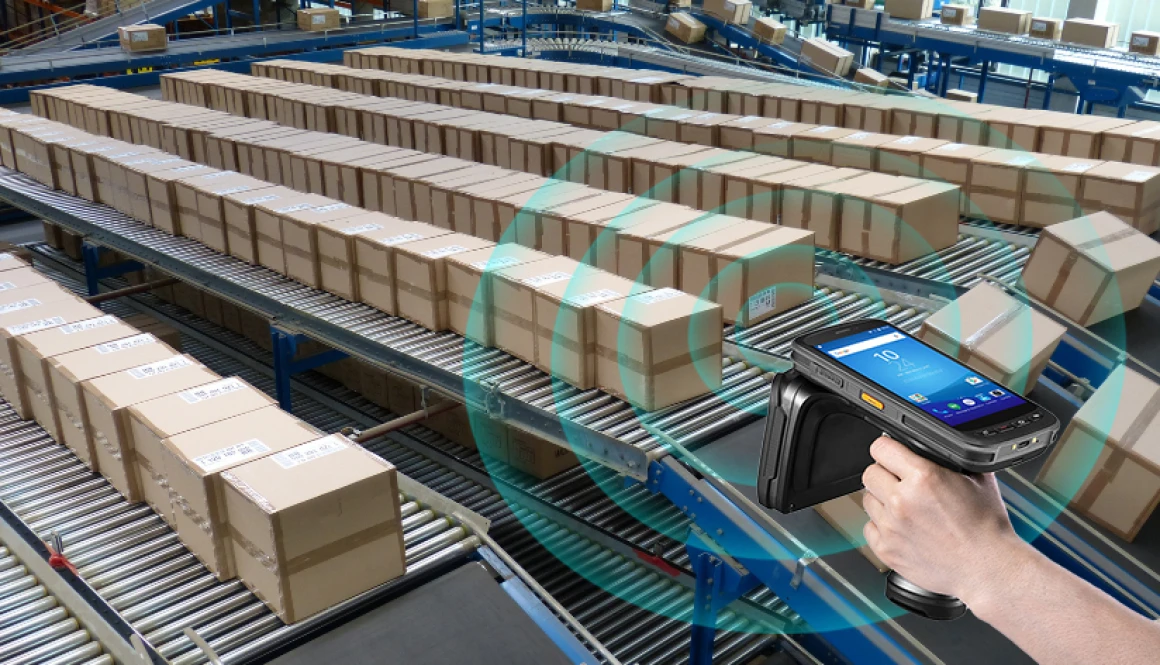


 EN
 ES
 JA