


Introduction
In today’s digital business environment, RFID (Radio Frequency Identification) technology has become a key tool for enhancing supply chain efficiency, strengthening asset management, and optimising customer experiences. However, one of the most frequently asked questions during discussions is: “Why do RFID tag price quotes vary so significantly between different suppliers?”
For procurement managers and business owners, understanding the logic behind pricing is crucial. This not only relates to cost control but also directly impacts system stability and return on investment. RFIDTag is committed to helping you cut through the pricing confusion and make the most informed purchasing decisions through this transparent pricing guide.
Core Components: The Value Difference Between Chips and Antennas

The price of an RFID tag is primarily determined by its “heart”—the RFID chip. The chip’s brand, storage capacity, and functionality are the main drivers of cost. Typically, chips from internationally renowned brands like NXP or Impinj command a unit price approximately 40% to 60% higher than standard solutions. While standard chips perform excellently in basic identification tasks, internationally branded chips remain the preferred choice for scenarios demanding extremely high data reliability, complex encryption, or ultra-long read ranges—such as bank payment cards or high-end hotel access control systems.
Antenna design and material selection are equally critical. Aluminium-etched antennas, valued for their exceptional cost-effectiveness, are widely used in apparel tags and logistics tracking. However, if superior conductivity or smaller form factors are required, copper-etched antennas offer a superior alternative despite their higher cost.
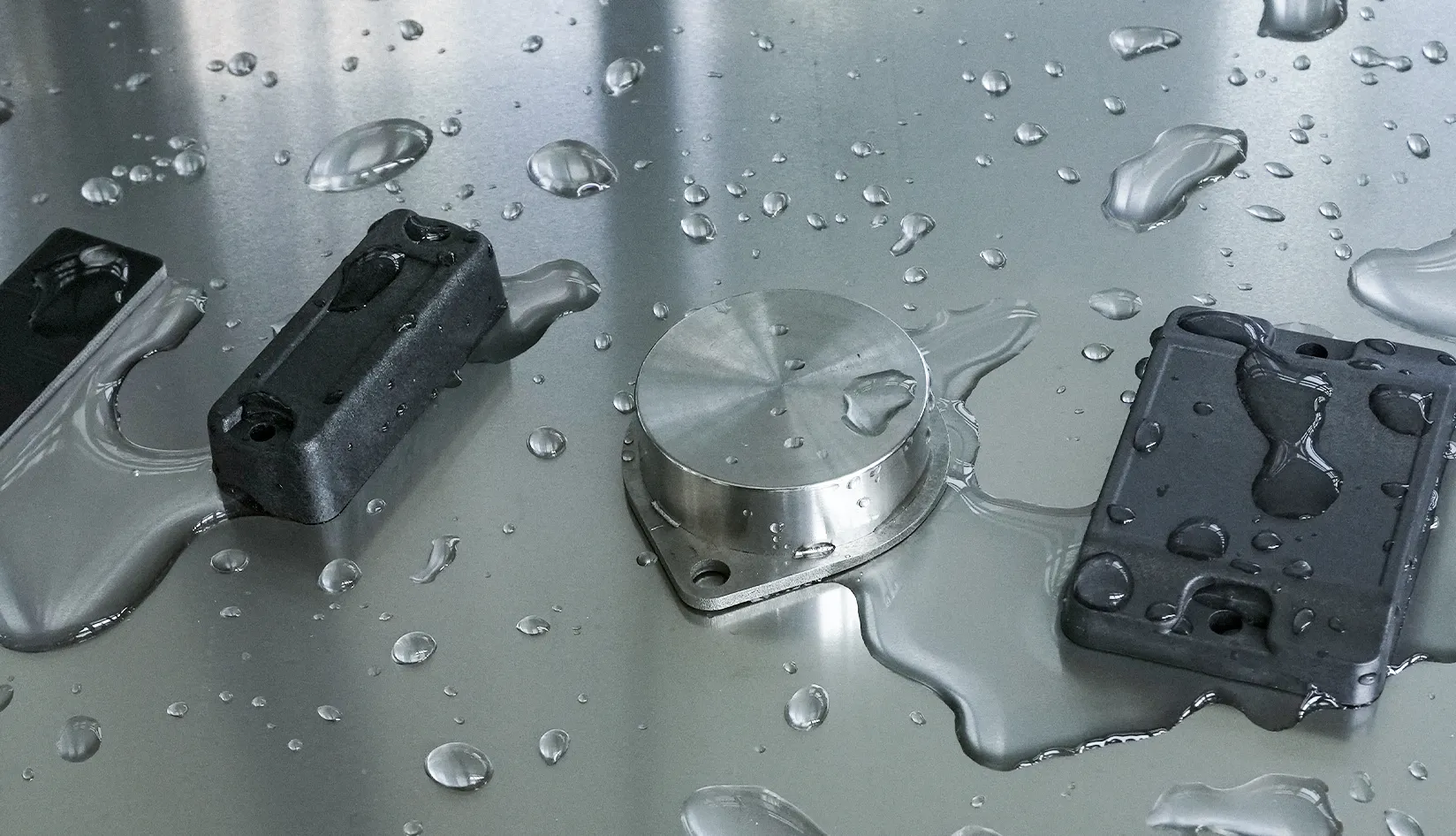
Furthermore, specialised antennas designed for metal surfaces or liquid environments incur significant R&D costs due to complex electromagnetic simulation and debugging, which are factored into each tag’s pricing. For instance, standard RFID tags may fail due to electromagnetic interference when managing metal shelving in warehouses or tracking liquid-filled pharmaceutical bottles. In such cases, anti-metal antennas with absorptive materials or specially structured liquid tags become essential. The premium associated with these technologies represents a necessary investment to ensure system stability.
Packaging Process: From Paper Labels to Durable Wristbands

The “outer layer” of a label—the encapsulation material—accounts for a significant portion of its cost structure. The harshness of the environment directly dictates material selection. For instance, disposable paper labels used in retail apparel are extremely low-cost because they only need to maintain short-term performance in dry indoor environments.
Conversely, if your application involves hotel pools, saunas, or large fitness centres, ordinary paper tags or PVC cards are clearly inadequate. In such cases, RFID wristbands emerge as the optimal solution. To ensure wearing comfort and safety, we typically employ medical-grade silicone material. This material not only offers outstanding waterproofing and abrasion resistance but also prevents skin allergies, guaranteeing a comfortable wearing experience lasting hours or even days.
For industrial equipment management or asset tracking, environments may involve high temperatures, high pressure, or severe physical impacts. In such cases, tags must be encased in impact-resistant ABS plastic, PPS nylon, or ceramic shells. These specialised enclosures not only protect the fragile internal chips and antennas but also address reflection interference issues on metal surfaces through their unique physical structures. While the unit cost of such tags may reach several dollars, their long-term investment value (ROI) significantly exceeds that of cheaper alternatives. This is due to their 10-year lifespan and the precise monitoring they provide for high-value assets.
To provide a clearer understanding of how different encapsulation forms impact cost and application, we have compiled the following comparative table:
| Encapsulation Type | Typical Cost Range | Durability | Primary Applications |
| Paper Self-Adhesive Label | Extremely Low | Low (Prone to moisture damage, tearing) | Retail apparel, logistics packaging, library management |
| PVC/PET Smart Card | Moderate | Moderate (Waterproof, fold-resistant) | Hotel key cards, access cards, membership cards |
| Silicone/Woven Wristbands | Higher | High (waterproof, hypoallergenic) | Amusement parks, music festivals, medical identification |
| Rigid Anti-Metal Tags | High | Extremely high (pressure-resistant, high-temperature resistant) | Asset management, container tracking, industrial production lines |
Customization Needs: Crafting a Distinctive Brand Identity

We fully understand the importance of brand recognition. Customisation is our core strength, yet it also represents one of the variables affecting the final quote. Custom logo printing, intricate geometric die-cutting, and eco-friendly material choices all incur additional processing time and material waste.
For instance, full-colour offset printing (CMYK) costs more than simple screen printing, yet it perfectly reproduces your brand colours, delivering a more refined and textured visual effect. This is crucial for apparel giants like Nike and Adidas, who prioritise brand consistency.
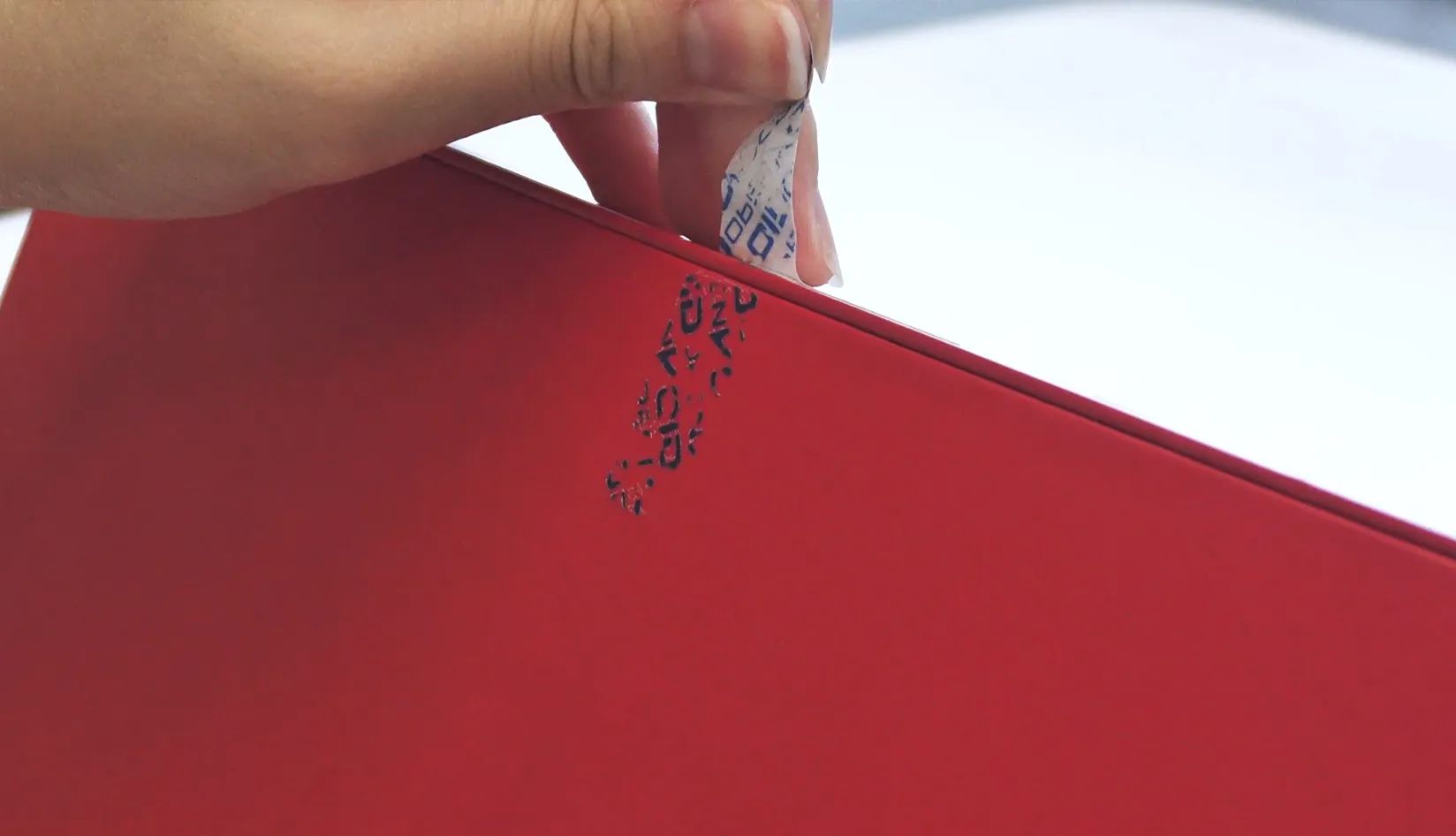
If sustainability is your priority, selecting FSC-certified paper, wood-based materials, or biodegradable plastics as substrates has become a global trend. While these eco-friendly materials increase raw material costs by approximately 15% to 25%, they significantly elevate your brand image and facilitate entry into environmentally stringent markets like Europe and North America.
Additionally, value-added services constitute a significant portion of the quotation. RFIDTag offers comprehensive data processing solutions, including:
- Pre-encoding: Writing specific EPC data or URLs onto the chip.
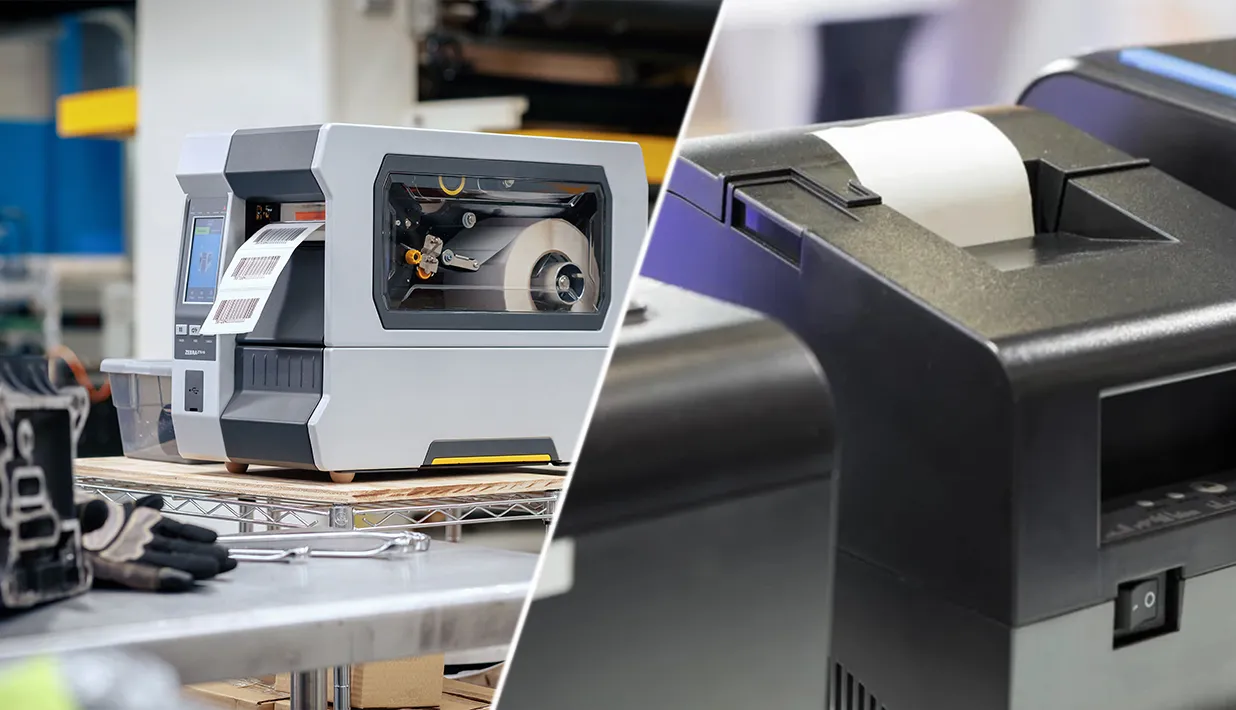
- Surface Inkjet Printing & Laser Marking: Printing unique serial numbers, barcodes, or QR codes onto the label surface.
- Encryption Processing: Providing key protection for high-security scenarios.
While these operations incur a small processing fee, they greatly simplify your on-site deployment process and reduce labour costs.
The Cost-Effective Choice: Consistent Savings Across All Tag Types
The true measure of a cost-effective partner is not just a single low price, but consistent value across their entire product line. RFIDTag.com’s direct-from-manufacturer model and optimized production line deliver superior value for every type of tag, from the most complex industrial tags to simple access control key fobs.
A Direct Price Comparison: RFIDTag™ vs. Competitors
We are proud to demonstrate our cost advantage by comparing our products against similar offerings from major distributors (3, 4, 5). Our pricing strategy ensures that you receive a premium product at a fraction of the market cost.
| Product Type | Competitor Product Example | Competitor Unit Price (Approx.) | RFIDTag™ Unit Price (Approx.) | Your Savings with RFIDTag™ |
| UHF On-Metal Tag | Xerafy RTI Trak Tag (Barcode Factory) | $4.28 – $5.83 | $2.00 | Up to 70% |
| HF RFID Key Fob | RF IDEAS Mifare Key Fob (Barcode Factory) | $2.68 | $0.44 | Up to 85% |
| UHF Cable Tie Tag | HID SlimFlex Seal Tag (RFID4U Store) | $2.50 – $3.50 | $1.54 | Up to 60% |
Note: Competitor prices are based on publicly available “as low as” pricing for high-volume orders and are subject to change. Our pricing is based on a typical high-volume order (e.g., 10,000+ units).
By choosing RFIDTag, you are not just buying a tag; you are investing in a direct manufacturing partnership that cuts out unnecessary distribution layers, delivering a premium product at a price point that is often 50% to 75% lower than comparable market offerings.
Conclusion
Understanding the essence of RFID tag price variations is about finding the perfect balance between “performance” and “cost.” The lowest-priced tags are not always the best choice, as replacement costs and system downtime losses from read failures or physical damage in real-world applications can far exceed the savings from the initial purchase price difference.
We recommend clarifying these three core elements before requesting a quote:
- Application environment (Will it encounter metal, liquids, or extreme temperatures?)
- Required read range (Close-range swiping or bulk identification from several meters away?)
- Branding and functionality needs (Do you require custom logos or high-strength encryption?)
Let’s collaborate to power your business growth with high-quality RFID solutions.
Recommended Product

Heat Press Interactive NFC Garment Badge | NTAG® 424 DNA
The Heat Press NFC Garment Badge represents the future of wearable technology. This compact badge, with a diameter of 25 mm, is made from durable silicon, ensuring resilience against everyday use. At its core, it houses a state-of-the-art NXP NTAG® 424 DNA NFC chip, enabling seamless interaction between your clothing and your smartphone. To access exclusive digital content, authenticate your garment, or dive into immersive brand experiences.
Note: Tags are supplied in factory-default condition, with no data pre-encoded. For pre-encoding to enable immediate verification, please contact us for pricing.

Heat Press Interactive NFC+UHF Garment Badge | EM4425 (EM|echo-V) Dual Frequency RFID
UHF Garment Badge EM4425® is a dual-frequency RFID tag combining NFC and UHF in one 25mm heat-pressable badge. Built with the EM4425® (EM | echo-V) chip, it seamlessly enables UHF Garment Badge EM4425® solutions for digital brand engagement, anti-counterfeiting, and traceability in the fashion industry. The silicone structure is durable, flexible, and made for permanent integration onto apparel items using heat press methods.

ABS RFID KEY-FOB Tag ATA5577
The ABS RFID Key-Fob Tag featuring the ATA5577 chip operates at 125kHz or 135kHz frequencies, offering flexible and reliable RFID performance. Its robust ABS casing protects the tag in various environments, making it ideal for access control, asset tracking, loyalty programs, personal and pet identification, as well as waste management. Portable and easy to deploy in diverse scenarios.

ABS RFID KEY-FOB Tag EM4200
The ABS RFID Key-Fob Tag with integrated EM4200 chip operates at 125kHz LF, offering a compact and durable solution for secure access control and identity verification. Its rugged ABS housing and key-ring design enable convenient use in environments such as office buildings, residential complexes, and logistics centers. Reliable, portable, and easy to integrate.

 EN
 ES
 JA