


RFID LED Tags: How Visual Identification Improves Item Picking and Verification

RFID Tag Materials: How to Choose the Right Material for Your Application

Smallest RFID Tag for Limited Installation Space: On-Metal RFID Solutions for Small Assets

Tamper Proof Tag Guide: Choosing the Right RFID Tag for Your Application

RFID Tags for Concrete: Improving Traceability Throughout the Construction Lifecycle

RFID Tree Tracking: How It Works, Benefits, and Best Practices
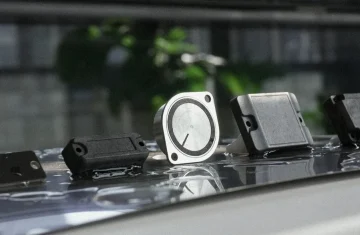
Best Outdoor RFID Tags for Asset Tracking: A Buyer’s Guide
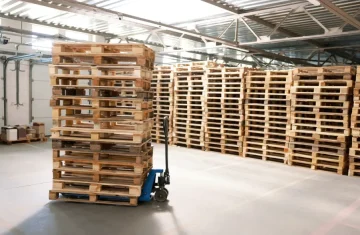
RFID Pallet Tracking: How It Works, Benefits, Challenges, and Best Practices

RFID for Container Tracking: How It Works, Benefits, Applications, and Best Practices
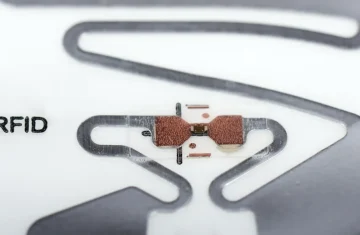
UHF RFID Chip Comparison: Performance, Features, and Price

Why Adhesive RFID Asset Tags Are Ideal for Indoor Asset Tracking

What Is an NFC Flex PCB Tag? A Complete Guide for Manufacturers

RFID Sew-On Labels vs Sew-In Labels: What’s the Difference?

RFID TID vs EPC: Understanding RFID Tag Identification and Memory Structure

RFID Towel Tracking: How Hotels Reduce Towel Loss and Theft

EAS vs RFID: What’s the Difference and Which One Should Retailers Choose?

Top 10 RFID Tag Manufacturers in 2026: Global Suppliers Compared

NXP UCODE 9 UHF RFID Chip: Specs, Sensitivity & Application Guide
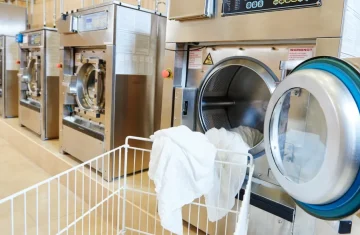
RFID Linen Tracking: How Many Wash Cycles Can RFID Laundry Tags Really Survive
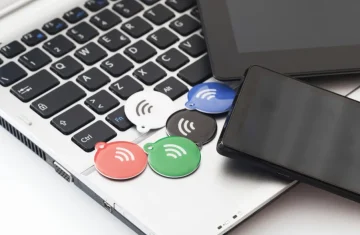
NFC Tag Dimensions vs Read Range: What’s the Relationship?

RFID Data Collection: How Automated Tracking Transforms Inventory and Asset Management

RFID Reader Not Working? 7 Steps to Fix It in Minutes

RFID Works on Metal: Why Normal Tags Fail and How On-Metal RFID Fixes It

RFID Cable Tie Tags for Tamper-Proof Asset Tracking

How to Choose the Right RFID Tags for Asset Tracking
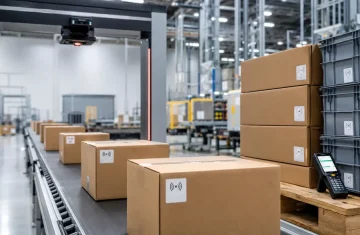
RFID Tag Placement: Optimizing Orientation & Material Performance

What Are RFID Security Tags? Key Features You Should Look For
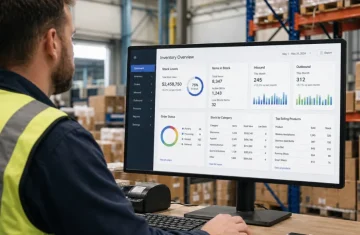
What Is Gen2x RFID? A Practical Guide for Brands and Manufacturers
 EN
 ES
 JA